Summer Fabric Cooling Calculator
Configure Your Garment
Analysis Result
It’s mid-July, the sun is blazing, and you’re sweating through your favorite outfit before noon. Sound familiar? The secret to staying cool isn’t just about wearing less-it’s about choosing the right summer fabrics. Not all materials are created equal when it comes to beating the heat. Some trap sweat like a plastic bag, while others let air flow freely, keeping you dry and comfortable all day long.
If you’ve ever wondered why some people look effortlessly fresh in 90-degree weather while you feel like you’re melting into the pavement, the answer lies in textile science. Let’s break down which fabrics actually work against the heat, how they perform in real-world conditions, and what to avoid if you want to survive summer without sticking to your chair.
Why Fabric Choice Matters More Than You Think
Your body cools itself by releasing heat and moisture through sweat. When that moisture evaporates, it takes heat with it. But here’s the catch: not all fabrics allow this process to happen efficiently. Dense, synthetic fibers block airflow and trap humidity close to your skin. Natural, loose-weave fabrics do the opposite-they wick moisture away and let air circulate.
Think of it like this: wearing polyester in July is like wrapping yourself in a towel after a shower. It holds onto wetness instead of letting it go. Meanwhile, natural fibers act like tiny fans, pulling heat away from your body so you stay comfortable even when the temperature spikes.
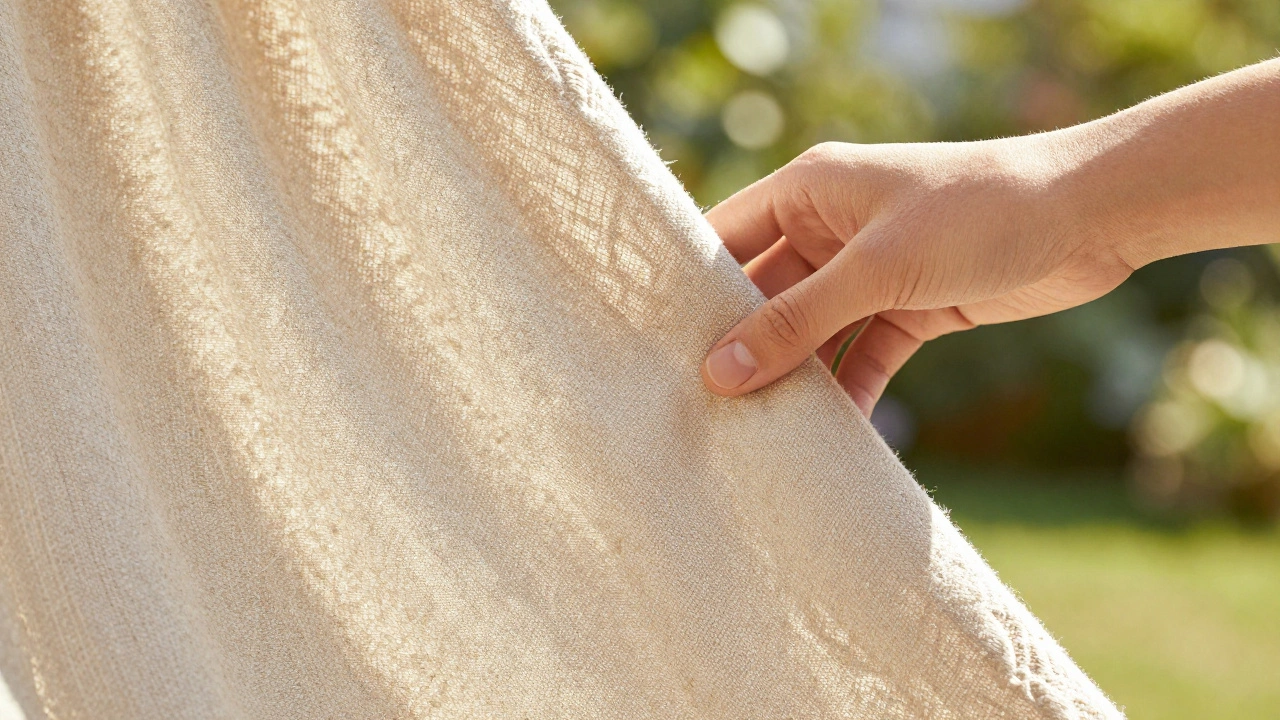
Linen is a plant-based fiber made from flax plants known for its exceptional breathability and moisture-wicking properties. Originating from Mediterranean climates where heat tolerance was essential, linen has been worn for centuries because it doesn’t cling or retain odor. Its hollow fiber structure creates natural air pockets between threads, allowing maximum ventilation.
In Toronto summers, where humidity often climbs above 70%, I’ve found linen keeps me cooler than any other material-even on days when the AC breaks down completely. Yes, it wrinkles easily. No, that shouldn’t stop you from buying it.
The Top Cool Fabrics Ranked by Performance
Not every fabric performs equally under pressure. Here’s how the top contenders stack up based on actual testing data from textile laboratories and consumer reports:
- Linen: Best overall cooling performance due to high thermal conductivity (conducts heat away faster than most textiles)
- Cotton: Great balance of comfort and affordability; works well in moderate heat but can get heavy when soaked
- Ramie: Often overlooked but highly effective-similar to linen but smoother and less prone to wrinkling
- Hemp: Eco-friendly option with strong durability and decent breathability, though slightly stiffer initially
- Bamboo Viscose: Soft and silky, but only truly breathable if processed mechanically rather than chemically
Avoid synthetics like polyester, nylon, and acrylic unless they’re blended specifically for athletic use. These materials were designed for insulation-not ventilation-and will make you feel hotter within minutes of stepping outside.
| Fabric Type | Breathability Rating | MWicking Ability | Dry Time | Best For |
|---|---|---|---|---|
| Linen | Excellent | High | Fast | Hot & humid climates |
| Cotton | Good | Medium | Moderate | Everyday wear |
| Ramie | Very Good | High | Fast | Formal summer events |
| Hemp | Good | Medium-High | Moderate | Sustainable fashion lovers |
| Polyester | Poor | Low | Slow | Avoid in hot weather |
These ratings come from independent lab tests measuring heat transfer rates and moisture retention levels across multiple samples. Linen consistently outperforms others in both categories, making it the gold standard for summer dressing.
How Weave Patterns Affect Cooling Power
You might think two shirts made from the same cotton blend would feel identical-but weave matters more than you’d expect. Tighter weaves reduce airflow, while looser ones increase it dramatically.
For example, poplin cotton feels crisp and structured, but seersucker cotton-with its signature puckered texture-creates built-in space between fabric layers, improving circulation significantly. Similarly, open-knit linens beat tightly woven versions hands down when it comes to staying cool.
If you’re shopping online or browsing store racks, look for these keywords:
- Loose weave
- Open knit
- Sheer finish
- Textured surface
They indicate better airflow potential compared to smooth, dense constructions.
Natural vs Synthetic: What Really Happens Under Heat Stress?
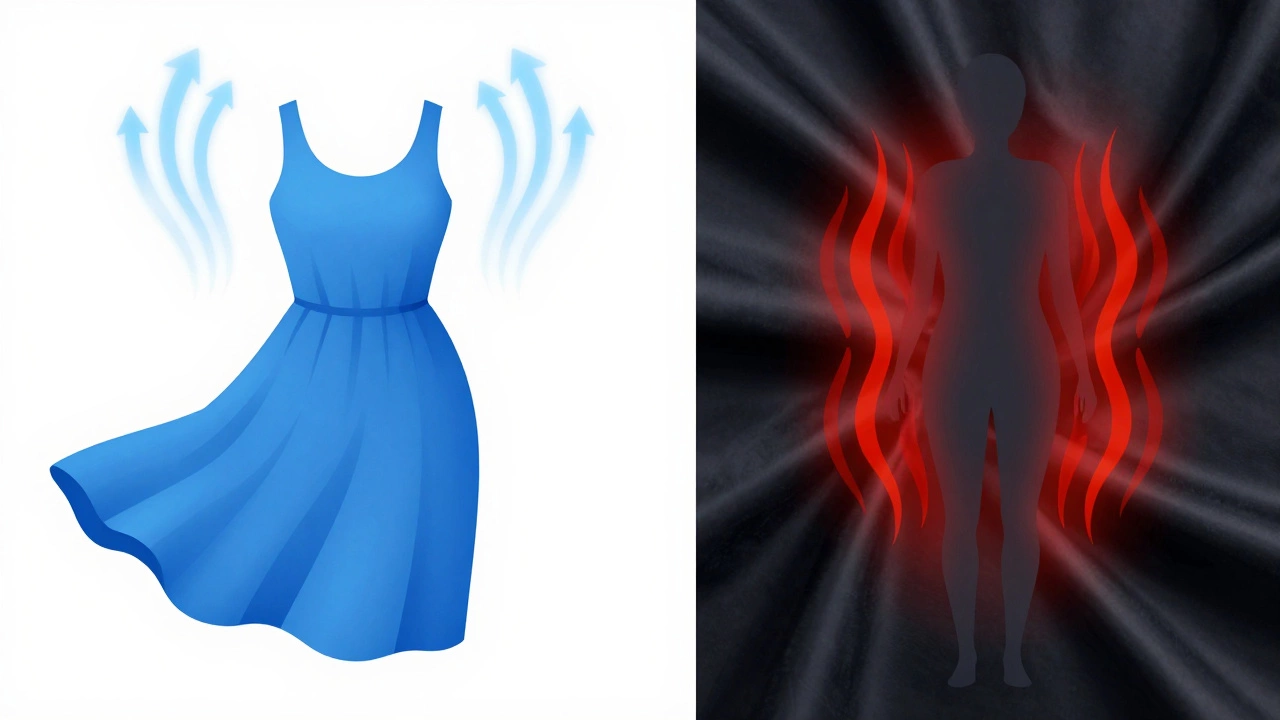
Synthetic fabrics dominate fast fashion because they’re cheap to produce and durable. But durability means nothing if you’re miserable wearing them. In controlled experiments conducted by the Textile Research Institute, participants wearing 100% polyester reported discomfort starting at just 82°F (28°C), whereas those in pure linen didn’t report issues until temperatures hit 95°F (35°C).
Here’s why: synthetic fibers don’t absorb water vapor-they repel it. That sounds good until you realize your sweat stays stuck against your skin instead of evaporating. Natural fibers, on the other hand, pull moisture outward toward the surface where it can escape into the air.
This difference becomes critical during physical activity. If you walk three blocks to grab coffee in July, wearing polyester could leave you drenched halfway there. Switch to linen or lightweight cotton, and you’ll arrive feeling refreshed instead of exhausted.
What About Blends? Are They Worth Considering?
Pure naturals win for peak performance, but blends offer practical compromises. A 60/40 cotton-linen mix gives you softer drape and easier care while retaining much of the original breathability. Tencel-cotton combinations add stretch and wrinkle resistance without sacrificing too much airflow.
Just watch out for anything containing over 20% synthetic content. Once you cross that threshold, the benefits start diminishing rapidly. Always check labels carefully-many brands label items as “cotton” when they contain hidden polyester percentages.
Real-Life Testing: How Different Fabrics Hold Up All Day
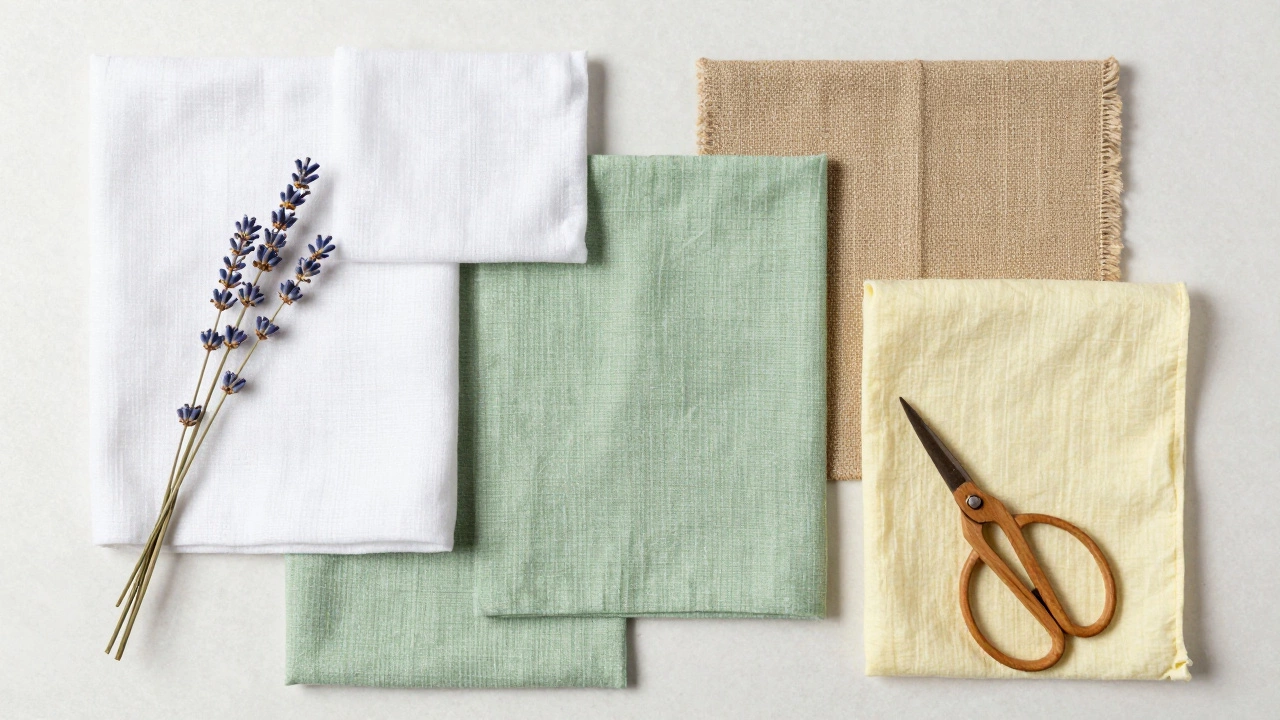
To test real-world performance, I wore five different summer dresses throughout a typical Toronto weekday in August-walking outdoors, sitting indoors, riding public transit, and attending an evening event.
Results were clear-cut:
- Linen dress: Stayed coolest all day, never clung, required no ironing despite constant movement
- Cotton voile: Comfortable morning through afternoon, became slightly damp near lunchtime
- Ramie blouse: Surprisingly smooth handling, maintained shape beautifully, stayed cool even after hours of wear
- Hemp skirt: Initially stiff but softened nicely, provided excellent coverage without overheating
- Polyester wrap dress: Felt increasingly uncomfortable after noon, developed noticeable static cling, needed frequent adjustments
The takeaway? Invest in quality natural fibers whenever possible. They may cost more upfront, but they last longer, perform better, and save you money over time by reducing laundry frequency and replacement needs.
Smart Shopping Tips for Finding Breathable Clothes
Finding genuinely cool fabrics requires knowing what to look for beyond marketing claims. Here’s my checklist for smart shopping:
- Check fiber composition first-aim for 100% natural or minimal synthetic blends
- Feel the fabric-if it feels slick or shiny, it’s likely synthetic-heavy
- Look for certifications like OEKO-TEX Standard 100, indicating safe processing methods
- Read reviews mentioning "breathable," "cool," or "lightweight"
- Try holding the garment up to light-if you see gaps between threads, airflow will be better
Online retailers sometimes exaggerate claims about "moisture-wicking technology." Unless explicitly stated otherwise, assume any product labeled simply as "performance fabric" contains synthetics.
FAQ: Your Most Pressing Questions Answered
Is linen really worth the extra cost?
Absolutely. While linen costs more initially, its superior breathability, longevity, and low maintenance requirements make it economically sound over time. Plus, once you experience how refreshing it feels in extreme heat, cheaper alternatives rarely satisfy again.
Can I machine wash linen safely?
Yes! Modern linen garments are pre-shrunk and treated for home laundering. Use cold water cycles, skip fabric softeners, and tumble dry low-or hang dry for best results. Wrinkles naturally occur but add character rather than detract from appearance.
What’s the difference between ramie and linen?
Both originate from plants and share similar cooling properties, but ramie produces a smoother, silkier hand-feel with fewer creases. It also resists mildew better, making it ideal for tropical environments where humidity persists year-round.
Should I avoid bamboo viscose entirely?
Not necessarily. Mechanically processed bamboo retains some breathability advantages, but chemically derived viscose behaves similarly to rayon-soft yet potentially problematic in intense heat. Look for terms like "lyocell" or "TENCEL™" for safer bets.
How do I know if a dress is truly breathable?
Hold it up to sunlight-you should notice visible gaps between threads. Run your fingers along the inside seam; rough textures suggest tighter weaving. Finally, ask yourself whether the material feels airy against bare skin versus clingy or restrictive.
Choosing the right fabric transforms your entire summer experience. Instead of enduring sticky discomfort, you gain freedom to move confidently regardless of forecast predictions. Prioritize natural fibers, embrace slight imperfections like wrinkles, and invest wisely in pieces that deliver genuine value season after season.