Dress Type Classifier
Select the features of your dress to determine if it's a sundress or another type of summer dress.
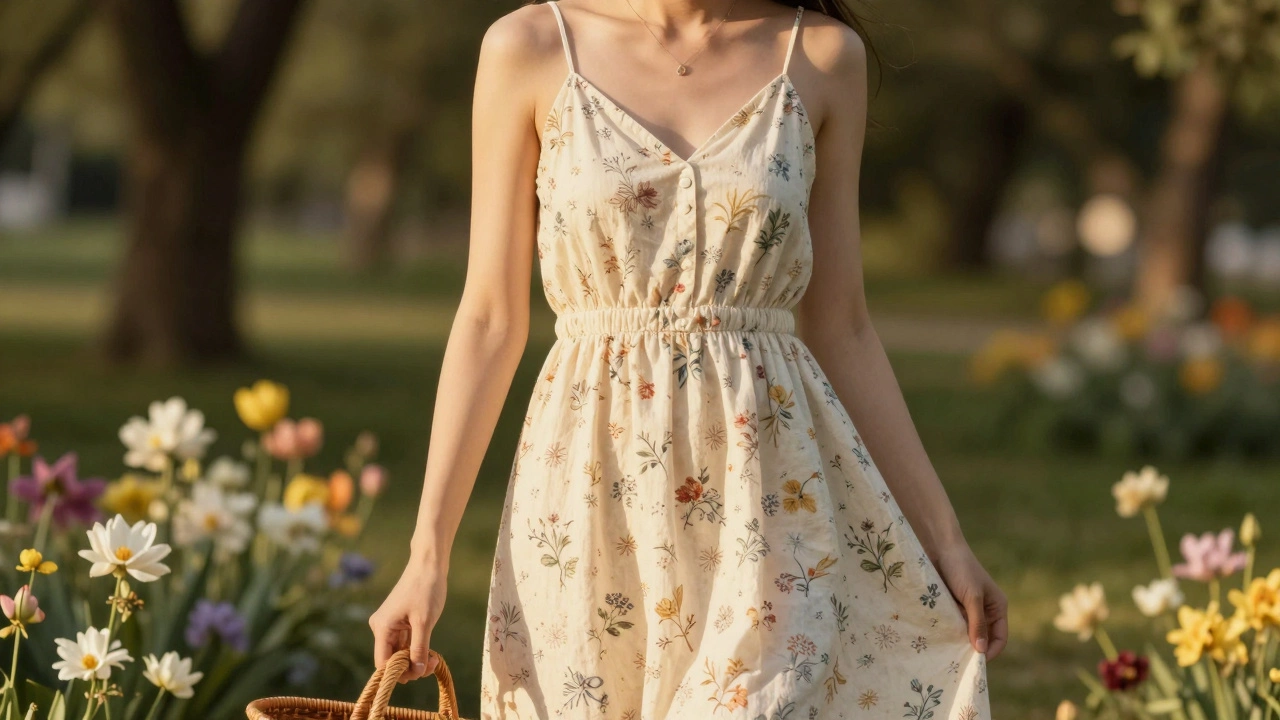
If you've ever stood in front of your closet wondering whether that floral number is a sundress or just a summer dress, you're not alone. The terms get mixed up all the time. But here's the thing: a sundress is a sleeveless, lightweight dress designed for warm weather. It typically features a simple design with minimal embellishments and is made from breathable fabrics like cotton or linen. Sundresses often have a loose fit, a V-neck or spaghetti straps, and no pockets. They're meant for casual settings like picnics, beach days, or running errands on a hot afternoon.
What is a Summer Dress?
summer dress is a broader category that includes any dress worn during warmer months. This covers sundresses but also extends to styles like wrap dresses, maxi dresses, shirt dresses, and even sleeveless or short-sleeved formal dresses. The key factor is suitability for summer heat-lightweight fabrics, breathable materials, and styles that keep you cool. However, unlike a sundress, a summer dress can have sleeves, more intricate details, or even be dressy enough for a wedding.
Key Differences Between Sundress and Summer Dress
| Feature | Sundress | Other Summer Dresses |
|---|---|---|
| Sleeve Type | Sleeveless | Can have sleeves (e.g., cap sleeves, short sleeves, long sleeves) |
| Fabric | Linen, cotton, rayon | Various, including polyester blends, silk, or lightweight denim |
| Formality | Casual | Varies from casual to formal |
| Typical Occasions | Picnics, beach outings, casual outings | Office, weddings, dinners, vacations |
Examples of Summer Dresses That Aren't Sundresses
Not all summer dresses are sundresses. Here are some common styles you might see:
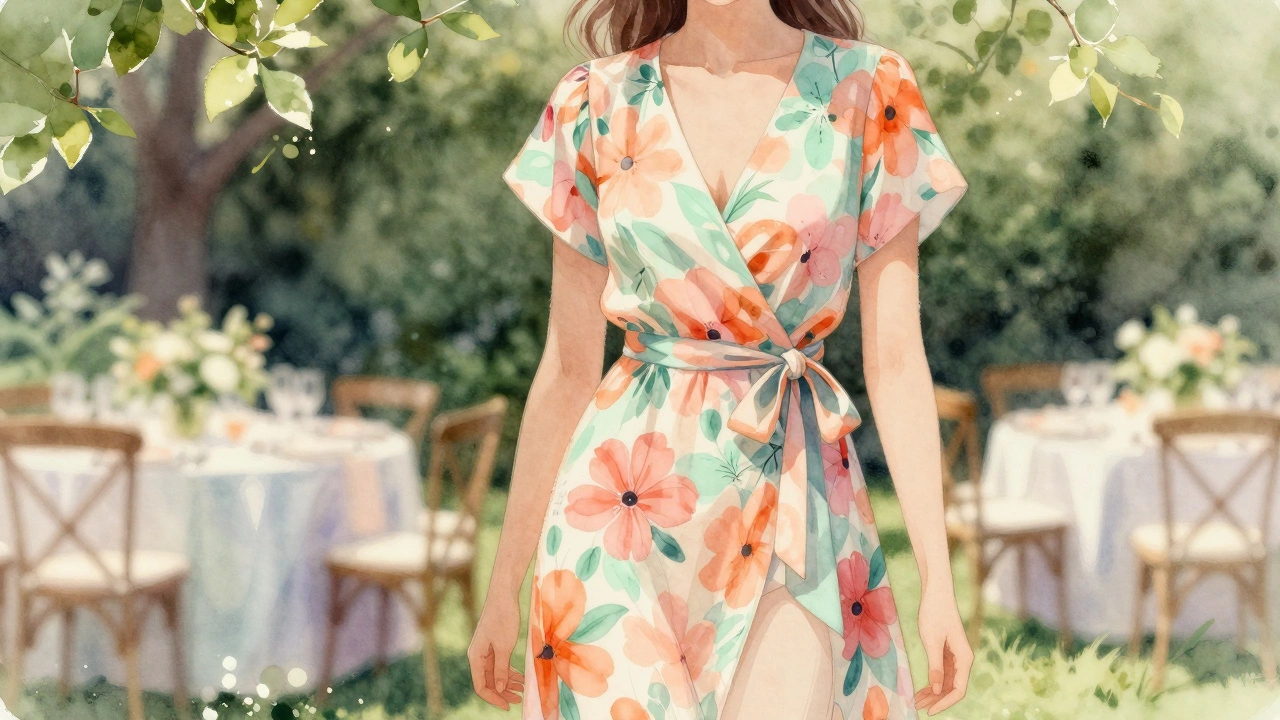
- wrap dressA dress with a wrap-style front that ties at the waist. It often has a V-neck and can be made from silk or polyester. This style is versatile for both casual and semi-formal events.
- maxi dressA long dress that reaches the ankle. While some maxi dresses are sleeveless and casual (like a sundress), others have sleeves or intricate details for evening wear.
- shirt dressA dress that mimics a button-up shirt, often with a collar and pockets. It's perfect for office settings or smart-casual outings.
- cotton fabricWhile cotton is common in sundresses, it's also used in many other summer dress styles. For example, a cotton shirt dress or a cotton wrap dress.

When to Wear Each
Choosing between a sundress and other summer dresses depends on the occasion. A sundress works best for relaxed settings where comfort is key. Think grocery shopping, a casual lunch, or a day at the park. On the other hand, a summer dress like a wrap dress or a maxi dress with sleeves can transition to more formal events. For instance, a silk wrap dress is ideal for a summer wedding, while a linen shirt dress pairs well with blazers for a business-casual office look. The versatility of summer dresses means you can find a style for almost any situation-just avoid assuming a sundress will fit every scenario.
Frequently Asked Questions
Is a sundress the same as a summer dress?
No, a sundress is a specific type of summer dress. All sundresses are summer dresses, but not all summer dresses are sundresses. Sundresses are always sleeveless and casual, while summer dresses include a wider range of styles, fabrics, and formality levels.
Can a sundress have sleeves?
No, by definition, a sundress is sleeveless. If a dress has sleeves-whether cap sleeves, short sleeves, or long sleeves-it's not a sundress. It would fall under another category of summer dress.
Are all sleeveless dresses sundresses?
Not necessarily. A sleeveless dress could be a sundress if it's casual, lightweight, and made from breathable fabrics like cotton or linen. However, sleeveless dresses made from formal fabrics like silk or satin with embellishments (like sequins) are not sundresses-they're typically evening or formal dresses.
What's the difference between a sundress and a maxi dress?
A maxi dress is defined by its length (ankle-length), while a sundress is defined by its style (sleeveless, casual). A maxi dress can be a sundress if it's sleeveless, casual, and made from lightweight fabric. However, many maxi dresses have sleeves or are made from dressier fabrics, making them summer dresses but not sundresses.
Can you wear a sundress to a formal event?
Generally, no. Sundresses are designed for casual settings. For formal events like weddings or galas, you'd want a summer dress with more structure, embellishments, or formal fabrics. A sundress might work for a casual outdoor wedding, but it's not suitable for black-tie events.
What fabrics are best for sundresses?
Linen and cotton are top choices for sundresses because they're breathable and lightweight. Rayon and chambray also work well. Avoid synthetic fabrics like polyester blends, which can trap heat and feel uncomfortable in summer heat.
How do you style a sundress for different occasions?
For casual outings, pair a sundress with sandals and a straw hat. Add a denim jacket for cooler evenings. For a semi-formal event, swap sandals for block heels and add statement earrings. A belted sundress with a blazer can even work for office wear, depending on the dress style and workplace culture.
Is a wrap dress considered a sundress?
No, a wrap dress is not a sundress. Sundresses are always sleeveless and simple, while wrap dresses typically have a front closure that wraps around the body and often include sleeves. Wrap dresses are a type of summer dress but fall outside the sundress category due to their design.
What makes a dress a summer dress?
A summer dress is any dress designed for warm weather. This includes lightweight fabrics, breathable materials, and styles that keep you cool. It can have sleeves, be formal or casual, and vary in length. The key is suitability for summer conditions-not the specific style.
Are there different types of sundresses?
Yes, sundresses come in various styles like shift dresses, A-line dresses, or empire waist dresses, but they all share the same core features: sleeveless, casual, and lightweight. The variations are in cut and silhouette, not in the defining characteristics of a sundress.