Global Footwear Terminology Checker
Select a region to see how they refer to athletic footwear.
Regional Result
The Great Shoe Divide: Sneakers vs. Trainers
If you’ve ever shopped for shoes in London and asked for "sneakers," the shop assistant probably gave you a confused look before pointing you toward the "trainers." It’s one of those small linguistic quirks that instantly marks you as an outsider. But why does this divide exist? Why do Americans say sneakers while Brits stick to trainers? The answer isn’t just about vocabulary; it’s a window into how language evolves based on culture, class, and sport.
This difference goes beyond simple preference. It reflects a deeper historical split in how the two cultures viewed athletic wear. For decades, running shoes were strictly functional gear for athletes. Over time, they became fashion staples. Yet the names stuck to their original purposes. Understanding this helps explain not just what we call our shoes, but how we view them.
Where Did the Word "Trainers" Come From?
To understand the British term, we have to look at the root word: training. In the context of sports, training refers to the practice sessions athletes do to prepare for competition. A trainer is someone who coaches or prepares an athlete. Therefore, shoes designed for these practice sessions logically became known as trainers.
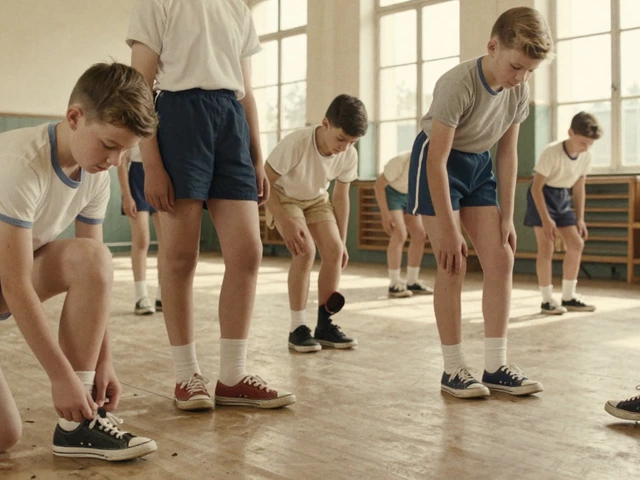
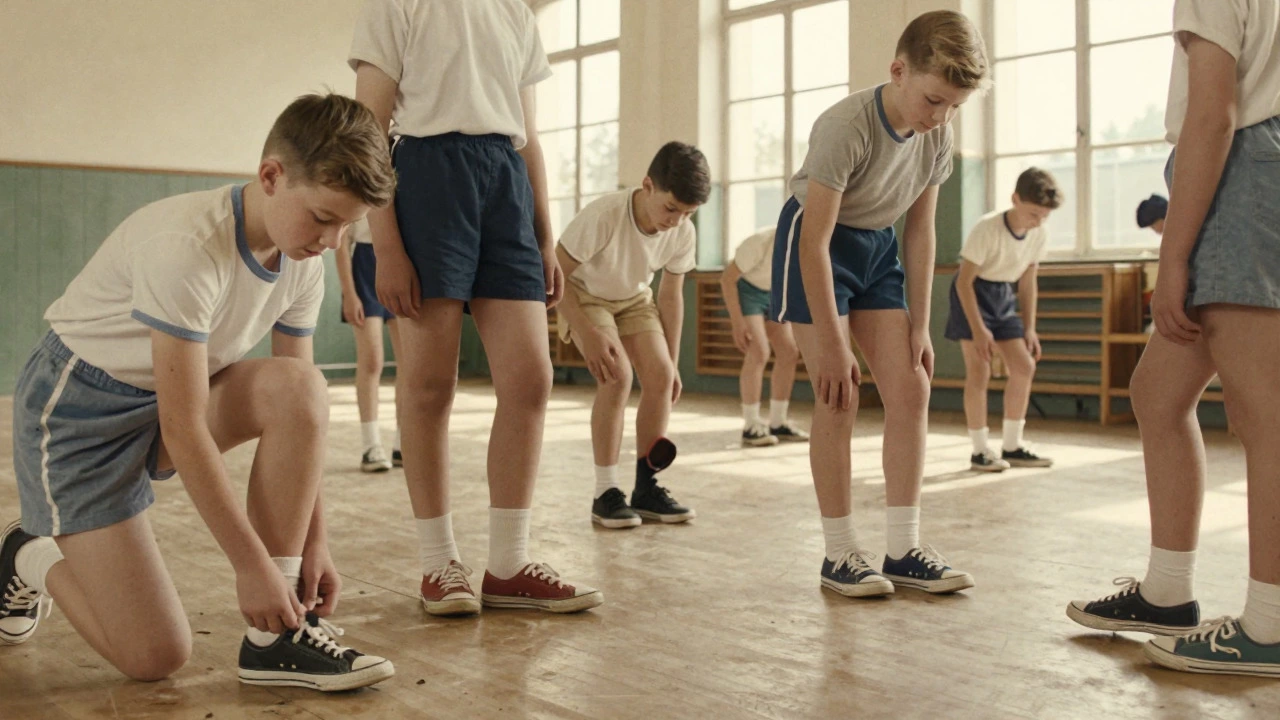
In the United Kingdom, physical education (PE) has been a mandatory part of school curriculum for generations. Children would change out of their regular clothes and into specific attire for PE lessons. This included shorts, t-shirts, and most importantly, rubber-soled shoes suitable for running and gym activities. These shoes were exclusively for training purposes. They weren't meant for formal occasions or even casual street wear initially. They were tools for physical preparation.
The term gained traction in the mid-20th century as mass-produced athletic footwear became more common. Brands like Adidas and Puma began exporting their products globally. In Britain, marketing materials and sports commentary consistently referred to these items as trainers because they emphasized the activity they supported: training.
The American Perspective: Why "Sneakers"?
Across the Atlantic, the story is different. The term sneakers comes from the quiet nature of the rubber soles. Unlike leather-soled dress shoes that clacked loudly on hardwood floors, rubber soles allowed people to walk silently. You could literally "sneak" around without being heard. This descriptive name caught on in the early 20th century.
American English tends to favor descriptive, action-oriented nouns. We have "sneakers," "runners," and "tennis shoes." Each name describes either the action performed or the sound produced. This contrasts with the British approach, which often focuses on the purpose or the institutional context (like "school uniform" vs. "school outfit").
Another common American term is "running shoes." While this is technically accurate for many models, it doesn't cover the entire category. A pair of Converse Chuck Taylors might be used for basketball originally, but today they are worn casually. Calling them "running shoes" would be misleading. "Sneakers" acts as a catch-all term for any shoe with a rubber sole intended for casual or athletic use.

Class, Culture, and Casual Wear
Language is deeply tied to social class and cultural norms. In Britain, there was a strong distinction between "smart" clothing and "sports" clothing for much of the 20th century. Wearing trainers outside of the gym or track field was considered inappropriate in many settings. They were strictly utilitarian.
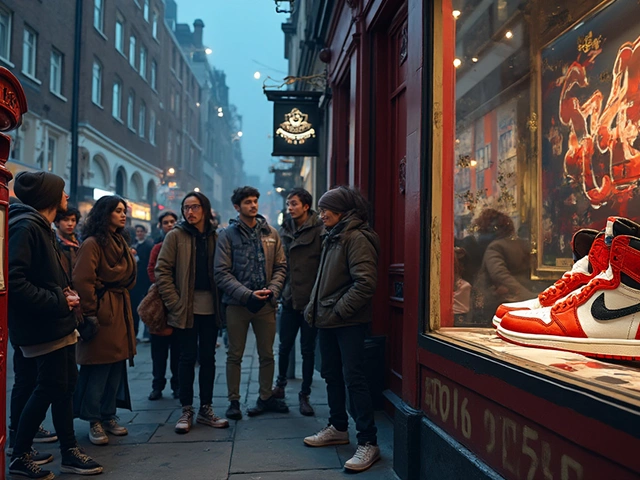
This changed dramatically in the 1980s and 1990s with the rise of hip-hop culture and skateboarding. Suddenly, trainers became a symbol of coolness and rebellion. Icons like Michael Jordan elevated basketball trainers to high-fashion status. Despite this shift in usage, the name remained "trainers." The word had already cemented itself in the collective consciousness.
In contrast, the US saw a faster blurring of lines between athletic and casual wear. The term "sneakers" felt less restrictive. It didn't imply you were currently exercising. It simply described the type of shoe. This semantic flexibility allowed sneakers to enter boardrooms and dinner parties more easily than trainers did in the UK.
Other Regional Variations
It’s not just Britain versus America. Other English-speaking countries have their own preferences. In Australia and New Zealand, you’ll often hear "gym shoes." This mirrors the British focus on the location where the shoes are used. In Canada, both terms are understood, but "sneakers" is slightly more common due to proximity to the US market.
Even within the UK, regional differences exist. In Scotland, you might hear "trainers" used interchangeably with "plimsolls" when referring to basic canvas shoes with rubber soles, particularly in schools. Plimsoll is a brand name that became genericized, similar to how "Kleenex" represents tissues in the US.
| Region | Primary Term | Alternative Terms | Cultural Context |
|---|---|---|---|
| United Kingdom | Trainers | Gym shoes, Plimsolls | School PE, Sports |
| United States | Sneakers | Running shoes, Tennis shoes | Casual wear, Athletics |
| Australia/NZ | Gym shoes | Runners | Physical Education |
| Canada | Sneakers | Trainers (less common) | Mixed influence |
The Rise of "Kicks" and Streetwear
In recent years, a new term has emerged globally: "kicks." Originating from African American Vernacular English (AAVE), "kicks" refers to stylish sneakers, particularly limited-edition releases. This term transcends national borders. Whether you’re in Tokyo, Paris, or Toronto, sneakerheads know what kicks are.
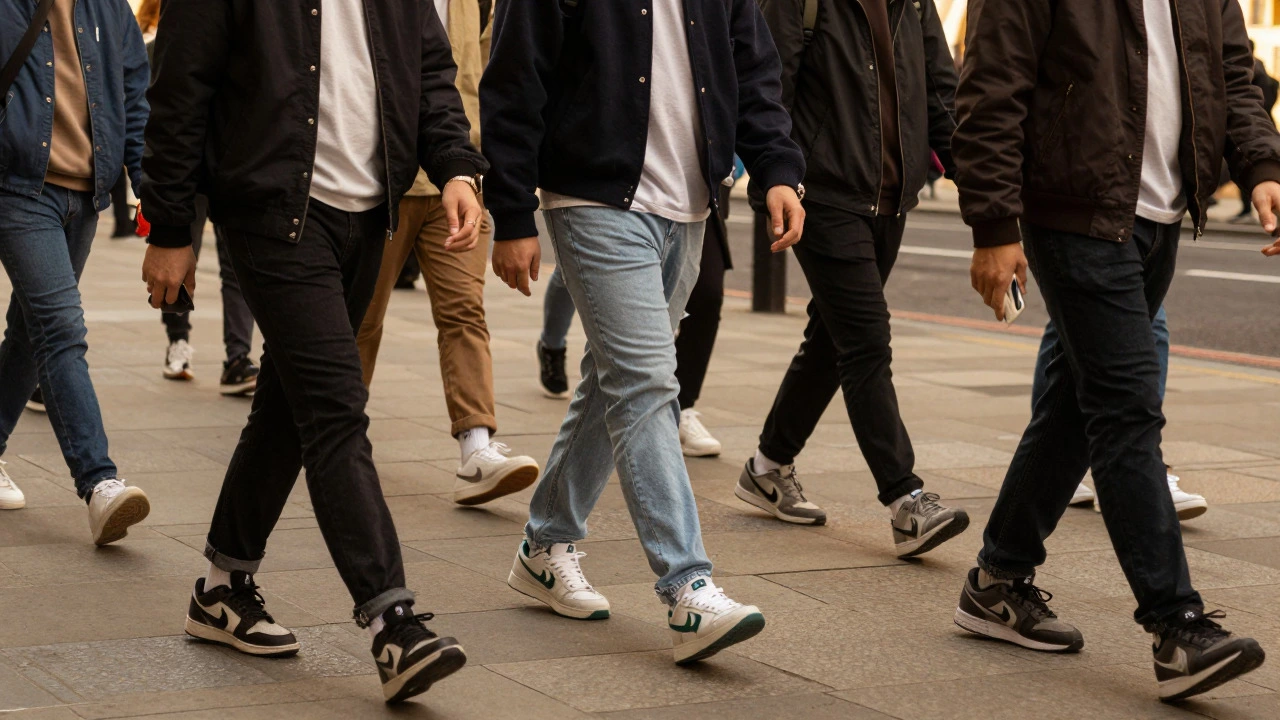
The popularity of brands like Nike, Air Jordan line and Yeezy has turned footwear into a collectible asset. When shoes become investment pieces, the language shifts. "Trainers" sounds too functional for a £500 pair of limited-edition Jordans. "Sneakers" feels better, but "kicks" carries the right cultural weight.
This evolution shows how language adapts to economic value. As sneakers moved from utility to luxury, the need for a more prestigious term arose. Interestingly, even in the UK, younger generations increasingly use "sneakers" when discussing high-end streetwear, while reserving "trainers" for everyday gym shoes.
Impact on Global Marketing
For global brands, this linguistic divide presents a challenge. Marketing campaigns must be localized carefully. An ad campaign using "sneakers" in the UK might feel alienating to older demographics. Conversely, using "trainers" in the US might confuse consumers looking for casual footwear.
Companies like Adidas and Nike maintain separate websites for different regions. Their UK sites prominently feature "trainers," while US sites highlight "sneakers." Search engine optimization (SEO) strategies also reflect this. Keywords targeting British users include "best running trainers," whereas American searches favor "top-rated sneakers."
This localization extends to product naming. Some models have different names in different markets. A shoe called the "Ultra Boost" might be marketed as a "performance trainer" in Europe and a "premium sneaker" in North America. The core product is identical, but the framing changes to match local expectations.
Why Does This Matter Today?
You might wonder why this matters if everyone understands each other anyway. Language shapes perception. Calling something a "trainer" implies function. Calling it a "sneaker" implies style. These subtle cues influence buying decisions.
Consider a young professional in London deciding what to wear to a creative agency interview. If they think of their shoes as "trainers," they might assume they are too casual. If they view them as "sneakers," they might see them as acceptable smart-casual attire. The label affects confidence and choice.
Furthermore, understanding these differences fosters cross-cultural communication. Travelers who know to ask for "trainers" in London will navigate shops more efficiently. Business professionals aware of these nuances can tailor their presentations to resonate with local audiences.
The Future of Footwear Terminology
As globalization continues, will these terms converge? Probably not entirely. Language resilience is stronger than we think. Local identities cling to distinctive words. However, hybrid usage is growing. Younger Brits exposed to US media via streaming services increasingly adopt "sneakers." Meanwhile, Americans traveling abroad pick up "trainers."
The rise of sustainable fashion may also introduce new terms. Shoes made from recycled materials or bio-fabricated components might need new labels that emphasize eco-friendliness over function or style. We could see terms like "eco-trainers" or "green sneakers" gain prominence.
Ultimately, the debate between sneakers and trainers is harmless fun. It highlights the beauty of linguistic diversity. Next time you lace up your favorite pair, take a moment to appreciate the history behind the name. Are you stepping out in trainers or sneakers? Either way, you’re walking through centuries of cultural evolution.
Do Brits ever use the word sneakers?
Yes, especially among younger generations and in contexts related to high-fashion streetwear. Exposure to American media and global sneaker culture has made "sneakers" more recognizable, though "trainers" remains the dominant term for everyday athletic shoes.
What is the difference between trainers and running shoes?
In the UK, "trainers" is a broad term covering all types of athletic footwear, including running, tennis, and gym shoes. "Running shoes" is a specific subset of trainers designed primarily for jogging. In the US, "sneakers" covers all categories, while "running shoes" specifies function.
Why do Australians call them gym shoes?
The term "gym shoes" emphasizes the location where the shoes are typically worn: the gymnasium or physical education class. This reflects a practical, location-based naming convention similar to the British "trainers" but focused on the venue rather than the activity.
Is it wrong to say sneakers in the UK?
Not at all. Most British people understand "sneakers" perfectly well, especially given the prevalence of American movies and TV shows. It might sound slightly foreign or trendy, but it won’t cause confusion. It’s a matter of habit, not correctness.
What are plimsolls?
Plimsolls are a specific type of flat, canvas shoe with a thin rubber sole, traditionally worn by students in British schools for PE classes. The name comes from the Plimsoll line on ships, referring to the distinct line separating the canvas upper from the rubber sole.