Hoodie Value Calculator: Cost Per Wear
Configure Your Hoodie
Cost Per Wear
Calculating...
How It Compares
| Tier | Avg Price | Avg Wears | Cost / Wear |
|---|---|---|---|
| Budget | $30 | 20 | $1.50 |
| Mid-Range | $60 | 100 | $0.60 |
| Premium | $180 | 300+ | $0.60 |
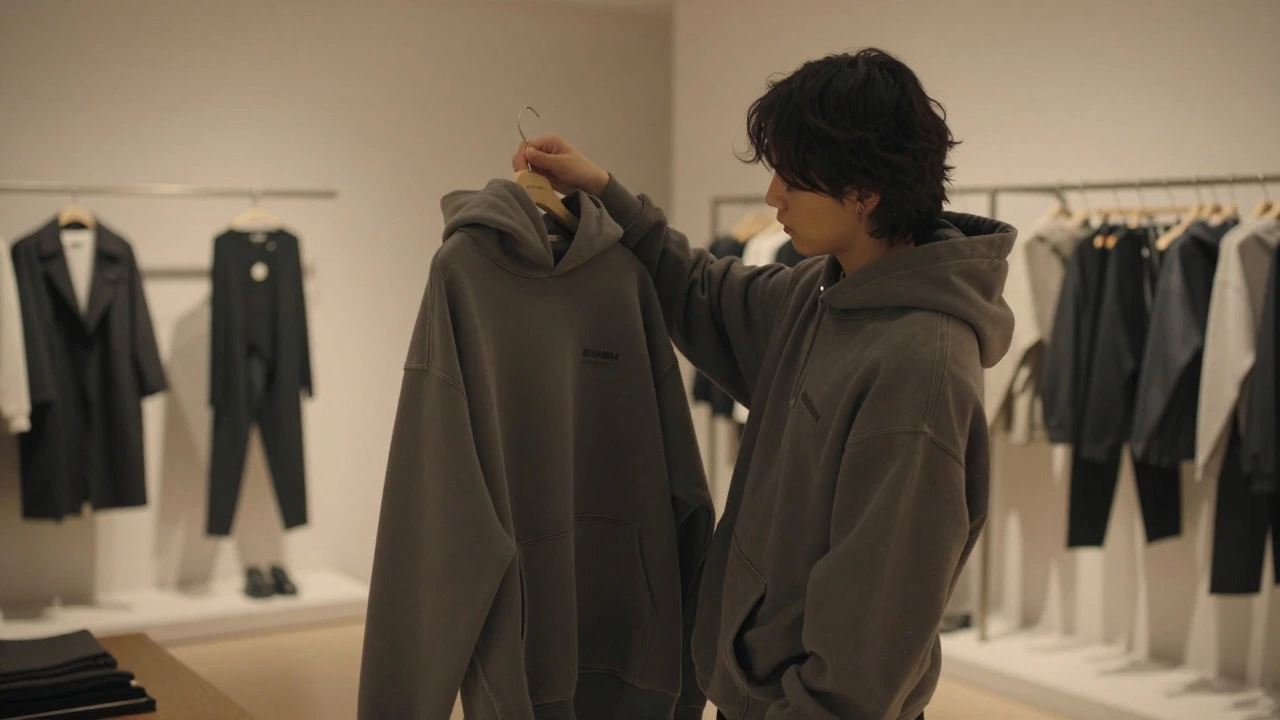
Walk into any high-end streetwear boutique or browse the latest drop from a premium brand, and you’ll see hoodies priced at $150, $200, even $300. Meanwhile, your local mall offers perfectly decent options for $40. The gap is massive. So, when you stand there holding that heavy, soft garment, asking yourself if it’s worth the extra cash, you aren’t just buying clothes-you’re making an investment decision.
The short answer? Sometimes yes, often no. It depends entirely on what you value: longevity, specific fabric feel, or just looking good in photos. Let’s break down exactly where that money goes and whether it ends up in your pocket through better performance or just vanishes into marketing budgets.
What Actually Makes a Hoodie Expensive?
Price tags don’t appear out of thin air. When you pay more for a premium hoodie, you are usually paying for three specific things: materials, construction, and brand equity.
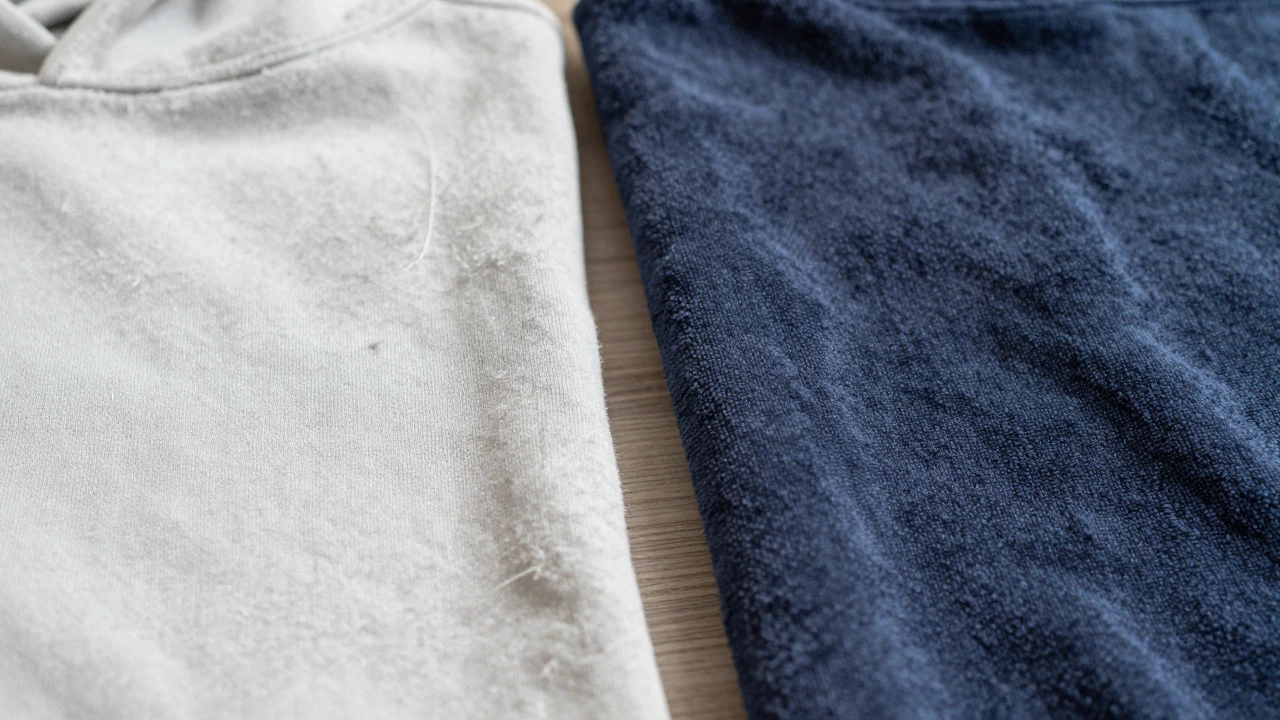
First, look at the fabric. Cheap hoodies use low-grade polyester blends or thin cotton that pills after three washes. High-end versions often use heavyweight French terry or long-staple organic cotton. These fabrics feel denser, hold their shape longer, and resist pilling. For example, a hoodie made with 400 GSM (grams per square meter) cotton will feel significantly warmer and more durable than one made with 250 GSM material.
Second, consider the construction. Mass-market hoodies are often cut from large rolls of fabric to minimize waste, meaning seams might not align perfectly. Premium brands frequently use "panelled" construction, cutting the front and back separately and sewing them together. This allows for a better fit around the shoulders and torso. They also reinforce stress points-like where the sleeves meet the body-with bar-tacking stitches that prevent ripping.
Third, there’s the brand markup. This is the tricky part. You might be paying $200 for a hoodie that costs $40 to make, simply because the logo carries cultural weight. If you care about the status symbol, that’s fine. But if you only care about warmth and comfort, that markup is pure waste.
The "Cost Per Wear" Math
To decide if an expensive hoodie is worth it, try using the "cost per wear" formula. Divide the price of the item by how many times you realistically expect to wear it before it looks worn out.
| Hoodie Type | Price | Expected Lifespan (Wears) | Cost Per Wear |
|---|---|---|---|
| Budget Fast Fashion | $30 | 20 wears (before pilling/fading) | $1.50 |
| Mid-Range Quality | $60 | 100 wears | $0.60 |
| Premium/Luxury | $180 | 300+ wears | $0.60 |
Notice something interesting? A mid-range hoodie often beats both the budget and luxury options in value. The budget option falls apart too quickly, while the luxury option doesn’t necessarily last *three* times longer than the mid-range one-it might last two times longer, but costs three times as much. The sweet spot for most people is usually in the $50-$80 range, where quality materials meet reasonable pricing.
Fabric Matters More Than Price
If you want to get away with paying less, learn to read the label. The type of cotton and the weave determine more about the hoodie’s performance than the brand name does.
- Cotton vs. Polyester: Pure cotton breathes better and feels softer against the skin. Polyester traps heat and can smell bad faster. Look for at least 80% cotton if you want natural comfort.
- GSM Weight: This stands for grams per square meter. A higher number means thicker fabric. Aim for 300 GSM or higher for a hoodie that feels substantial and warm. Anything under 250 GSM will likely feel flimsy and see-through.
- Knit Type: French terry has loops on the inside, providing insulation without bulk. Fleece-lined hoodies have brushed interiors for maximum warmth but can be hotter indoors.
A $50 hoodie with 350 GSM organic cotton will often outperform a $150 hoodie made with thin, synthetic-blend fabric. Don’t let the tag fool you; touch the material. Does it feel dense? Does the stitching look tight? Those physical cues matter more than the logo on the chest.
When Is It Worth Paying More?
There are specific scenarios where splurging makes sense. If you live in a cold climate like Toronto, where winters are harsh, investing in a well-insulated, wind-resistant hoodie pays off. A cheap hoodie won’t block the wind, leaving you shivering despite the layers.
Also, consider your laundry habits. If you throw everything in the dryer on high heat every week, even expensive hoodies will degrade. However, if you line-dry and wash gently, a high-quality garment can last five years or more. In this case, the initial higher cost is amortized over thousands of uses.
Finally, think about versatility. A neutral-colored, well-fitted hoodie from a reputable brand often pairs better with both jeans and chinos. It bridges the gap between casual and smart-casual. If you buy multiple cheap hoodies that all look sloppy, you end up spending more overall than if you bought one versatile, high-quality piece.
Red Flags: Signs You’re Overpaying
Not all expensive hoodies are created equal. Some brands charge premium prices for mediocre products. Watch out for these red flags:
- Thin Lining: If the inside feels scratchy or thin, the outer fabric probably isn’t great either.
- Loose Threads: Check the cuffs and hem. If they’re already unraveling in the store, they’ll fall apart at home.
- Synthetic Smell: New clothes should smell clean, not chemical. Strong odors indicate poor dyeing processes or low-quality synthetics.
- Excessive Branding: Huge logos often signal that the brand is selling hype, not quality. Subtle branding usually correlates with better focus on craftsmanship.
If you see these signs, put it back. There are plenty of mid-tier brands that prioritize function over flash.
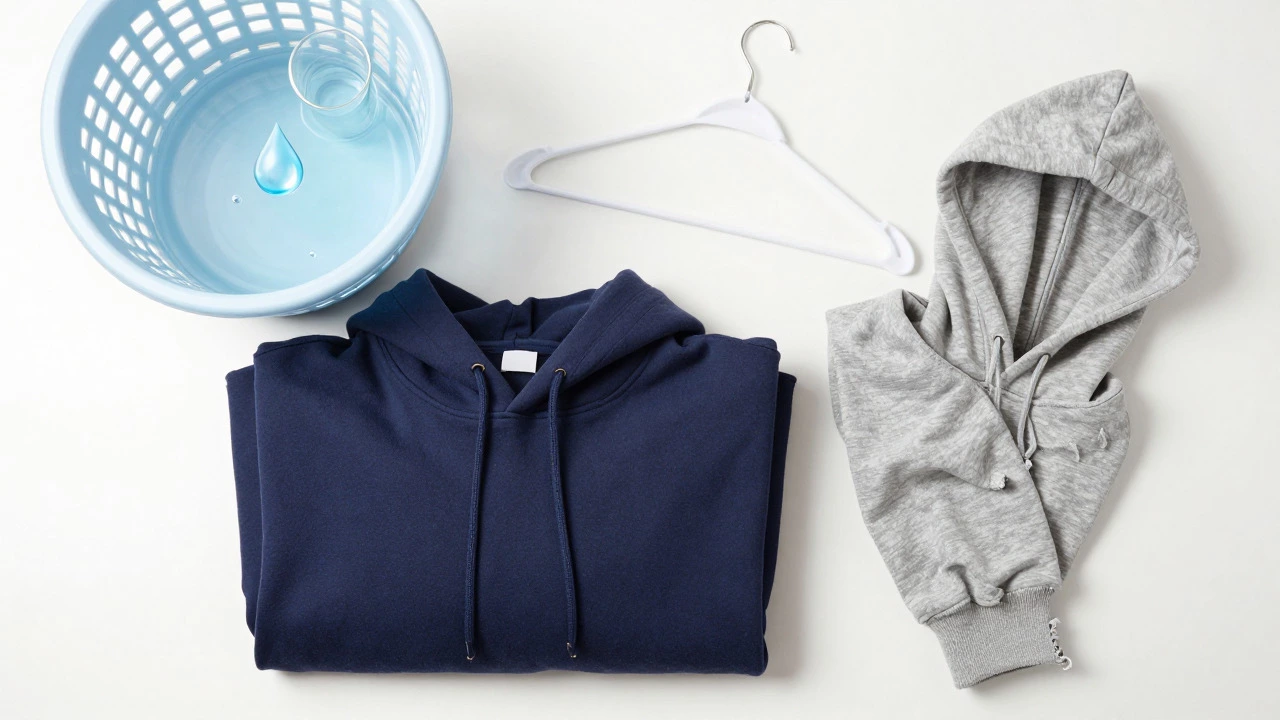
How to Care for Your Investment
Even the most expensive hoodie will fail if you treat it poorly. To extend its life, follow these simple rules:
- Wash Inside Out: This protects the outer surface from friction and fading.
- Cold Water Only: Hot water shrinks cotton and breaks down elastic fibers in the waistband and cuffs.
- Avoid the Dryer: Air drying preserves the shape and prevents shrinkage. If you must use a dryer, use the lowest heat setting.
- Don’t Overwash: Unless it’s visibly dirty or smells, you don’t need to wash it after every wear. Spot clean stains instead.
Treating your clothes with respect turns a $60 hoodie into a five-year staple. Neglect turns a $200 hoodie into a rag in six months.
Final Verdict: Buy Smart, Not Just Expensive
Expensive hoodies aren’t automatically better, but they offer potential benefits in durability, fit, and fabric quality. The key is to ignore the price tag initially and focus on the specs: weight, material composition, and construction. If a mid-range hoodie meets those criteria, buy it. If a luxury hoodie offers unique features you genuinely value, go for it. But never buy expensive just because it’s expensive.
Your wardrobe should serve you, not drain your wallet. Choose pieces that fit your lifestyle, climate, and budget. That’s the real secret to looking good without overspending.
What is the best fabric for a long-lasting hoodie?
Heavyweight cotton, specifically French terry or fleece-lined cotton with a GSM of 300 or higher, offers the best balance of durability, comfort, and warmth. Avoid high-polyester blends if you want natural breathability and reduced odor retention.
Do expensive hoodies keep their shape better?
Yes, generally. Premium hoodies use tighter weaves and reinforced stitching that resist stretching and sagging over time. However, proper care (cold washing, air drying) is equally important regardless of price.
Is it worth buying a $200 hoodie?
Only if you value specific brand aesthetics, exclusive designs, or exceptional craftsmanship that mid-range brands don't offer. For pure functionality and warmth, a $60-$80 hoodie often provides better value.
How can I tell if a hoodie is high quality before buying?
Check the GSM weight (aim for 300+), inspect the stitching for tightness and bar-tacking at stress points, feel the fabric density, and ensure the lining is smooth and thick. Avoid loose threads and excessive synthetic smells.
Should I size up or down in expensive hoodies?
It depends on the brand's fit guide. Luxury streetwear often runs oversized intentionally. Always check the specific size chart and read reviews regarding fit. When in doubt, stick to your usual size unless the brand explicitly states otherwise.