Leather shoes are classic. They look sharp, feel durable, and last for years if treated right. But they’re not magic. You can’t wear them everywhere, and doing so will ruin them fast - or make you look out of place. Here’s the straight-up truth about when to skip leather shoes and why.
On rainy days or in wet conditions
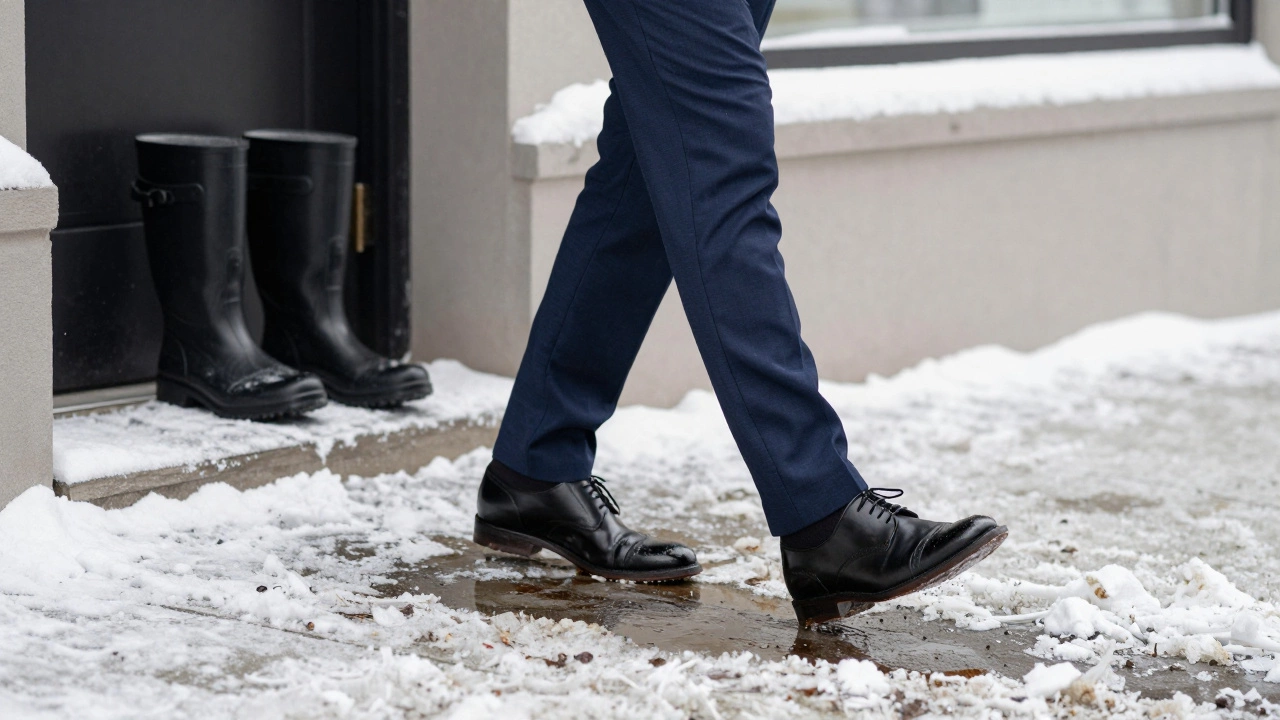
Leather isn’t waterproof. Even the best oxfords or loafers will soak up water if you walk through puddles, snow, or heavy rain. The leather swells, the glue weakens, and the soles start to separate. After a few wet days, your shoes warp, crack, or smell like a damp basement. I’ve seen people in Toronto show up to work in polished derbies during a March snowstorm. By lunchtime, their shoes were stiff, stained, and ruined. If it’s wet out, wear rubber-soled boots, water-resistant sneakers, or shoes labeled as waterproof. Leather shoes belong indoors or on dry sidewalks.
During physical activity or heavy exercise
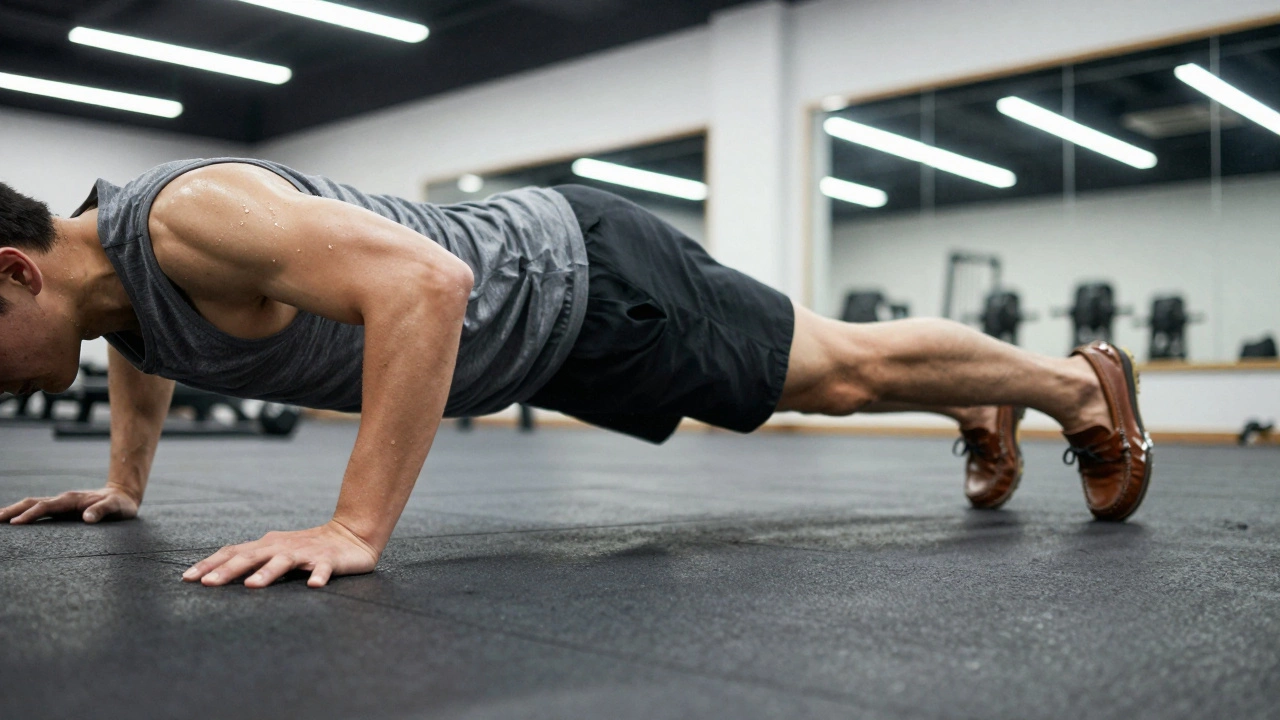
Leather shoes are stiff. They don’t flex. They don’t cushion. They don’t breathe well under stress. If you’re hiking, running, playing basketball, or even doing yard work, leather shoes are a bad call. Your feet will sweat, blister, or ache. Your ankles won’t get the support they need. You’ll feel every rock, root, or uneven patch of pavement. I’ve watched people try to do push-ups in dress shoes at a gym - they couldn’t even get into position without slipping. For any activity that gets your heart rate up or your feet moving fast, go with athletic shoes designed for movement. Leather shoes are for standing, walking, or sitting - not for sprinting or jumping.
In beach or sandy environments
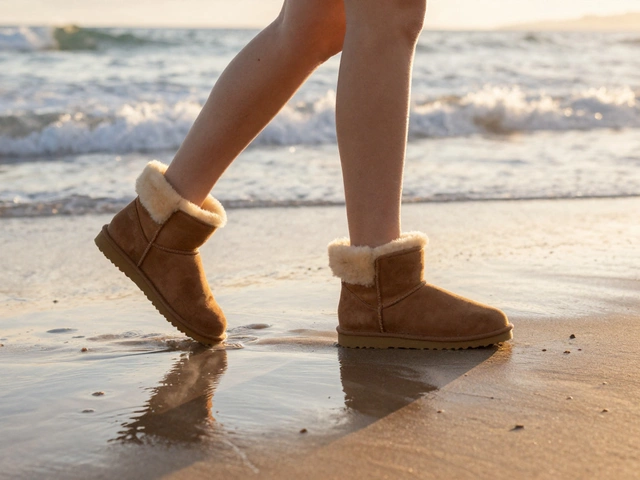
Sand is abrasive. It grinds into the leather, scratches the finish, and gets stuck in the stitching. One walk on the beach with leather shoes and you’ll have grit embedded in the soles. By the third day, the leather starts to fray. The color fades. The lining gets gritty and uncomfortable. Even if you wipe them off, the damage is done. Saltwater makes it worse - it dries out the leather and leaves white crusts. If you’re heading to the shore, wear flip-flops, sandals, or water shoes. Save your leather shoes for after you’ve washed off the sand and dried off.
When comfort or safety is more important than style
Some situations demand function over fashion. If you’re working on a construction site, moving furniture, or standing for 8 hours in a warehouse, leather shoes won’t cut it. They lack slip resistance, steel toes, or shock absorption. Same goes for hospitals, labs, or kitchens - places where spills are common. A leather sole on a wet tile floor? That’s a fall waiting to happen. In these cases, safety boots, non-slip shoes, or closed-toe clogs are the real winners. No one cares how classy your shoes look if you’re on crutches because you slipped. Prioritize safety. Always.
With athletic or casual outfits
Leather shoes don’t mix with everything. Pairing polished oxfords with ripped jeans and a hoodie? That’s a mismatch. Wearing brogues with gym shorts? Looks forced. Leather shoes are designed to go with tailored pants, chinos, or dresses. They’re not meant to be part of streetwear or sporty looks. When you try to force them into casual outfits, you end up looking like you’re trying too hard. The contrast feels off. People notice. It’s not about being trendy - it’s about harmony. If your outfit is relaxed, go with canvas sneakers, slip-ons, or boots that match the vibe. Let leather shoes shine where they belong: in clean, polished settings.
In extreme heat or humid climates
Leather traps heat. It doesn’t breathe like mesh or canvas. In places like Florida, Arizona, or even Toronto in July, wearing leather shoes can turn your feet into sweaty saunas. You’ll get blisters, odor, and fungal infections. The leather itself can dry out and crack in constant heat. I’ve met people who wore black leather loafers all summer and ended up with cracked heels and a foot rash. If you live in a hot climate, switch to breathable materials during summer months. Loafers made of suede or open-toe sandals are better options. Leather shoes are seasonal - not year-round gear.
When you’re around water or chemicals
Swimming pools, hot tubs, cleaning chemicals, or even bleach wipes can damage leather. Chlorine eats away at the finish. Detergents dry out the oils. Even a splash from a sink can leave a stain. If you’re cleaning your kitchen, mopping floors, or working with solvents, leather shoes are a liability. The chemicals break down the tanning agents and leave the leather brittle. One spill can cost you $200 in shoes. Always change into old sneakers or rubber slippers for chores like this. Leather shoes are for the office, the restaurant, or the meeting - not the cleaning closet.
When the shoes are already worn out
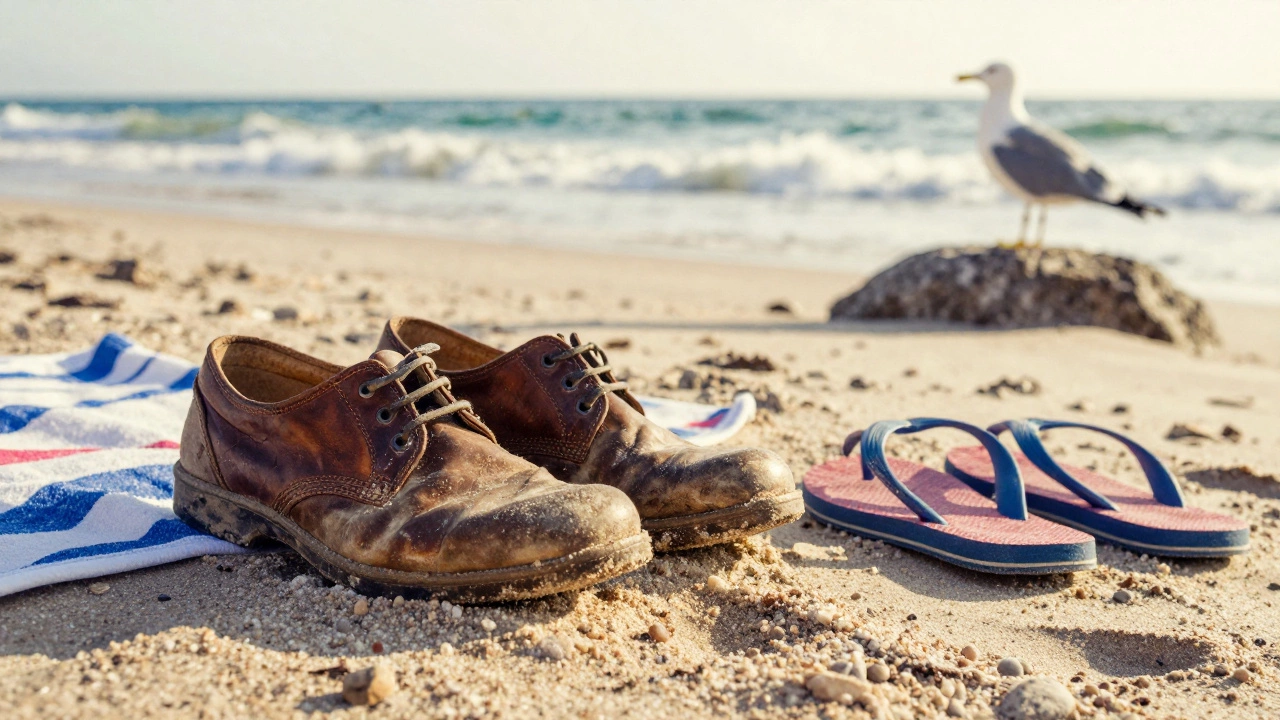
Even the best leather shoes have a lifespan. If the soles are smooth, the heels are uneven, or the leather is cracked and stiff, they’re past their prime. Wearing damaged leather shoes isn’t stylish - it’s sloppy. People notice when the edges are fraying or the toes are bulging. It says you don’t care. A worn-out pair can also cause posture problems or foot pain. If your shoes are more than 5 years old and show signs of heavy wear, it’s time to replace them. Don’t wait until they fall apart. Repair them if you can - but if they’re beyond saving, let them go.
How to tell if leather shoes are right for the occasion
Ask yourself three simple questions before putting them on:
- Will I be standing, walking, or sitting? - If yes, leather works.
- Will I be sweating, getting wet, or moving fast? - If yes, skip them.
- Do my shoes match the environment? - If they look out of place, they are.
Leather shoes aren’t bad. They’re just not universal. They’re like a suit - perfect for a job interview, a wedding, or a dinner out. But you wouldn’t wear a suit to the gym. Same logic applies here.
What to wear instead
When leather shoes aren’t the answer, here are better choices:
- For rain: Waterproof boots with rubber soles
- For exercise: Running shoes or cross-trainers
- For beaches: Sandals or water shoes
- For work sites: Steel-toe safety boots
- For casual outfits: Canvas sneakers or slip-on loafers
- For heat: Breathable mesh shoes or suede loafers
- For chores: Rubber clogs or old sneakers
Having a few pairs of shoes for different situations isn’t overkill - it’s smart. Leather shoes are an investment. Treat them like one. Protect them. Use them wisely. They’ll last longer and look better.
Can I wear leather shoes in the snow?
No. Snow melts into water, and leather absorbs it. This causes cracking, staining, and glue failure. If you must walk in snow, wear waterproof boots with insulated lining. Leather shoes aren’t built for freezing conditions.
Are leather shoes okay for walking all day?
Only if they’re broken in and have good arch support. New leather shoes can cause blisters if worn for long walks. If you plan to walk 5+ miles in a day, choose shoes with cushioned soles or switch to walking shoes. Leather alone doesn’t provide shock absorption.
How often should I condition leather shoes?
Every 4-6 weeks if you wear them regularly. Conditioning keeps the leather soft and prevents cracking. Use a natural wax-based conditioner. Don’t overdo it - too much product can clog the pores. If you live in a dry climate, condition more often.
Can I wear leather shoes with socks?
Yes - and you should. Barefoot wear in leather shoes causes sweat buildup and odor. Thin, moisture-wicking socks help absorb sweat and prevent rubbing. Avoid thick athletic socks unless you’re wearing boots. For dress shoes, go with no-show or ankle socks in neutral colors.
Do leather shoes need to be broken in?
Yes. Most leather shoes need 1-2 weeks of light wear to mold to your foot. Wear them around the house for short periods first. Use shoe stretchers or wear thick socks to help stretch tight areas. Skipping this step leads to blisters and discomfort.