Summer Dress Verifier
Stop guessing. Input the specifications of your potential purchase to see if it passes the physics test for hot weather comfort.
You know that feeling. You’re standing in front of your closet in July, sweating before you’ve even left the house, holding up a cute floral number that looks great on the hanger but feels like wearing a plastic bag when you put it on. Why does one dress feel like a breeze while another feels like a trap? It’s not just about the print or the length. Summer dress is defined by specific physical properties: breathability, weight, and thermal regulation. If a garment doesn’t manage heat and moisture effectively, it isn’t truly a summer dress, no matter how seasonal it looks.
Most people think "summer" means short sleeves and bright colors. That’s a marketing myth. A long-sleeved linen shirt-dress can be cooler than a synthetic mini-dress. The difference lies in the physics of fabric and the engineering of the cut. Let’s break down exactly what separates a genuine summer staple from a hot-weather mistake.
The Fabric Test: Breathability Over Branding
Fabric is the engine of a summer dress. If the material traps heat, you’ll overheat regardless of the design. Natural fibers dominate here because they allow air to circulate and sweat to evaporate. Cotton is the most common choice for good reason. It’s absorbent, soft, and lets air pass through its weave. However, not all cotton is equal. A heavy denim jacket is cotton, but you wouldn’t wear it at a beach party. Look for lightweight weaves like poplin, voile, or lawn. These are thin enough to let sunlight hit your skin (in a good way) but opaque enough to keep you covered.
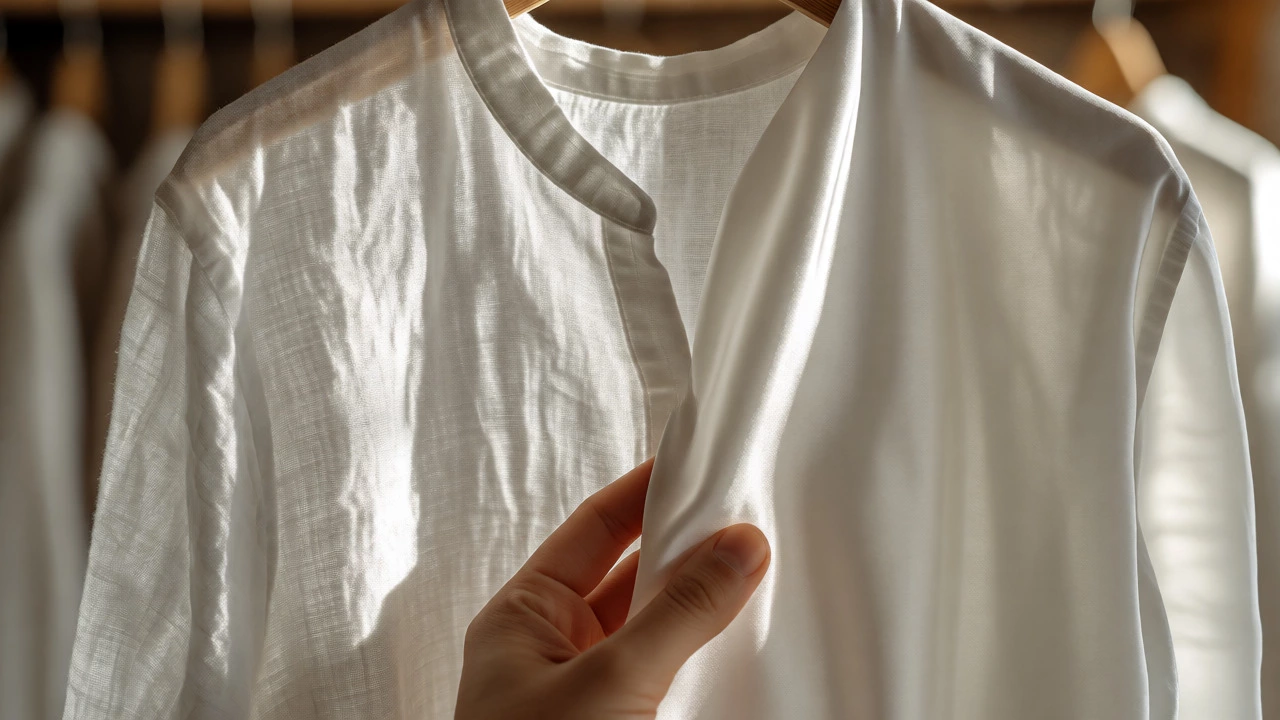
Linen is the king of hot climates. It has a hollow fiber structure that acts as a natural insulator against heat, keeping you cooler than cotton in high humidity. Yes, it wrinkles. Embrace it. Wrinkles are proof you’re wearing something real and breathable, not a polyester blend that melts onto your back when the temperature hits 30°C (86°F).
Silk is tricky. Pure silk is breathable and cool to the touch, making it excellent for evening summer events. But cheap silk blends often use synthetic backing that defeats the purpose. Rayon and viscose are semi-synthetic options derived from wood pulp. They drape beautifully and breathe better than polyester, but they lose strength when wet. If you plan on swimming or getting caught in a sudden Toronto thunderstorm, stick to cotton or linen.
| Fabric Type | Breathability | Moisture Wicking | Best Use Case |
|---|---|---|---|
| Linen | High | Excellent | Daytime casual, humid days |
| Cotton (Lightweight) | Medium-High | Good | Everyday wear, office settings |
| Silk (Pure) | High | Moderate | Evening events, dry heat |
| Polyester Blends | Low | Poor | Avoid unless technical sportswear |
The Cut and Silhouette: Airflow Engineering
Once you have the right fabric, the shape matters. A tight-fitting dress made of perfect linen will still make you sweat if it clings to your skin. The key concept here is airflow. You want a silhouette that creates a micro-climate between the fabric and your body. This is where terms like "A-line," "shift," and "empire waist" become functional descriptions, not just fashion jargon.
An A-line dress flares out from the waist, allowing hot air to rise and escape. A shift dress hangs straight from the shoulders, never touching the hips or thighs, which prevents chafing and sticking. Empire waists, where the seam sits just under the bust, leave the torso loose. This design isn’t just flattering; it’s thermodynamic. It allows convection currents to move air across your skin.
Consider the neckline and sleeve length. High necklines aren’t forbidden in summer, provided the fabric is light and the fit is loose. A crew neck with short sleeves can be cooler than a strapless dress if the strapless one is made of thick, non-breathable material. Conversely, halter necks expose the shoulders and upper back, areas where heat escapes easily. Just ensure the straps don’t dig in, creating pressure points that block circulation.

Weight and Opacity: The Invisible Factors
GSM (grams per square meter) measures fabric weight. For a true summer dress, you’re looking for low GSM numbers-typically under 150 gsm for woven fabrics. Anything heavier starts to feel substantial and retains heat. Check the tag or ask the retailer. If the shop assistant says, "It’s a bit thick," believe them. Thick fabric equals trapped heat.
Opacity is another sneaky issue. Sheer fabrics look airy but often require a lining. If that lining is polyester, you’ve just created a greenhouse effect. Double-layered cotton is fine. Cotton outer with polyester inner is a disaster. Always check the inside of the dress. If there’s a slip, make sure it’s removable or made of a natural fiber. Otherwise, you might as well be wearing two layers of winter gear.
Color Theory: Absorption vs. Reflection
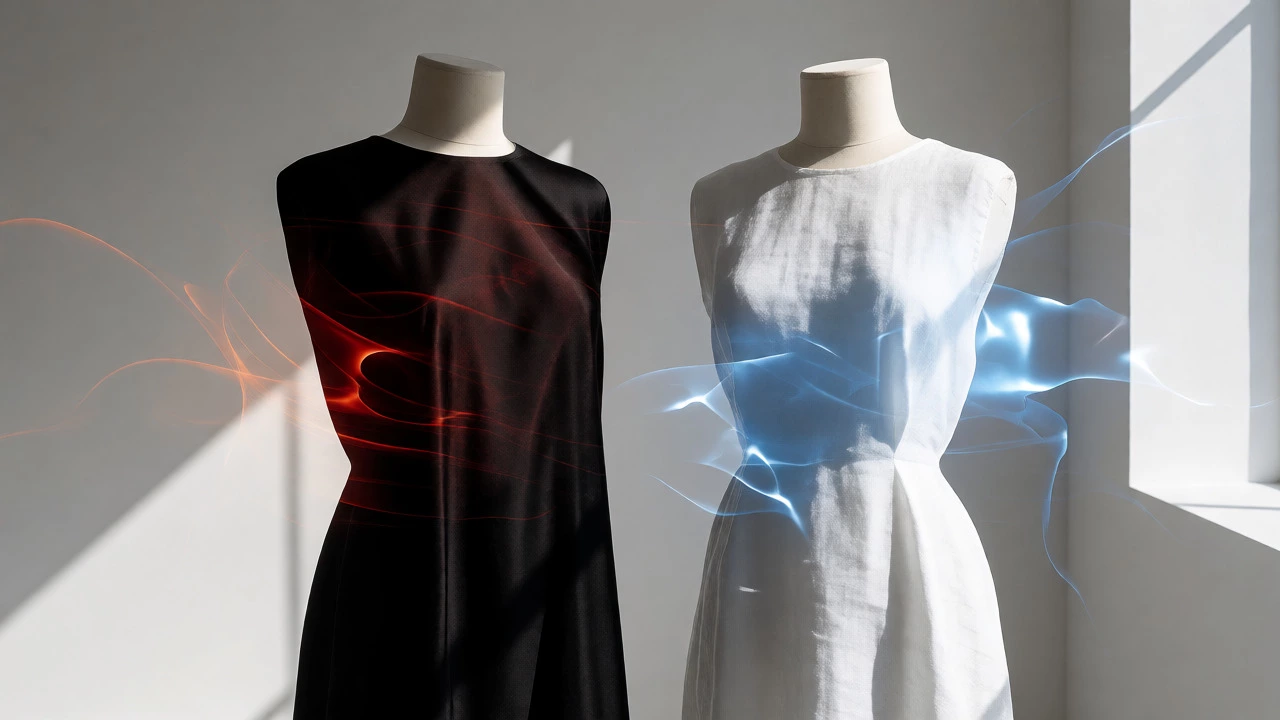
We’ve all heard "wear white in summer." There’s science behind this. Dark colors absorb solar radiation, converting light into heat. White reflects it. Black absorbs almost all visible light wavelengths, heating up quickly. Pastels and neutrals reflect more energy, keeping the fabric surface cooler.
However, this rule has limits. In direct, intense sun, white can glare and cause eye strain, while black provides UV protection. If you’re spending hours outdoors, a dark color with a loose cut and breathable fabric might actually protect your skin better than a sheer white dress that offers zero UV shielding. Balance is key. Choose colors based on your activity level and sun exposure duration, not just tradition.
Versatility and Care: Real-World Practicality
A summer dress needs to survive real life. Can it handle a picnic stain? Does it wrinkle after sitting on a bus seat? Linen wrinkles, but it looks intentional. Cotton wrinkles too, but less gracefully. Synthetic blends resist wrinkles but trap sweat. Consider your lifestyle. If you commute via public transit in Toronto, a dress that requires immediate ironing might not be practical. Look for crease-resistant cotton blends or wash-and-wear linens.
Also, consider transition pieces. Summer nights get chilly, especially in northern climates. A dress that pairs easily with a light cardigan or denim jacket extends its usability. This makes it a smarter investment than a piece you can only wear during peak afternoon heat.
Common Pitfalls to Avoid
Don’t fall for the "breathable" label without checking the composition. Marketing teams love vague terms. Always read the care tag. If it says "95% Polyester, 5% Elastane," run away. Elastane adds stretch, which is nice, but polyester blocks airflow. You want at least 80% natural fiber content for optimal comfort.
Avoid excessive embellishments. Beads, sequins, and heavy embroidery add weight and reduce breathability. They also create hot spots against the skin. Keep decorations minimal and placed away from high-sweat zones like the underarms and back.
Finally, ignore trends that prioritize aesthetics over function. Low-cut backs look great but can lead to sunburn and discomfort if the bra straps show or slide. Choose designs that respect your need for support and coverage without sacrificing airflow.
Is linen always better than cotton for summer?
Not always. Linen is more breathable and dries faster, making it superior for high humidity. However, cotton is softer and less prone to severe wrinkling. For sensitive skin, high-quality cotton may be more comfortable despite being slightly less breathable than linen.
Can I wear polyester in summer if it's labeled 'moisture-wicking'?
Generally, no. Technical moisture-wicking polyesters work well for sports because they pull sweat away from the skin quickly. For everyday dresses, standard polyester tends to hold odors and feel clammy once saturated. Stick to natural fibers unless the garment is specifically designed for athletic performance.
Why do my summer dresses smell bad faster than other clothes?
Synthetic fabrics like polyester and nylon trap bacteria and oils against the skin. Because they don't absorb moisture, the sweat stays on the surface, creating a breeding ground for odor-causing microbes. Natural fibers like cotton and wool absorb sweat and release it slowly, reducing bacterial growth.
Does a lighter color really keep me cooler?
Yes, physically speaking. Light colors reflect more solar radiation, while dark colors absorb it. However, the effect is minimized if the dress is loose and made of highly breathable fabric, as convective cooling (air moving past the skin) plays a larger role than radiative heating in many scenarios.
How should I care for linen summer dresses?
Wash in cold water on a gentle cycle to prevent shrinkage. Line dry to maintain shape and avoid stiffness from dryer heat. Iron while damp for best results, or embrace the natural wrinkles for a relaxed look. Store loosely to prevent deep creases.