Interactive Jacket History Timeline & Quiz
Prehistoric Origins
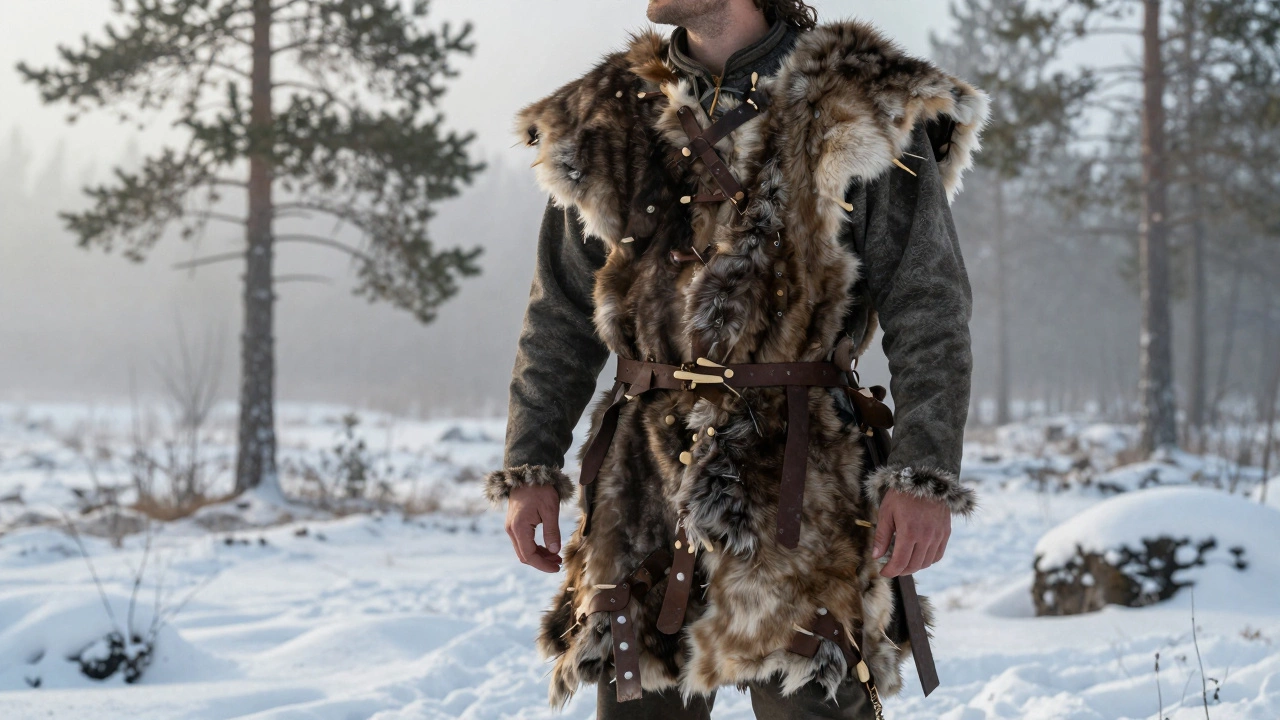
~30,000 BCType: Fur Cloak / Animal Skin
The earliest protective garments made from reindeer or bison hides, secured with bone needles.
Pure utility for warmth and protection.
Military Influence
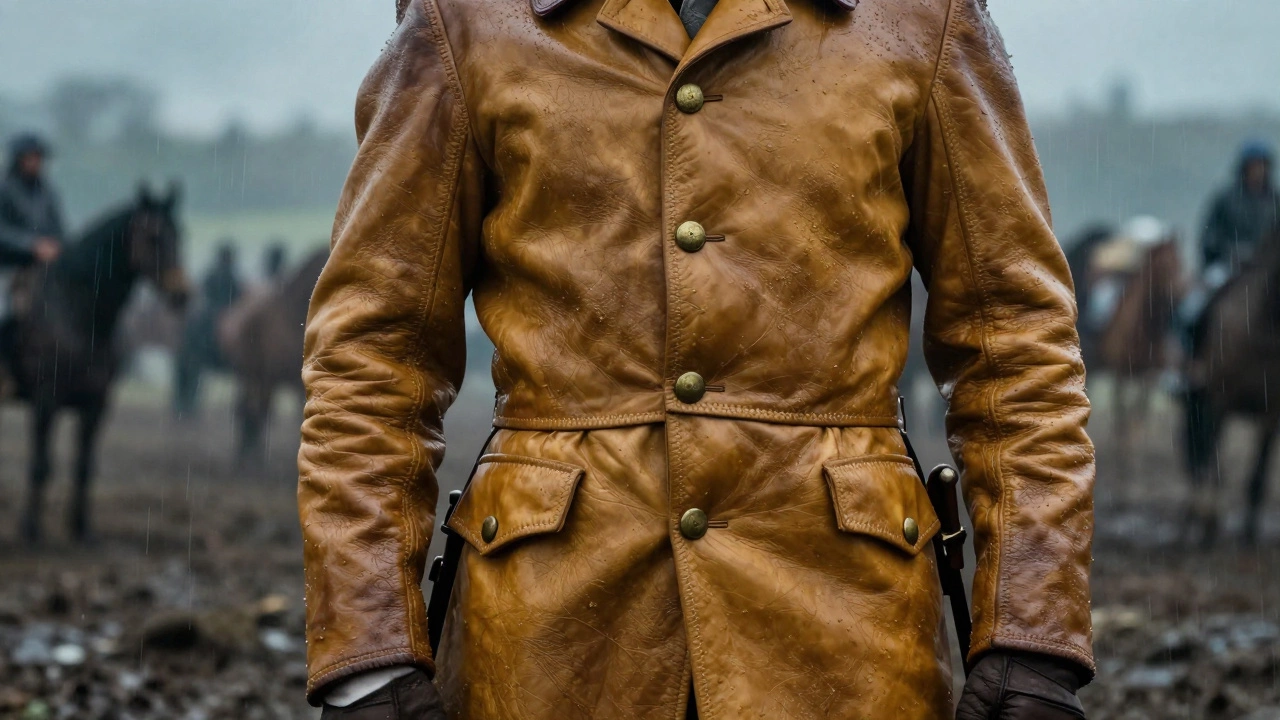
16th–17th CenturyType: Buff Coat / Jerkin
Thick, water-resistant tanned ox hide coats worn by cavalrymen for armor against swords and weather.
Durability and minor injury protection.
Nautical Evolution
18th CenturyType: Peacoat
Originally designed for sailors, featuring a double-breasted design and heavy wool for wind resistance.
Compact size for movement on deck.
Industrial & WWI
19th CenturyType: Trench Coat
Developed for British officers using waterproof cotton gabardine, epaulettes, and a belted waist.
Waterproof fabric innovation.
Subculture Icons
20th CenturyType: Leather Jacket
Evolved from pilot flight jackets in the 1920s to symbols of rebellion and motorcycle clubs.
Cultural symbolism and cowhide durability.
Modern Technology
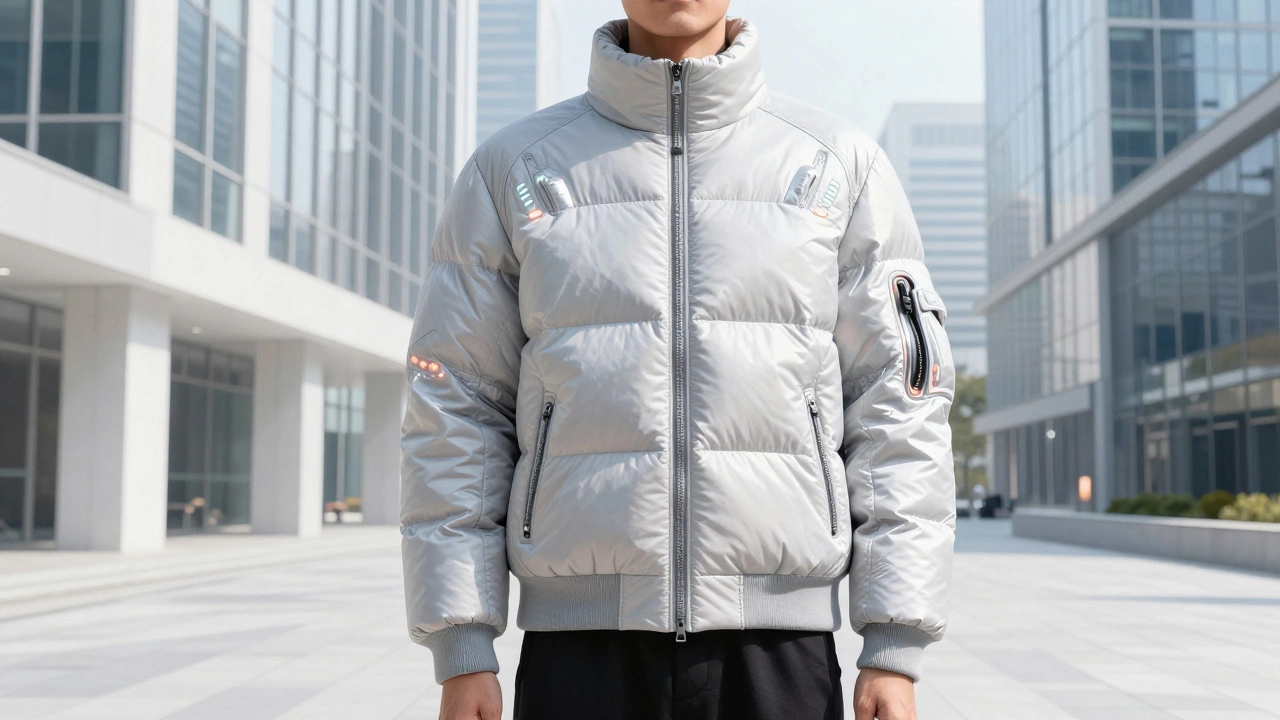
21st CenturyType: Puffer / Heated Jacket
Lightweight synthetic insulation, eco-friendly recycled materials, and battery-powered heating elements.
Breathability and smart tech integration.
It’s easy to assume that jackets are a modern invention, perhaps born out of the industrial revolution or even the 20th-century fashion boom. But if you look back far enough, you’ll find that the concept of a short, protective upper-body garment is nearly as old as clothing itself. The question isn’t just about when the first jacket was sewn; it’s about how human survival needs shaped the way we dress our torsos.
The history of the jacket is a story of adaptation. It began as pure utility-protection against wind, rain, and cold-and evolved into one of the most versatile pieces in any wardrobe. From the fur cloaks of early humans to the tailored blazers of today, every era left its mark on this essential garment. Let’s trace the path of how we got here.
The Prehistoric Origins: Protection First
Long before there were factories or sewing machines, early humans needed protection from harsh elements. Archaeological evidence suggests that as early as 30,000 BC, people in Europe and Asia were wearing garments made from animal skins. These weren’t “jackets” in the modern sense, but they served the same function: covering the torso and arms while allowing mobility for hunting and gathering.
In colder regions, these garments were often crafted from reindeer or bison hides. They were likely secured with leather strips or bone needles, which have been found at archaeological sites like Dolní Věstonice in the Czech Republic. While primitive, these early outer layers established the basic principle of the jacket: a separate piece of clothing worn over other garments for added warmth and durability.
Ancient Civilizations and the Birth of Structure
As societies became more complex, so did their clothing. In Ancient Egypt, around 3000 BC, artisans began creating linen tunics and cloaks. While not exactly jackets, these layered garments introduced the idea of distinct upper-body wear. However, it was in the colder climates of Northern Europe and Asia where true jacket-like structures emerged.
The Vikings, for instance, wore woolen tunics and leather jerkins. A jerkin is essentially a sleeveless or short-sleeved jacket, designed to protect the body without restricting arm movement. By the Middle Ages, the term “jerkin” had become common in English, referring to a tight-fitting, usually sleeveless garment made of leather or heavy cloth. This was a direct ancestor of the modern vest or waistcoat.
The Military Influence: Uniforms and Function
If there’s one force that has consistently driven innovation in outerwear, it’s the military. Wars require practical, durable clothing that can withstand rough conditions. During the 16th and 17th centuries, European armies began standardizing uniforms, including doublets and buff coats. These were structured garments that protected soldiers from both weather and minor injuries.
The buff coat, made from tanned ox hide, was particularly popular among cavalrymen. It was thick, water-resistant, and offered some protection against sword slashes. Over time, these military garments influenced civilian fashion. As wars ended, soldiers brought home their sturdy coats, which were then adapted by tailors for everyday use.
The 18th Century: Fashion Takes Center Stage
By the 1700s, jackets had transitioned from purely functional items to symbols of status and style. The frock coat and tailcoat became staples of men’s formal wear. These long, fitted coats were made from fine wool or silk and featured intricate tailoring techniques. They were expensive and reserved for the upper class, highlighting the growing divide between utilitarian workwear and fashionable attire.
However, not all jackets were high fashion. Laborers and farmers continued to wear simpler, more rugged versions. The peacoat, originally worn by sailors in the late 18th century, is a perfect example. Made from heavy wool and featuring a double-breasted design, it provided warmth and wind resistance for those working at sea. Its compact size allowed for easier movement on deck compared to longer coats.
The Industrial Revolution and Mass Production
The Industrial Revolution changed everything. With the invention of the sewing machine in the mid-19th century, producing jackets became faster and cheaper. This democratized access to quality outerwear, making it available to the middle and working classes for the first time.
New materials also entered the market. Cotton became widely used for lighter jackets, while synthetic fibers would later revolutionize the industry. The trench coat, developed during World War I, is a notable product of this era. Originally designed for British officers, it featured waterproof fabric, epaulettes, and a belted waist. After the war, it crossed over into civilian fashion, becoming a timeless classic.
20th Century: Diversity and Subcultures
The 1900s saw an explosion in jacket styles, each reflecting different cultural movements. The leather jacket, for example, gained prominence in the 1920s when pilots adopted them for warmth and protection. Later, it became associated with motorcycle clubs and rebellious youth culture, thanks in part to films like *The Wild One* (1953).
Meanwhile, the denim jacket emerged from workwear roots. Originally created by Levi Strauss in the late 19th century, denim shirts and jackets were built for durability. By the 1950s, they had become symbols of American casual style, embraced by teenagers and Hollywood stars alike.
Sportswear also played a role. The windbreaker and puffer jacket were developed to provide lightweight insulation and weather protection. These innovations made outdoor activities more accessible, leading to the rise of hiking, skiing, and camping as popular hobbies.
Modern Innovations: Technology Meets Style
Today, jackets are smarter than ever. Advances in textile technology have led to fabrics that are breathable, water-resistant, and incredibly lightweight. Brands like Patagonia and North Face have pioneered eco-friendly materials, using recycled plastics and organic cotton to reduce environmental impact.
Heated jackets, once a novelty, are now mainstream. Powered by rechargeable batteries, they offer adjustable warmth for commuters and outdoor enthusiasts. Meanwhile, fashion designers continue to experiment with silhouettes, blending traditional tailoring with avant-garde aesthetics. The jacket remains a canvas for creativity, whether it’s a sleek bomber jacket or a structured blazer.
| Century | Jacket Type | Primary Use | Key Material |
|---|---|---|---|
| Prehistoric | Fur Cloak | Warmth & Protection | Animal Hide |
| 16th-17th C. | Buff Coat | Military Armor | Tanned Leather |
| 18th C. | Peacoat | Nautical Wear | Heavy Wool |
| 19th C. | Trench Coat | WWI Officer Gear | Cotton Gabardine |
| 20th C. | Leather Jacket | Pilot/Civilian Fashion | Cowhide |
| 21st C. | Puffer Jacket | Outdoor Sports | Synthetic Insulation |
Why the Jacket Endures
The jacket’s longevity lies in its adaptability. It can be dressed up or down, suited for extreme weather or mild breezes. Whether you’re commuting in a city or trekking through mountains, there’s a jacket designed for your needs. This versatility ensures that no matter how fashion trends shift, the jacket will always have a place in our closets.
From the earliest animal skins to today’s tech-infused designs, the journey of the jacket mirrors human progress. It’s a testament to our ingenuity and our enduring need for comfort and protection. So next time you zip up your favorite jacket, remember: you’re wearing a piece of history.
When were the first jackets invented?
The earliest forms of jackets date back to prehistoric times, around 30,000 BC, when humans wore animal skins for protection. Structured jackets resembling modern designs emerged in the 16th and 17th centuries with military uniforms.
Who invented the leather jacket?
While no single person invented the leather jacket, Beryl Goldsmith and his brother Arthur founded Schott Brothers in 1913, creating the first flight jackets for pilots. This laid the groundwork for the iconic leather jacket style.
What is the oldest type of jacket still worn today?
The peacoat, originating in the late 18th century for naval use, is one of the oldest jacket styles still in fashion. Its simple, durable design has remained popular for over two centuries.
How did jackets evolve from military to civilian use?
Military jackets like the trench coat and buff coat were adopted by civilians after wars ended. Their practical features, such as durability and weather resistance, made them appealing for everyday wear.
Are modern jackets environmentally friendly?
Many modern brands now produce eco-friendly jackets using recycled materials and sustainable practices. However, traditional synthetic jackets can still contribute to pollution if not disposed of properly.