Summer Color Comfort Calculator
Select a color and fabric combination to see how it performs in summer conditions.
Comfort Analysis
It’s July in Toronto, and the humidity is already clinging to your skin like a second layer. You step outside, and the pavement radiates heat back up at you. Your outfit feels heavy, hot, and suddenly very wrong. You didn’t just pick the wrong fabric-you might have picked the wrong color.
We’ve all heard the old rule: wear white in summer, avoid black. It makes intuitive sense. White reflects light; black absorbs it. But if you’ve ever worn a crisp white linen shirt on a scorching day and still felt like you were baking, you know the truth is messier. Color isn’t just about aesthetics. It’s physics. It’s thermodynamics. And getting it right can mean the difference between walking around comfortable or feeling like you’re carrying a radiator on your back.
The Physics of Heat: Why Color Actually Matters
To understand which color keeps you coolest, we need to look at how sunlight interacts with fabric. Sunlight contains visible light, ultraviolet (UV) rays, and infrared radiation. The visible part is what we see as color. The infrared part is what we feel as heat.
Absorption is the process by which a material takes in energy from light waves rather than reflecting them. When dark colors like black, navy, or deep red hit your skin, they absorb most of the visible spectrum. That absorbed energy doesn’t disappear-it converts into heat. A black t-shirt can be several degrees hotter than a white one under direct sun.
But here’s where it gets tricky. If absorption is bad, why do Bedouins in desert climates often wear black robes? Because context changes everything. In dry, windy environments, black garments can create a microclimate. They absorb heat but also promote convection-air flows through the loose fabric, carrying heat away from the body faster than the air around it. In humid cities like Toronto, though, that airflow advantage disappears. Humidity traps heat against your skin. So while black might work in the Sahara, it’s a trap in July in Canada.
For most urban summer settings, lighter colors win because they reflect more solar energy. White, cream, pastels, and light grays bounce sunlight away before it turns into heat. But “coolest” isn’t just about temperature. It’s also about UV protection, breathability, and how long you’ll stay comfortable.
Beyond Black and White: The Real Winners
If white is the gold standard for heat reflection, does that mean you should only wear monochrome? Hardly. Fashion suffers when we ignore nuance. Several colors strike an excellent balance between style, heat management, and practicality.
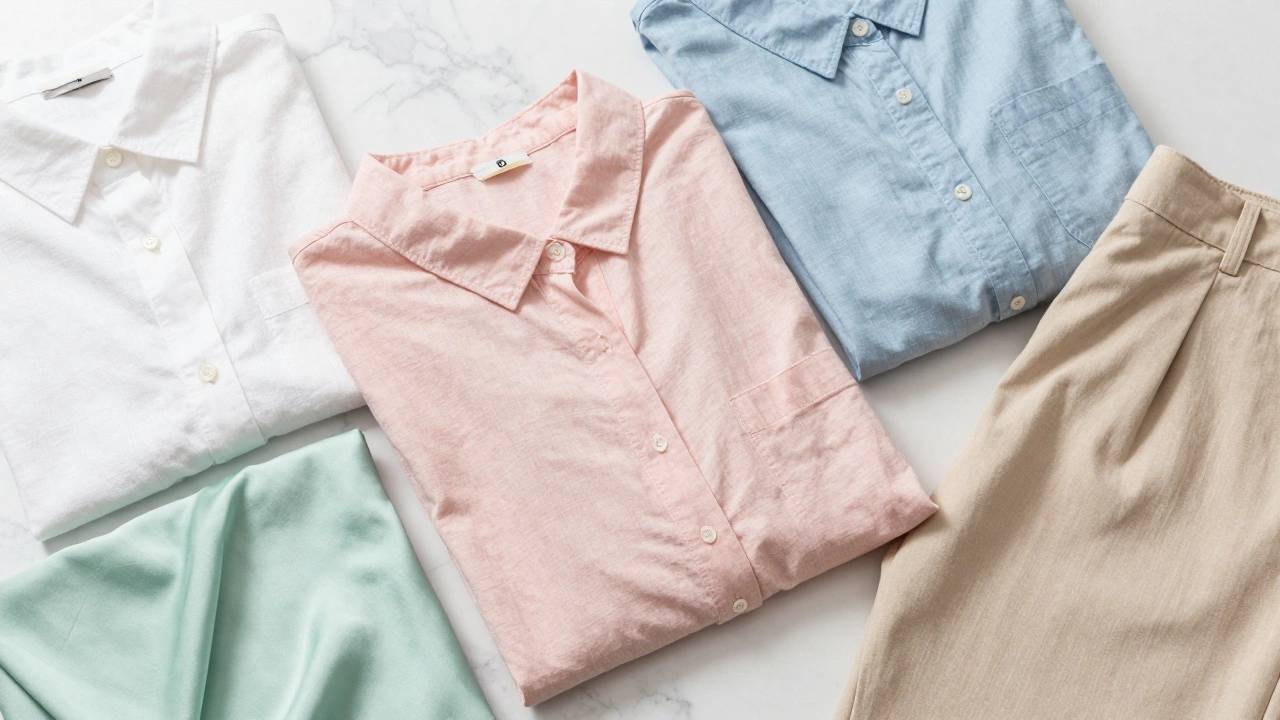
- Pastel Pink: Soft pink reflects most visible light while absorbing less UV than pure white. Studies show pastel shades offer nearly the same cooling effect as white but with better stain resistance and visual warmth.
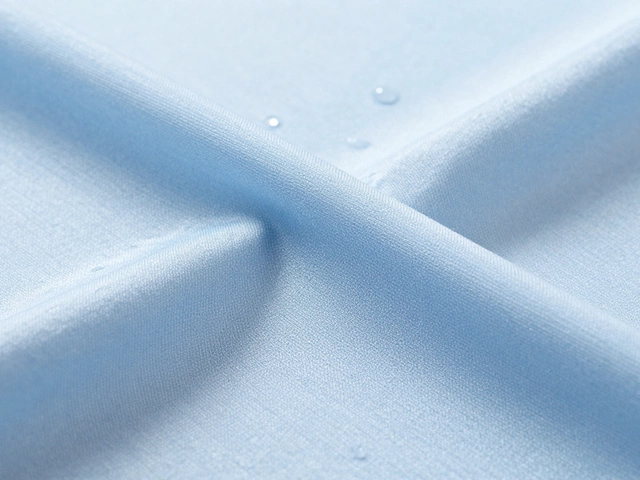
- Light Blue: Sky blue mirrors the sky itself, reflecting both visible and some infrared radiation. It’s psychologically calming too-your brain associates it with coolness, which subtly lowers perceived temperature.
- Mint Green: This shade sits between green and blue on the spectrum, offering strong reflectivity without looking sterile. It pairs well with earth tones and works across casual and semi-formal outfits.
- Beige or Sand: Natural neutrals absorb slightly more than white but far less than brown or olive. They hide sweat marks better and pair effortlessly with denim or sandals.
These aren’t just guesses. Researchers at Arizona State University tested various fabrics and colors under controlled solar exposure. Their findings confirmed that light-colored, loosely woven natural fibers outperformed dark synthetics by significant margins in thermal comfort.
Fabric Beats Color Every Time
You could wear the perfect pastel hue, but if it’s made of polyester, you’re still going to suffer. Fabric type matters more than color when it comes to staying cool. Here’s why:
Natural fibers like cotton, linen, and rayon allow air to circulate and moisture to evaporate. Synthetic materials like nylon or acrylic trap heat and sweat next to your skin. Even a black linen shirt will keep you cooler than a white polyester one.
Linen deserves special mention. Its hollow fiber structure creates tiny air pockets that insulate against external heat while letting body heat escape. Linen wrinkles easily, yes-but those wrinkles are proof it’s working. They increase surface area, improving airflow.
Cotton is breathable but holds moisture longer. Rayon drapes beautifully and wicks sweat, though it lacks durability. Blends exist for a reason: combining cotton with a small percentage of elastane adds stretch without sacrificing breathability.
Style Meets Science: Choosing Your Summer Palette
Now let’s talk real life. You don’t want to look like you dressed for a beach wedding every day. You want options that work for brunch, office hours, evening walks, and weekend trips-all while keeping you cool.
| Color | Heat Reflection | UV Protection | Stain Visibility | Best For |
|---|---|---|---|---|
| White | Excellent | Moderate | High | Outdoor events, daytime wear |
| Pastel Pink | Very Good | Good | Low | Daily wear, office-casual |
| Light Blue | Very Good | Good | Medium | Professional settings, travel |
| Mint Green | Good | Moderate | Low | Weekend outings, creative workplaces |
| Beige | Moderate | Low | Very Low | Evening wear, layered looks |
| Black | Poor | Excellent | None | Nighttime, indoor AC environments |
Notice how black scores high on UV protection? Darker dyes block more ultraviolet rays. If you’re spending hours outdoors without sunscreen, a tightly woven black garment may protect your skin better than a thin white one. But again-only if it’s loose-fitting and breathable. Otherwise, you trade sunburn for overheating.
Practical Tips for Staying Cool All Season
Knowing the science helps, but applying it requires strategy. Here’s how to build a summer wardrobe that actually works:
- Layer lightly: Instead of one thick piece, use two thin ones. A sheer cardigan over a tank top allows ventilation while providing coverage.
- Choose loose cuts: Tight clothes restrict airflow. Opt for A-line dresses, wide-leg pants, or boxy shirts.
- Match color to activity: Save dark hues for evenings or air-conditioned spaces. Stick to pastels and whites during peak daylight hours.
- Check weave density: Hold fabric up to light. If you can see individual threads clearly, it’s likely too thin for UV protection. Look for medium-weight weaves.
- Wash wisely: Detergents with optical brighteners make whites appear brighter-and sometimes more reflective. Avoid fabric softeners, which coat fibers and reduce breathability.
Also consider accessories. A wide-brimmed hat in straw or canvas shades your face and neck. Sunglasses with UV400 protection prevent squinting, which reduces facial tension and perceived discomfort. Footwear matters too-open-toe shoes let your feet breathe, reducing overall body heat buildup.

When to Break the Rules
Rules are meant to be bent. Sometimes you need to wear black. Maybe it’s a funeral, a job interview, or a night out where you want to look sharp. Don’t panic. Adjust other variables.
If you must wear dark colors, ensure they’re made of lightweight, loose-weave fabric. Add a light scarf or open collar to expose skin near major blood vessels-neck, wrists, ankles-to help regulate temperature. Stay hydrated. Seek shade when possible. And plan your route to minimize time in direct sun.
Similarly, if you love bold patterns, mix them with neutral bases. A floral print on a white background performs better than the same pattern on black. The underlying base color dictates much of the thermal behavior.
Final Thoughts: Comfort Is Confidence
Looking good shouldn’t cost you comfort. The coolest color to wear in summer isn’t just about physics-it’s about matching your environment, your activities, and your personal style. White leads in heat reflection, but pastels, light blues, and mint greens offer nearly equal performance with greater versatility.
Remember: fabric choice trumps color. Looseness beats tightness. Breathability wins over opacity. Use these principles to build a wardrobe that serves you-not the other way around.
Is white really the coolest color to wear in summer?
Yes, white reflects the most sunlight and minimizes heat absorption. However, pastel shades like light pink or baby blue perform almost as well while offering better stain resistance and visual appeal.
Can I wear black in summer without overheating?
Only if the garment is loose-fitting, made of breathable natural fiber like linen, and worn in low-humidity conditions. In humid climates like Toronto, black traps heat and moisture, making it uncomfortable for extended outdoor use.
Does fabric type matter more than color?
Absolutely. A black linen shirt will keep you cooler than a white polyester one. Natural fibers like cotton, linen, and rayon allow air circulation and moisture evaporation, which synthetic materials cannot match.
Which colors offer the best UV protection?
Darker colors like black, navy, and deep red absorb more UV rays, offering superior protection. Lighter colors reflect UV but provide less shielding unless the fabric is tightly woven or treated with UV-blocking agents.
How do I choose summer colors for different occasions?
For daytime outdoor activities, stick to whites and pastels. For professional settings, opt for light blue or beige. Reserve darker tones for evenings or air-conditioned interiors. Always prioritize loose fits and breathable fabrics regardless of occasion.
Why do Bedouins wear black robes in deserts?
In dry, windy desert environments, black robes absorb heat but promote strong convective airflow through loose fabric, creating a cooling microclimate around the body. This effect doesn’t translate to humid urban areas where trapped moisture negates any benefit.
Should I avoid synthetic fabrics entirely in summer?
Not necessarily. Modern performance synthetics designed for athletics wick sweat effectively. However, everyday casual wear benefits greatly from natural fibers due to their superior breathability and odor resistance.
Do patterned clothes affect heat retention?
The dominant background color determines thermal behavior. A floral print on white acts like white fabric. The same pattern on black behaves like black. Small accent colors have negligible impact compared to the base hue.