Evening Dress Length Guide
Select your event details below to find the perfect hemline for your next occasion.
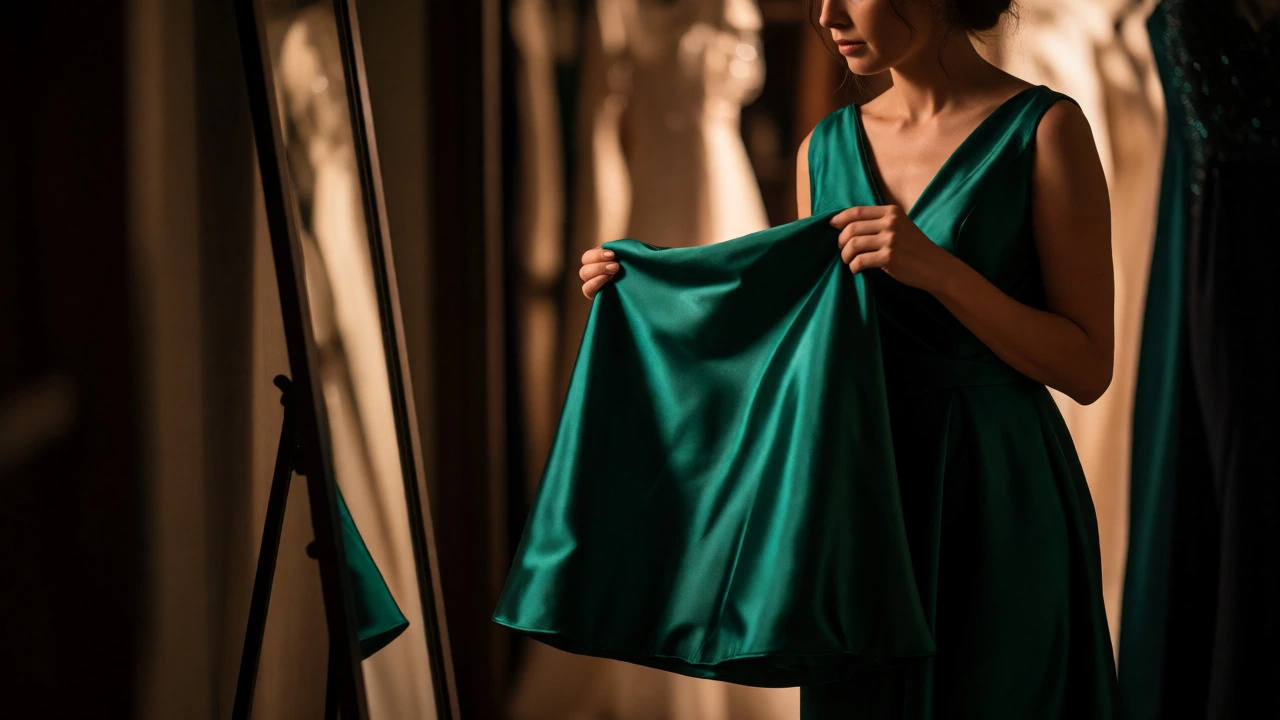
You’re standing in front of your closet, holding a gorgeous silk gown, but you’re paralyzed by one question: Is this the right length? It’s not just about looking good; it’s about respecting the event. Wear a mini to a white-tie gala, and you’ll feel underdressed. Wear a floor-sweeping train to a casual rooftop mixer, and you’ll trip over your own dignity. The truth is, there isn’t one single answer because "evening" covers everything from a laid-back dinner party to a stiff diplomatic ball.
As someone who has navigated Toronto’s diverse social scene-from high-end galas at the Fairmont Royal York to trendy gallery openings in Queen West-I’ve learned that context is king. But don’t worry, you don’t need a personal stylist to decode this. We’re going to break down exactly how long your evening dress should be based on the occasion, your body type, and current trends for late 2026.
The Golden Rule: Match the Hemline to the Formality
Think of dress length as a dial for formality. The longer the hem, the more formal the event usually is. This isn’t a hard law written in stone, but it’s the safest bet when you’re unsure of the invite’s vibe.
White Tie is the most formal dress code imaginable. Think state dinners or Nobel Prize ceremonies. Here, the expectation is non-negotiable: your dress must go all the way to the floor. No ankles, no toes peeking out (unless you’re wearing heels that are part of the silhouette). If your dress stops even an inch above the floor, you’re technically underdressed.
Black Tie is slightly more relaxed but still demands elegance. Floor-length gowns are standard here, too. However, some modern interpretations allow for a tea-length dress (mid-calf) if the fabric is luxurious enough-think velvet or heavy satin. But if you want to play it safe? Go long. Always.
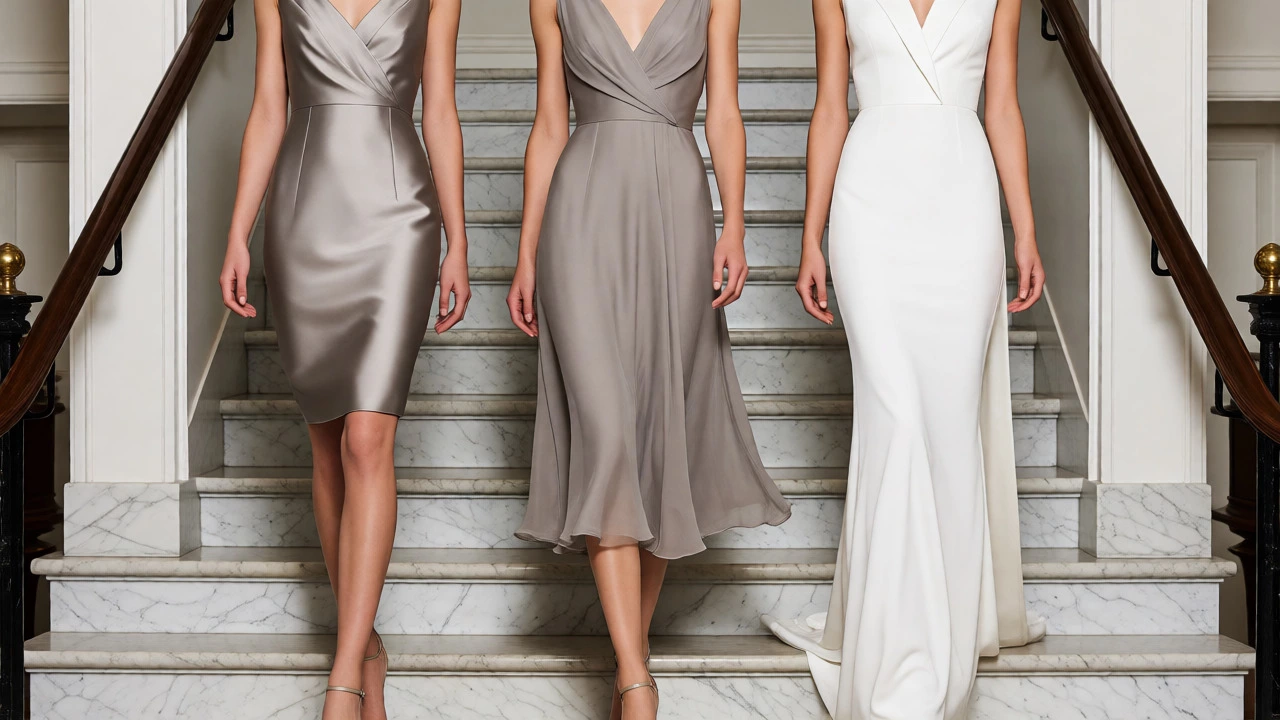
Cocktail Attire is where things get fun. This is the sweet spot for most weddings, holiday parties, and corporate events. The classic rule was knee-length, but in 2026, we’ve expanded that definition. You can wear anything from just above the knee to mid-calf. The key is balance. If your dress is short, keep the accessories minimal. If it’s midi-length, you have room to play with bold shoes or statement jewelry.
Decoding the Specifics: Mini, Midi, Maxi, and Tea-Length
Let’s get specific about what these terms actually mean in inches, because "knee-length" means something different depending on whether you’re 5’2” or 5’10”.
| Dress Type | Length Description | Best For | Formality Level |
|---|---|---|---|
| Mini | Above the knee (3-4 inches up) | Casual cocktails, daytime weddings, creative industry events | Low to Medium |
| Knee-Length | Right at the kneecap | Traditional cocktail parties, office holiday parties | Medium |
| Midi | Mid-calf (between knee and ankle) | Semi-formal weddings, upscale dinners, spring/summer events | Medium to High |
| Tea-Length | Ankle-grazing (just above the ankle bone) | Vintage-themed parties, fall/winter formal events | High |
| Maxi/Floor-Length | Touches the floor or pools slightly | Galas, Black Tie, White Tie, formal weddings | Very High |
Notice the gap between Tea-Length and Maxi? That’s the danger zone. If your dress falls somewhere in between, you risk looking like you forgot to hem it. Precision matters. If you buy off-the-rack, budget for tailoring. It’s worth every penny.
Body Proportions Matter More Than Trends
Here’s where most people mess up: they follow the trend instead of their body. A midi dress looks stunning on someone with long legs but can cut off the visual line of someone shorter, making them look wider. Let’s fix that.
If you’re petite (under 5’4”), avoid wide hems that pool around your feet. They overwhelm your frame. Instead, opt for a fitted sheath that hits right at the ankle or a slight slit in a maxi dress to create verticality. High-waisted styles also help elongate the torso, making you appear taller without changing your height.
If you’re tall (over 5’8”), you have the luxury of options. Floor-length gowns will likely fit you off-the-rack, which saves you money on alterations. You can also rock dramatic trains or wide-leg silhouettes that would swallow a smaller frame whole. Don’t shy away from bold prints on larger surfaces-they scale beautifully on taller bodies.
For curvier figures, the goal is often to highlight the waist while balancing the hips. An A-line midi dress is a miracle worker here. It skims over the hips without adding bulk, and the hemline draws attention to the calves, which are often a flattering feature. Avoid boxy cuts that hide your shape entirely.
Fabric and Season: Why November Changes the Math
It’s mid-November in Toronto, which means two things: it’s cold, and we’re heading into party season. Your choice of length should account for both temperature and fabric weight.
Lightweight fabrics like chiffon or organza flow differently than heavy velvet or brocade. A chiffon maxi might billow in the wind (or the AC), requiring careful handling. A velvet floor-length gown, however, hangs straight and heavy, offering warmth and structure. In colder months, longer dresses are practical. They cover more skin, keeping you warm during outdoor photo ops or transit between venues.
Also, consider footwear. You cannot choose your dress length without knowing your shoe heel height. A 3-inch heel changes the geometry of your outfit completely. Try this rule of thumb: When trying on a floor-length dress, wear the exact shoes you plan to wear. The hem should graze the floor, not drag three inches behind you. If you’re wearing platforms, you might need to shorten the dress. If you’re switching to flats, you’ll need to let it down. Always assume alteration costs are included in your final price tag.

Common Mistakes to Avoid
I’ve seen women ruin a perfect outfit by ignoring these simple pitfalls:
- The "Almost" Length: Wearing a dress that hits awkwardly between the knee and calf. It cuts the leg in half visually. Either go clearly above the knee or clearly below.
- Ignoring the Slit: A high slit on a floor-length dress adds movement and sex appeal, but only if it’s lined properly. Otherwise, you’re constantly pulling it back together.
- Wrong Shoe Ratio: Pairing a delicate strappy sandal with a heavy winter velvet gown. Mismatched textures make the outfit look disjointed. Match the weight of the shoe to the weight of the dress.
- Forgetting the Coat: In November, you need outerwear. A long coat over a short dress works. A cropped jacket over a floor-length gown can look odd unless styled intentionally. Plan your entire ensemble, including what you take off when you arrive.
How to Decide: A Quick Decision Tree
Still stuck? Run through this mental checklist before you commit to a purchase or rental:
- Check the Invitation: Does it say "Black Tie," "Cocktail," or "Smart Casual"? Use the table above to set your baseline.
- Assess the Venue: Is it indoors with controlled heating? Or outdoors in the cold? Longer dresses offer more protection against the elements.
- Evaluate Your Comfort Zone: Can you dance in it? Can you sit comfortably? Can you walk up stairs without tripping? If the answer is no, the length is wrong, regardless of fashion rules.
- Look at the Photos: Search Instagram for recent events at similar venues. See what others wore. This gives you real-world data rather than theoretical advice.
Remember, fashion is supposed to be fun, not stressful. The best evening dress is one that makes you feel confident enough to enjoy the night, not worry about whether your hemline is breaking etiquette codes. Trust your instincts, tailor your clothes, and you’ll always look appropriate.
Can I wear a short dress to a formal wedding?
Generally, no. For a formal wedding, especially one held in the evening, a floor-length gown is expected. If the invitation specifies "Black Tie Optional," a sophisticated tea-length or midi dress in a luxurious fabric might pass, but a true mini dress is usually considered too casual. When in doubt, err on the side of longer.
How much does it cost to hem an evening dress?
In Toronto, expect to pay between $20 and $50 for a simple hem adjustment on a standard dress. However, complex linings, beading, or multiple layers can push this cost up to $100 or more. Always ask for a quote before handing over your garment, and factor this into your total budget.
Are midi dresses still in style for 2026?
Yes, absolutely. Midi lengths remain popular because they offer a versatile middle ground between casual and formal. In 2026, we’re seeing more asymmetrical hems and textured fabrics in midi lengths, making them suitable for semi-formal events and stylish cocktail parties.
What if my dress is too long for my heels?
If you can’t alter the dress, you have two options. First, wear higher heels than planned to lift the hem. Second, use temporary hem tape or clips to fold the excess fabric inside the dress. Just ensure the fold doesn’t create a bulky bump visible from the outside. For important events, professional tailoring is always the better investment.
Does the time of day affect dress length?
Traditionally, yes. Daytime events lean towards shorter lengths (knee to midi), while evening events favor longer ones (tea-length to floor). However, modern etiquette is flexible. A chic midi dress can work for an afternoon garden party, while a sleek floor-length jumpsuit might be perfect for an evening gala. Focus on the formality level rather than just the clock.