Healthy Boot Finder Quiz
Answer these questions to discover which boot brand aligns best with your foot health needs.
Commuting/Walking
Walking to work, public transit, moderate steps.
All-Day Standing
Nursing, retail, teaching, or active jobs.
Casual/Office
Mostly seated or light movement.
High Activity
Running errands, hiking, very high step count.
No Specific Issues
Just want general comfort and style.
Plantar Fasciitis
Heel pain, especially in the morning.
Wide Feet/Bunions
Toes feel squeezed or numb.
High Arches
Need firm arch support.
Value/Budget
Looking for affordable comfort.
Investment
Willing to pay more for specialized tech.
Your Recommended Brand
Based on your answers, this brand offers the best balance of health and style for you.
Why this choice?
Key Health Feature
Quick Fit Test Reminder
- Twist Test: Midfoot should resist twisting.
- Heel Squeeze: Heel counter must be stiff.
- Toe Box: Half-inch space from longest toe.
You’ve got a pair of stylish women’s boots that make your outfit pop. But by 3 PM, your arches are screaming and your heels feel like they’re on fire. It’s a common trap: we buy boots for how they look, not how they treat our feet. The truth is, there isn’t one single "healthiest" brand that works for everyone. Your foot shape, gait, and daily activity level change what counts as healthy. However, certain brands consistently outperform others in ergonomic design, material quality, and support structures.
When we talk about healthy shoes, we’re talking about footwear that supports natural foot movement without causing pain or long-term damage. This means proper arch support, a roomy toe box, shock-absorbing soles, and breathable materials. For women’s boots specifically, the challenge is balancing these health factors with height and style. Let’s break down which brands actually deliver on the health promise and why it matters more than the logo on the tongue.
The Anatomy of a Healthy Boot
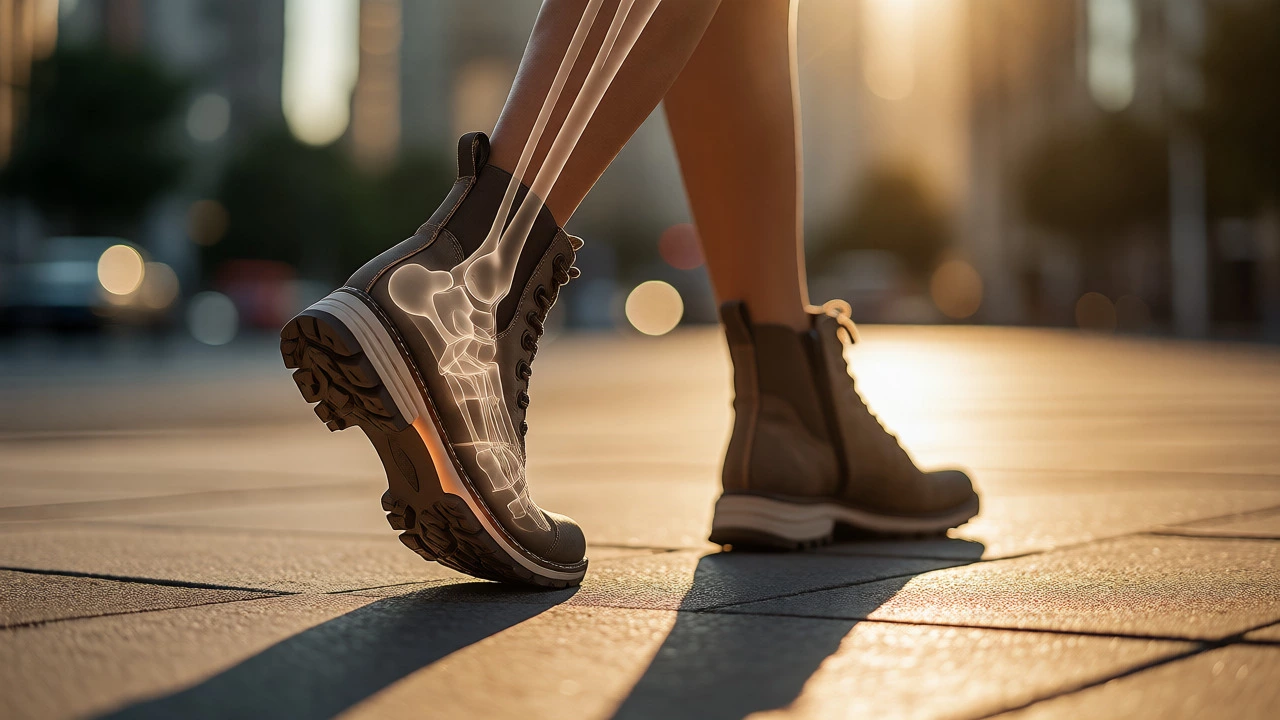
Before naming brands, you need to know what makes a boot healthy. It’s not just about cushioning. A healthy boot respects the biomechanics of your foot. First, look at the heel counter-the stiff part around the back of the heel. If it collapses when you squeeze it, your ankle won’t be stable, leading to overpronation or supination issues. Second, check the toe box. Women often wear narrow boots because they look sleek, but this compresses the toes, potentially causing bunions or neuromas over time.
Another critical factor is the drop-the difference in height between the heel and the forefoot. A high drop (like 10mm+) shifts weight forward, putting pressure on the metatarsals. A zero-drop or low-drop boot encourages a more natural stride but requires stronger calf muscles. Most mainstream fashion boots ignore these nuances. The brands that get it right build their lasts (the molds used to shape shoes) based on podiatric data, not just trend forecasts.
Top Contenders for Everyday Comfort and Support
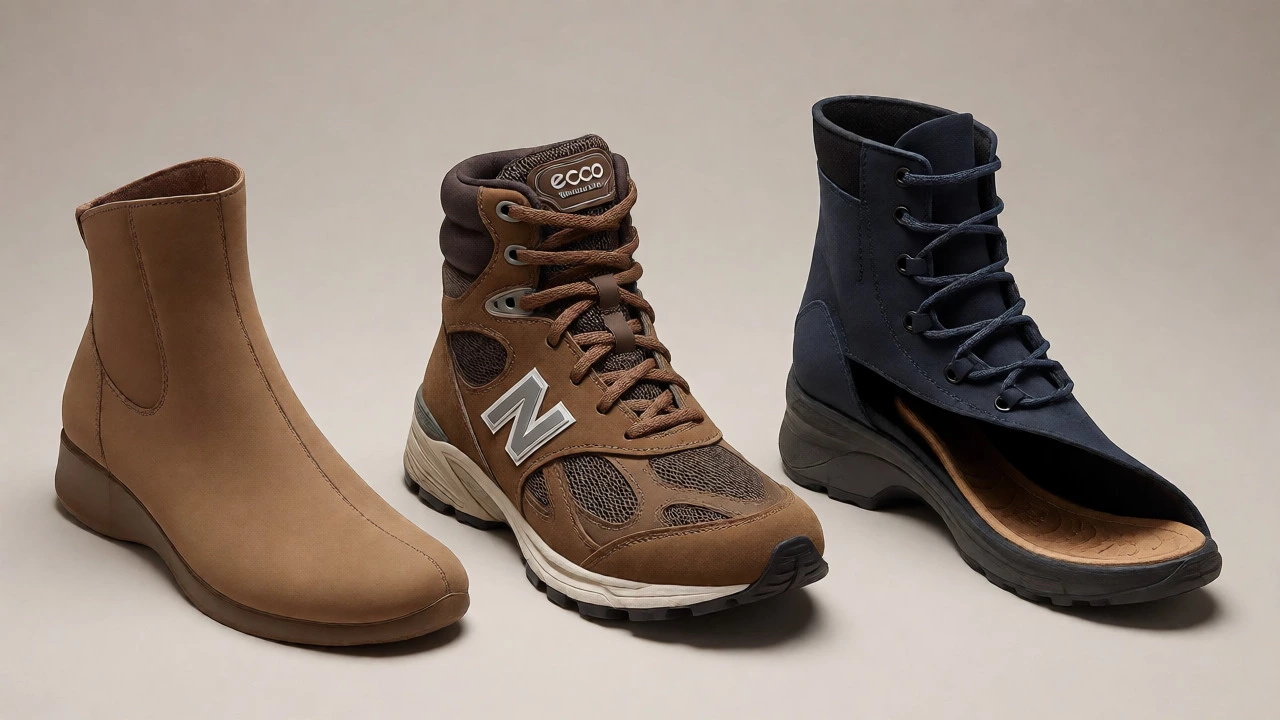
If you’re looking for reliable support without needing custom orthotics immediately, three brands stand out in the Canadian market and globally. These companies have spent decades refining their ergonomics.
| Brand | Best For | Key Health Feature | Style Range |
|---|---|---|---|
| Ecco | Daily walking, work commutes | Direct-injected PU soles for superior shock absorption | Casual to smart-casual |
| New Balance | Wide feet, flat feet | Multiple width options (D, EE, EEE) | Sporty to rugged casual |
| Vionic | Plantar fasciitis, high arches | Built-in OrthoLite® footbeds with deep heel cups | Classic leather styles |
| Alegria | All-day standing, nurses | Removable memory foam insoles, cork midsoles | Colorful, trendy designs |
| Rieker | Budget-friendly comfort | Antistress technology with lightweight soles | European casual chic |
Ecco is a Danish brand that controls its entire supply chain, from cowhide to finished shoe. Their secret weapon is direct injection molding, where the sole is bonded directly to the upper without glue. This creates a flexible yet durable bond that moves with your foot. Many users report that Ecco boots feel broken-in from day one, reducing the risk of blisters and hotspots that can alter your gait.
New Balance isn’t just for running anymore. They offer some of the most comprehensive sizing charts in the industry. While most brands only offer standard widths, New Balance provides wide and extra-wide options in many of their lifestyle boots. This is crucial for women who experience swelling during the day or have naturally wider forefeet. Ignoring width leads to lateral compression, which can cause numbness and circulation issues.
Specialized Orthopedic-Friendly Brands
If you have diagnosed foot conditions like plantar fasciitis, bunions, or flat feet, general comfort brands might not cut it. You need medical-grade support. Here, brands like Vionic and Alegria shine because they integrate orthotic principles into fashionable designs.
Vionic was founded by a podiatrist. Their boots feature a deep heel cup that cradles the fat pad under your heel, providing natural cushioning. The arch support is firm enough to correct overpronation but flexible enough to allow movement. In clinical trials, Vionic shoes have been shown to reduce pain associated with plantar fasciitis within weeks of regular use. They aren’t cheap, but compared to paying for physical therapy or custom orthotics, they’re a solid investment.
Alegria takes a different approach. Instead of rigid arch support, they use a removable memory foam insole combined with a cork midsole. Cork is naturally antimicrobial and molds to your foot’s unique shape over time. This customization helps distribute pressure evenly across the sole, preventing the localized stress points that lead to calluses and corns. Their designs are also vibrant and modern, proving that healthy doesn’t have to mean beige and boring.
Material Matters: Leather vs. Synthetic
Health isn’t just about structure; it’s about environment. Your feet sweat, and if moisture gets trapped, you risk fungal infections like athlete’s foot. This is where material choice becomes a health decision. Full-grain leather is breathable. It has microscopic pores that allow air circulation and wick moisture away from the skin. Synthetic materials, especially cheaper polyurethanes, often act like plastic bags around your feet.
Look for boots lined with genuine leather or moisture-wicking textiles. Avoid unlined synthetic uppers if you plan to wear them indoors or in warmer climates. Also, consider the sole material. Rubber soles provide grip and durability but can be heavy. Polyurethane (PU) is lighter and offers better shock absorption but may degrade faster. For Toronto winters, where salt and slush are constant threats, waterproof membranes like Gore-Tex are essential. Keeping feet dry prevents maceration, where skin breaks down due to prolonged wetness, making it susceptible to infection.
The Hidden Dangers of "Fashion-First" Boots
Why do so many popular brands fail the health test? Fast fashion prioritizes cost and trend cycles over longevity and ergonomics. A $50 boot might look identical to a $200 boot, but the internal construction is vastly different. Cheap boots often use hollow plastic heels that don’t absorb impact, sending every step’s shockwave up through your knees and hips. They also tend to have thin, non-breathable linings that trap heat.
Another issue is the lack of adjustability. Many fashion boots rely on tight lacing or zippers that don’t accommodate changes in foot volume throughout the day. If your feet swell in the afternoon, a tight boot restricts blood flow. Over years, this can contribute to varicose veins or chronic edema. When shopping, always try boots on in the late afternoon. Your feet are largest then, ensuring the fit remains comfortable all day.
How to Test a Boot for Health Before Buying
You don’t need a lab to check if a boot is healthy. Use these simple tests in the store:
- The Twist Test: Hold the boot at both ends and twist gently. A healthy boot should resist twisting in the middle (midfoot) but allow slight flex at the toe. If it twists easily like a dishrag, it lacks stability.
- The Heel Counter Squeeze: Press firmly on the back of the heel. It should be stiff and not collapse inward. Soft heel counters lead to ankle instability.
- The Toe Box Check: Wiggle your toes inside the boot. There should be at least half an inch of space between your longest toe and the front. If your toes touch the end, the boot is too short, regardless of size label.
- The Sole Flex: Bend the boot forward at the ball of the foot. It should bend there, not in the middle of the arch. Bending in the wrong place strains the plantar fascia.
Remember, no brand guarantees perfect health for every foot. Custom orthotics can turn a mediocre boot into a supportive one, but starting with a well-designed base reduces reliance on add-ons. Prioritize fit over brand loyalty. If a top-tier brand doesn’t fit your specific anatomy, it’s not the healthiest option for you.
Are expensive boots always healthier?
Not necessarily. Expensive designer boots often charge for brand prestige rather than ergonomic engineering. However, specialized comfort brands like Ecco or Vionic justify their higher price points through advanced sole technologies and premium leathers that enhance foot health. Always evaluate the construction features-such as arch support and material breathability-rather than relying solely on the price tag.
Can wearing unhealthy boots cause knee pain?
Yes. Poorly supported footwear alters your gait, forcing your knees to compensate for instability or improper alignment. High heels or boots with inadequate shock absorption increase impact forces transmitted to the knees, potentially accelerating osteoarthritis or causing patellofemoral pain syndrome. Proper arch support and cushioning help maintain neutral leg alignment, reducing strain on the knees.
Is it okay to wear flat boots every day?
Flat boots can be healthy if they provide adequate arch support and cushioning. Completely flat, unsupportive soles (like ballet flats) can strain the plantar fascia and Achilles tendon. Look for flat boots with built-in arch contours and shock-absorbing midsoles. If you have flat feet, additional orthotic support may be necessary even in flat boots to prevent overpronation.
How often should I replace my boots?
Replace boots when the tread is worn smooth, the midsole loses its resilience, or the inner lining shows significant breakdown. For daily wearers, this typically happens every 6 to 12 months. Worn-out soles lose shock absorption capabilities, increasing joint stress. Visible creasing in the midsole or uneven heel wear are clear signs that the structural integrity is compromised.
Do wide-width boots really matter for health?
Absolutely. Narrow boots compress the metatarsal bones, leading to nerve pain (Morton’s neuroma) and bunion formation. Wide-width boots allow toes to splay naturally during push-off, improving balance and reducing pressure points. Brands like New Balance offer multiple width options, which is critical for maintaining foot health and preventing deformities caused by chronic compression.