Summer Chic & Comfort Calculator
Configure your outfit below to see how it performs in the heat.
Outfit Analysis
...
Result Title
Detailed feedback goes here.
Personalized Styling Tips:
Select your outfit details and click calculate to see your score.
Summer heat has a way of stripping away confidence. You step out, the humidity hits, and suddenly that outfit you loved this morning feels like a heavy, itchy mistake. Looking chic in summer isn’t about wearing less; it’s about wearing smarter. It’s about mastering the balance between staying cool and looking put-together when the temperature spikes above 30°C (86°F).
The secret lies in fabric choices, silhouette engineering, and strategic accessorizing. If you want to look effortless while battling the sun, you need to treat your wardrobe as a cooling system first and a style statement second. Here is how to build a summer look that survives the heat without sacrificing elegance.
Prioritize Breathable Natural Fibers
Why do synthetic fabrics make you sweat more?
Synthetic materials like polyester trap body heat and moisture against the skin because they lack the microscopic air channels found in natural fibers. This creates a greenhouse effect, making you feel hotter and causing sweat to stay wet on your skin rather than evaporating.
If there is one rule to live by in July, it is this: check the label. Cotton is a soft, breathable natural fiber that absorbs moisture and allows air circulation. Specifically, look for linen-cotton blends or high-thread-count percale cotton. Linen, derived from the flax plant, is the king of summer textiles. Its loose weave structure promotes maximum airflow, drying quickly after a swim or a sudden rain shower.
Avoid polyester and nylon at all costs during peak heat. These synthetics are designed to repel water, which means they also repel your sweat, keeping it stuck to your skin. Instead, reach for:
- Linen: Wrinkles easily but looks intentionally relaxed and expensive.
- Viscose/Rayon: A semi-synthetic made from wood pulp that drapes beautifully and feels cool to the touch.
- Silk Chiffon: Lightweight and sheer, perfect for layering over camisoles without adding bulk.
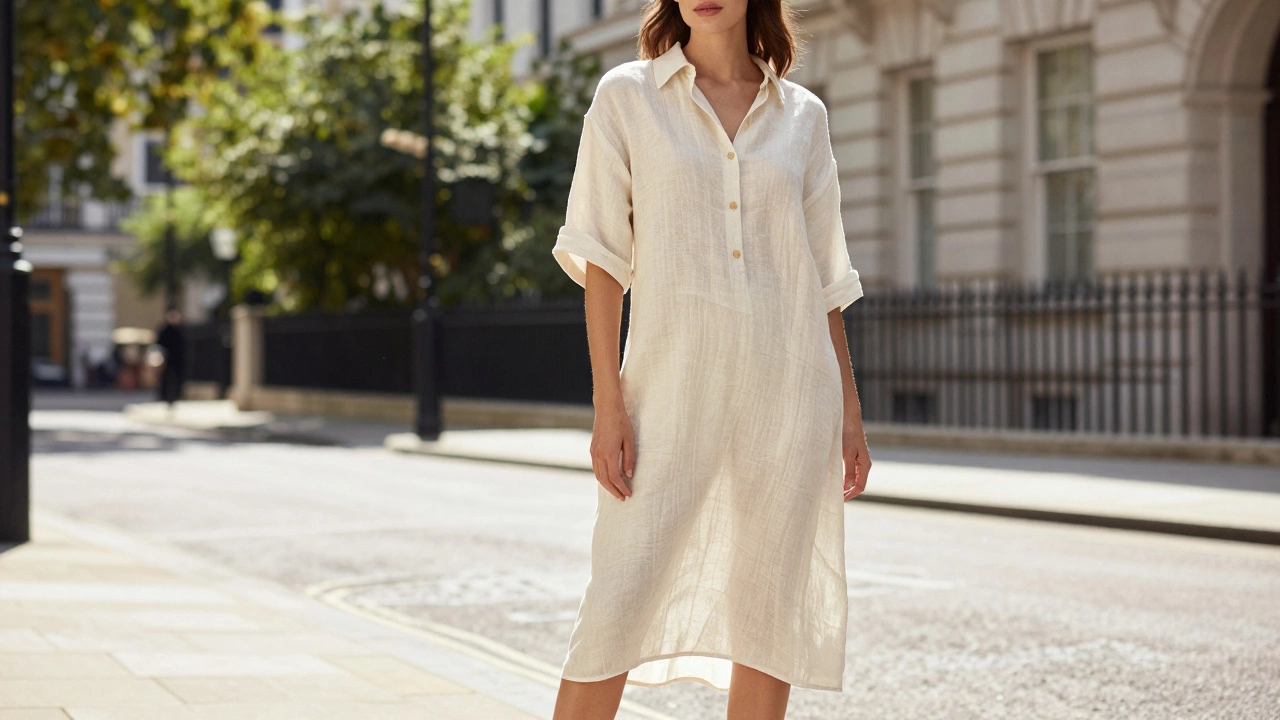
When shopping for summer dresses that are lightweight garments designed for warm weather comfort and style, prioritize these materials. A linen midi dress might wrinkle after an hour in a taxi, but that texture adds character. Ironing it defeats the purpose of the fabric’s relaxed aesthetic.
Master the Art of Silhouette and Fit
Tight clothing sticks to sweaty skin. It’s unflattering and uncomfortable. To look chic, you need space between your body and your clothes. Airflow is your best friend. Opt for loose cuts, A-line skirts, and wide-leg trousers. The goal is a silhouette that skims the body rather than clings to it.
Consider the "floaty" factor. A maxi dress with a side slit allows for ventilation while maintaining modesty and length. Wide-leg pants made from lightweight cotton create a column of color that elongates the legs without trapping heat. Avoid skinny jeans or tight leggings unless you are heading straight into an air-conditioned office and staying there.
Strategic cut-outs can also help. A backless top or a dress with keyhole detailing at the chest allows heat to escape from major pressure points. However, keep the cut-outs minimal. One well-placed detail looks sophisticated; too many look chaotic. Think architectural design, not exposure.
Color Psychology and Heat Reflection
We’ve all heard that white keeps you cool and black makes you hot. That’s physics, but fashion requires nuance. Light colors reflect sunlight, reducing heat absorption. Dark colors absorb it. So, stick to whites, creams, pastels, and light earth tones for daytime wear.
However, don’t fear dark colors entirely. If you love black, choose a loose-fitting black linen shirt. The breathability of the fabric outweighs the heat absorption of the color. Also, consider pattern mixing. Small-scale prints in neutral backgrounds can break up solid blocks of color, making an outfit feel lighter visually even if the fabric weight is similar.
For evening events, deeper jewel tones like emerald green or navy blue work well because they reflect less ambient light, creating a sleek, polished look under city lights. But save those for after sunset.
Footwear That Doesn’t Kill Your Feet
Your shoes set the tone for your entire outfit. In summer, closed-toe pumps are a recipe for blisters and odor. Open-toe sandals are the standard, but not all sandals are created equal. Chunky platform sandals have made a comeback, offering height without the strain of stilettos. They ground your look and add a modern edge.
Leather slides are another versatile option. Choose ones with a slight arch support. Flat, floppy sandals can drag down a chic outfit, making you look sloppy. Structure matters. Even in casual footwear, clean lines and quality leather elevate the ensemble.
Don’t forget socks. Yes, socks. Thin, no-show liners prevent blisters inside new sandals. Keep a pair in your bag. It’s a small detail that saves your day.
Accessories: Less Is More, But Make It Intentional
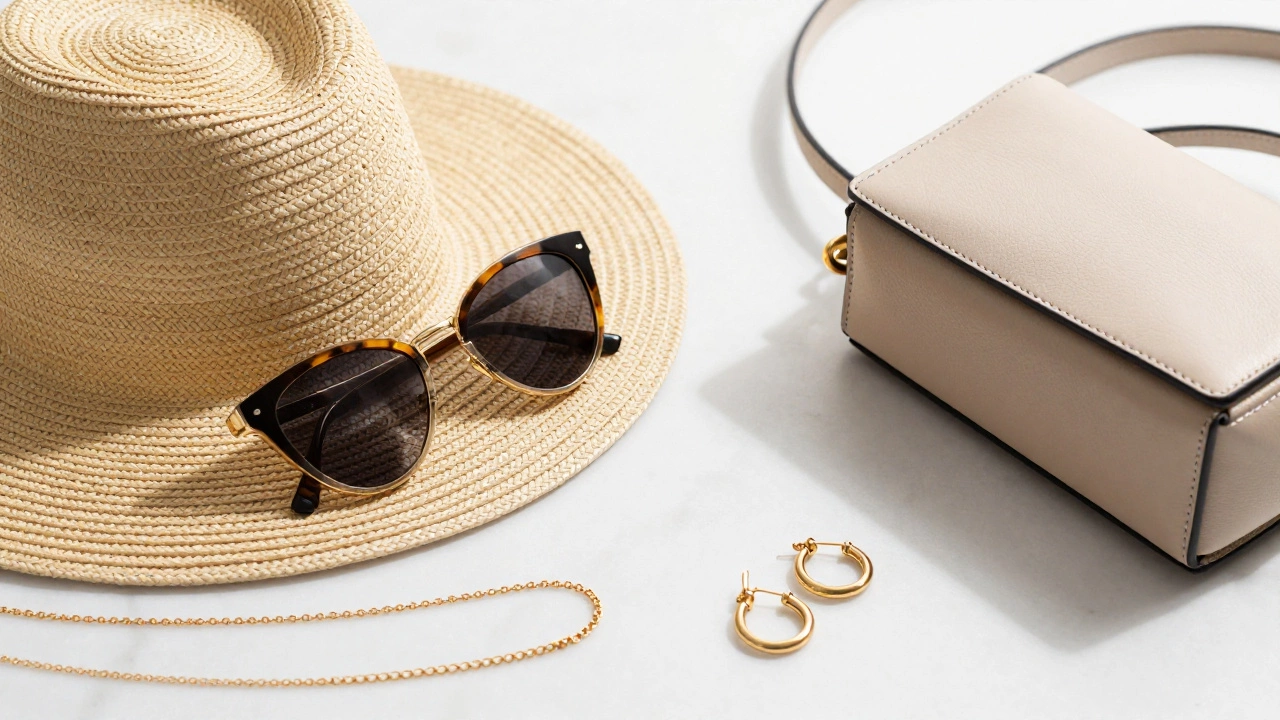
Heavy jewelry feels cumbersome in the heat. Skip the chunky bracelets that slide around your wrist every time you move. Instead, opt for delicate gold or silver chains, small hoop earrings, and simple stud rings. Metal stays cooler than plastic or resin.
Hats are essential. A wide-brimmed straw hat protects your face and neck from UV rays while adding instant glamour. It frames your face and draws attention upward. Just ensure the brim is wide enough to cast a shadow on your forehead. A tiny visor looks sporty, not chic.
Sunglasses are non-negotiable. Beyond protecting your eyes, they hide tired eyes and add mystery. Classic shapes like cat-eye or aviator styles never go out of fashion. Invest in polarized lenses to reduce glare from pavement and water.
Bag choice matters too. Crossbody bags free up your hands and distribute weight evenly. Avoid large, slouchy tote bags that swing around and hit your legs. Structured mini-bags or woven rattan baskets offer style and function. Woven bags breathe better than leather, preventing sweat buildup where the strap touches your shoulder.
Sun Protection as a Style Statement
Looking chic means looking healthy. Sun damage ages skin prematurely. Incorporate UPF-rated clothing into your wardrobe. Many brands now offer stylish shirts and dresses with built-in ultraviolet protection factors of 50+. This isn’t just medical advice; it’s smart styling. You can wear a lightweight long-sleeve tunic over shorts without overheating, thanks to modern fabric technology.
Apply sunscreen generously, but let it dry before dressing. White streaks ruin any outfit. Use a matte finish sunscreen to avoid greasiness on your skin, which can transfer to light-colored clothes. Reapply every two hours, especially if you’re near water.
The Power of Minimalism
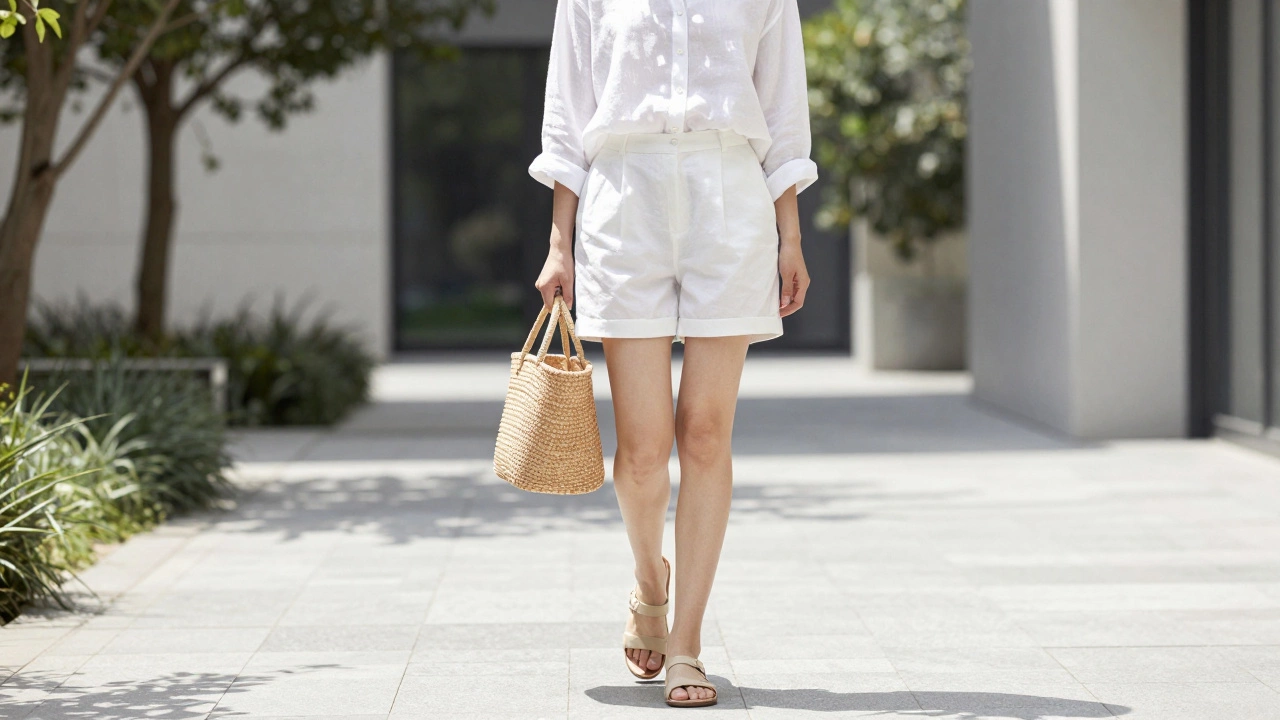
Chic summer style often leans towards minimalism. Clean lines, monochromatic outfits, and limited patterns create a sense of calm and sophistication. Try wearing head-to-toe white. It reflects heat, looks crisp, and photographs beautifully. Pair a white linen shirt with white tailored shorts and leather sandals. Add a single pop of color with a scarf or bag.
Monochrome dressing simplifies decision fatigue. When everything matches, you spend less time worrying about coordination and more time enjoying the day. It also creates a vertical line that elongates the figure, making you appear taller and leaner.
Adapting to Different Occasions
Your summer wardrobe should be modular. Mix and match pieces to transition from brunch to work to dinner. A silk slip dress can be worn alone for a night out, layered under a denim jacket for a casual lunch, or paired with a crisp button-down shirt for a professional setting.
For beach days, cover-ups are key. A kaftan or a long linen shirt over a swimsuit provides coverage while allowing quick changes. Avoid heavy robes that take forever to dry. Quick-dry fabrics are your ally here.
In the city, layering helps manage indoor-outdoor temperature swings. Carry a lightweight cardigan or a sheer kimono. Air conditioning can be brutal, and having a cover-up prevents shivering and maintains your polished appearance.
| Fabric Type | Breathability | Wrinkle Resistance | Best For |
|---|---|---|---|
| Linen | High | Low | Daytime outings, beachwear |
| Cotton Poplin | Medium | Medium | Office wear, structured dresses |
| Viscose | High | Medium | Evening dresses, flowy tops |
| Polyester | Low | High | Avoid in summer heat |
Maintaining Your Wardrobe in Humidity
Humidity is the enemy of crisp clothes. Clothes get damp, odors develop, and wrinkles set in. Store your summer wardrobe in a cool, dry place. Use cedar blocks instead of mothballs to keep things fresh without harsh chemicals.
Steam your clothes instead of ironing when possible. Steamers remove wrinkles gently without crushing the fabric’s texture. For linen, a quick steam refresh is often enough to look presentable. Don’t obsess over perfection; embrace the lived-in look.
Rotate your shoes. Wearing the same pair daily traps moisture and deforms them. Alternate between two pairs of sandals to let them air out overnight. This extends their life and keeps your feet healthier.
Can I wear black in the summer?
Yes, if the fabric is breathable. Black linen or black cotton voile will keep you cooler than white polyester. The key is loose fit and natural fibers to allow air circulation.
What is the most versatile summer dress style?
A midi-length shift dress or wrap dress in a neutral color. It fits most body types, can be dressed up with heels or down with sandals, and works for both casual and semi-formal events.
How do I stop my clothes from sticking to me?
Choose loose-fitting garments and natural fabrics like linen or cotton. Avoid synthetic blends. Apply anti-chafing balm to problem areas and use talc-free powder to absorb excess moisture.
Is it okay to wear sneakers in summer?
Yes, canvas or mesh sneakers are breathable and stylish. Opt for light colors and low-profile designs. Avoid heavy leather boots or high-top athletic shoes in extreme heat.
What accessories define a chic summer look?
Wide-brimmed hats, polarized sunglasses, delicate gold jewelry, and structured crossbody bags. These items protect you from the sun while elevating your outfit with intentional style.