Hoodie Quality Inspector
Enter Hoodie Specifications
Quality Assessment Result
Enter specifications above
Click "Evaluate" to analyze hoodie quality
Quality Breakdown:
There is nothing quite as disappointing as buying a hoodie that looks great in the store but shrinks into a cropped shirt after one wash or develops holes at the elbows within months. We have all been there. You want comfort, warmth, and style, but you also want your investment to last. So, how do you separate the premium pieces from the fast-fashion filler before you even try them on? It comes down to looking past the brand logo and inspecting the construction details that most people ignore.
I spend a lot of time in Toronto, where the weather swings wildly from humid summers to biting cold winters. My wardrobe relies heavily on versatile layers, and hoodies are the backbone of my casual rotation. Over years of testing dozens of brands, I’ve learned that quality isn’t about price tags; it’s about specific physical attributes. If you know what to look for, you can find a high-quality hoodie that will serve you well for years. Interestingly, while we focus on local durability here, global standards for textile verification vary widely, much like how different regions have distinct directories for services, such as the listings found on this resource, which highlights how specialized curation works in completely different industries.
The Weight and Feel of the Fabric
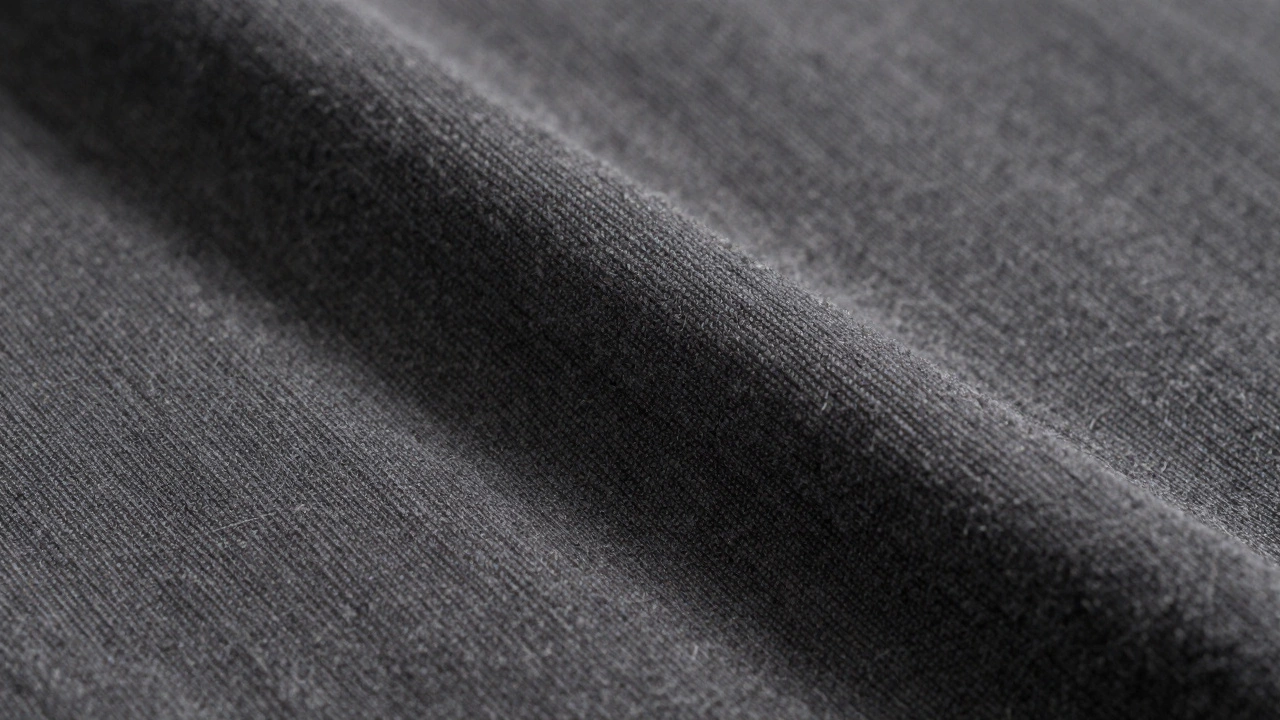
The first thing you should check is the fabric weight. In the apparel industry, this is measured in grams per square meter (GSM). A cheap, thin hoodie usually weighs between 250 and 300 GSM. These feel light and airy, which might sound nice, but they often lack structure and transparency. They tend to cling awkwardly and offer little insulation against wind or chill.
For a substantial, durable feel, look for a weight between 350 and 450 GSM. This range provides enough heft to hold its shape without feeling like armor. Anything over 500 GSM is typically considered heavy-duty, suitable for extreme cold but potentially too bulky for layering under a jacket. When you pick up the hoodie, give it a gentle tug. High-quality fabric resists stretching out of shape and snaps back quickly. If the material feels stiff or cardboard-like, it might be treated with excessive chemicals rather than being naturally dense.
Next, consider the fiber composition. Pure cotton is breathable and soft, but it can shrink if not pre-shrunk during manufacturing. A blend of cotton and polyester (usually 80/20 or 60/40) offers the best of both worlds: the comfort of cotton with the durability and shape-retention of polyester. Avoid fabrics that feel overly shiny or synthetic, as these often trap heat and cause sweating, ruining the cozy aesthetic you’re aiming for.
Inspecting the Stitching and Seams
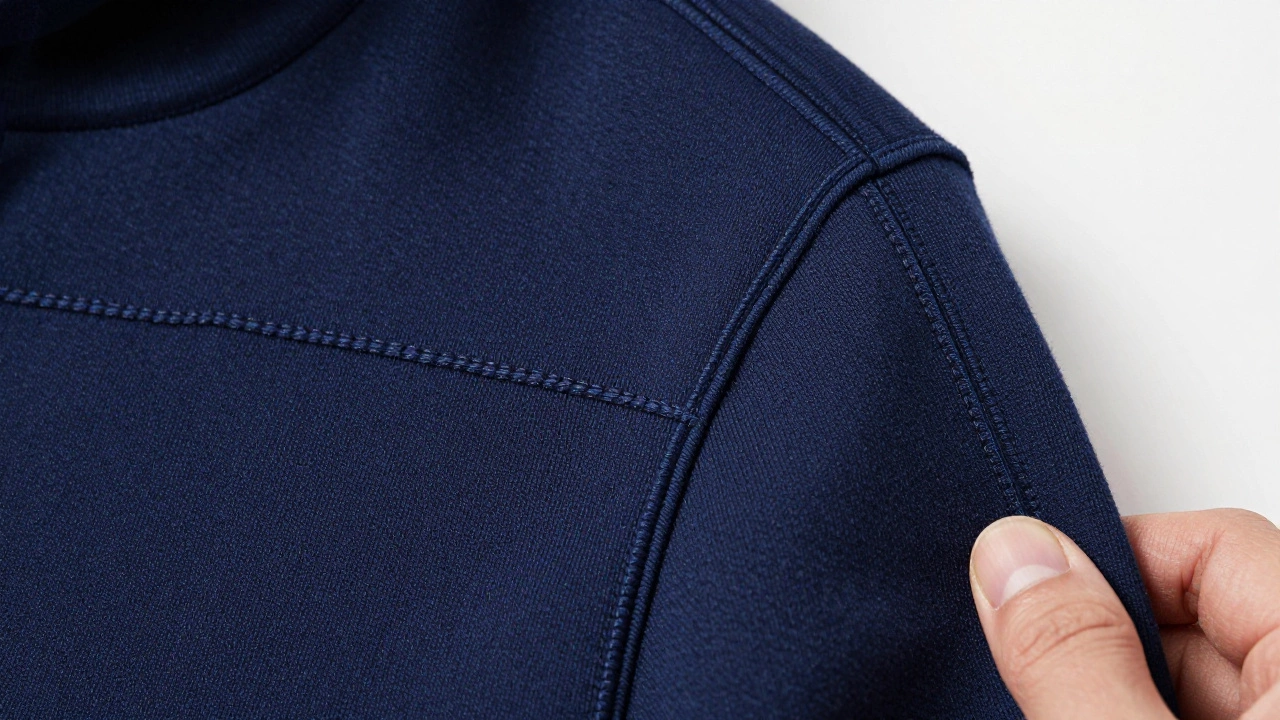
Fabric gets you halfway there, but stitching keeps the hoodie together. Poor stitching is the number one reason hoodies fail prematurely. Look closely at the seams, especially around the shoulders, armpits, and waistband. Cheap hoodies use single-needle stitching, which is essentially a straight line of thread. While functional, it lacks strength and can unravel if pulled.
High-quality hoodies utilize double-needle stitching or flatlock seams. Double-needle stitching creates two parallel lines of thread, distributing stress more evenly across the seam. Flatlock seams, often found in athletic or premium streetwear, lie flat against the skin, reducing chafing and increasing durability. Run your fingers along the inside of the hoodie. If you feel rough, loose threads or uneven puckering, put it back. The stitching should be tight, consistent, and free of skipped stitches.
Pay special attention to the hem and cuffs. These areas undergo the most friction from washing and wearing. Reinforced hems with extra rows of stitching indicate that the manufacturer anticipated wear and tear. Elastic bands should be integrated seamlessly, not just glued or loosely attached, which causes them to roll up or detach over time.
The Hood Construction and Hardware
The hood itself is a defining feature, yet it is often an afterthought in cheaper designs. A quality hood should have structure. Check if there is interfacing or a lining inside the hood panel. This prevents the fabric from drooping and maintains its shape when worn. The hood should sit comfortably on your head without obstructing your vision or pulling tight around your face.
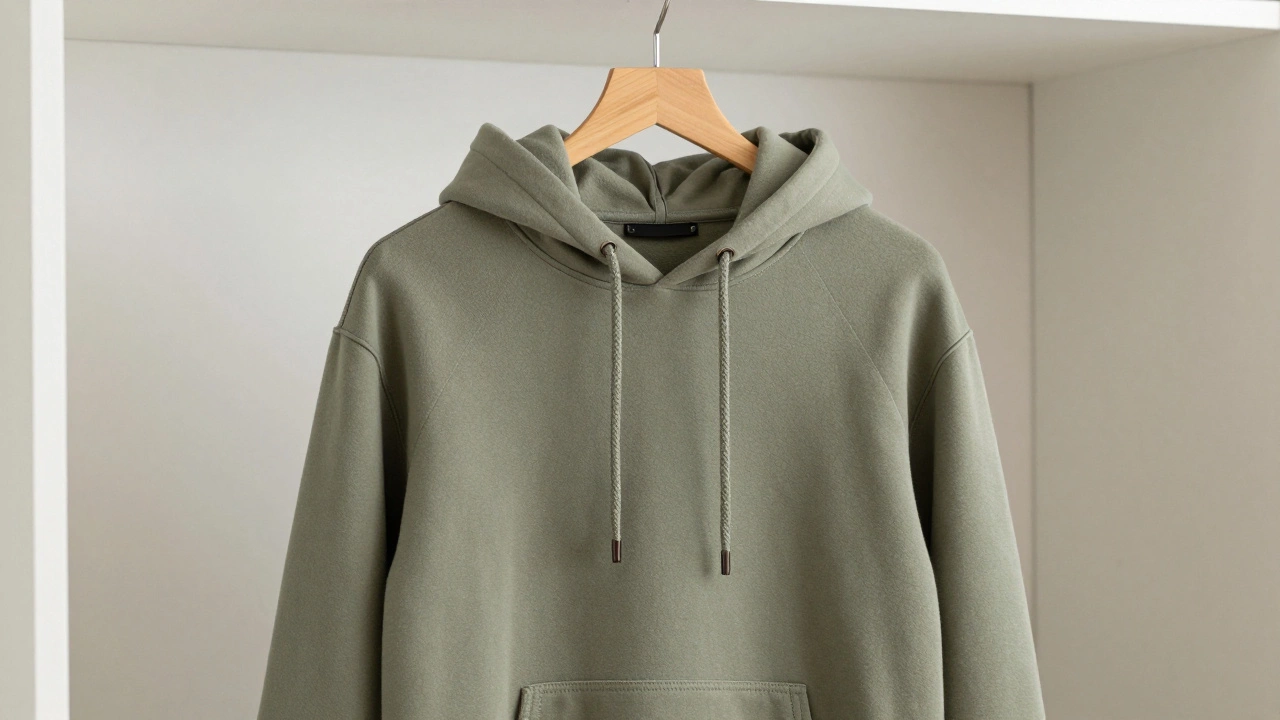
Now, look at the drawstrings. Are they made of the same high-quality cord as the rest of the garment, or are they flimsy plastic-looking strings? Quality drawstrings are braided or woven tightly to prevent fraying. More importantly, check the aglets-the tips of the drawstrings. Metal or hard plastic aglets protect the ends from unraveling. Soft, unfinished tips will fray within weeks, leaving you with messy, unusable cords.
If the hoodie has a zipper, test it repeatedly. A YKK zipper is the gold standard in the industry. It glides smoothly, doesn’t catch on fabric, and rarely breaks. Cheap zippers jam, skip teeth, or pull apart at the top. For pullover hoodies, ensure the kangaroo pocket is securely stitched to the body. Weak pockets rip open easily, spilling your keys or phone. Deep, reinforced pockets add functionality and signal careful construction.
Fit, Drape, and Silhouette
Quality also manifests in how the garment hangs on your body. A poorly cut hoodie will twist at the torso or ride up at the back when you raise your arms. Try on the hoodie and move around. Raise your hands, stretch, and sit down. Does the fabric restrict movement? Does the bottom hem stay in place?
Consider the intended fit. Modern hoodies come in slim, regular, and oversized cuts. Regardless of the style, the proportions should be balanced. Shoulder seams should align with the natural edge of your shoulder bone. If they hang down your arm, the hoodie is too big; if they sit on your neck, it’s too small. The sleeve length should end right at your wrist bone, allowing a bit of thumb coverage if desired, but not so long that it covers your entire hand.
Drape is another subtle indicator. Hold the hoodie up by the shoulders. Does it fall straight and smooth, or does it bunch up awkwardly? High-quality fabrics have a natural drape that complements the body’s contours. Stiff, boxy fabrics often indicate lower-grade materials or poor finishing processes. A well-made hoodie moves with you, creating a relaxed silhouette that looks intentional, not sloppy.
Care Instructions and Longevity
Finally, read the care label. This tiny tag holds clues about the garment’s quality. Premium hoodies often recommend cold water washing and low-heat drying to preserve the fabric integrity. If the label says "dry clean only" for a cotton hoodie, be wary-it might be using delicate fibers that aren’t practical for everyday wear. Conversely, instructions that allow for machine washing and drying suggest robust construction.
To extend the life of any hoodie, turn it inside out before washing. This protects the outer surface from abrasion and fading. Use mild detergents and avoid fabric softeners, which can break down elastic fibers over time, causing cuffs and hems to lose their snap. Air drying is always the safest option, but if you must use a dryer, choose a low heat setting.
What GSM should a good hoodie be?
A good quality hoodie typically ranges from 350 to 450 GSM (grams per square meter). This weight provides sufficient warmth and structure without being overly bulky. Lighter hoodies (under 300 GSM) may feel thin and transparent, while heavier ones (over 500 GSM) can be restrictive and difficult to layer.
How do I know if a hoodie will shrink?
Check if the fabric is pre-shrunk. Most high-quality cotton hoodies are pre-shrunk during manufacturing to minimize further shrinkage. Additionally, washing in cold water and air drying or using low heat will help maintain the original size. Blends with polyester are less prone to shrinking than 100% cotton garments.
Is double-needle stitching better than single-needle?
Yes, double-needle stitching is generally stronger and more durable. It creates two parallel lines of thread that distribute stress more evenly, reducing the likelihood of seams unraveling. Single-needle stitching is common in cheaper garments and is more susceptible to breaking under tension.
Why are metal aglets important on drawstrings?
Metal or hard plastic aglets protect the ends of drawstrings from fraying and unraveling. Without them, the cords can quickly become messy and difficult to tie. Quality aglets also make it easier to thread the strings through grommets and add a polished finish to the hoodie.
What is the best fabric blend for a hoodie?
A blend of 80% cotton and 20% polyester is often considered ideal. Cotton provides breathability and softness, while polyester adds durability, shape retention, and resistance to shrinking. This combination balances comfort with longevity, making it suitable for frequent wear and washing.