Sneaker Functionality Finder
Stop guessing. Find the right shoe for the job by answering three simple questions.
Key Features to Look For:
You probably have a pair of trainers in your closet right now. Maybe two pairs. Maybe ten. But if I asked you exactly why you bought them, could you give me a straight answer beyond "they look cool" or "they were on sale"? Most people treat sneakers as generic foot armor, assuming one shoe does it all. That’s a fast track to knee pain, blisters, and wasted money.
The truth is that trainers are highly specialized tools. Just like you wouldn’t use a screwdriver to hammer a nail, you shouldn’t wear a basketball high-top for a marathon. Understanding what trainers are actually meant for changes how you shop, how you move, and how long your joints last. Let’s break down the real jobs these shoes do, so you can stop guessing and start choosing with intent.
The Core Purpose: Protection and Performance
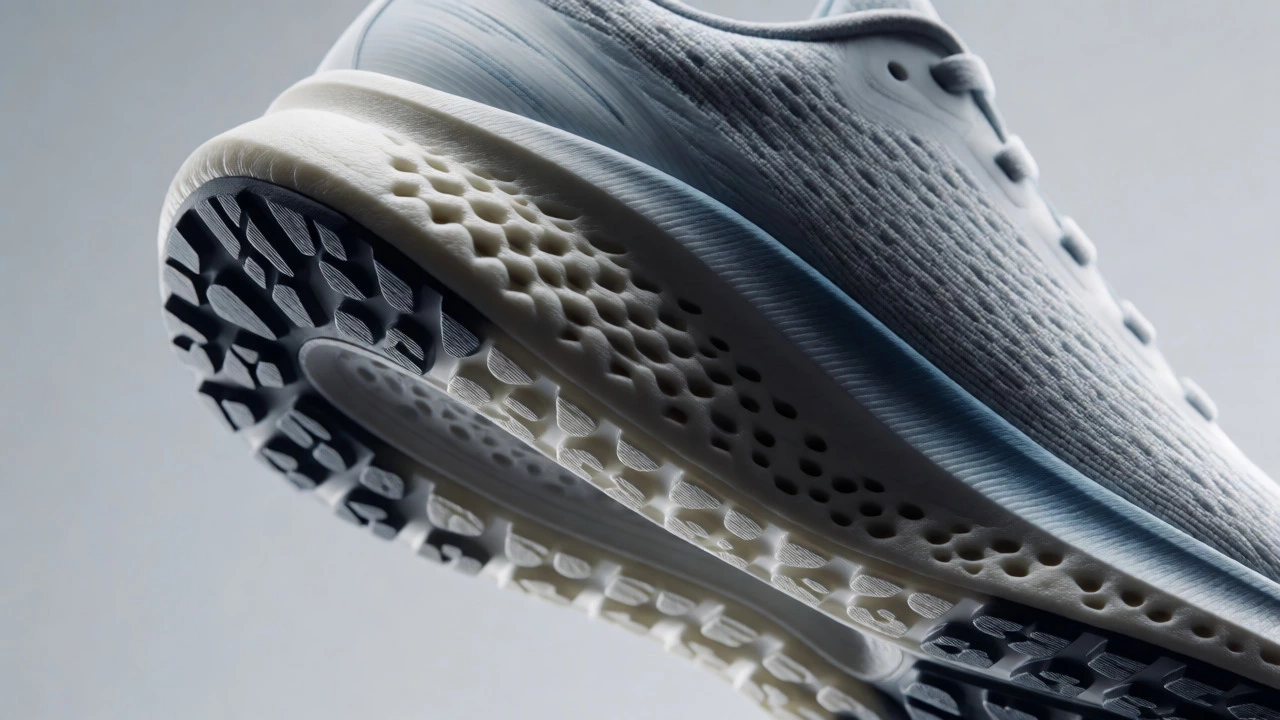
At their simplest level, trainers are footwear designed to protect the feet during physical activity while enhancing performance through specific mechanical support. Unlike dress shoes or sandals, which prioritize aesthetics or minimal coverage, trainers are engineered structures. They consist of three main components: the upper (which holds your foot), the midsole (the cushioning layer), and the outsole (the tread).
Each part has a job. The upper secures your foot to prevent sliding inside the shoe. The midsole absorbs impact forces that would otherwise travel up your legs to your spine. The outsole provides grip on specific surfaces. When manufacturers design a trainer, they tweak these components based on the intended activity. A running trainer prioritizes lightweight foam for forward motion. A weightlifting trainer uses flat, hard rubber for stability. Confusing the two leads to instability under heavy loads or excessive fatigue over long distances.
Running vs. Walking: Why It Matters
People often think walking shoes and running shoes are the same thing because both involve moving forward on foot. They aren’t. Running generates up to three times your body weight in impact force with every step. Walking generates about 1.5 times. This difference dictates the design.
Running trainers feature thick, responsive midsoles made from materials like EVA foam or nitrogen-infused polymers. These materials compress quickly and bounce back, returning energy to help you push off. They also have higher heel drops (the height difference between heel and toe) to encourage a rolling gait.
In contrast, walking trainers need flexibility at the forefoot to allow the foot to bend naturally. If you run in stiff walking shoes, you’ll feel every crack in the pavement. If you walk in ultra-cushioned running shoes, you might feel unstable because the sole is too soft and tall for the lower-impact mechanics of walking. Always match the shoe’s responsiveness to the intensity of your movement.
Court Sports: Lateral Stability Over Cushioning
Tennis, basketball, and volleyball involve constant stopping, starting, and side-to-side movements. Here, forward cushioning matters less than lateral support. You need a shoe that prevents your ankle from rolling when you cut sharply across the court.
Court trainers typically have wider bases and reinforced sidewalls. Basketball models often include high-tops to provide ankle support, though modern low-tops rely on rigid external cages for stability. Tennis shoes specifically feature durable toe guards because dragging your foot during serves wears out standard mesh instantly.
Using a running shoe for tennis is risky. Running shoes are narrow and curved to facilitate forward roll. On a tennis court, this curvature acts like a rocking chair, increasing the risk of an ankle sprain during lateral cuts. Court shoes are flatter and broader, grounding you firmly when you change direction.
Gym Training: Stability Is King
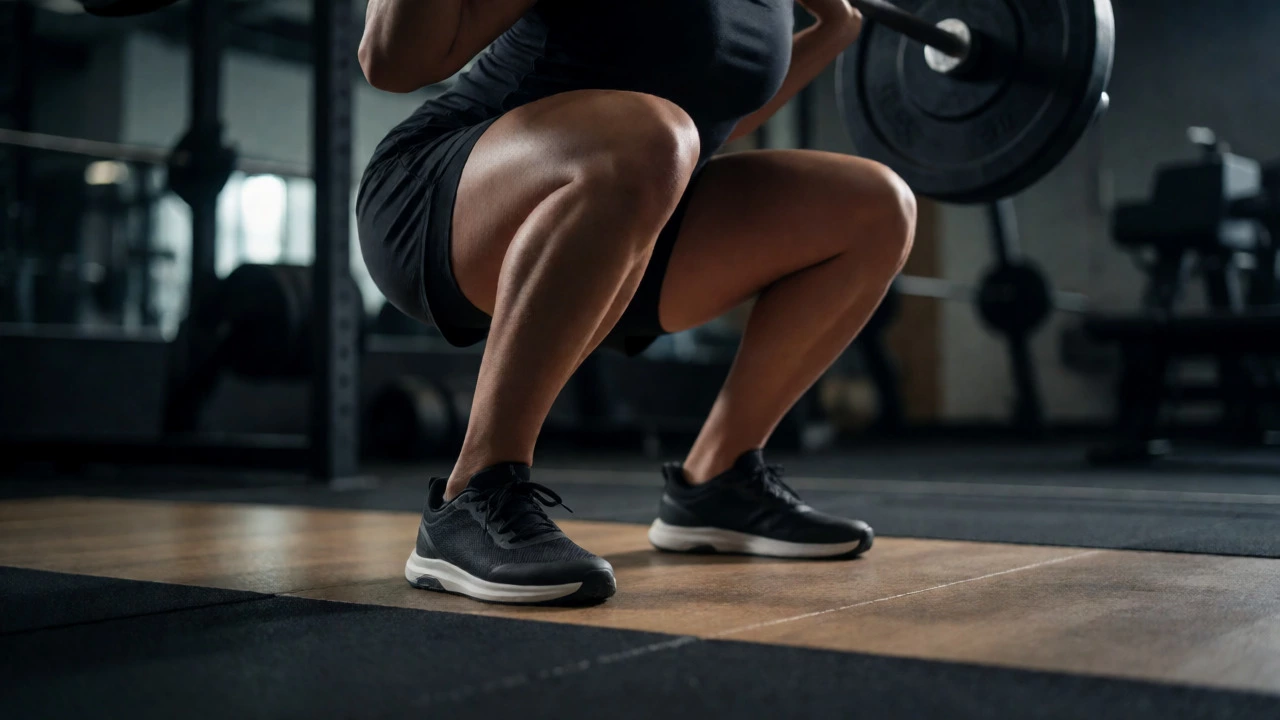
If you spend your time lifting weights, doing CrossFit, or using machines, you don’t want bounce. You want a solid platform. Squatting in squishy running shoes is like trying to balance on a pillow. Your feet sink, your arches collapse, and your power transfer into the ground diminishes.
Training trainers (often called cross-trainers) strike a middle ground. They offer moderate cushioning for short runs or jumps but maintain a firmer midsole for lifts. Weightlifting-specific shoes go further, featuring raised heels (usually 0.5 to 1 inch) made of wood or dense plastic. This heel elevation allows deeper squats by altering ankle angle requirements, making them essential for Olympic lifters.
For general gym-goers, a cross-trainer is the safest bet. It handles the mix of cardio, strength, and agility work without compromising safety during heavy sets. Avoid minimalist barefoot shoes unless you have strong foot muscles; jumping into them without preparation often leads to plantar fasciitis.
Lifestyle Trainers: Comfort Without Compromise
Not every trainer is for sport. Lifestyle sneakers, like the Adidas Stan Smith or Nike Air Force 1, are built for standing and casual walking. Their primary goal is aesthetic appeal combined with basic comfort. They usually lack the advanced propulsion plates or aggressive traction patterns found in performance gear.
These shoes are fine for commuting, office wear, or weekend outings. However, they are poor choices for actual exercise. The flat, thin soles offer little shock absorption for jogging, and the stiff leather uppers restrict natural foot flexion needed for dynamic sports. Wearing lifestyle trainers for a 5K run will leave your shins sore. Use them for what they’re meant for: looking good while staying reasonably comfortable.
| Trainer Type | Primary Function | Key Feature | Best For |
|---|---|---|---|
| Running | Absorb impact & return energy | Thick, responsive midsole | Jogging, marathons, treadmill |
| Walking | Natural foot flexion | Flexible forefoot, lighter build | Daily steps, power walking |
| Court | Lateral stability | Wide base, non-marking outsole | Tennis, basketball, squash |
| Cross-Training | Versatile support | Firm midsole, multi-directional grip | Gym workouts, HIIT, weightlifting |
| Lifestyle | Aesthetics & casual comfort | Stylish upper, minimal tech | Everyday wear, social events |
How to Choose the Right Trainer
Selecting the correct trainer starts with honesty about your activities. Ask yourself three questions:
- What is my primary activity? If you run more than twice a week, buy running shoes. If you lift heavy, get training shoes. Don’t compromise.
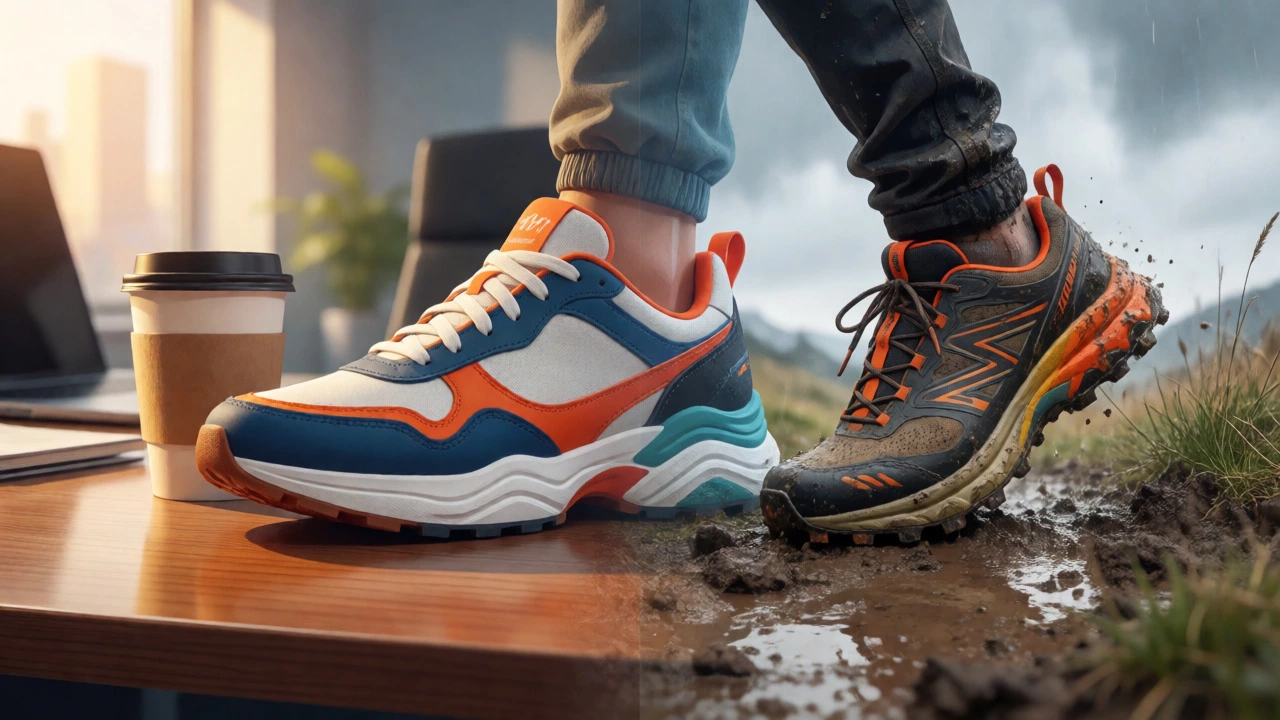
- What surface do I train on? Trail runners need deep lugs for mud and rocks. Road runners need smooth rubber for asphalt. Indoor court players need gum rubber for grip without scuffing floors.
- Do I have specific foot issues? Flat feet may require stability trainers with medial posts to prevent overpronation. High arches might benefit from neutral cushioning. Consult a podiatrist if you experience persistent pain.
Try shoes on later in the day when your feet are slightly swollen, mimicking workout conditions. Wear the socks you intend to use. Walk around the store. Do a few lunges or jump jacks. If there’s any pinch or slip, put them back.
Maintenance and Lifespan
Trainers wear out even if they look new. The midsole foam loses its elasticity after 300-500 miles of running or intense gym use. Once the foam compresses permanently, it stops protecting your joints. Check for creasing in the midsole or uneven wear on the outsole. If your shoes lean inward or outward excessively, it’s time to replace them.
Clean them regularly. Dirt clogs the breathable mesh, causing sweat buildup and odor. Use a soft brush and mild soap. Never throw trainers in the washing machine; the agitation breaks down glue bonds and deforms the structure. Air dry them away from direct heat sources like radiators, which can crack the rubber.
Can I use running shoes for the gym?
It depends on your workout. For light cardio and machine work, running shoes are acceptable. However, for free weights, squats, or deadlifts, the soft cushioning creates instability. This increases injury risk and reduces power output. Dedicated cross-trainers or weightlifting shoes are better for strength-focused sessions.
How long do trainers last?
Most performance trainers last between 300 and 500 miles or six to twelve months of regular use. Factors like body weight, running style, and surface type affect this. If you feel increased joint pain or notice visible compression in the midsole, replace them regardless of mileage.
Are expensive trainers always better?
Not necessarily. Expensive models often use premium materials or carbon plates for marginal performance gains. Many mid-range trainers offer excellent durability and comfort. Focus on fit and function rather than price tags. A $80 shoe that fits your foot perfectly beats a $200 shoe that causes blisters.
What is pronation and why does it matter?
Pronation is the natural inward roll of your foot upon landing. Overpronation (excessive rolling) can cause shin splints or knee pain. Underpronation (supination) puts stress on ankles and outer feet. Stability trainers correct overpronation, while neutral trainers suit normal or supinated gaits. Get analyzed at a specialty running store if unsure.
Should I size up in trainers?
Yes, generally. Feet swell during exercise. Leave about a thumb’s width of space between your longest toe and the end of the shoe. This prevents black toenails and allows natural splay. Sizing varies by brand, so always try before buying or check retailer return policies.