Men's T-Shirt Size Finder
Your Recommended Size is:
Enter your measurements to see your recommended size.
Quick Guide: The Most Common Sizes
- Medium (M): Often the most frequent seller for lean to athletic builds.
- Large (L): The statistical "sweet spot" for the average adult male in the US and Europe.
- Extra Large (XL): Increasingly common as comfort-focused "oversized" styles trend upward.
- Small (S): Popular among younger demographics and those with slimmer frames.
The Statistical Breakdown: What's Actually in the Cart?
If you look at the data from major retailers and apparel distributors, the most common shirt size for men typically hovers between Large and Medium. In the United States, for example, the Large size often takes the crown. Why? Because the average adult male's body mass index has shifted over the last few decades, and people generally prefer a bit of extra room over a shirt that's too tight. However, it's not just about the label. There's a huge difference between a "Classic Fit" and a "Slim Fit." A guy who wears a Large in a slim-fit brand might actually be a Medium in a classic-cut brand. This is where the confusion starts. You'll see a lot of guys fluctuate between Medium and Large depending on whether they're buying a heavy cotton gym shirt or a lightweight fashion tee.| Size | Typical Chest Range (Inches) | Typical Body Type |
|---|---|---|
| Small | 34" - 37" | Slim / Petite |
| Medium | 38" - 40" | Athletic / Average |
| Large | 41" - 44" | Broad / Average |
| XL | 45" - 48" | Husky / Broad |
| 2XL+ | 49"+ | Plus Size |
Why Your Size Changes Between Brands
Have you ever bought a shirt from a European brand and felt like you were wearing a compression sleeve? That's because of different sizing philosophies. European sizing is typically cut narrower in the waist and shorter in the sleeves compared to American standards. If you're buying from a brand based in Italy or France, you almost always have to size up by one. Then there's the fabric factor. A 100% cotton shirt is a gamble. If the manufacturer didn't "pre-shrink" the fabric, that Large you bought on Tuesday becomes a Medium after one trip through the dryer. Synthetic blends, like polyester and spandex, hold their shape much better. This is why Sportswear garments often feel more consistent-they're designed to stretch and snap back, making the exact size slightly less critical than it is for a crisp cotton tee.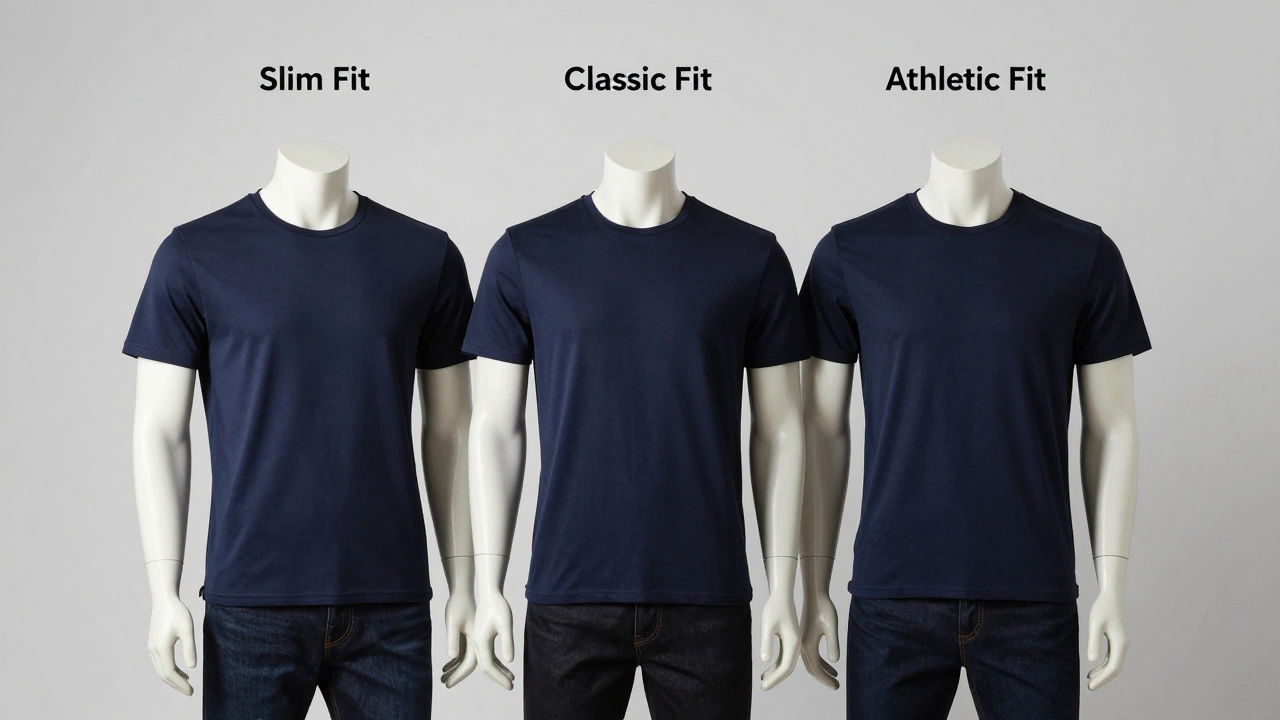
How to Actually Find Your Perfect Fit
Stop guessing based on the tag. The tag is a suggestion, not a rule. To find out what you actually need, you need a flexible measuring tape. If you don't have one, a piece of string and a ruler will work in a pinch.- The Chest: Wrap the tape around the widest part of your chest, right under your armpits. Keep the tape level and don't pull it too tight. This is the single most important number for any shirt.
- The Shoulders: Measure from the edge of one shoulder bone across your back to the other. The seam of the shirt should sit right where your shoulder ends. If it hangs down your arm, the shirt is too big.
- The Length: Measure from the top of your shoulder down to where you want the shirt to end. Ideally, it should hit mid-fly. Anything longer looks like a dress; anything shorter reveals your stomach when you reach for something on a high shelf.
Common Fit Mistakes Guys Make
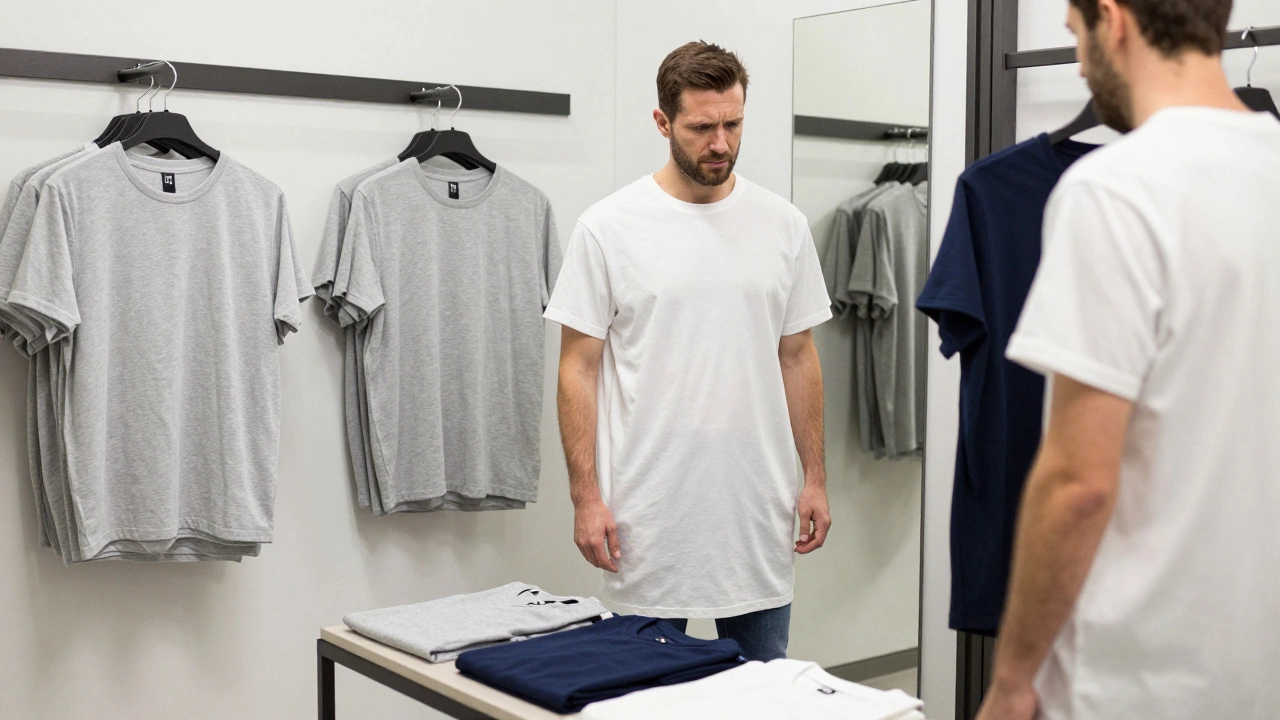
One of the biggest traps is the "Fear of Tightness." Many guys buy a size too large because they think it's more comfortable. While a baggy shirt feels easy, it actually makes you look heavier and less put-together. The goal is a "skimming" fit-where the fabric follows the lines of your body without hugging them tight. Another mistake is ignoring the sleeve length. If you have muscular arms, you might be tempted to go up a size to fit your biceps. But this usually leaves you with a chest that's way too wide and a waist that billows. The solution here isn't a bigger size; it's looking for "Athletic Fit" shirts, which are cut wider in the shoulders and narrower in the waist.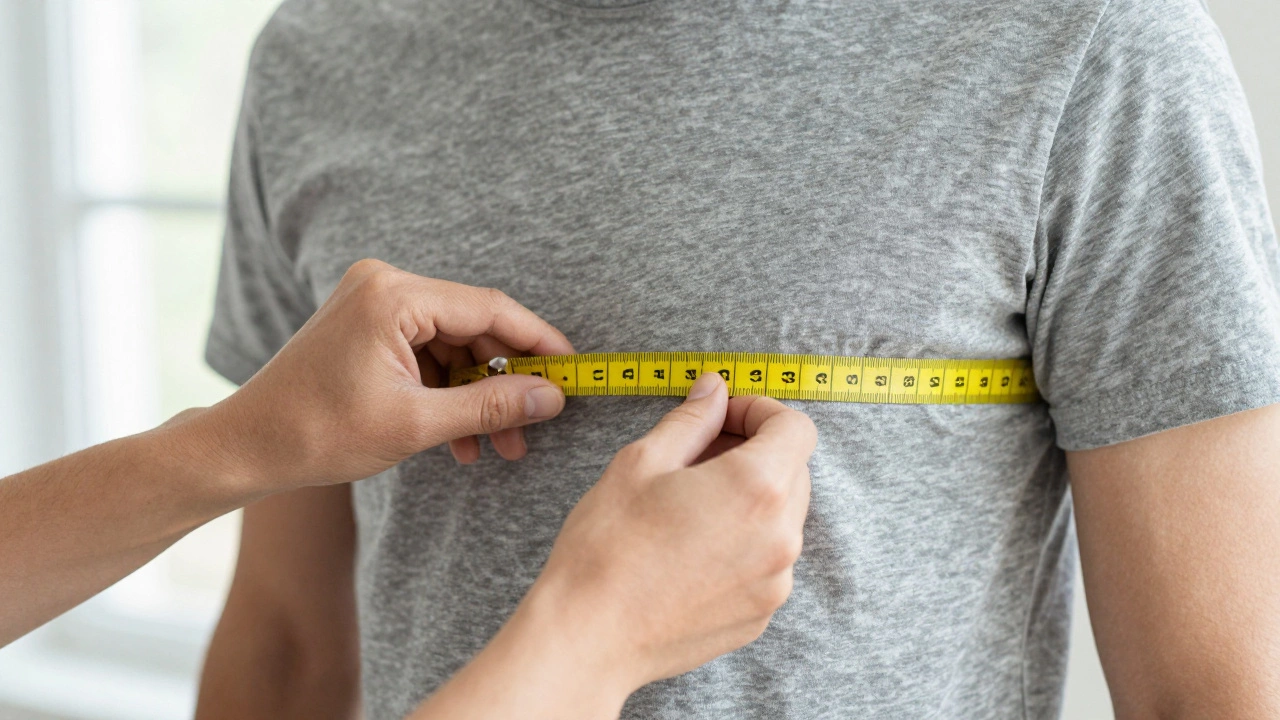
Choosing for Different Scenarios
Depending on where you're going, the "most common" size might change for you. For a gym session, you might want a Medium that wicks sweat and stays close to the skin. For a casual Saturday at the beach, an XL oversized tee is the move. If you're buying for someone else, look at the labels of the shirts they actually wear. But here's a pro tip: check if those shirts look too big or too small on them. If they're wearing a Large but it looks baggy, they're probably a Medium who just likes a loose fit. If the Medium they're wearing looks tight, they've likely grown out of it and are dreaming of a Large.What is the most common t-shirt size for men globally?
While it varies by region, Large and Medium are the most common. In North America, Large is often the top seller due to larger average body frames and a preference for a relaxed fit. In Asia and Europe, Medium is more frequently the dominant size.
Should I size up if a shirt is 100% cotton?
If the tag doesn't say "pre-shrunk," then yes, sizing up is a safe bet. Pure cotton can shrink up to 5-10% after the first few washes, especially if you use a high-heat dryer. If you're between sizes, always go larger with 100% cotton.
What is the difference between slim fit and regular fit?
A slim fit is cut closer to the body, with narrower shoulders and a tapered waist to prevent excess fabric from bunching. A regular or classic fit is boxier, providing more room in the torso and a straighter cut from the armpit to the hem.
How do I know if a shirt is too big for me?
Look at the shoulder seams. If the seam where the sleeve meets the body falls off the edge of your shoulder and onto your upper arm, the shirt is too large. Additionally, if there is more than two inches of extra fabric bunching at the waist, you should size down.
Does brand name affect the sizing?
Absolutely. Luxury brands often use "vanity sizing" or specific regional cuts. A size Medium from a high-end fashion house might be significantly smaller than a Medium from a big-box retail store like Gap or Old Navy. Always check the brand's specific size chart before buying.