Summer Coolness Index Calculator
Outfit Selector
Coolness Score
Not Calculated
Select your options above to see how your outfit performs against the summer heat!
Walking out your front door in late June feels like stepping into an oven if you haven't planned ahead. You know that moment when the humidity hits, your shirt sticks to your back, and you wish you were wearing anything else? That happens every year here in Toronto, right when the city turns on its full summer heating mode. It isn't just about avoiding the heat; it is about moving through the season with ease while still looking put together for work, dinner, or a weekend hike. Preparing for warm weather requires understanding materials, cuts, and layers.
When we talk about summer dresses, we mean lightweight garments designed for hot climates that balance breathability with aesthetic appeal. Getting your wardrobe ready before the heatwave starts makes all the difference. If you wait until July, the racks are empty and the sales prices vanish. This guide breaks down exactly what works, what fails, and how to build a capsule collection that lasts.
Fabric Science: What Keeps You Cool
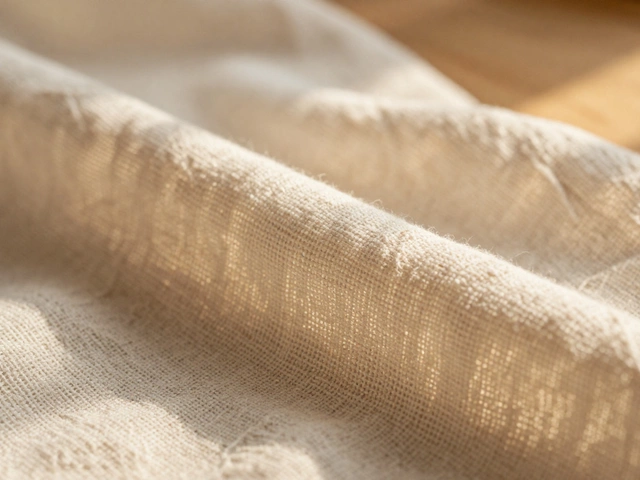
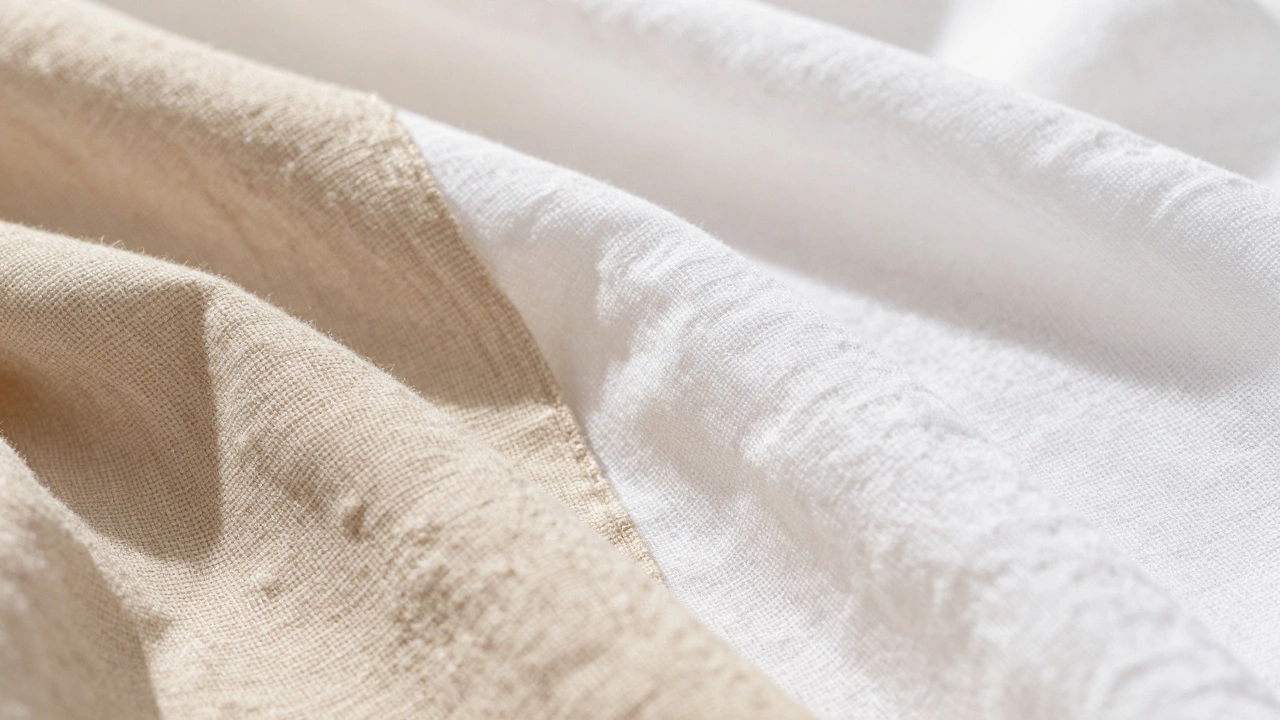
The most common mistake people make is ignoring the material entirely. You can have the perfect dress cut, but if the fabric traps heat, you will sweat through it in twenty minutes. Natural fibers behave differently than synthetics when temperatures rise above thirty degrees Celsius. Linen stands out as the heavy champion for this reason. Linen is a textile made from the fibers of the flax plant, known for high breathability and moisture absorption. The weave creates tiny air pockets that let heat escape. Unlike polyester, which holds onto body heat like a blanket, linen dries quickly after rain or sweat.
Cotton is another reliable option, though it behaves differently depending on the weight. A light chambray or poplin works well, but heavy denim jeans feel like wearing armor in August. Rayon offers a smooth finish that drapes nicely, mimicking the flow of silk without the high maintenance cost. When shopping, check the label for blend ratios. Anything with more than fifty percent synthetic material tends to feel sticky under direct sunlight. Stick to blends that prioritize natural ingredients for maximum airflow.
| Fabric Type | Airflow Rating | Wrinkle Factor | Best For |
|---|---|---|---|
| Linen | Excellent | High | All-day comfort |
| Cotton Poplin | Very Good | Moderate | Office settings |
| Silk | Good | Low | Evening events |
| Polyester Blend | Poor | Low | Active sports |
Silhouettes and Fit Choices
How clothes hang off your body impacts how much skin gets exposed to the breeze. Tight waistbands restrict movement and trap heat in core areas. Loose silhouettes encourage air circulation around your torso. A slip dress works wonders because it touches the skin less, allowing convection currents to keep you cooler. Empire waists sit higher on the stomach, leaving room for airflow below the bust. Midi Skirts provide leg coverage that protects against sunburn while remaining loose enough for ventilation.
For those working in offices with harsh air conditioning, consider a wrap dress. It adjusts to both indoor and outdoor temperatures easily. If you prefer shorts, avoid tight denim. Opt for tailored shorts made from woven fabric rather than thick knit. Sleeve length matters too. Long sleeves made of thin linen protect your arms from UV rays better than bare skin while keeping the body temperature stable. Covering up isn't always hotter; sometimes shielding your skin from direct sun is the smartest way to stay cool.
Color Psychology and Heat Reflection
Darker shades absorb thermal energy, making you feel warmer throughout the day. White, beige, and pastels reflect sunlight away from your body. While black looks chic on a runway, it acts like a solar battery in real life. Pastels also hide stains better than stark white, giving you practical peace of mind during lunch spills. Earth tones like olive green or terracotta work well for transitioning from summer into fall. They ground the look without absorbing as much heat as deep navy or charcoal.
Pattern choice also plays a role in visual cooling. Small geometric prints draw the eye across the surface without overwhelming it. Large floral prints scream "vacation," which limits their versatility for city wear. Solid colors remain timeless and easier to mix with accessories. When selecting color, think about how it pairs with your permanent wardrobe staples. If you own a lot of dark denim, lighter tops create contrast and balance.

Managing Temperature Extremes in Toronto
Summer in Ontario swings wildly between humid nights and sunny days. Humidity stops sweat from evaporating effectively, which is your body's cooling system. You need fabric that pulls moisture away from the skin. Some synthetic sportswear brands do this better than cotton, but natural fibers feel more comfortable for general wear. Carry a cardigan or light shawl in your bag. Evening events on the waterfront can drop ten degrees rapidly once the sun sets. A linen blazer adds structure without adding bulk.
UV Protection refers to clothing treatments or weaves that block harmful ultraviolet radiation from reaching the skin. Standard clothing blocks some UV rays, but tightly woven fabrics offer superior defense. Check the UPF rating if available. Darker weaves and denser knits often rank higher on protection scales. Don't rely solely on sunscreen if you are spending hours outdoors; clothing coverage is the first line of defense against long-term skin damage.
Footwear Foundations
Your shoes dictate how long you can stand outside comfortably. Leather sandals breathe better than rubber platforms, but wet pavement ruins suede instantly. Straps prevent slipping when feet swell from the heat. Clog Shoes are closed-toe footwear made of wood or cork that provides elevation and support. They offer stability for long walks while keeping toes ventilated. Canvas sneakers are a backup plan for rainy days, but flip-flops lack arch support needed for exploring cobblestone streets. Waterproof options save you from sudden storms near the lakefront.
Maintenance and Care Routines
Summer fabrics require gentler handling than winter coats. Hot water shrinks cotton immediately. Always wash delicate pieces in cold water on a gentle cycle. Hanging linen to dry avoids the creases caused by tumble drying. Ironing while slightly damp removes wrinkles faster than ironing completely dry cloth. Store items in a cool closet to prevent moth activity and yellowing. Rotate your outfits frequently to reduce the frequency of washing, extending the life of each piece.
Building the Capsule Wardrobe
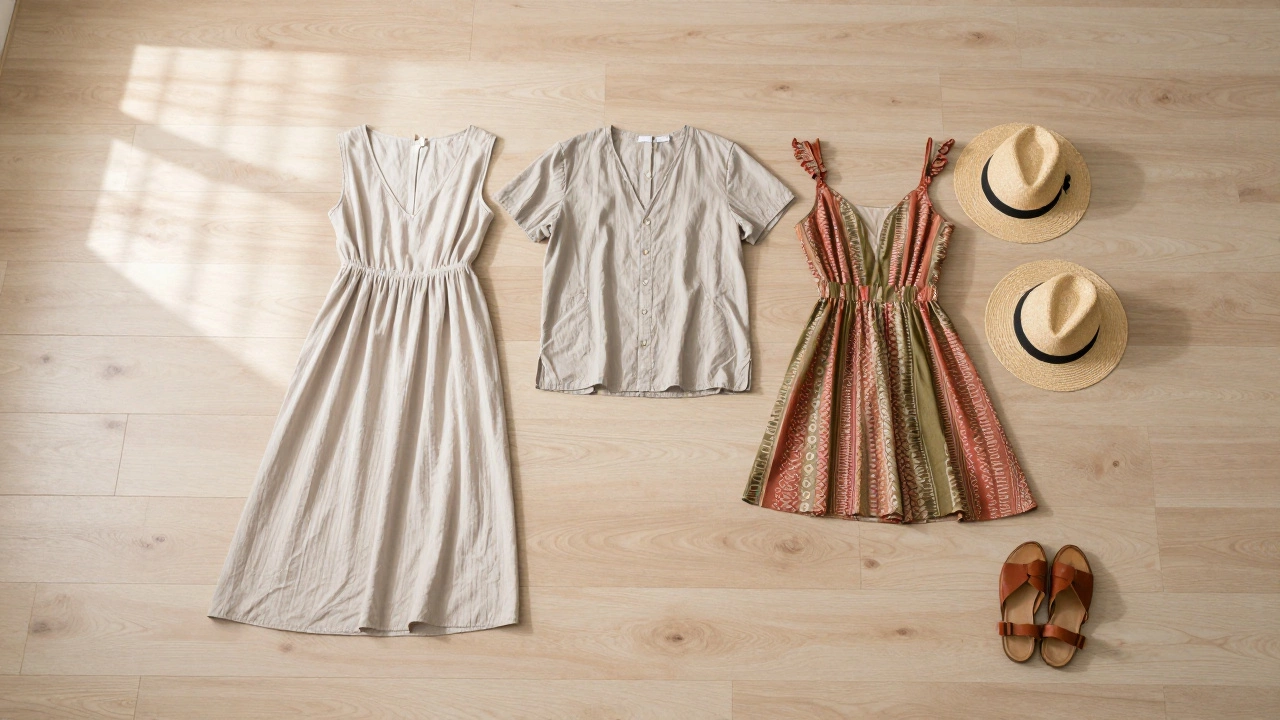
You do not need fifty dresses to survive the season. Three versatile styles cover ninety percent of scenarios. Invest in one neutral maxi for formal needs, one casual cotton shift for daily errands, and one playful patterned mini for social gatherings. Accessorize these three bases to change the entire look. Add a hat, swap necklaces, or tie a scarf at the waist. This approach reduces decision fatigue and keeps the closet clutter-free.
Is it okay to wear jeans in the summer?
Yes, if you choose lightweight denim with stretch or opt for cropped styles. Avoid heavy thick washes that trap heat against the legs.
What fabric is best for sweating?
Linen and unbleached cotton absorb moisture fastest, keeping you dryer compared to synthetic blends.
How do I stop my clothes from wrinkling?
Hang garments instead of folding them tightly, and steam them shortly after taking them out of the dryer.
Do bright colors show sweat stains less?
Lighter colors show water marks less visibly, but pastels show deodorant lines better. Navy blue hides both effectively.
Can I wear winter boots in summer?
Generally no, leather winter boots retain too much heat. Save heavy gear for colder months and switch to open sandals or canvas shoes.
Planning your summer wardrobe isn't a one-time task. It evolves as seasons change and trends shift. Prioritize comfort without sacrificing your unique style. If the foundation is solid, everything else falls into place effortlessly.