Seventy degrees feels like spring, but you’re standing in your closet wondering if a jacket is overkill. You’ve seen people in tank tops, others in light sweaters, and a few in puffer jackets. Who’s right? The answer isn’t about the number on the thermometer-it’s about what’s happening around you.
70 degrees isn’t one temperature-it’s a dozen different experiences
That 70°F reading? It’s probably from a weather app sitting in the shade, away from wind, humidity, and sun. Real life doesn’t work that way. In Toronto, 70 degrees in late November can mean bright sun after a cold snap, with wind off Lake Ontario slicing through your shirt. In May, it might be a calm afternoon with thick humidity clinging to your skin. Same number. Totally different feels.
Here’s what actually matters:
- Is it sunny or overcast?
- Is there wind?
- Are you sitting still or moving?
- What’s your body temperature usually like?
If you’re someone who runs hot, you’ll feel fine in a T-shirt. If you’re always cold-even in summer-you might need more. There’s no universal rule. But there are smart patterns.
What kind of jacket works best at 70 degrees?
Not every jacket is made for this. A heavy winter coat? Too much. A thin windbreaker? Might be perfect. Think of jackets at this temperature as layering tools, not armor.
Here are the three most practical options:
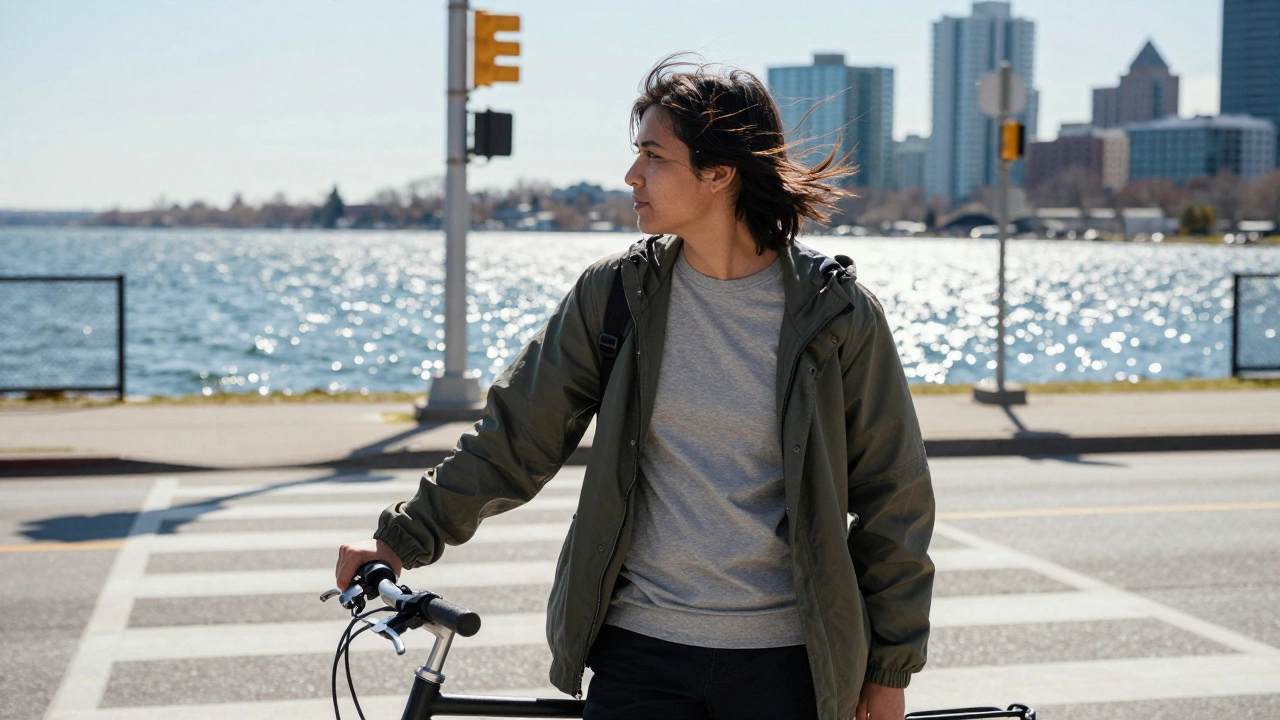
- Light windbreaker - Made of nylon or polyester, packs small, blocks breeze. Ideal if it’s 70°F with a 15 mph wind. You’ll thank yourself when you’re waiting for the bus.
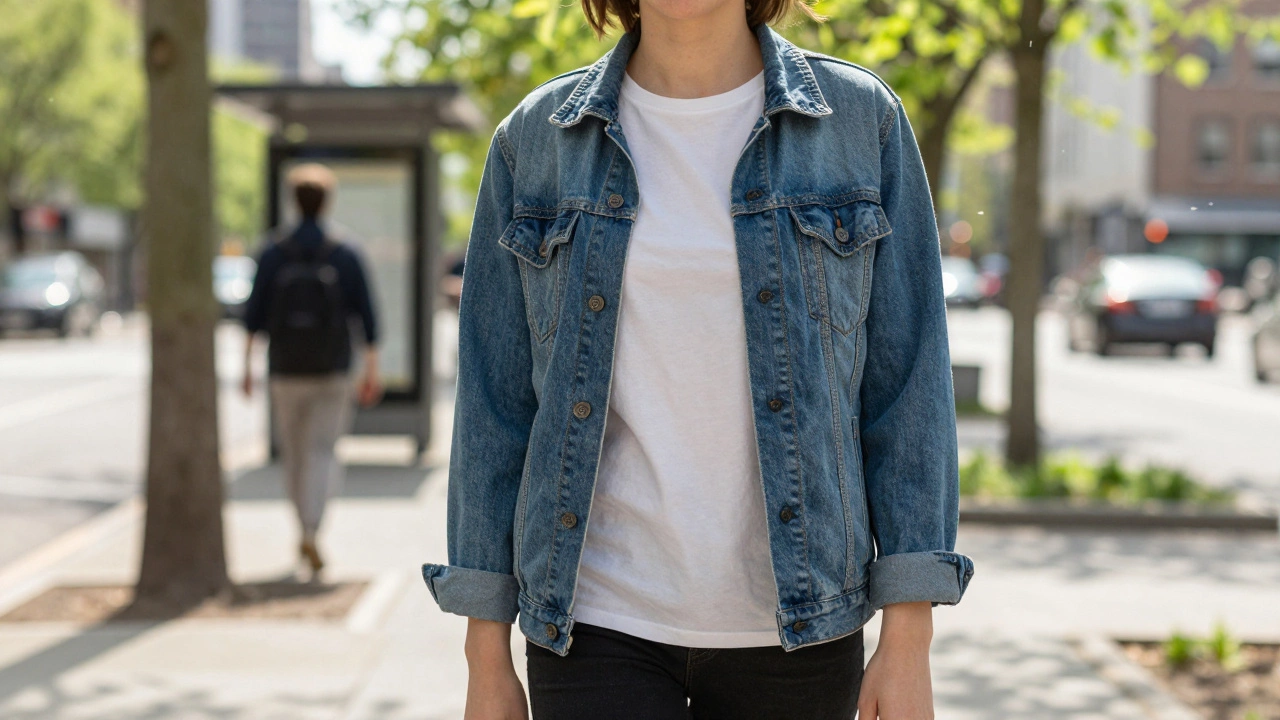
- Denim jacket - Adds structure, casual style, and a little warmth. Not insulated, but gives enough cover for a chilly morning or evening. Works whether you’re running errands or grabbing coffee.
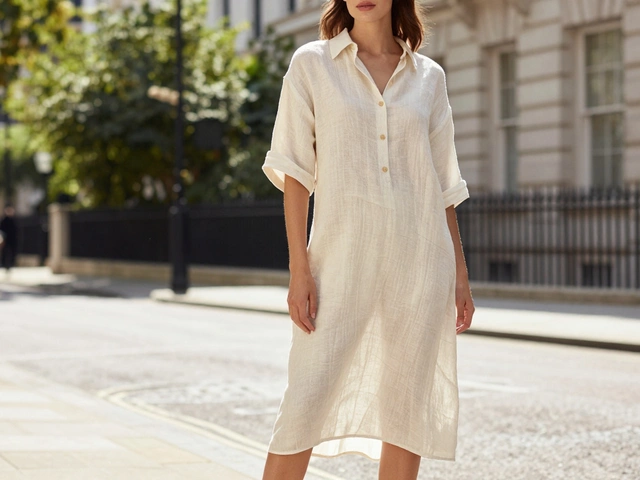
- Unlined chore jacket - Cotton or linen blend, slightly structured, breathable. Great for urban walks or outdoor dining. Lets air move, doesn’t trap heat.
Avoid these:
- Puffer jackets (too warm unless it’s 50°F or below)
- Leather jackets (unless you’re going for style over comfort-they hold heat)
- Heavy wool coats (you’ll sweat)
Why people wear jackets at 70 degrees-and why they shouldn’t
You’ve probably noticed: some folks wear jackets at 70°F because they’re used to colder weather. Others wear them because they’re cold-natured. And some? They’re just dressing for the next 20 minutes, not the current one.
Here’s a real scenario: You leave your house at 68°F, walk 10 minutes to the subway, and by the time you get there, it’s 72°F inside the station. You’re sweating under your wool pea coat. That’s not smart layering. That’s clinging to habit.
On the flip side, someone with poor circulation might shiver at 75°F. For them, a light jacket isn’t fashion-it’s function. Same temperature. Different needs.
The key? Match your jacket to your activity and environment-not your memory of last winter.
How to decide in real time
Here’s a simple decision flow you can use anytime:
- Check the wind speed. If it’s over 10 mph, grab a wind-resistant layer.
- Look at the sun. Direct sunlight adds 5-10°F of perceived warmth. If you’re in shade, you’ll feel cooler.
- Ask yourself: Will I be standing still for more than 15 minutes? If yes, add a layer.
- Are you wearing thin fabric? A cotton tee won’t hold heat. A long-sleeve base layer might be enough.
- Do you normally feel cold? Then a light jacket is fine. If you’re always warm, skip it.
Pro tip: Keep a foldable jacket in your bag. Not a bulky one-a lightweight packable windbreaker. It takes up less space than a water bottle and can turn a chilly moment into a comfortable one.
What to wear under a jacket at 70 degrees
Layering is where the real magic happens. At 70°F, you don’t need thick sweaters. You need smart combinations:
- Short-sleeve tee + windbreaker - Best for active days. Lets sweat escape, blocks wind.
- Long-sleeve cotton shirt (open) - Adds coverage without heat. Perfect for office-to-outdoor transitions.
- Light thermal top - If you’re chilly, a thin merino wool base layer gives warmth without bulk.
- Nothing - Seriously. If you’re walking fast or the sun’s out, you might not need anything under the jacket at all.
Don’t over-layer. The goal isn’t to be warm-it’s to stay comfortable as conditions shift.
What people in Toronto actually do
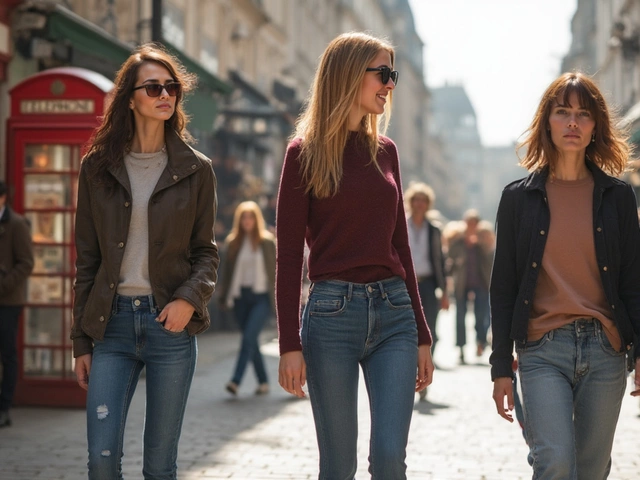
In Toronto, 70°F in November is rare but not unheard of. When it happens, the streets turn into a fashion experiment. You’ll see:
- Students in hoodies and jeans, no jacket
- Office workers in button-downs with unbuttoned blazers
- Seniors in light cardigans, even when it’s 72°F
- Cyclists in windbreakers, zipped halfway
No one’s wrong. They’re just responding to their own comfort, not a weather app.
What works for most? A denim jacket or a packable shell. It’s light enough to carry, stylish enough to wear, and just enough to block a breeze without overheating.
When to skip the jacket entirely
You don’t need a jacket if:
- You’re walking or moving at a brisk pace
- The sun is shining and there’s no wind
- You’re wearing a long-sleeve shirt or light sweater
- You naturally run warm
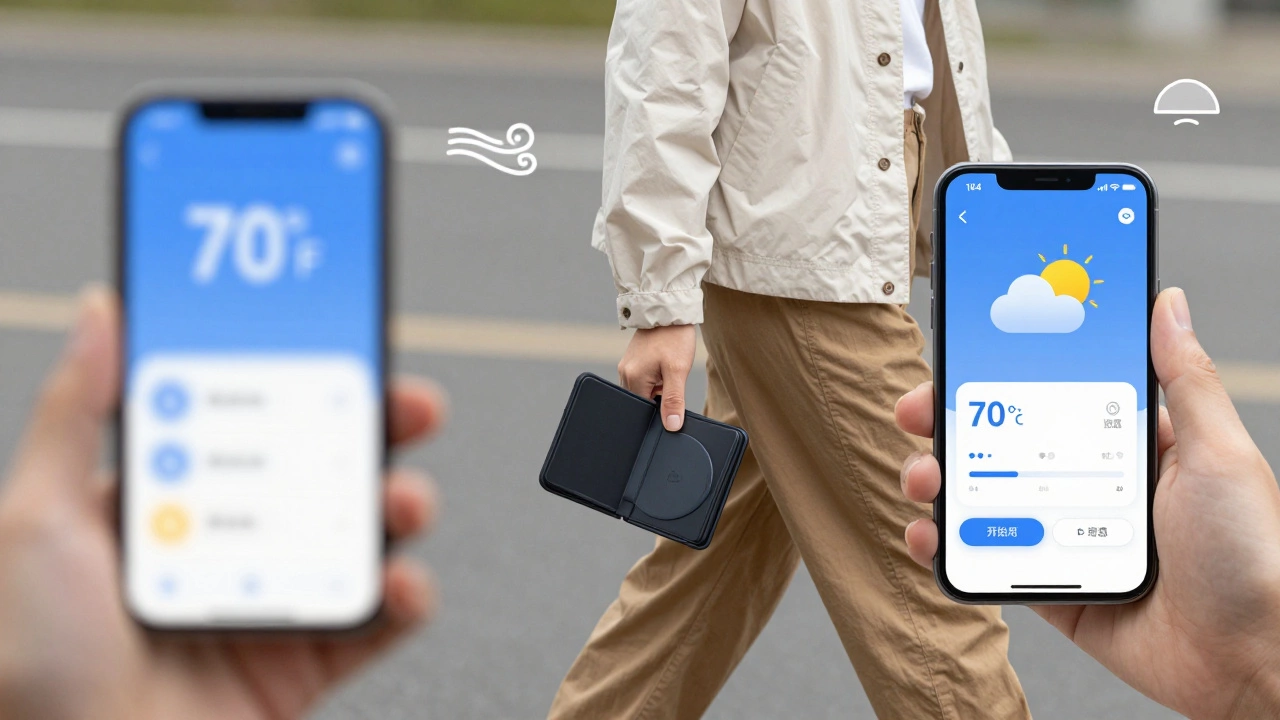
Try this test: Put on your outfit. Stand still for 30 seconds. If you feel chilly, add a layer. If you feel fine-or start to warm up-leave it off. Your body knows more than any app.
Final rule: It’s about transition, not temperature
70 degrees isn’t a jacket rule. It’s a transition zone. It’s the temperature where you’re not sure if you’re in fall or spring. That’s why layering wins.
Carry a light jacket. Wear it if you need it. Take it off when you don’t. Don’t overthink it. Don’t feel pressured by what others are wearing. Comfort isn’t about following trends-it’s about listening to your own body.
Is 70 degrees too cold for a jacket?
No, 70 degrees isn’t too cold for a jacket-but it’s also not cold enough for a heavy one. A light windbreaker, denim jacket, or chore jacket works well. It’s about blocking wind or adding a touch of warmth, not staying insulated.
Should I wear a jacket indoors if it’s 70 outside?
Usually not. Indoor temperatures are typically kept between 68-72°F, so you’ll likely feel fine in just a T-shirt or light shirt. If you’re coming from outside and feel chilly, wait 5-10 minutes before removing your jacket. Your body adjusts faster than you think.
What’s the best material for a 70-degree jacket?
Nylon, polyester, and lightweight cotton are best. They’re breathable, packable, and don’t trap heat. Avoid thick wool, down, or leather unless you’re in a windy or shaded area. Merino wool base layers under a light shell work well if you run cold.
Do I need a jacket at 70 degrees if I’m not cold?
No. If you’re active, moving, or feel warm, skip it. Jackets at this temperature are for protection from wind or sudden drops-not for warmth. Listen to your body, not the forecast.
Is it weird to wear a jacket in 70-degree weather?
Not at all. Weather is local, personal, and unpredictable. Someone might wear a jacket because they’re sensitive to wind, have low body heat, or are heading somewhere colder. It’s not about being weird-it’s about being prepared.
Next steps: Build your 70-degree kit
Here’s what to keep handy:
- One lightweight, packable windbreaker (in your bag or car)
- One denim or chore jacket (for style + light warmth)
- One long-sleeve cotton shirt (to wear open or layered)
- One thin merino wool top (if you’re always chilly)
That’s it. No need for five jackets. Just the right three for the in-between days. When 70°F hits, you’ll be ready-not overdressed, not underprepared.