Hoodie Lifespan Estimator
Not sure if you're getting your money's worth? Estimate how many times you can wear a specific hoodie before it shows significant wear or fails.
Select options to see your estimate.
Estimated Timeframe:
Based on wearing 1-2 times per week.
You buy a hoodie because it feels like a hug you can wear. It becomes your go-to for coffee runs, lazy Sundays, and pretending you're going to the gym. But then, one day, the cuffs are loose, the color is faded, or there's a hole where your phone pocket used to be. You look at it and wonder: did I ruin this in six months, or should it have lasted years?
The truth is, hoodie lifespan isn't random; it's a calculation of fabric quality, washing habits, and usage intensity. Most people guess wrong. They think expensive means durable, or that all cotton is created equal. Let’s break down exactly how many wears you can expect from different types of hoodies and what actually kills them fastest.
The Short Answer: What to Expect
If you want a number right now, here is the realistic range based on average usage (wearing it 1-2 times a week) and proper care:
- Budget Fast Fashion ($20-$40): 50-100 wears. Think H&M or Shein. The pilling starts fast, and the shape warps after 10 washes.
- Mid-Range Staples ($50-$80): 150-300 wears. Brands like Uniqlo, Champion, or American Apparel. These hold up well if you don’t throw them in the dryer on high heat.
- Premium Heavyweight ($100+): 500+ wears. Think Carhartt, Patagonia, or high-end streetwear. If you treat these gently, they can last five years or more.
Why such a big gap? Because a hoodie isn't just one thing. It’s a combination of yarn weight, knit density, and dye stability. Let’s look at what drives those numbers.
Fabric Quality Is the Biggest Factor
Not all cotton is the same. When you check the tag, ignore the brand logo and look for the GSM (grams per square meter). This tells you how heavy and dense the fabric is.
A thin lightweight fleece (under 250 GSM) feels airy but tears easily. It pills quickly because the fibers are short and loosely spun. On the other hand, heavyweight French terry (350-500 GSM) has tighter loops and longer staple cotton. It resists abrasion from backpack straps and car seatbelts much better.
| Fabric Type | GSM Range | Common Use | Estimated Wears |
|---|---|---|---|
| Thin Cotton Blend | 150-250 | Summer layering | 50-80 |
| Standard Fleece | 250-350 | Daily casual | 100-200 |
| Heavyweight Terry | 350-450 | Cold weather | 300-500 |
| Technical Blends | Variable | Athletic/Sweat | 200-400 |
Blends matter too. A hoodie with 10% polyester might seem worse than 100% cotton, but that synthetic fiber adds strength and helps the garment keep its shape. Pure cotton shrinks and loses elasticity faster. If you see "combed ring-spun cotton," that’s a good sign-it means the fibers were smoothed out before knitting, reducing pilling.
Your Washing Machine Is Killing Your Hoodies
Here is the hard pill to swallow: most hoodies die from laundry abuse, not wear and tear. Heat is the enemy. Every time you toss a hoodie into a hot wash and a high-heat dryer, you’re shrinking the fibers and breaking down the elastic in the cuffs and waistband.
Consider this scenario: You wear a mid-range hoodie 100 times. If you wash it in cold water and air dry it, it looks new at wear #100. If you wash it in warm water and tumble dry it on high every third wear, it looks like it’s been worn 300 times. The agitation in the washer causes friction between fibers, leading to pilling. The heat destroys spandex (elastane), which is what makes the cuffs snap back.
To double the lifespan of any hoodie:
- Wash inside out. This protects the outer face of the fabric from rubbing against other clothes.
- Use cold water only. Hot water sets stains but also fades dyes and shrinks cotton.
- Skip the dryer when possible. Lay it flat to dry. Hanging wet hoodies stretches the shoulders.
- Wash less often. Unless you sweated through it, spot clean it. Air it out instead.
Where Do Hoodies Actually Fail?
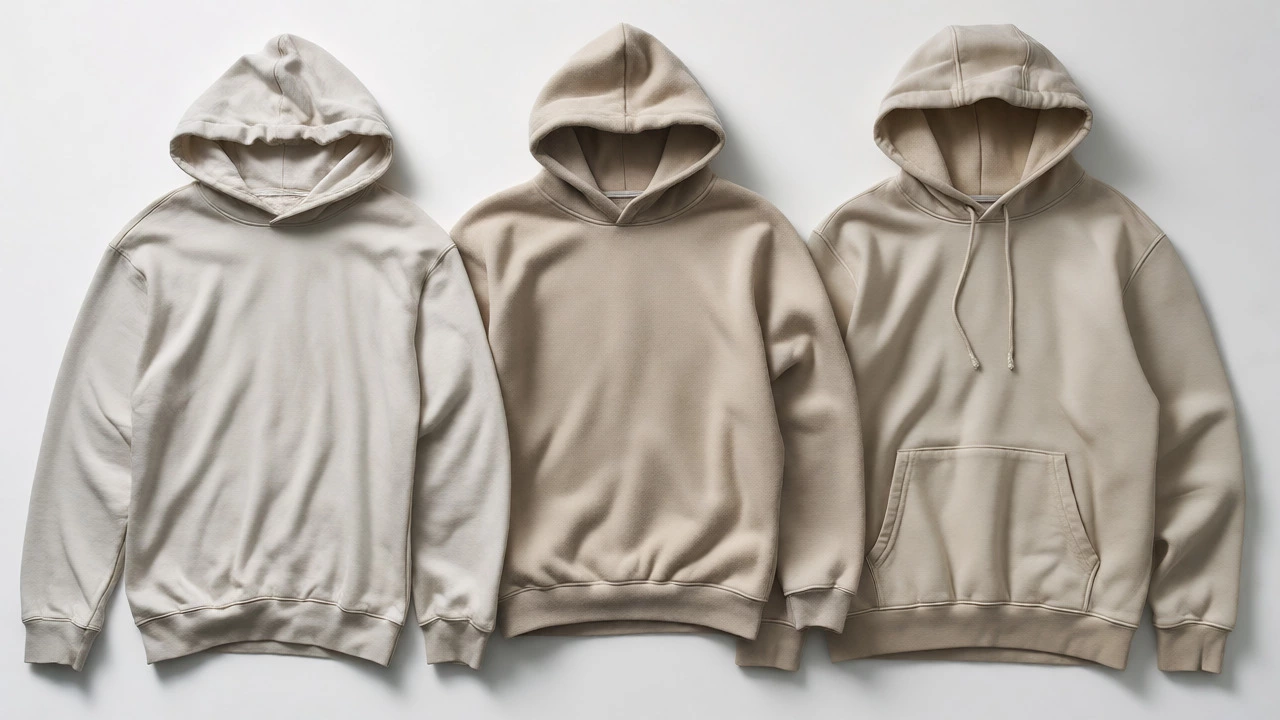
It’s rarely the main body that gives out first. Specific stress points fail predictably. Knowing where to reinforce or replace can save you money.
The Cuffs and Hem: This is usually the first thing to go. The ribbing contains elastane. Over time, heat and stretching cause the rubber-like material to degrade. Once the cuffs are baggy, the hoodie looks sloppy even if the body is fine. There’s no easy fix for degraded elastane except replacing the garment or getting a tailor to re-knit the cuffs (which costs almost as much as a new hoodie).
The Pocket Seams: If you carry keys, phones, or wallets in the front pouch, you’re putting constant tension on the side seams. Cheap stitching unravels here first. Look for reinforced stitching or bar-tacks at the corners of pockets if you want longevity.
The Drawstring Area: The holes where the drawstrings come out often tear because of friction. Also, strings themselves shrink or fray. Keep them tied loosely or remove them entirely if you never use them.
Lifestyle Impact: How You Wear It Matters
A hoodie worn primarily for lounging on the couch will last three times longer than one used as active outerwear. Why? Friction. Backpacks rub against the shoulders. Seatbelts chafe the chest. Gym equipment scrapes the elbows.
If you commute via public transit or bike in Toronto, your hoodies take a beating. The metal bars on buses, the rough texture of subway seats, and the wind all contribute to abrasion. In contrast, someone working from home who wears their hoodie only for video calls and evening walks will see minimal wear patterns.
Also, consider layering. Wearing a hoodie under a jacket protects it from direct abrasion. Using it as the outermost layer exposes it to dirt, rain, and UV rays. Sunlight fades dyes significantly over time, especially on black and navy blue fabrics. If you hang-dry outside, turn the hoodie inside out to prevent sun bleaching.

Signs It’s Time to Let Go
When does a hoodie stop being "vintage" and start being "trash"? Here are the clear indicators:
- Severe Pilling: Small balls of fiber cover the surface. While you can shave them off with a fabric shaver, excessive pilling indicates broken fibers that will eventually create holes.
- Shape Loss: The shoulders have dropped, and the hem doesn’t sit straight. This means the structural integrity of the knit is gone.
- Color Fade: Black has turned grey, or red has turned pink. Dye loss is irreversible.
- Holes in High-Stress Areas: Elbows, knees (if sweatpants), or pocket corners. Small holes can be patched, but multiple holes mean the fabric is thinning everywhere.
Don’t feel guilty about retiring a hoodie. If it’s still structurally sound but just ugly, cut it up for rags. If it’s falling apart, recycle it. Textile recycling programs are expanding, so try not to send it straight to landfill.
Pro Tips to Extend Life
You don’t need expensive gadgets to make your hoodies last. Just small habit changes.
Rotate your collection. Don’t wear the same hoodie two days in a row. Fibers need time to relax and regain shape. Having 3-4 favorites in rotation spreads the wear.
Invest in a fabric shaver. A $15 electric lint remover can revive a pilled hoodie instantly. It cuts off the fuzzy balls without damaging the base fabric. Do this once a month.
Store properly. Fold hoodies rather than hanging them for long periods. Hangers stretch the necklines and shoulders. If you must hang them, use padded hangers or fold them over the bar.
Check the care label. Yes, it’s boring. But some technical blends require specific detergents. Enzyme-based detergents can eat away at wool blends if used incorrectly.
Do expensive hoodies really last longer?
Generally, yes, but not always. Expensive hoodies often use higher-quality, longer-staple cotton and heavier weights, which resist pilling and tearing better. However, luxury brands sometimes prioritize softness over durability. Always check the GSM and fabric composition rather than just the price tag.
How many times can I wear a hoodie before washing it?
If you aren’t sweating heavily, you can wear a hoodie 3-5 times before washing. Spot-clean stains immediately and air it out between wears. Over-washing is the primary cause of premature aging in cotton garments.
Can I fix a stretched-out hoodie?
Sometimes. Soak the hoodie in warm water mixed with hair conditioner, then gently squeeze out excess water (don’t wring) and reshape it while laying it flat to dry. This can help relax tightened fibers, but it won’t restore lost elasticity in the cuffs.
Is it better to hang or fold hoodies?
Fold them. Hanging heavy hoodies, especially wet ones, stretches the shoulders and neckline due to gravity. Folding maintains the original shape. Only hang them briefly if you need to air them out, and avoid wire hangers.
What is the best way to remove pilling?
Use an electric fabric shaver or a battery-operated lint remover. Manual options like a razor blade work but risk cutting the fabric if you aren’t careful. Shave in one direction lightly. Do this after washing and drying when the fibers are relaxed.