Summer Fabric Comfort Checker
How to use: Select a fabric from the grid below to see if it's a "Cool Choice" or a "Heat Trap" for your summer wardrobe.
Select a Fabric:
Fabric Name
RatingBreathability: -
Moisture: -
Verdict: -
Please select a fabric to see the summer performance analysis.
- Polyester and Nylon: Trap heat and lock in moisture.
- Acrylic: Heavy and lacks breathability.
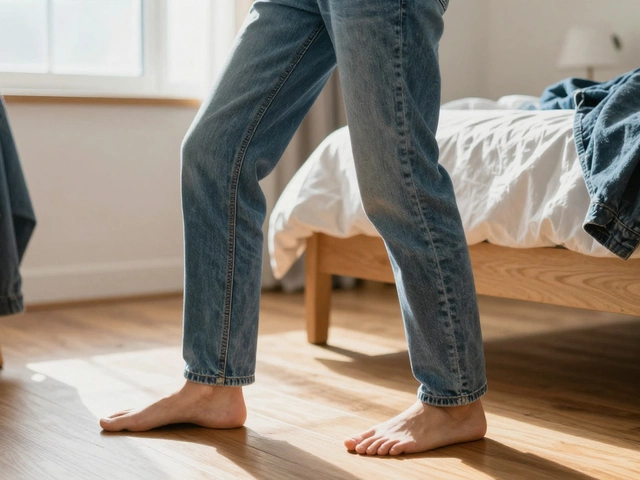
- Heavy Denim: Too thick for air circulation.
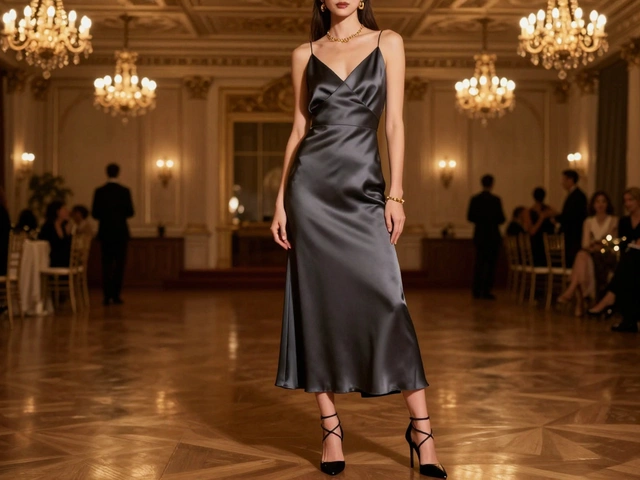
- Satin (Synthetic): Slippery but suffocating.
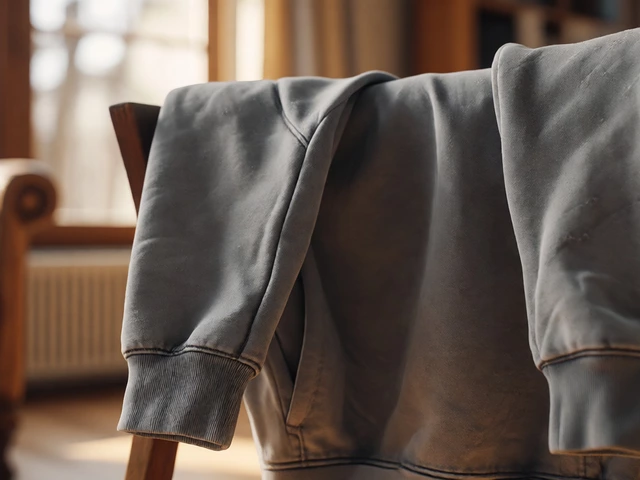
- Velvet: Far too dense for temperatures above 70°F.
The Plastic Trap: Why Polyester is Your Worst Enemy
When you look at the tags on your summer dresses, you'll likely see Polyester appearing everywhere. It's cheap, it doesn't wrinkle, and it holds color well. But here is the problem: it's essentially a plastic polymer. Because it's derived from petroleum, it doesn't absorb water. Instead, it pushes moisture away from the fabric but traps it against your skin.
Think of it like wearing a thin layer of shrink-wrap. In a cool office with high-blast air conditioning, polyester feels fine. But the moment you hit 90°F with 60% humidity, the fabric stops allowing air to circulate. This creates a microclimate of heat and moisture between the cloth and your body. If you've ever felt a "sticky" sensation that doesn't go away even in a breeze, you were likely wearing polyester or a poly-blend.
The same logic applies to Nylon. While great for swimwear because it dries quickly, wearing a nylon-heavy blouse or dress for a day trip is a mistake. Nylon is another synthetic that lacks the porous structure needed for heat to escape. It might feel cool to the touch initially, but it quickly becomes a heat trap.
The Weight Problem: Heavy Denim and Thick Weaves
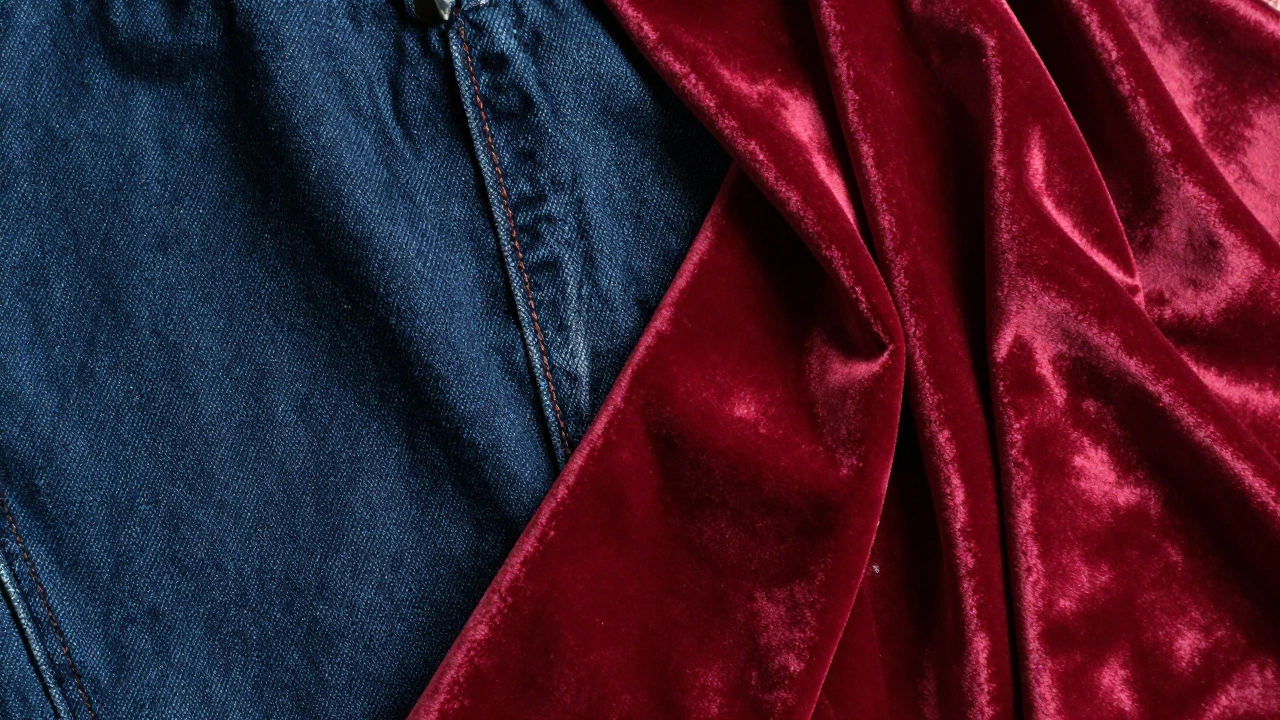
We love our jeans, but wearing heavy-duty Denim in the peak of August is a gamble that usually ends in discomfort. Denim is a sturdy twill weave, often made from thick cotton yarns. While cotton is generally breathable, the density of the denim weave acts as a barrier. It's designed to protect you from abrasion and wind, not to let a summer breeze reach your skin.
If you absolutely must wear denim, look for "lightweight" or "summer weight" versions. These have a lower ounce-per-yard weight. However, standard raw denim or heavy vintage jeans will hold onto heat long after you've stepped into the shade. The thickness prevents the evaporation of sweat, which is your body's primary way of cooling itself down. When sweat can't evaporate, you stay hot, and the fabric becomes heavy and damp.
Similarly, avoid Velvet or heavy corduroy. These fabrics have a pile-extra fibers that stand up from the base-which traps air and heat. While a velvet blazer looks stunning for a winter gala, wearing it in July is an invitation to overheat within minutes.
The Illusion of Luxury: Synthetic Satins and Acrylics
Not all shiny fabrics are created equal. Genuine silk is a natural protein fiber that can be quite breathable. However, most "satin" found in fast-fashion stores is actually Acetate or polyester satin. These materials mimic the look of luxury but offer none of the thermoregulating properties. They cling to the body and create a seal that prevents airflow.
Then there is Acrylic. Often used as a cheap substitute for wool, acrylic is a synthetic fiber that is notoriously bad at managing moisture. If you see an acrylic-blend knit dress, leave it on the rack. Acrylic doesn't just trap heat; it often feels "itchy" when you sweat, as the synthetic fibers irritate the skin that is already sensitized by heat and moisture.
| Fabric Type | Breathability | Moisture Absorption | Cooling Effect |
|---|---|---|---|
| Polyester | Low | Very Low | Poor |
| Linen | Very High | High | Excellent |
| Heavy Denim | Low | Medium | Poor |
| Cotton | High | High | Good |
| Acrylic | Low | Low | Poor |
How to Spot the "Fake" Breathable Clothes
Marketing teams are great at naming things. You'll see labels like "Cool-Tech," "Air-Flow," or "Summer Breeze" on clothing. But the name of the product doesn't matter; the composition on the care tag does. If a dress is labeled "Breeze" but the tag says 100% polyester, it's not going to be breathable.
Check for the percentage of synthetic fibers. A 95% polyester and 5% spandex blend is common for stretch, but it still behaves like polyester. If you want real cooling, look for a high percentage of natural fibers. Linen is the gold standard here because the fibers are thick and stiff, which keeps the fabric away from your skin and allows air to flow freely.
Another red flag is the "feel" of the fabric. If it feels slightly waxy or overly smooth (like a gym shirt), it's likely designed to wick moisture for a workout, not to keep you cool during a casual stroll. While moisture-wicking is good for the gym, for everyday summer wear, a fabric that actually allows air to pass *through* the weave is much more comfortable.

The Danger of Heat Rash and Skin Irritation
Wearing non-breathable fabrics in high heat does more than just make you sweat. It can lead to Miliaria, commonly known as heat rash. This happens when your sweat ducts become blocked, trapping perspiration under the skin. This creates those tiny, itchy red bumps often found in skin folds or areas where tight, synthetic clothing rubs against the body.
Synthetic fabrics like nylon and polyester exacerbate this because they don't allow the skin to "off-gas." When the moisture is trapped, it creates a warm, damp environment that is perfect for bacteria and fungal growth. This is why you might notice a breakout on your back or chest after a day in a polyester dress. Switching to a natural fiber like cotton or hemp allows the skin to breathe and the sweat to evaporate, significantly reducing the risk of irritation.
The Smart Switch: What to Wear Instead
If you're purging your closet of the "heat traps," what should you replace them with? Start with linen. It's a bit prone to wrinkling, but that's part of the summer aesthetic. Linen's weave is loose, making it the most breathable option available. If linen is too expensive or too scratchy, go for organic cotton or Tencel (lyocell).
Tencel is a great middle-ground. It's made from wood pulp and is naturally more absorbent than cotton. It has a silkier feel than linen but doesn't trap heat like polyester. For those who want a bit of structure without the heat of denim, try chambray. It looks like denim but is a plain weave that is much thinner and lighter.
When choosing the cut of your clothing, remember that the fabric is only half the battle. A loose, flowing silhouette combined with a breathable fabric is the ultimate defense against the heat. A tight polyester dress is a disaster, but a loose polyester dress is still a mistake. Always prioritize the material first, then the fit.
Is cotton always the best choice for summer?
Generally, yes, but with a catch. Cotton is breathable and absorbs moisture, but it doesn't dry quickly. If you sweat heavily, a 100% cotton shirt can become heavy, soggy, and cling to your body. For extremely humid environments, linen is often better because it dries faster and allows more air to circulate.
Can I wear polyester if it's a loose-fitting dress?
A loose fit helps by allowing some air to move around the fabric, but the fabric itself still acts as a barrier. You'll feel cooler than you would in a tight dress, but you'll still be trapping more heat than you would in cotton or linen. It's a better option than a tight synthetic, but not as good as a natural fiber.
What is the difference between silk and synthetic satin?
Silk is a natural protein fiber that can regulate temperature and is relatively breathable. Synthetic satin is usually made from polyester or acetate, which are plastics. The main difference is that silk allows air and moisture to move through it, while synthetic satin traps them, making you feel hot and sticky.
Why does linen wrinkle so much, and does it matter?
Linen wrinkles because the fibers are stiff and don't have much elasticity. While it might look less "polished" than a pressed polyester dress, the wrinkles are a sign of the fabric's natural state. In summer fashion, these wrinkles are widely accepted as part of the relaxed, breezy look.
Are "moisture-wicking" fabrics good for everyday summer wear?
They are excellent for exercise because they move sweat away from the skin to the surface of the fabric to evaporate. However, for a whole day of casual wear, they can sometimes feel "plasticky" and may trap odors more than natural fibers. For a dress or a casual shirt, a naturally breathable fabric like cotton is usually more comfortable.