UK Footwear Slang Quiz
Think you can navigate a high street shop in London? Test your understanding of the specific terms Brits use for boots, trainers, and dress shoes.
Loading question...
You walk into a high street shop in London, Manchester, or Glasgow, and you hear the same word repeated over and over: trainers. If you are from North America, this might throw you for a loop. You came looking for sneakers, but the sign says trainers. And if you ask for boots, you might get confused looks depending on what kind of boot you mean. British English has a rich, specific vocabulary for footwear that often confuses visitors. It’s not just about swapping "sneakers" for "trainers." There is a whole ecosystem of words like wellies, plimsolls, brogues, and DMs that carry cultural weight and specific definitions.
Why does this matter? Because using the wrong term can make you look like an outsider instantly. More importantly, it helps you buy the right thing. Asking for "boots" when you want rain gear might get you leather hiking shoes instead of rubber galoshes. Let’s break down exactly what British people call their footwear, why they use these terms, and how to navigate the UK shoe market without embarrassment.
The Great Trainer vs. Sneaker Divide
In the United States, "sneakers" is the default word for athletic shoes. In the UK, Australia, and much of the Commonwealth, that word is almost never used in everyday conversation. Instead, everyone calls them trainers. The term comes from the fact that these shoes were originally designed for track and field training. Unlike "sneakers," which refers to the quiet sound they make on pavement, "trainers" describes their function.
If you say "sneakers" in a British pub, people will understand you, but they’ll know immediately you’re American. Conversely, if you go to New York and ask for trainers, you might get blank stares until you clarify you mean athletic shoes. This linguistic split isn’t just regional; it reflects different marketing histories. Nike and Adidas launched massive campaigns in the US under the sneaker banner, cementing that word in American culture. In the UK, the term trainer stuck because of its utility-focused origin.
It’s worth noting that even within the UK, there are nuances. Younger generations sometimes use "kicks" as slang for expensive or trendy trainers, similar to hip-hop culture in the US. But if you are buying standard gym shoes, stick to trainers. It’s the neutral, universally understood term across all social classes and regions.
Boots: A Broad Category with Specific Names
When Americans say "boots," they usually mean anything above the ankle. In the UK, "boot" is also a general term, but context matters heavily. If you ask for boots in winter, you expect sturdy, insulated footwear. However, the UK has specific names for specific types of boots that don’t always translate directly.
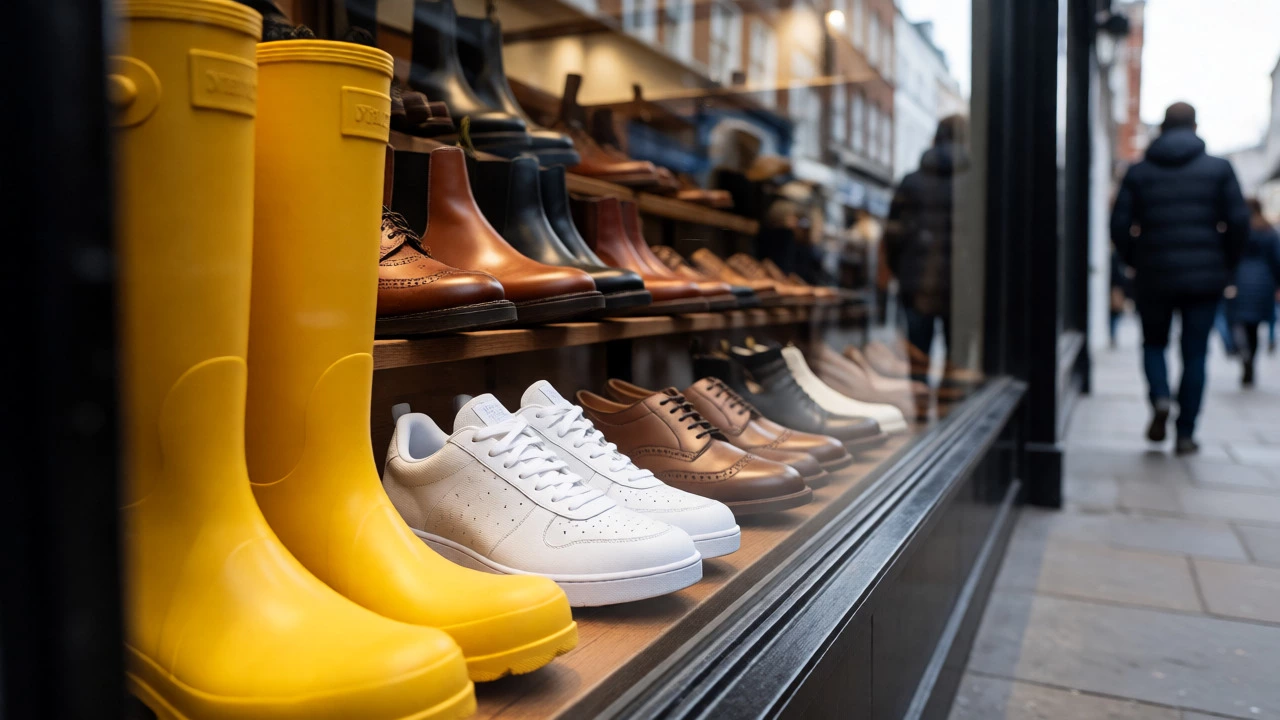
For example, what Americans call "rain boots" are called wellies (short for Wellington boots) in the UK. Named after Arthur Wellesley, the Duke of Wellington, who popularized a version of the boot in the early 19th century, wellies are iconic British footwear. They are typically made of rubber or PVC and are essential for the wet British climate. If you ask for "rain boots" in a UK store, you might get waterproof leather walking boots rather than the bright yellow rubber ones you see at festivals.
Another common confusion involves work boots. In the US, steel-toe caps are standard for construction. In the UK, safety boots are common, but the terminology often leans toward "work boots" or simply "safety shoes." Also, note that "cowboy boots" are still called cowboy boots, but they are seen as novelty or fashion items rather than practical wear for most Brits.
Common Boot Types and Their UK Names
| US Term | UK Term | Description & Context |
|---|---|---|
| Rain Boots | Wellies | Rubber boots for mud and rain. Essential for countryside living. |
| Hiking Boots | Walking Boots | Sturdy leather boots for trails. Often have Gore-Tex lining. |
| Chelsea Boots | Chelsea Boots | Elastic-sided ankle boots. Popular in mod and rock cultures. |
| Combat Boots | DMs / Doc Martens | Heavy lace-up boots. "DMs" is genericized trademark slang. |
| Cowboy Boots | Cowboy Boots | Fashion item. Rarely used for actual farm work in the UK. |
Plimsolls, Daps, and Canvas Classics
Before modern foam-soled trainers dominated the market, school children wore canvas shoes with rubber soles. In the US, these are often called Keds or tennis shoes. In the UK, they have several names depending on where you grew up. The most common term is plimsolls. This name comes from the idea that if you step in water, the waterline reaches the "plim line" (the seam between the sole and the upper). If you go past that line, your feet get wet.
However, regional dialects vary wildly. In Scotland, they might be called "daps." In some parts of Northern England, they are known as "slappers" or "guttas." If you are shopping for vintage canvas shoes, searching for "plimsolls" will yield the best results online. Brands like Converse Chuck Taylors are often categorized here too, though many people just call them "Converse."
These shoes are lightweight and breathable, making them popular for summer wear or casual outings. They lack the arch support of modern trainers, so wearing them for long walks might cause foot pain. But for a quick trip to the corner shop or a music festival, they remain a staple.
Dress Shoes: Brogues, Oxfords, and Loafers
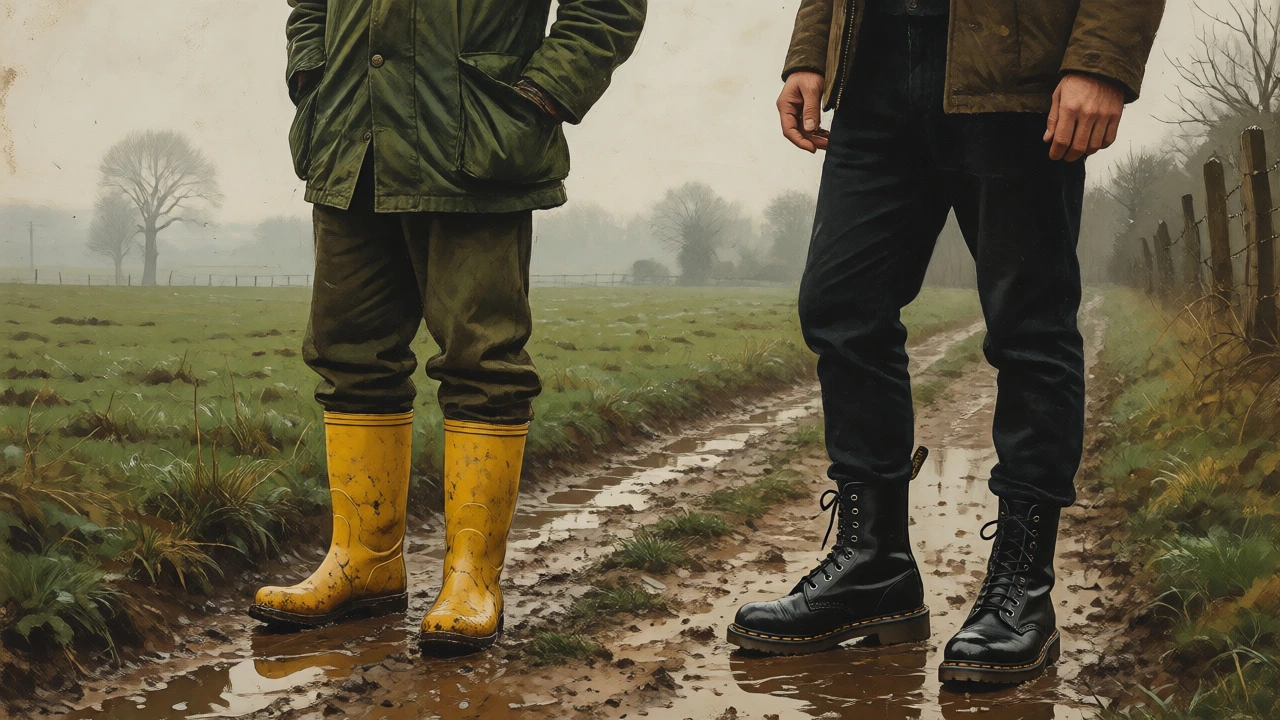
British formalwear has a precise language. While "dress shoes" is understood, men often specify the style. Brogues are leather shoes with decorative perforations (broguing). These range from full brogues (wingtips) to semi-brogues. They originated as Irish and Scottish working shoes but became fashionable office wear.
Oxfords are more formal, closed-lace dress shoes. Derbies are open-lace and slightly less formal. If you are attending a wedding or a business meeting in London, knowing the difference helps you pick the right pair. Loafers are slip-ons, often worn without socks in summer. In the UK, wearing loafers with visible white socks was once a major fashion faux pas, though trends change rapidly.
Women’s dress shoes include court shoes (high heels with no straps), pumps, and ballet flats. The term "court shoe" is distinctly British, referring to the shoes worn at court by royalty. Today, it just means a classic high heel.
Sports-Specific Footwear Terms
Football (soccer) is huge in the UK, and so is football-specific footwear. What Americans call cleats, Brits call football boots. Yes, they are called boots even if they are low-cut. If you ask for soccer cleats in a UK sports store, you might get directed to the rugby section or receive confused looks.
Rugby players wear similar boots but with reinforced toes for kicking. Cricket shoes are specialized spikes for grip on grass. Tennis shoes are rarely called tennis shoes anymore; most people just say "tennis trainers" or specify the brand. Golf shoes are another category, featuring soft spikes to protect the green.
Regional Slang and Generational Shifts
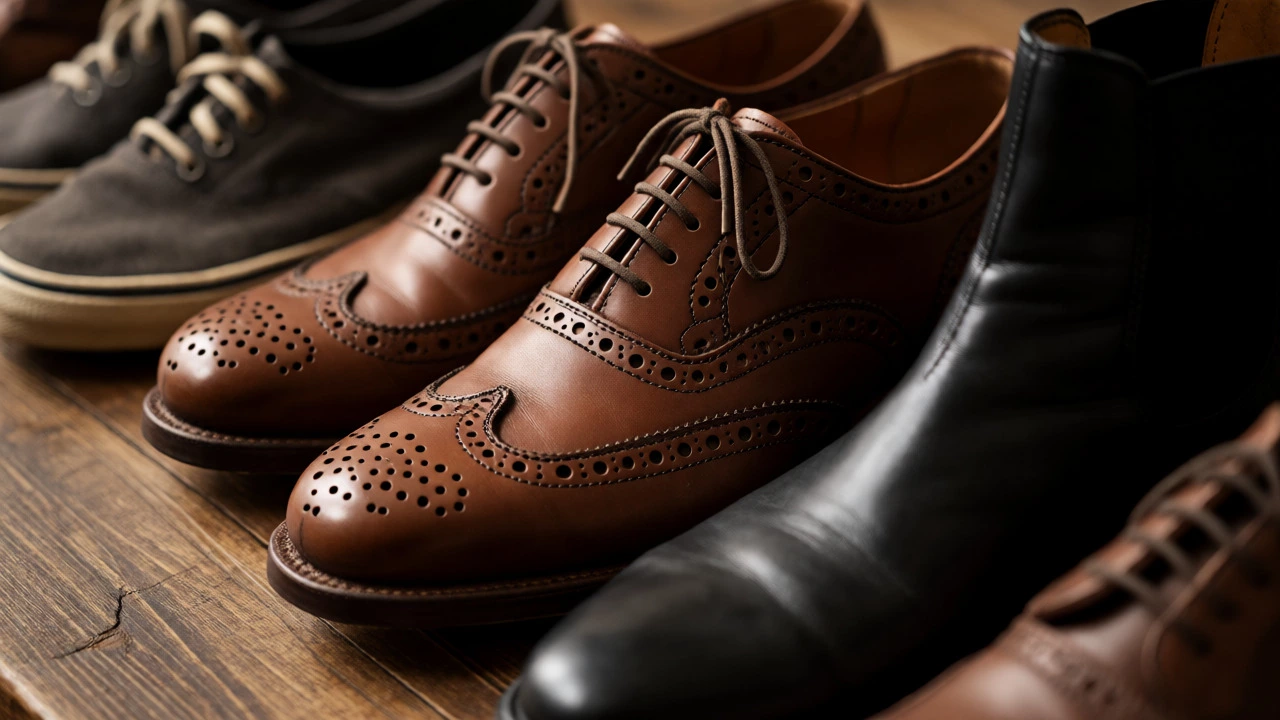
Language evolves. Older generations might still use terms like "sandshoes" for lightweight athletic shoes, a term largely extinct among younger people. Similarly, "welly boots" is slowly being replaced by just "wellies" or even "rubber boots" in urban areas.
London slang has introduced terms like "jellies" for jelly sandals (like Crocs or Havaianas). In Liverpool, "scouse" dialect might influence pronunciation, but the core vocabulary remains consistent. The key takeaway is that while slang exists, the standard terms-trainers, wellies, plimsolls-are understood nationwide.
How to Buy Shoes Like a Local
If you are visiting the UK or shopping from international retailers targeting the UK market, here is a quick cheat sheet:
- Athletic Shoes: Ask for trainers. Avoid "sneakers" unless you want to signal you are American.
- Rain Gear: Ask for wellies. Specify height (long or short).
- Casual Canvas: Look for plimsolls or branded canvas shoes.
- Formal Wear: Know if you need brogues (casual/formal hybrid) or oxfords (strictly formal).
- Sport: Football boots for soccer, walking boots for hiking.
Size conversion is another hurdle. UK sizes differ from US sizes. Generally, subtract two sizes from your US men’s size to get the UK equivalent (e.g., US 10 = UK 8). Women’s conversion is usually subtract one or two, depending on the brand. Always check the retailer’s specific size guide.
Why Does This Vocabulary Persist?
You might wonder why the UK doesn’t just adopt global terms. Part of it is cultural identity. Language reinforces belonging. Using local terms signals that you respect or belong to the community. Additionally, the UK’s history with manufacturing-particularly in places like Northampton for leather goods and Bolton for cotton-created distinct product categories that retained their original names.
Moreover, British humor and understatement play a role. Calling heavy-duty work boots "wellies" sounds less imposing than "heavy-duty rubber galoshes." It fits the national character of minimizing fuss. Understanding this nuance adds depth to your interaction with British culture.
Do British people ever use the word sneakers?
Rarely in everyday conversation. Most Brits find the word "sneakers" distinctly American. While they understand it, using it marks you as a foreigner. The preferred term is universally "trainers," regardless of age or region.
What are wellies?
Wellies is short for Wellington boots. They are waterproof rubber or plastic boots used primarily for protection against rain and mud. They are iconic in British culture, especially for farming, gardening, and attending outdoor music festivals like Glastonbury.
Are plimsolls the same as Vans or Converse?
Yes, technically. Plimsolls refer to any canvas shoe with a rubber sole. Converse Chuck Taylors and Vans Authentic fall into this category. However, many people now just use the brand name. "Plimsoll" is more commonly used for unbranded or school-issue versions.
Why do Brits call soccer shoes boots?
Historically, football footwear was made of heavy leather and covered the ankle, resembling boots. Even though modern football boots are lightweight and low-cut, the name stuck. It distinguishes them from general-purpose trainers.
What is the difference between brogues and oxfords?
Oxfords have closed lacing systems (eyelets stitched under the vamp) and are more formal. Brogues feature decorative perforations along the seams. You can have brogue-style oxfords or brogue-style derbies. Brogues are generally considered smart-casual, while plain oxfords are strictly formal.