Billionaire Wardrobe Simulator
Enter your current clothing habits to see how a high-quality, low-maintenance wardrobe compares financially and mentally.
Current Habits (Fast Fashion)
Gates-Style Goal (Capsule)
Financial Efficiency
Decision Fatigue Savings
Based on your inputs, the Gates-style capsule offers significant advantages in both long-term cost efficiency and mental bandwidth preservation.
You’d think a man who built one of the largest software companies in history would be draped in custom-tailored suits or exclusive designer labels. But if you look closely at photos of Bill Gates, you’ll notice something surprisingly ordinary: he wears plain, unbranded t-shirts and simple sweaters. This isn’t an accident or a sign of laziness. It’s a deliberate choice that reflects a broader shift in how successful people view clothing. The question "What brand does Bill Gates wear?" doesn’t have a single answer like "Gucci" or "Armani." Instead, the answer is about utility, comfort, and a specific approach to decision-making that many tech leaders adopt.
This article breaks down exactly what Bill Gates wears on his upper body, why he chooses these items, and how you can replicate this effortless, low-maintenance style without breaking the bank. We’re talking about real-world applications, not just celebrity gossip. If you’ve ever wondered whether you need expensive clothes to look professional, Gates’ wardrobe offers a compelling counter-argument.
The Reality Behind the "Plain Shirt" Myth
Let’s clear up the confusion immediately. Bill Gates does not wear shirts from a single, identifiable commercial brand that you can buy off the rack with a visible logo. In fact, most of the t-shirts seen in public appearances are either custom-made for him or sourced from high-end but minimalist retailers that don’t plaster their names across the chest. When people ask about the brand, they are often looking for a shortcut to status. They assume that if they buy the same shirt, they’ll get the same level of success or respect. That’s a logical leap, but it misses the point entirely.
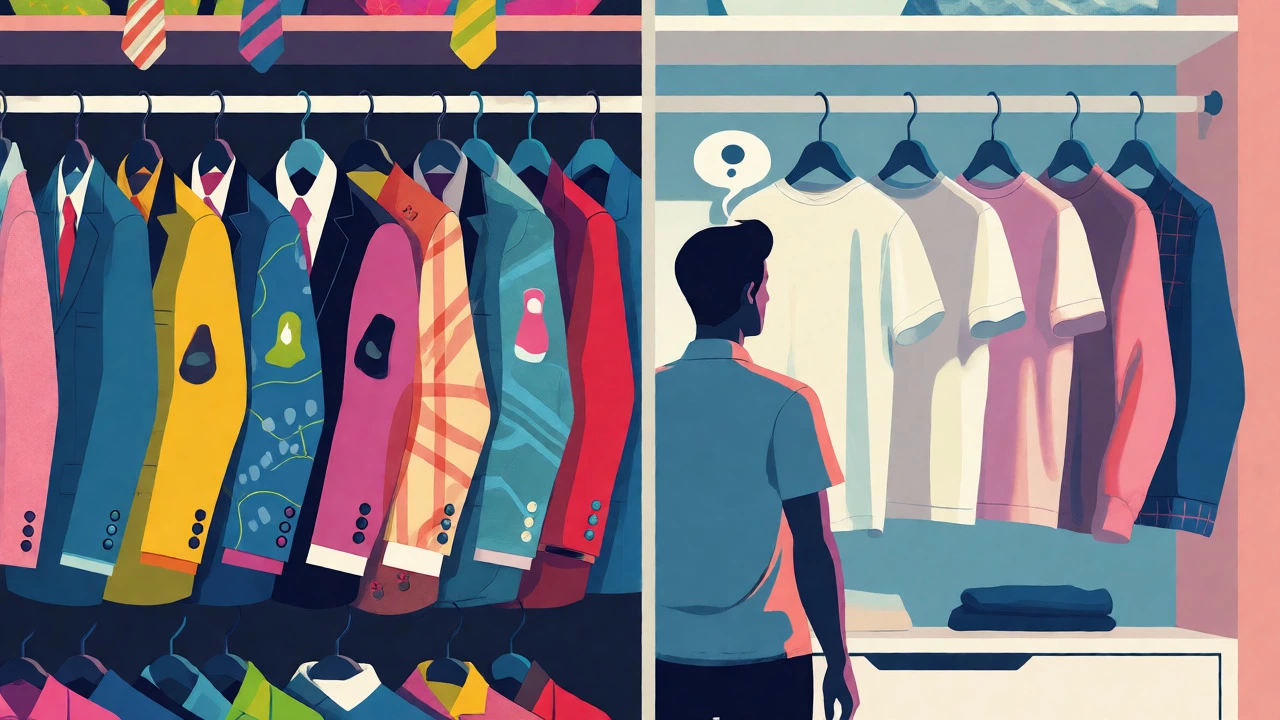
Gates has famously spoken about minimizing "decision fatigue." This is the mental exhaustion that comes from making too many trivial choices throughout the day. By wearing the same type of clothing-neutral colors, simple cuts-he removes one variable from his morning routine. He doesn’t stand in front of a closet wondering if his blue shirt matches his grey trousers. He grabs a clean, well-fitting top and moves on. This concept, popularized by other figures like Steve Jobs (who wore black turtlenecks) and Mark Zuckerberg (grey t-shirts), is now known as a "capsule wardrobe" approach.
So, where do the shirts actually come from? Reports and interviews suggest that Gates relies on two main sources:
- Custom Tailors: For his more formal-looking knitwear and higher-quality cotton tees, he likely uses local tailors in Seattle or Washington state who create pieces based on his precise measurements.
- Minimalist Luxury Brands: While he avoids logos, the quality of the fabric suggests brands known for basic essentials. Think along the lines of Uniqlo U collections for affordability or Loro Piana and Brunello Cucinelli for ultra-high-end cashmere blends that feel invisible but cost thousands.
The key takeaway here is invisibility. The brand doesn’t matter because the fit and the fabric do. You won’t see a Nike swoosh or a Ralph Lauren polo pony. You see smooth, matte fabrics that drape correctly over the shoulders.
Why Tech Leaders Choose Bland Over Bold
It’s easy to dismiss Gates’ style as eccentricity, but there’s solid psychology behind it. Research from Northwestern University found that wearing certain types of clothing can influence cognitive performance-a phenomenon called "enclothed cognition." However, for Gates, the goal isn’t to boost confidence through power dressing; it’s to preserve mental energy for complex problems. When your brain isn’t processing whether your tie is straight, it has more bandwidth for strategic thinking.
Consider the contrast with traditional corporate attire. A standard business suit requires maintenance: dry cleaning, ironing, matching belts to shoes, and worrying about stains. A high-quality t-shirt or sweater requires none of that. It’s durable, washable, and forgiving. This practicality appeals to engineers and programmers who value efficiency above all else. Why spend twenty minutes getting ready when you could spend that time reading or planning?
Furthermore, this style signals a different kind of authority. In the past, wealth was displayed through conspicuous consumption-visible logos, flashy patterns, and recognizable emblems. Today, especially in the tech sector, wealth is displayed through discretion. Wearing a $500 t-shirt that looks like a $20 t-shirt is a subtle flex. It says, "I don’t need you to know how much I paid for this. I bought it because it feels good." This understated elegance has become the uniform of the modern elite.
Decoding the Fabric: What Makes a "Billionaire Tee" Different?
If you try to copy Bill Gates’ look with a cheap pack of three white tees from a big-box store, you’ll likely fail. The difference lies in the material science. Gates favors natural fibers or high-tech blends that breathe well and maintain their shape after washing. Synthetic materials like polyester tend to pill, smell, and lose structure quickly. Natural cotton, specifically long-staple cotton, feels softer and lasts longer.
Here is a breakdown of the attributes that define the type of clothing Gates wears versus average mass-market options:
| Feature | Bill Gates Style (High-End Minimal) | Mass Market Basic |
|---|---|---|
| Fabric Type | Supima Cotton, Merino Wool, Cashmere Blends | Standard Short-Staple Cotton, Polyester Mix |
| Fit | Tailored Slim Fit (custom or premium cut) | Boxy or Generic Standard Fit |
| Durability | Maintains shape/color for years | Shrinks, fades, or stretches within months |
| Branding | No visible logos (Invisible Branding) | Prominent logos or graphic prints |
| Cost Per Wear | Low (due to longevity) | Higher (due to frequent replacement) |
The term "Supima Cotton" might sound fancy, but it’s simply a designation for American-grown extra-long staple cotton. It’s stronger, softer, and resists pilling better than regular cotton. When you touch a shirt made from Supima or Egyptian cotton, you’ll notice a silky smoothness that cheap cotton lacks. This tactile experience is part of why Gates sticks to these materials. Comfort isn’t just about temperature regulation; it’s about how the fabric feels against your skin during a ten-hour workday.
How to Build Your Own "Gates-Style" Wardrobe
You don’t need a billion dollars to dress like Bill Gates. You need to prioritize quality over quantity. The strategy is simple: buy fewer items, but buy them better. Here is a step-by-step guide to assembling a capsule wardrobe inspired by Gates’ aesthetic.
- Audit Your Current Closet: Pull out every t-shirt and sweater. Discard anything with large logos, faded colors, or stretched necklines. Keep only neutral colors: white, black, navy, grey, and beige.
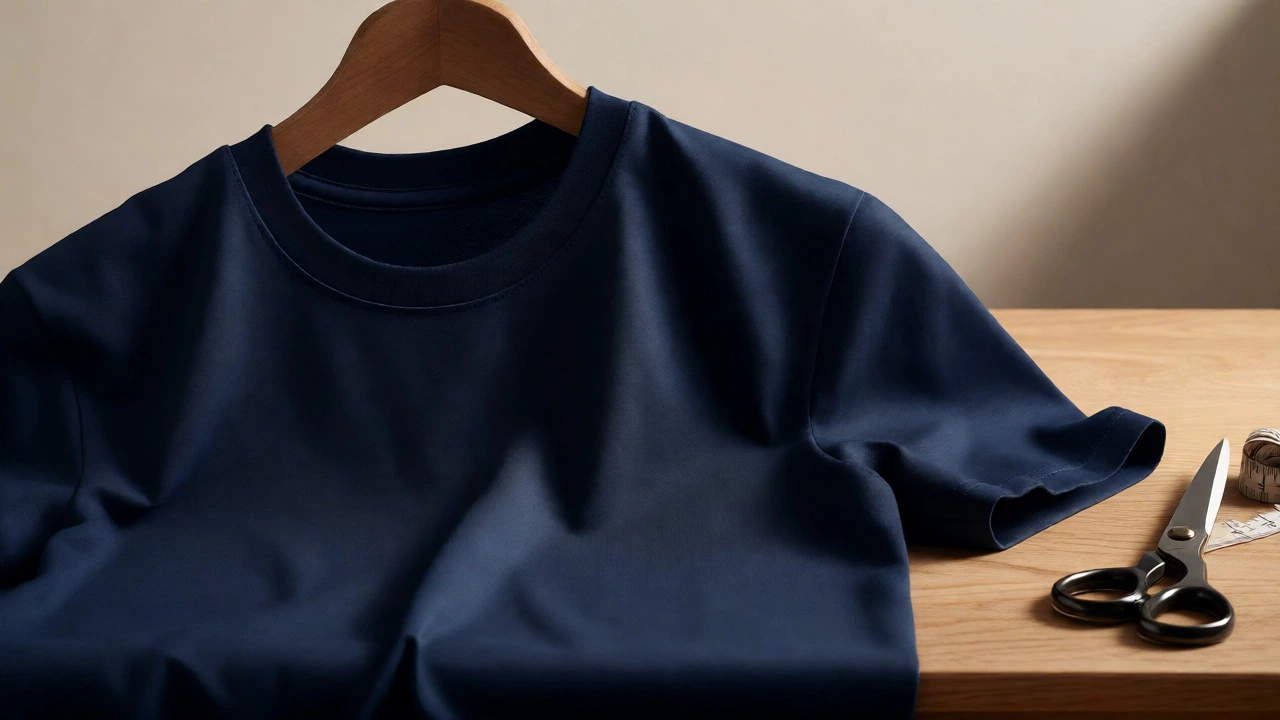
- Invest in Fit: Before buying new items, take your existing best-fitting shirt to a tailor. Ask them to mark where adjustments are needed. Alternatively, measure your chest, shoulder width, and sleeve length precisely. A poorly fitting expensive shirt looks worse than a well-fitting cheap one.
- Select Premium Fabrics: Look for tags that say "100% Cotton," "Merino Wool," or "Cashmere Blend." Avoid anything with more than 5% synthetic fiber unless it’s a specific performance feature. Search for keywords like "heavyweight cotton" (180gsm+) for durability.
- Embrace Neutral Palettes: Stick to a color scheme that mixes easily. Navy and grey are safe bets for both casual and semi-formal settings. White is crisp but high-maintenance; use it sparingly.
- Remove Visual Noise: Cut off tags if they itch. Ensure buttons are secure. Iron or steam your shirts regularly. Wrinkles ruin the minimalist illusion instantly.
Where should you shop? You don’t need Loro Piana. Brands like Everlane, Uniqlo, and J.Crew offer excellent basics at mid-range prices. These companies focus on transparency and material quality rather than hype. You can find a Merino wool crewneck sweater for under $100 that will last five years if cared for properly. Compare that to a fast-fashion sweater that loses its shape after two washes. The math favors the investment piece.
The Role of Context: When to Dress Up vs. Down
One criticism of the Gates-style approach is that it can seem too casual for certain environments. While Gates himself rarely attends black-tie galas, most professionals still navigate offices with dress codes. The trick is layering. Gates often pairs his simple tops with structured blazers or cardigans. This adds professionalism without sacrificing comfort.
Think of the t-shirt or thin sweater as the base layer. On top, add a jacket or coat that provides structure. A navy blazer over a white tee elevates the look instantly. It signals that you understand context-you’re relaxed enough to skip the tie, but respectful enough to cover up. This hybrid approach works in creative industries, tech startups, and increasingly in finance and law firms that have moved toward "business casual."
However, be aware of the pitfalls. Wearing a wrinkled t-shirt to a client meeting can signal disrespect or disorganization. The rule of thumb: if the event involves external stakeholders or first impressions, add a layer. If it’s internal team collaboration, go bare-bones. Knowing when to break the "uniform" is just as important as maintaining it.
Common Misconceptions About Billionaire Fashion
People often confuse minimalism with poverty. They see Gates in a sweater and assume he’s being frugal. In reality, he’s being efficient. There’s a massive difference between spending money to save time and refusing to spend money at all. Gates spends freely on experiences, technology, and philanthropy. He just refuses to waste resources on vanity metrics like clothing labels.
Another myth is that this style is exclusive to men. Women in leadership roles, such as Melinda French Gates (his ex-wife and fellow philanthropist), also embrace timeless, classic pieces over trend-driven fast fashion. The principle applies universally: choose clothes that serve you, not the other way around.
Finally, some argue that wearing bland clothes makes you forgettable. But consider this: in a sea of people trying to stand out with loud patterns and logos, the person who looks calm, put-together, and comfortable stands out precisely because they aren’t trying too hard. Confidence comes from competence, not couture. When you stop worrying about your outfit, you project an air of self-assurance that no brand name can buy.
Practical Tips for Maintaining Your Capsule Wardrobe
Owning fewer, higher-quality items means each piece gets worn more frequently. This accelerates wear and tear, so care routines become critical. Here’s how to keep your Gates-inspired staples looking fresh:
- Wash Less: Unless visibly dirty or sweaty, air out your clothes instead of washing them. This preserves fiber integrity.
- Cold Water Only: Hot water shrinks cotton and damages wool. Always wash in cold.
- Air Dry: Tumble drying breaks down elastic fibers. Hang dry your t-shirts and lay flat your sweaters to prevent stretching.
- Rotate Items: Don’t wear the same shirt two days in a row. Letting fibers rest helps them recover their shape.
- Use a Steamer: A handheld steamer is faster and gentler than an iron. It removes wrinkles without crushing the fabric texture.
By following these steps, you extend the life of your clothing, reducing overall costs and environmental impact. It’s a win-win scenario that aligns with the pragmatic philosophy behind Gates’ choices.
Does Bill Gates wear any specific brand of t-shirts?
No, Bill Gates does not publicly endorse or consistently wear a single commercial brand. Most of his t-shirts are believed to be custom-made or sourced from high-end minimalist retailers that produce unbranded, high-quality basics. He prioritizes fabric quality and fit over brand recognition.
Why does Bill Gates wear the same clothes every day?
He follows a strategy to minimize "decision fatigue." By automating his clothing choices, he saves mental energy for more significant decisions related to his work and philanthropy. This practice is common among high-performing individuals in the tech industry.
Can I achieve this look on a budget?
Yes. You don't need to buy luxury brands. Focus on buying fewer items made from natural fibers like 100% cotton or merino wool. Mid-range brands like Uniqlo or Everlane offer similar quality at accessible price points. Proper fit is more important than the price tag.
Is it appropriate to wear a t-shirt to a business meeting?
It depends on the company culture. In tech and creative fields, a high-quality t-shirt paired with a blazer is often acceptable. In traditional finance or law, it may be too casual. Always assess the dress code norms of your specific workplace before adopting this style fully.
What colors does Bill Gates typically wear?
He sticks to neutral, versatile colors such as navy blue, grey, black, white, and beige. These colors mix and match easily, reducing the complexity of coordinating outfits and ensuring a polished appearance regardless of the combination.