Evening Dress Color Finder
Select your skin undertone and event type to find flattering hues that match lighting conditions and social context.
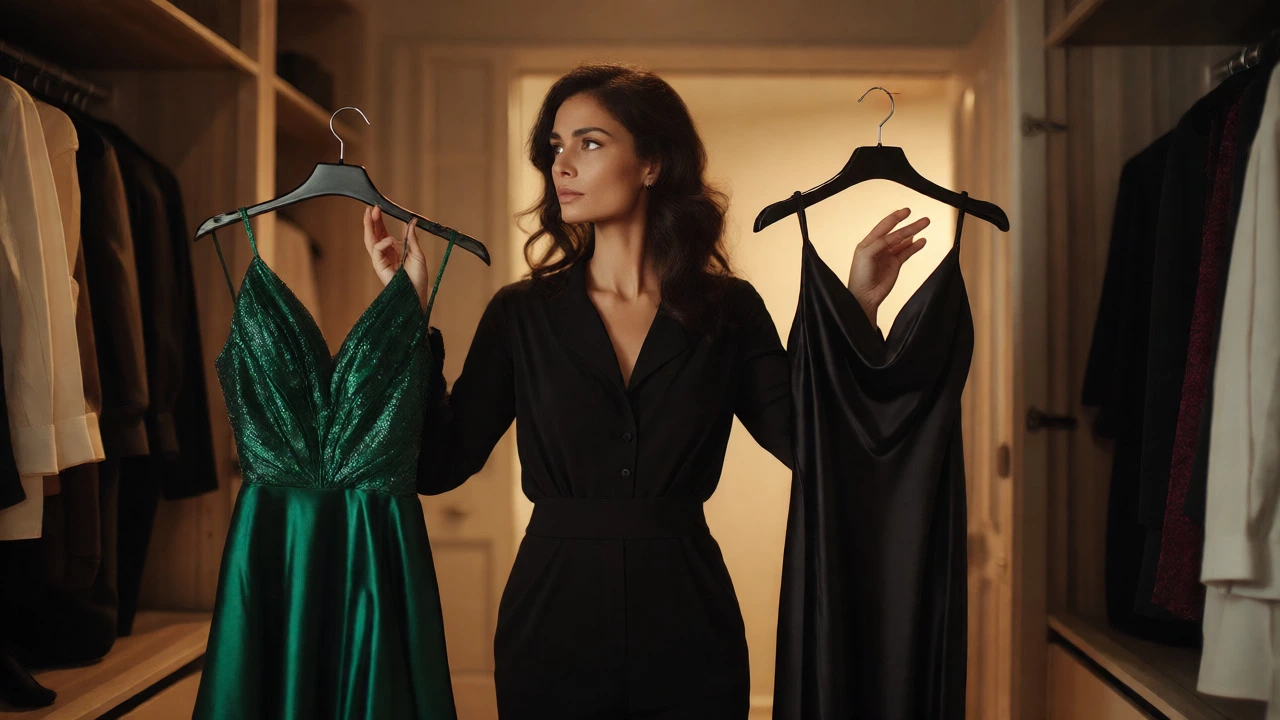
You’re staring at your closet, holding a sparkly emerald gown in one hand and a sleek black slip in the other. The invitation says "Black Tie," but it doesn't say what shade will make you feel like the main character. Choosing the best color for an evening dress isn’t just about following trends; it’s about matching your skin tone, the event vibe, and your personal comfort level. It’s the difference between feeling invisible and owning the room.
Here is the truth most stylists won’t tell you upfront: there is no single "correct" color. But there are definitely wrong choices for specific contexts. Wearing neon yellow to a somber gala feels off. Wearing beige to a high-contrast winter wedding might wash you out. This guide breaks down exactly how to pick the right hue so you stop second-guessing yourself before you zip up.
The Quick Cheat Sheet: Key Takeaways
- For Universal Flattery: Deep jewel tones (emerald, sapphire, burgundy) work on almost every skin tone and look expensive in low light.
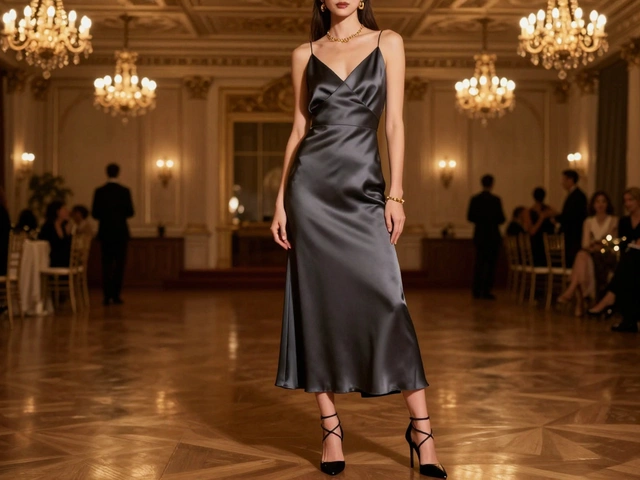
- For Classic Elegance: Black remains the safest bet for formal events, but add texture or jewelry to avoid looking flat.
- For Warm Skin Tones: Stick to earthy reds, golds, olives, and warm browns.
- For Cool Skin Tones: Lean into blues, purples, fuchsias, and icy pastels.
- Context Matters: Match the formality of the color to the event type (e.g., white/cream for summer galas, dark neutrals for winter balls).
Why Color Psychology Actually Works at Night
Lighting changes everything. Under harsh fluorescent office lights, a bright coral dress pops. Under dim, warm candlelight or amber stage lighting, that same coral can look muddy or orange-brown. Evening events rely heavily on artificial lighting, which alters how pigments reflect back to the eye. This is why Evening Dress Colors behave differently than daytime fabrics. Darker, saturated colors absorb less ambient light and maintain their integrity, while pale pastels often disappear against dark backgrounds.
Think about the psychology of perception. Red signals confidence and energy. Blue suggests calm and reliability. Green evokes balance and nature. When you walk into a room, people process color before they process your face or your outfit details. If you want to appear approachable, soft lavender works. If you want to command attention, go with crimson. You aren’t just choosing fabric; you’re curating the first impression you deliver.
Matching Colors to Your Skin Tone
This is where most people get stuck. They buy a dress because they love the color, then hate how it looks on them once they put it on. The issue is usually contrast. You need to find hues that complement your natural undertones rather than fighting them.
| Skin Undertone | Best Jewel Tones | Best Neutrals | Colors to Avoid |
|---|---|---|---|
| Cool | Royal Blue, Emerald, Amethyst | Pure White, Charcoal, Silver | Orange, Mustard Yellow, Beige |
| Warm | Ruby Red, Olive Green, Turquoise | Cream, Camel, Chocolate Brown | Icy Pastels, Stark White, Magenta |
| Neutral | Aqua, Teal, Plum | Soft Gray, Taupe, Dusty Rose | Extremely Bright Neon or Very Pale Washed Out Shades |
If you have cool undertones (your veins look blue/green), silver jewelry usually looks better on you than gold. Stick to colors with blue or purple bases. If you have warm undertones (veins look greenish), gold jewelry flatters you more. Earthy greens, corals, and warm reds will make your skin glow. Neutral undertones are lucky-they can pull off both, but muted versions of either palette often look the most sophisticated.
The Timeless Contenders: Black, Navy, and Burgundy
Let’s talk about the big three. These colors dominate evening wardrobes for a reason, but they serve different purposes.
Black is the ultimate safety net. It is slimming, elegant, and never goes out of style. However, black can sometimes feel severe or funereal if not styled correctly. To fix this, choose a dress with interesting cutouts, lace detailing, or metallic accents. Pair it with bold statement earrings to break up the expanse of dark fabric. Black is perfect for New Year’s Eve, corporate holiday parties, or any event where you want to look polished without trying too hard.
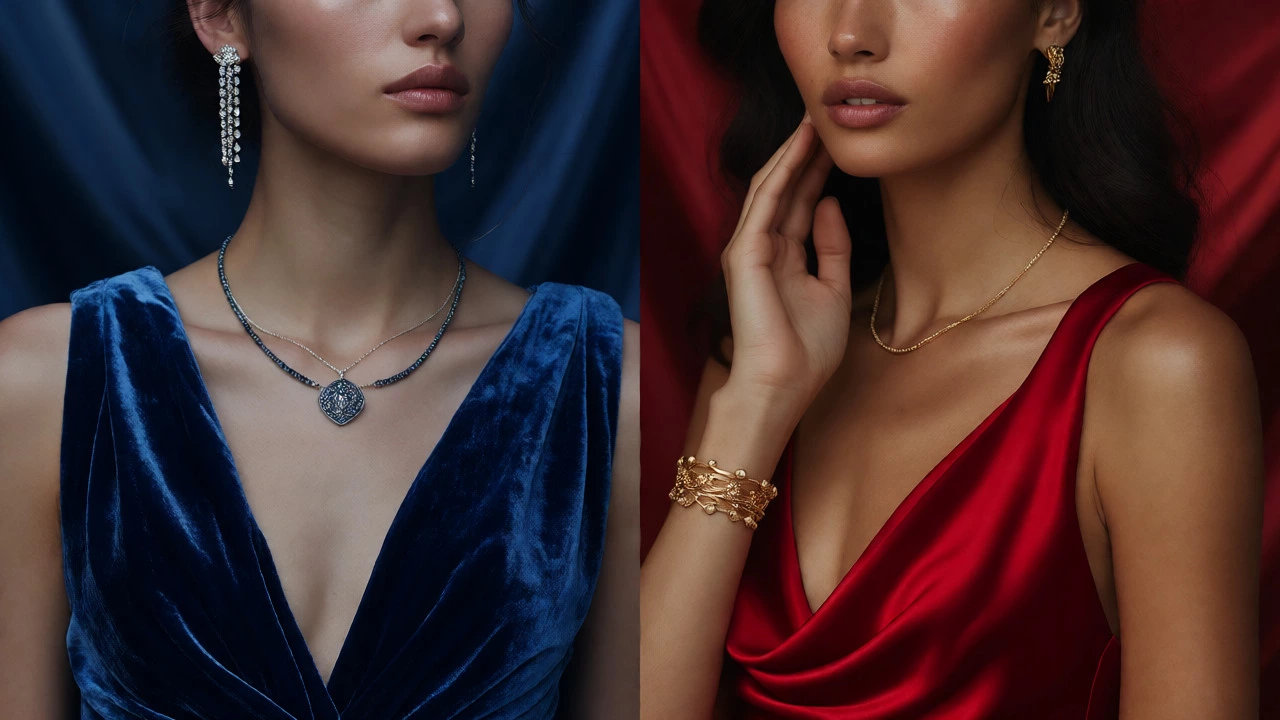
Navy Blue is the softer cousin of black. It offers similar versatility but feels slightly more approachable and less stark under indoor lighting. Navy looks particularly rich in satin or velvet fabrics. It’s an excellent choice for weddings where black might be considered too somber, or for business dinners where you want authority without aggression.
Burgundy (or wine) has surged in popularity as a festive alternative to red. It is deep, romantic, and photographs beautifully. Unlike bright cherry red, which can look costume-like, burgundy feels mature and luxurious. It pairs exceptionally well with gold accessories and works across all seasons, though it shines brightest in autumn and winter.
Jewel Tones: The Secret to Looking Expensive
If you want to elevate your evening wear game, look at jewel tones. These are highly saturated, deep colors inspired by precious stones. Think Emerald Green, Sapphire Blue, and Ruby Red.
Why do these work? Because they provide high contrast against most skin tones without being jarring. Emerald green, for instance, complements both warm and cool complexions surprisingly well. It adds a touch of royalty and drama. Sapphire blue is universally flattering and stands out in a sea of black dresses. Ruby red is bold and unapologetic-perfect if you want to be remembered.
One tip: stick to solid colors when going for jewel tones. Patterns can dilute the impact of these rich hues. Let the color do the talking.
When to Break the Rules: Pastels and Whites
Traditional etiquette said no white after Labor Day and no pastels at night. That rule is dead. In fact, white and cream evening dresses are having a massive moment, especially for spring and summer events. A silk slip dress in ivory looks incredibly chic and modern.
However, wearing white requires confidence. It shows sweat stains easily and can be unforgiving if the fit isn’t perfect. Ensure your undergarments are seamless and nude-colored. For pastels, think dusty rose, sage green, or lavender. These muted pastels look sophisticated under evening lights, whereas baby pink or sky blue might look juvenile or washed out unless you have very fair skin and strong features.
Practical Tips for Choosing the Right Shade
Before you buy, consider these practical factors:
- Check the Venue Lighting: If possible, visit the venue beforehand. Is it warm and cozy? Or cold and clinical? Warm lighting enhances reds, oranges, and yellows. Cool lighting enhances blues, purples, and greens.
- Consider Your Hair Color: High-contrast hair (like platinum blonde or jet black) can handle bolder, brighter colors. Softer hair colors often look better with muted or deeper tones.
- Test Under Flash: Many evening photos are taken with flash. Some bright neons or whites can blow out in photos. Test your chosen color with a camera flash before committing.
- Accessory Coordination: Don’t match your shoes to your dress exactly. It’s outdated. Instead, coordinate the metal of your jewelry with the undertone of your dress. Gold with warm colors, silver/platinum with cool colors.
Frequently Asked Questions
Is black acceptable for all evening events?
Yes, black is generally acceptable for almost all evening events, including weddings, galas, and parties. The only exception is if the bride specifically requests guests avoid black, or if the event is extremely casual and black feels overdressed. Otherwise, it is the most versatile option.
What color evening dress makes me look thinner?
Dark, monochromatic colors like black, navy, and deep charcoal are traditionally known to create a slimming effect because they absorb light and minimize visual breaks in the silhouette. However, fit matters more than color. A well-fitted lighter color can look slimmer than a poorly fitted black dress.
Can I wear red to a wedding?
Wearing red to a wedding is increasingly common and generally accepted, provided it isn’t a shade that competes directly with the bride (like pure bridal white or certain bright pinks). Deep reds and burgundies are safer bets than bright fire-engine red, which can draw excessive attention away from the couple.
How do I choose a dress color for my skin tone?
Identify your undertone by looking at the veins on your wrist. If they appear blue or purple, you have cool undertones and should choose blues, purples, and emeralds. If they appear green, you have warm undertones and should choose earthy tones, reds, and oranges. If you can’t tell, you likely have neutral undertones and can wear a wide range of colors.
Are metallic dresses appropriate for evening wear?
Absolutely. Metallic dresses in gold, silver, or bronze are perfect for evening events, especially those involving dancing or nightlife. They catch the light beautifully and add a festive element. Just ensure the rest of your accessories are minimal to let the dress shine.