Sneaker Purpose & Occasion Checker
Step 1: Analyze Your Sneakers
Select the features that best describe the shoes you are currently wearing or considering buying.
Step 2: Check Occasion Appropriateness
Click a scenario to see if your analyzed sneaker type fits the dress code.
Look around any office or coffee shop in Toronto today. You will see a sea of rubber soles and mesh uppers. People are wearing sneakers that cost more than their first car to meetings where suits used to be mandatory. This shift has blurred the lines between what we consider gym gear and everyday clothing. It raises a simple but tricky question: are sneakers actually considered sportswear anymore?
The short answer is yes, by definition. But the practical answer is much more complicated. In 2026, the term "sportswear" has expanded beyond just performance gear. It now includes lifestyle brands, high-fashion collaborations, and heritage styles that haven't seen a basketball court in decades. Understanding this distinction matters if you are trying to dress for an occasion, build a versatile wardrobe, or simply understand why your favorite kicks are priced like luxury goods.
The Definition of Sportswear vs. Casual Wear
To understand where sneakers fit, we need to look at how language has changed. Historically, sportswear referred specifically to clothing designed for physical activity. Think of moisture-wicking fabrics, reinforced stitching, and supportive structures meant to handle sweat and impact. In this strict sense, a running shoe is definitely sportswear because its primary function is athletic performance.
However, the fashion industry has broadened this term significantly. Today, "athleisure" dominates the market. This category blends athletic functionality with casual comfort. Brands like Nike and Adidas sell millions of pairs of shoes that are technically built for sports but are worn almost exclusively for walking to the grocery store or sitting in a cafe.
Here is the key difference:
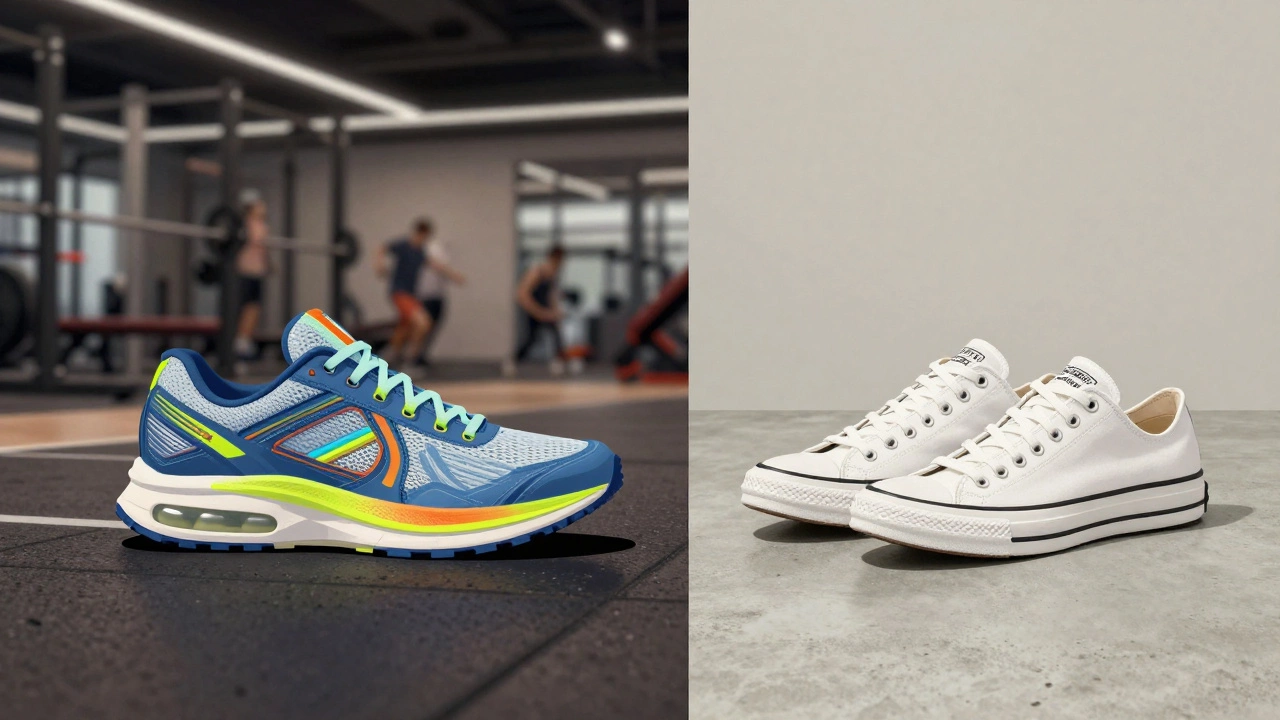
- Performance Sportswear: Designed for specific activities (running, basketball, tennis). Features include specialized cushioning, traction patterns, and breathable materials. Examples include the Nike Air Zoom Pegasus or Adidas Ultraboost.
- Lifestyle Sneakers: Designed for comfort and style. They borrow the aesthetic of sportswear but lack the technical requirements for serious athletics. Examples include the Converse Chuck Taylor or the Vans Old Skool.
If you wear a pair of vintage-style canvas shoes to run a marathon, you will likely get injured. These shoes are not sportswear in function, even if they look like it. Conversely, a high-end running shoe worn to a casual dinner is still technically sportswear, even if it serves no athletic purpose that day.
The Rise of Athleisure and Lifestyle Brands
The biggest driver of this confusion is the rise of athleisure. This trend started gaining massive traction in the early 2010s and has only accelerated since. Consumers began prioritizing comfort over formality. Remote work during the pandemic cemented this shift, making comfortable footwear acceptable in professional settings.
Brands responded by creating "lifestyle" divisions. For example, New Balance markets its 574 model as a classic sneaker, not a running shoe. Similarly, Converse sells the Chuck Taylor All Star, originally designed for basketball in 1917, as a fashion staple. These shoes are culturally categorized as sportswear due to their origins, but functionally, they are casual wear.
This creates a gray area. When you buy a pair of Jordan 1s, are you buying sportswear? Technically, yes. The brand is rooted in basketball. But if you never play basketball, you are buying a fashion item. The price point reflects this; limited-edition sneakers often sell for hundreds or thousands of dollars, far exceeding the cost of actual performance gear. This pricing strategy signals that these items are collectibles or status symbols, not just athletic equipment.
Sneakers in Professional and Social Settings
In 2026, the rules of dress codes have relaxed dramatically. In many industries, particularly tech, creative fields, and startups, sneakers are completely acceptable attire. Even in traditional corporate environments, "business casual" often allows for clean, minimalist sneakers.
However, context still matters. Wearing bright, neon running shoes to a formal interview might send the wrong message. It suggests a lack of awareness about social norms. On the other hand, wearing sleek, leather sneakers to a client meeting can convey confidence and modernity. The key is choosing the right type of sneaker for the setting.
Consider these scenarios:
- Gym or Run: Any performance-oriented sneaker is appropriate. Function is king here.
- Casual Friday: Clean, neutral-colored sneakers work well. Avoid heavily worn or dirty athletic shoes.
- Date Night: Minimalist leather sneakers or retro styles like the Adidas Stan Smith are safe choices. They bridge the gap between casual and smart-casual.
- Formal Event: Sneakers are generally inappropriate unless explicitly stated otherwise. Stick to dress shoes.
The line between sportswear and casual wear is increasingly defined by cleanliness and condition. A pristine white sneaker looks intentional and stylish. A scuffed, muddy running shoe looks like you just came from the gym. Both are sneakers, but they communicate very different messages.
The Impact of Fashion Collaborations
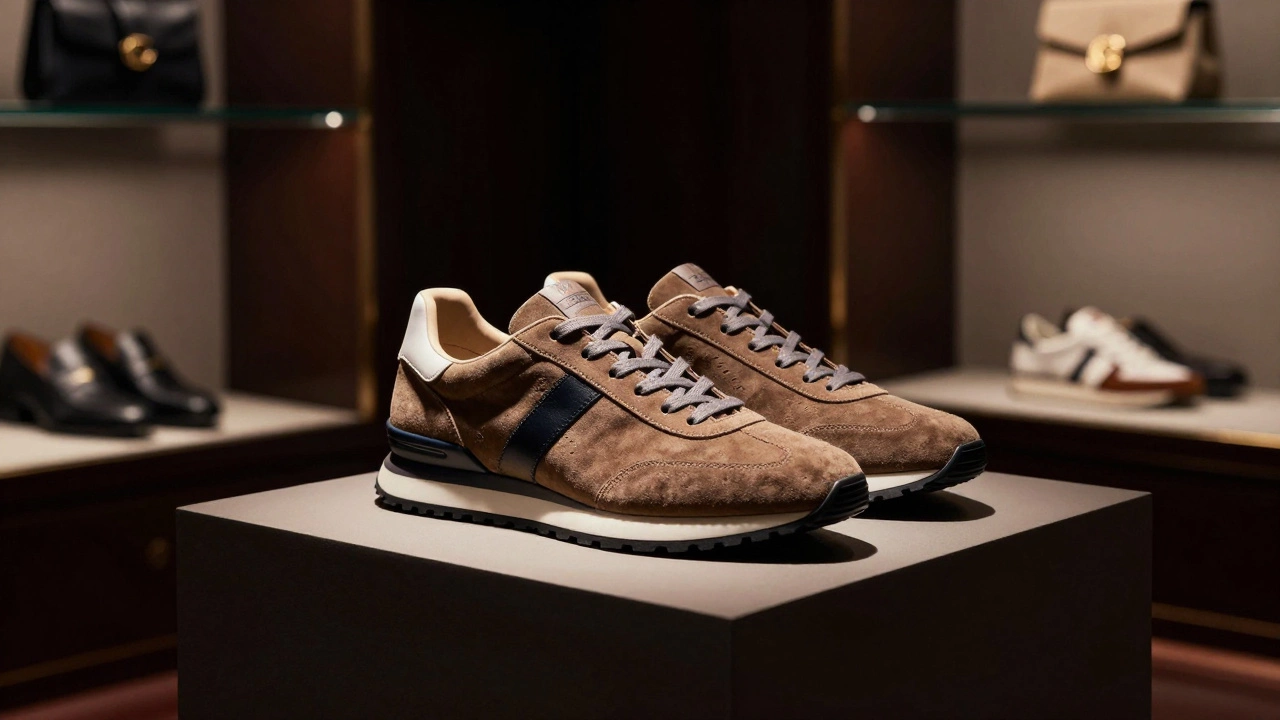
Fashion collaborations have further blurred the lines between sportswear and high fashion. Designers like Virgil Abloh (Off-White) and Kanye West (Yeezy) turned sneakers into luxury items. These collaborations often feature premium materials, unique designs, and limited availability.
When a luxury fashion house partners with a sportswear brand, the resulting product is often marketed as both. For instance, a Gucci x New Balance collaboration is sold in high-end boutiques alongside designer handbags. Is it sportswear? Yes, it uses athletic technology. Is it fashion? Absolutely, it carries a designer label and a hefty price tag.
This duality means that sneakers can serve multiple roles simultaneously. They can be functional athletic gear, casual everyday wear, and high-fashion statements all at once. This versatility is part of what makes them so popular. You don't need separate shoes for every occasion; one pair of quality sneakers can transition from the gym to the street to a casual office environment.
How to Choose the Right Sneakers for Your Needs
Given the overlap between sportswear and casual wear, choosing the right sneakers depends on your primary use case. Here is a quick guide to help you decide:
| Use Case | Recommended Type | Key Features to Look For |
|---|---|---|
| Athletic Performance | Running/Basketball/Tennis Shoes | Cushioning, support, breathability, durable outsoles |
| Daily Comfort | Lifestyle Sneakers | Soft insoles, flexible uppers, classic designs |
| Fashion Statement | Designer/Collaboration Sneakers | Unique aesthetics, premium materials, brand recognition |
| Versatile Wardrobe Staple | Minimalist Leather Sneakers | Clean lines, neutral colors, easy to clean |
If you plan to use your sneakers for actual sports, prioritize performance features. Don't let style override function. If you are looking for everyday wear, focus on comfort and versatility. And if you want to make a fashion statement, invest in brands and models that hold value and reflect your personal style.
The Future of Sneakers in Fashion
As we move further into 2026, the distinction between sportswear and casual wear will continue to fade. Technology is making sneakers more comfortable and sustainable. Materials like recycled plastics and bio-based foams are becoming standard. At the same time, customization options allow consumers to create unique pairs that suit their individual tastes.
Smart sneakers with embedded sensors are also emerging. These shoes can track your steps, analyze your gait, and even adjust cushioning based on your activity level. While these features appeal to athletes, they also add a layer of tech-savvy coolness that attracts casual wearers.
Ultimately, whether sneakers are considered sportswear depends on how you define the term. If you mean "clothing for sports," then only performance-focused models qualify. If you mean "clothing inspired by sports culture," then almost all sneakers fall into this category. In the modern world, sneakers are a hybrid product. They are athletic tools, fashion accessories, and cultural symbols all rolled into one.
So, the next time you slip on your favorite pair, ask yourself: am I wearing them for performance, comfort, or style? The answer doesn't change the fact that they are sneakers, but it does change how you should care for them and when you should wear them. Embrace the versatility, but respect the context.
Are all sneakers considered sportswear?
Not necessarily. While most sneakers originated as athletic footwear, many modern styles are designed purely for fashion or casual wear. Performance sportswear is built for specific activities, while lifestyle sneakers prioritize comfort and aesthetics.
Can I wear sneakers to a job interview?
It depends on the industry and company culture. In creative or tech fields, clean, minimalist sneakers are often acceptable. In traditional corporate environments, it is safer to stick with dress shoes. Always research the company's dress code beforehand.
What is the difference between athleisure and sportswear?
Sportswear is designed for physical activity and performance. Athleisure blends athletic elements with casual fashion, focusing on comfort and style for everyday wear. Athleisure items may not offer the same technical benefits as dedicated sportswear.
Why are some sneakers so expensive?
High prices are often driven by brand prestige, limited edition releases, designer collaborations, and resale value. While performance features contribute to cost, many expensive sneakers are marketed as fashion items or collectibles rather than athletic gear.
How do I choose between performance and lifestyle sneakers?
Consider your primary use case. If you engage in regular athletic activities, prioritize performance features like cushioning and support. For everyday wear, focus on comfort, versatility, and style. Many people own both types for different occasions.