T-Shirt Fit Advisor
Key Factors
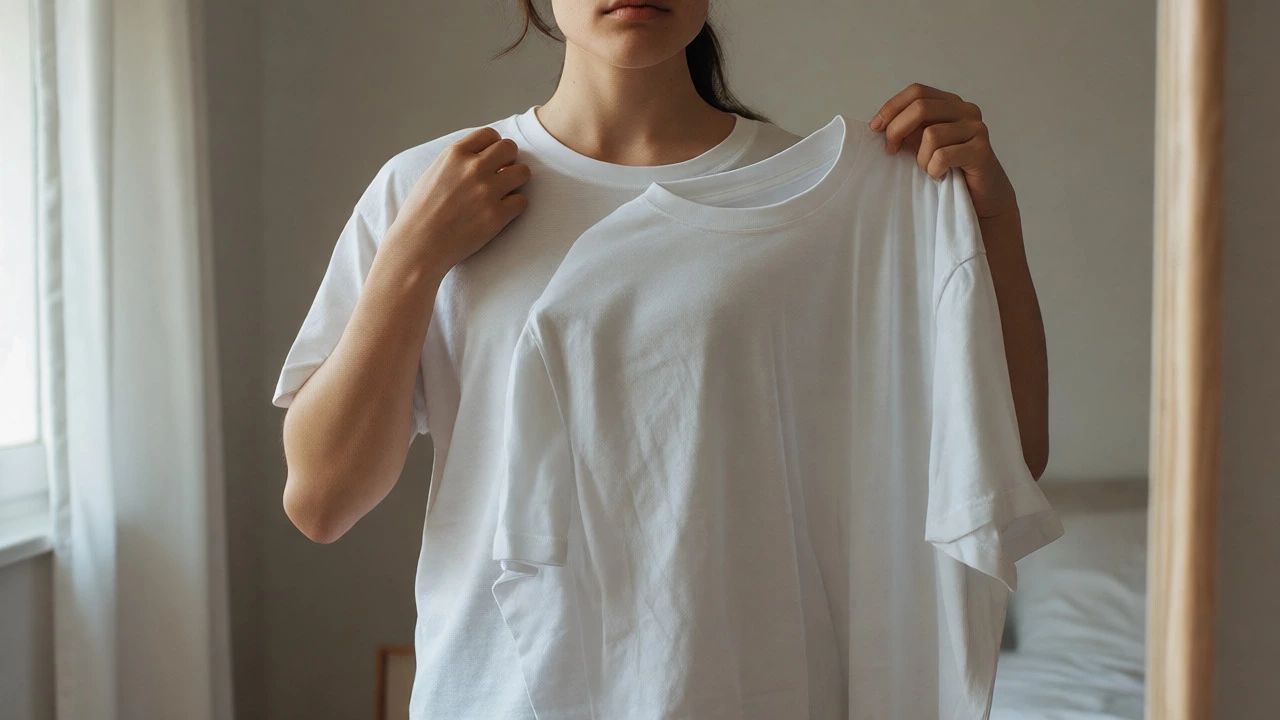
You’ve probably stood in front of the mirror holding two identical shirts, one M and one L, wondering which one makes you look better. It’s a common dilemma. The fashion industry has shifted heavily toward relaxed silhouettes, but that doesn’t mean every shirt needs to swallow you whole. So, should you buy t-shirts a size bigger? The short answer is: it depends on what you’re wearing it for, your body type, and the fabric. But there’s more nuance here than just "bigger is trendy."
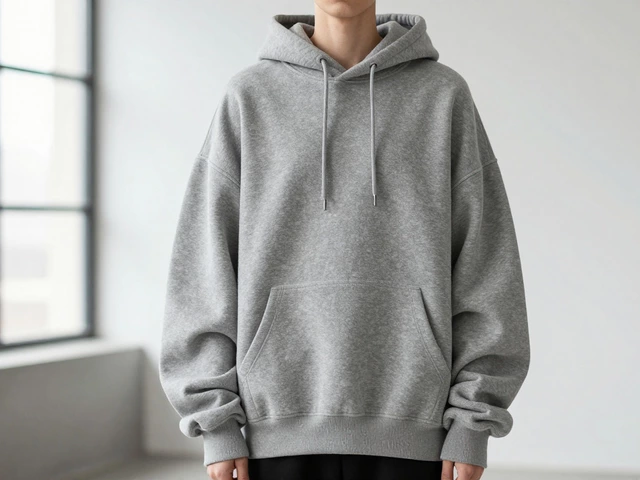
Oversized fits are currently dominant in streetwear and casual daily wear. However, a t-shirt that is too large can look sloppy rather than stylish if the proportions aren't balanced. Unlike a tailored suit where precision matters, a t-shirt offers flexibility. Yet, this flexibility requires understanding how fabric behaves after washing and how cut affects silhouette.
The Rise of the Oversized Trend
A few years ago, slim-fit everything was the norm. If your sleeves touched your biceps tightly, you were "fitted." Today, that same tightness often looks dated or uncomfortable. Brands like Uniqlo, Nike, and H&M have pushed boxy cuts and dropped shoulders. This shift isn't just about comfort; it's about ease of movement and a laid-back aesthetic.
But here’s the catch: not all "oversized" shirts are created equal. A designer intentionally cutting a shirt larger uses different armhole depths and shoulder seams than a brand that simply labels a standard shirt as "relaxed." When you consider buying a size up, you need to distinguish between an intentional design choice and accidental bagginess.
When Sizing Up Makes Sense
There are specific scenarios where going one size up is the smart move. First, consider shrinkage. Cotton is notorious for shrinking. If you plan to tumble-dry your cotton tees, they will likely lose half a size to a full size after the first wash. Buying a size bigger now ensures the shirt still fits comfortably in six months.
Second, think about layering. In Toronto, where I live, winters are long. If you’re wearing a t-shirt under a flannel or a denim jacket, a snug fit creates bunching at the armpits and restricts movement. A slightly larger tee sits smoothly under outer layers without pulling across the chest.
Third, body type plays a role. If you have broad shoulders but a narrower waist, standard sizing can be tricky. Going up might accommodate the shoulders but leave excess fabric around the midsection. Conversely, if you’re lean with narrow shoulders, sizing up can add necessary visual bulk, making your frame appear more substantial without needing muscle mass.
When You Should Stick to Your True Size
Sizing up isn't always the answer. If you’re wearing the shirt for athletic purposes, such as running or gym sessions, a loose fit causes chafing and gets caught on equipment. Performance fabrics like polyester blends are designed to wick sweat close to the skin. Adding extra inches defeats their purpose.
Also, consider the occasion. For a date night or a job interview (if dress codes are casual), a well-fitted shirt signals attention to detail. An overly large shirt can read as careless. If you’re pairing the tee with slim-fit jeans or tailored trousers, balance is key. A massive top with skinny pants creates a disproportionate look unless you’re deliberately aiming for a high-fashion contrast.
How to Check the Fit Before Buying
You don’t need a tailor to judge fit. Use these three checkpoints:
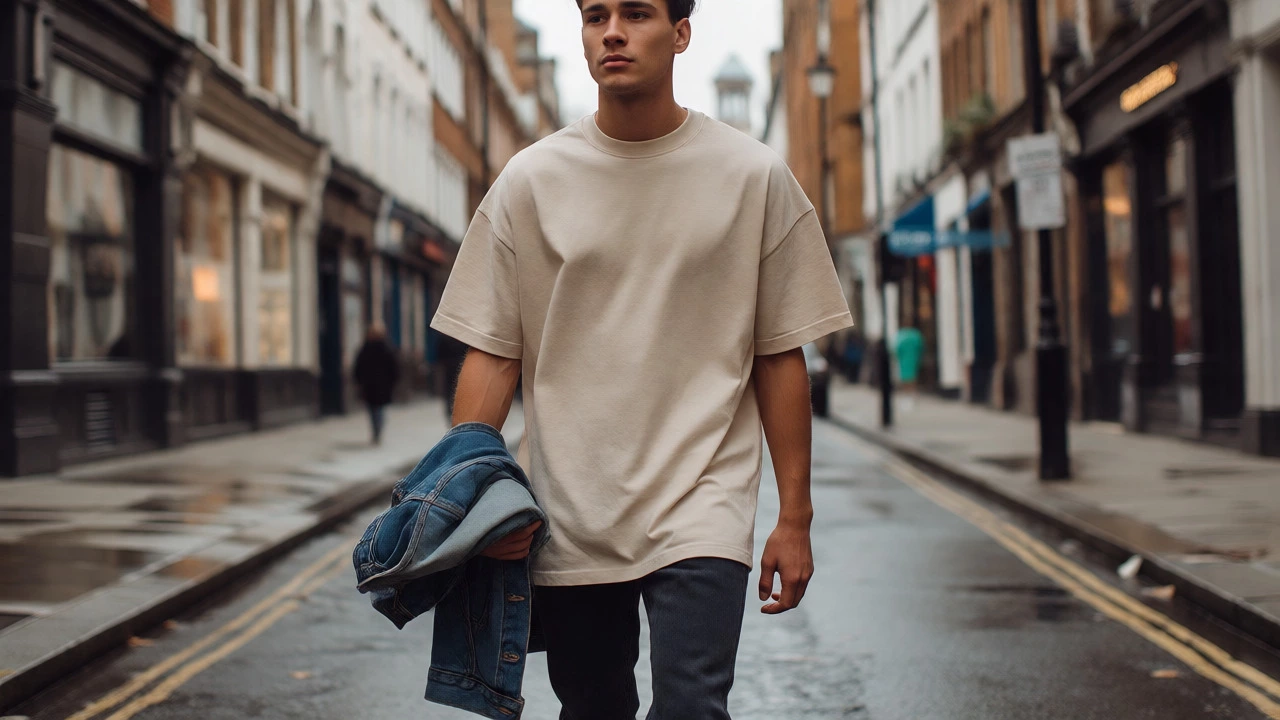
- The Shoulder Seam: This is the most critical indicator. On a regular fit, the seam should hit right at the edge of your shoulder bone. On an oversized fit, the seam should drop below the bone onto the upper arm. If you buy a size up, expect this drop. If the seam falls near your bicep, it’s likely too big unless you want extreme volume.
- The Chest Pull: Button or zip nothing-just stand naturally. If the fabric pulls horizontally across your chest or back, it’s too small. If it hangs straight down with no tension, it’s fitting correctly or oversized.
- The Length: A standard t-shirt should end around mid-fly. If you size up, ensure the length doesn’t extend past your crotch significantly, or you’ll look like you’re wearing a dress. Boxier cuts compensate for width by being shorter, so check the product measurements online.
Fabric Matters More Than Size Labels
Not all mediums are created equal. A medium in a heavy-weight cotton from Carhartt feels different than a medium in thin modal from Lululemon. Heavyweight fabrics hold their shape and drape away from the body, making them ideal for oversized looks. Lightweight fabrics cling and wrinkle easily, so sizing up in thin materials often results in a wrinkled mess rather than a clean silhouette.
If you love the oversized look, look for "boxy" or "drop-shoulder" descriptions rather than just picking a larger number. These terms indicate the manufacturer adjusted the pattern specifically for that style, ensuring the armholes and necklines remain proportional even when the body is wider.
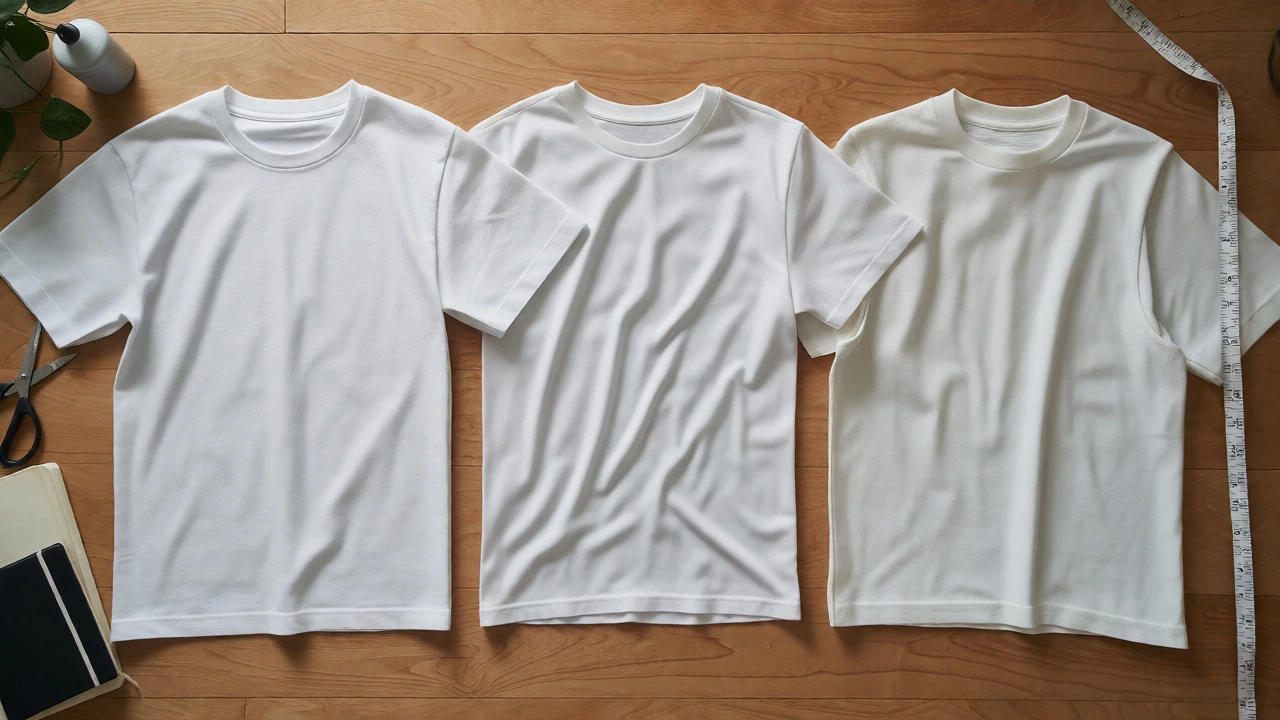
Comparison: Standard vs. Sized-Up Fit
| Feature | Standard Fit (True to Size) | Sized Up (One Size Larger) |
|---|---|---|
| Aesthetic Vibe | Clean, traditional, sharp | Relaxed, streetwear, modern |
| Best For | Tucking in, formal-casual, athletic use | Layering, lounging, hot weather airflow |
| Shrinkage Buffer | Low risk of looking too big later | High buffer against cotton shrinkage |
| Body Type Suitability | Athletic, average build | Broad shoulders, pear-shaped, or tall frames |
| Pairing Advice | Works with any pant style | Best with straight-leg or wide-leg pants |
Practical Tips for Online Shopping
Since you can’t try things on through a screen, rely on data. Most brands provide garment measurements, not just body measurements. Compare those numbers to a shirt you already own and love. Lay your favorite tee flat, measure the pit-to-pit width and the total length, then match those numbers to the new shirt’s spec sheet. This method is far more accurate than trusting a "Medium" label, which varies wildly between brands.
Check return policies. If you’re unsure, order both sizes. Try them on over the outfit you plan to wear. Keep the one that allows you to raise your arms fully without the hem lifting above your belt line, and where the neckline doesn’t gape open when you bend forward.
Frequently Asked Questions
Will a t-shirt shrink if I buy it one size bigger?
Yes, especially if it is 100% cotton. Pre-shrunk cotton may only shrink 2-5%, while non-pre-shrunk can shrink up to 10-20%. Buying a size up accounts for this reduction, often resulting in a perfect fit after the first wash and dry cycle.
Does an oversized t-shirt make me look fat?
It can if the fit is wrong. Excess fabric around the stomach without structure can create a boxy, undefined silhouette. To avoid this, ensure the shoulders are structured (even if dropped) and pair the loose top with fitted bottoms to maintain proportion.
Should I size up for heavyweight t-shirts?
Heavyweight fabrics (6oz+) tend to hold their shape better and shrink less than lightweight ones. You generally do not need to size up for shrinkage reasons with heavyweight tees unless you prefer the aesthetic of a looser fit. Always check the specific brand's size chart.
How do I know if a t-shirt is intentionally oversized?
Look for keywords like "drop shoulder," "boxy fit," or "relaxed cut" in the product description. Intentionally oversized shirts have wider armholes and deeper hems compared to a standard shirt that is merely stretched out or sized incorrectly.
Is it better to buy synthetic or cotton t-shirts for sizing?
Synthetic blends (polyester, nylon) rarely shrink and maintain their original size, so buy true to size. Cotton and cotton blends shrink, so sizing up is a safer bet if you want longevity. Linen also shrinks significantly and wrinkles easily, requiring careful sizing decisions.