Jean Sizing Strategy Calculator
Step 1: Check the Fabric
Look at the label inside the jeans for the elastane/spandex percentage.
Step 2: Assess the Fit
Select the issue that best describes how the jeans feel right now.
Recommendation
Enter your details and click "Get My Recommendation" to see what size to buy.
Headline Advice
Detailed explanation goes here.
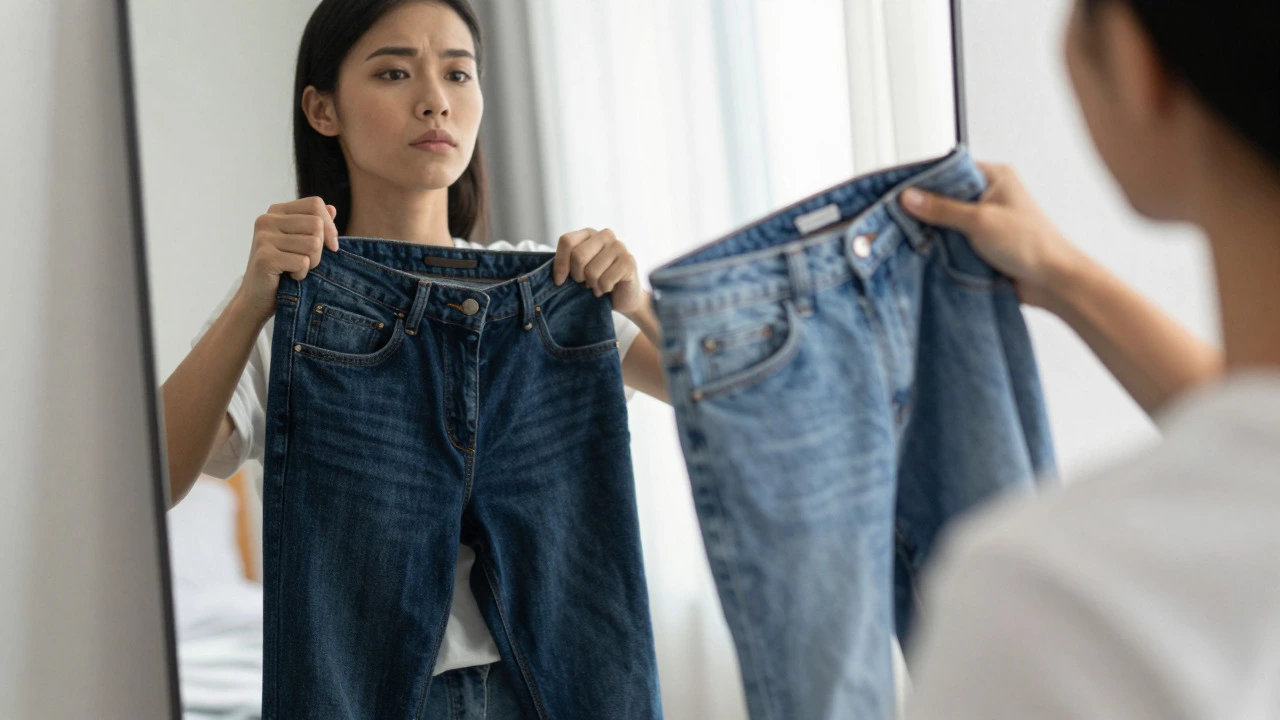
You stand in front of the mirror, holding a pair of jeans that look perfect on the hanger but feel like a wrestling match once you’re wearing them. One leg is too tight at the thigh, or the waistband digs into your stomach after lunch. You’re stuck with a classic dilemma: do you grab the next size up and hope for the best, or take the smaller size and trust the stretch? This isn’t just about vanity; it’s about comfort, longevity, and looking good without feeling restricted.
The short answer is that it depends entirely on the fabric composition and the cut of the jeans are a type of trousers made from denim or dungaree cloth. There is no universal rule, but there are clear signals hidden in the label and the fit that will tell you exactly what to do. Getting this wrong means returning clothes, wasting time, or settling for pants that make you miserable by 2 PM.
Understanding Denim Fabric: Stretch vs. Rigid
Before you even try on the jeans, check the tag. This is the most critical step because the material dictates how the garment behaves over time. Most modern jeans contain a blend of cotton and elastane (also known as spandex or Lycra). Older styles or raw denim often use 100% cotton.
If your jeans have between 1% and 4% elastane, they are designed to move with you. These fabrics have memory, meaning they stretch out during wear and then snap back to their original shape when washed. If you buy these true to size, they might feel snug at first, but they will loosen up after an hour of walking. In this case, sizing down is rarely necessary unless you are between sizes and prefer a tighter initial fit.
Conversely, if you are buying 100% cotton rigid denim, the fabric has zero give. It will not stretch significantly beyond its initial dimensions. If a rigid pair feels tight anywhere-especially at the thighs or hips-you should size up. Rigid denim breaks in slowly, and while it softens, it does not expand much. A size too small in rigid denim will remain uncomfortable forever.
| Fabric Type | Elastane Content | Sizing Recommendation | Risk of Wrong Size |
|---|---|---|---|
| Stretch Denim | 1% - 4% | True to Size | Too loose if sized up |
| High-Stretch/Jeggings | 5% - 10%+ | Size Down (if between sizes) | Bags out quickly if too big |
| Rigid/Raw Denim | 0% | Size Up (if tight) | Painful restriction if too small |
The Waistband Test: How to Judge Fit Immediately
The waist is the anchor point of any pair of jeans. If the waist doesn't work, the rest of the fit won't matter. When you try on jeans, button them up. You should be able to slide two fingers comfortably between your skin and the waistband. If you can’t, they are too small. If you can slide your whole hand in, they are likely too big.
Pay attention to the "muffin top" effect. If the waistband cuts deeply into your flesh, creating rolls above the belt line, the size is too small. However, be careful not to confuse this with the natural rise of the jeans. High-rise jeans sit at the narrowest part of your torso, which might feel tight initially but provides better support than mid-rise jeans that sit lower on the hips.
Another trick is the squat test. Stand up, then drop into a deep squat. If the waistband gaps significantly at the back, the jeans are too big in the seat or too small in the waist relative to the hip measurement. If the crotch feels like it’s pulling apart or riding up uncomfortably, the rise is too short or the size is too small. A well-fitting pair allows full range of motion without exposing underwear or causing strain on the seams.
Thighs and Hips: The Hidden Bottlenecks
Many people focus solely on the waist number, but the relationship between your waist and your hips/thighs determines the actual fit. If you have an athletic build with larger thighs and a smaller waist, standard sizing often fails you. You might need a size 30 in the waist but a 34 in the hips. Most off-the-rack jeans don’t offer this granularity.
In this scenario, sizing up is usually the safer bet. It is easier for a tailor to take in the waist of a pair of jeans that are slightly large than it is to let them out if they are too tight. Tailors can typically reduce a waist by 1-2 inches easily. Adding fabric to a tight thigh area is nearly impossible without ruining the aesthetic.
If you are buying skinny or slim-fit jeans, the thigh circumference is crucial. If the fabric pulls horizontally across your quads, creating visible white stress lines, the size is too small. This not only looks unflattering but also weakens the fabric, leading to premature tearing. For straight or relaxed fits, you have more room for error, but the same principle applies: tension points indicate a size that is too small.
When to Size Down: Avoiding the Baggy Look
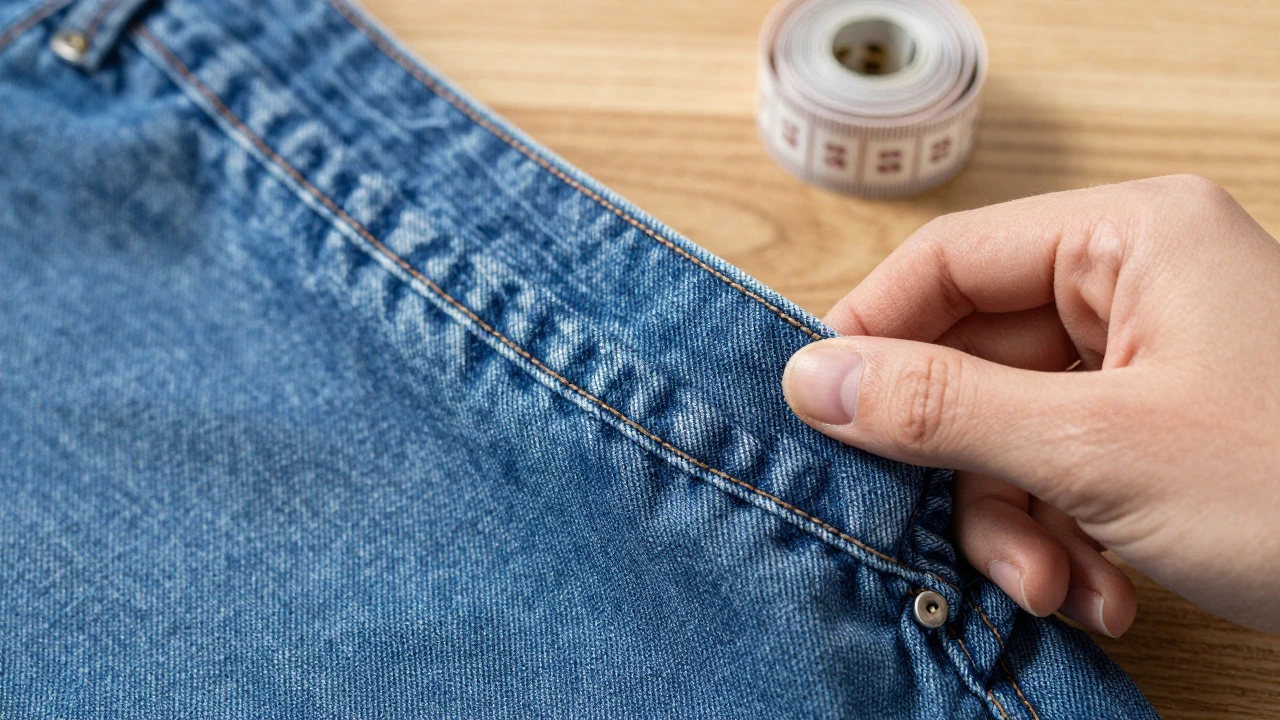
Sizing down makes sense in specific situations, primarily when dealing with high-stretch fabrics or brands that run large. Some fast-fashion brands size their jeans generously to encourage sales, knowing customers will return ill-fitting items. If you know a brand runs large, sizing down one notch can prevent the jeans from looking sloppy.
Also, consider the style. Skinny jeans rely on tension to maintain their silhouette. If you buy them too big, they will bag out around the knees and ankles, losing their sharp look. In this case, if you are between sizes, the smaller size often provides a cleaner line, provided the waist isn’t painful. Remember, stretch denim will expand. A size that feels tight in the store will likely feel perfect after a few hours of wear.
However, never size down if it compromises the length. If you size down and the inseam becomes too short, you’ll end up with cropped jeans that might not suit your style or height. Length is harder to adjust than width. Always prioritize the vertical fit before worrying about the horizontal squeeze.
Brand Variations and Consistency Issues
One of the biggest frustrations in buying jeans online is the lack of standardization. A size 32 waist in one brand might be a 30 in another. This inconsistency forces many shoppers to develop a personal sizing map. Keep a note of which brands run true, small, or large for your body type.
For example, some heritage brands use vintage patterns that result in shorter rises and narrower legs, requiring you to size up for length even if the waist fits. Modern brands often use ergonomic patterning that accommodates curves better, allowing for a more accurate true-to-size purchase. Reading reviews is essential here. Look for comments mentioning "runs small" or "true to size" specifically regarding the waist and thigh measurements, not just general opinions.
If you are shopping internationally, be aware of regional sizing differences. US sizes differ from European and Asian standards. Always convert using the centimeter/inch measurements provided on the product page rather than relying on the numerical size alone. A US 32 is roughly a EU 48, but always check the specific brand’s size chart.
The Role of Tailoring in Perfect Fit
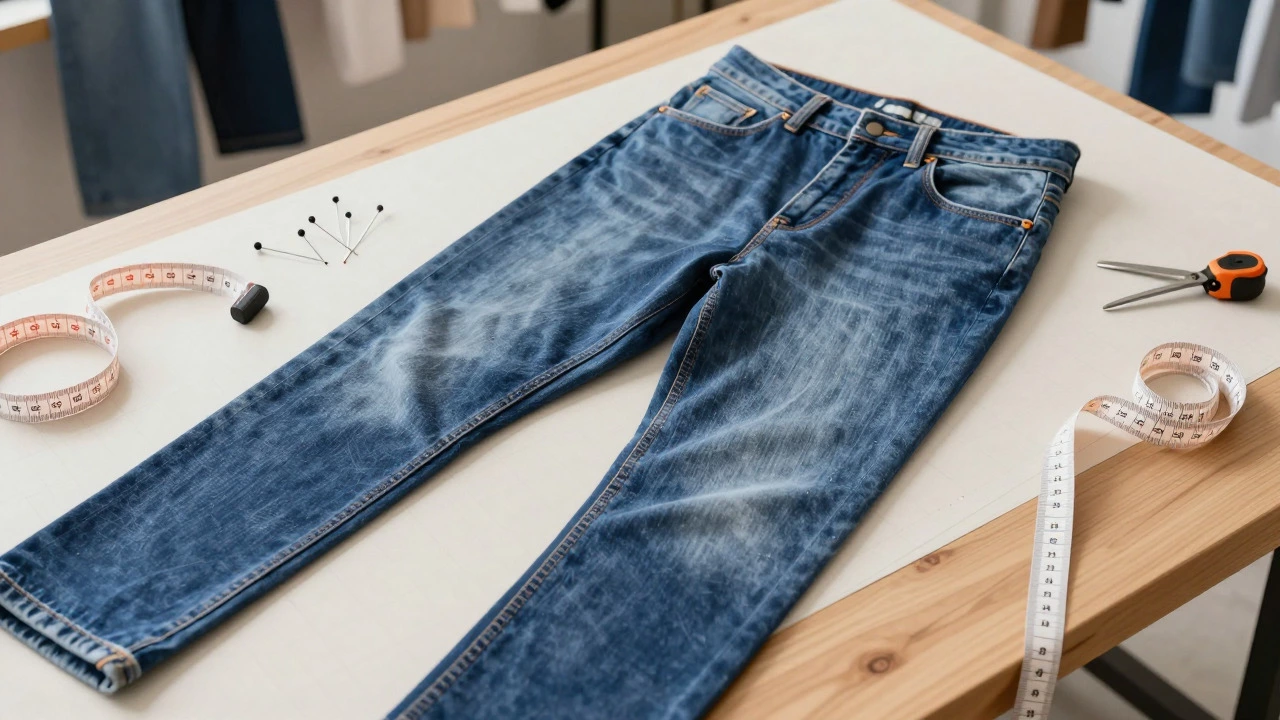
Don’t underestimate the power of minor alterations. Buying the size that fits your largest dimension (usually the hips or thighs) and then tailoring the waist is a pro move. This ensures comfort and mobility while maintaining a polished appearance. Many people avoid tailoring due to cost, but a simple waist take-in can cost $15-$30, which is negligible compared to the price of designer jeans or the frustration of unwearable pants.
Hemming the length is another common alteration. If you size up to get enough length in the inseam, the waist might be too big. Conversely, if you size down for a better waist fit, the legs might be too long. Knowing your local tailor’s capabilities helps you make smarter purchasing decisions. Some stores even offer free hemming with purchase, making the decision to size up for length a no-brainer.
Long-Term Wear and Fabric Care
How you care for your jeans affects their fit over time. Washing jeans in hot water causes shrinkage, particularly in cotton blends. If you are on the edge between two sizes, washing them hot might pull them into the smaller size. To preserve the fit, wash jeans inside out in cold water and hang them to dry. This minimizes shrinkage and maintains the elasticity of the elastane fibers.
Over time, all denim stretches. Even rigid denim will conform to your body shape. If you buy a pair that is perfectly fitted today, they might feel slightly loose in six months. This is normal. If you buy them too loose initially, they will become unwearable sagging bags. Therefore, erring on the side of slightly snug (for stretch denim) or exact fit (for rigid) is generally better than going too big.
Should I size up or down if I am between jean sizes?
If you are between sizes, it depends on the fabric. For stretch denim, size down for a snugger fit that will stretch to comfort. For rigid or non-stretch denim, size up to ensure ease of movement and comfort, as these fabrics do not expand significantly.
Do jeans get bigger or smaller after washing?
Jeans typically shrink slightly after washing, especially if washed in hot water. Cotton content shrinks, while elastane helps them recover some shape. Over time, with wear, jeans will stretch out and conform to your body. To minimize shrinkage, wash in cold water and air dry.
What if the waist fits but the thighs are too tight?
You should size up. It is much easier for a tailor to take in the waist of a pair of jeans that are too big than to add fabric to tight thighs. Prioritize the fit in the widest part of your body (hips/thighs) and adjust the waist later if necessary.
Why do some jeans feel tight at first but comfortable later?
This is common with stretch denim containing elastane. The fabric is designed to expand with movement and heat from your body. After wearing them for a few hours, the fibers relax and accommodate your shape. However, they should never be painfully tight initially.
Is it better to buy jeans that are slightly too big or too small?
Generally, slightly too big is better because tailoring can fix excess space. Tight jeans restrict movement, cause discomfort, and can damage the fabric through stress. However, avoid buying sizes that are drastically large, as altering them can be expensive and difficult.