The Price Tag Shock
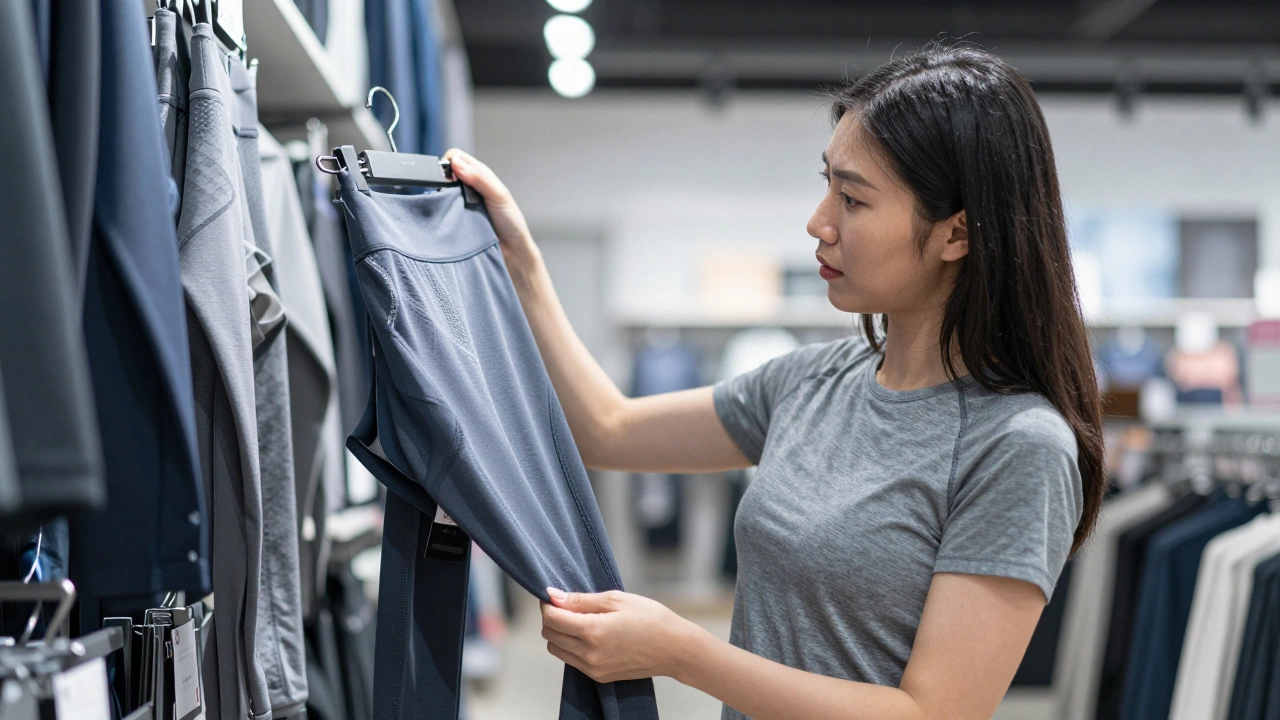
You walk into a store on Queen Street West, pick up a pair of running tights, and immediately see the price tag. One hundred and fifty dollars. You look at your cotton gym shorts from five years ago, still holding together, bought for thirty bucks. It makes you wonder: what exactly am I paying for? Is it magic stitching or just marketing smoke?
When people ask why sportswear is so expensive, the answer isn't simple. It's not just a markup on fabric. There is a complex web of science, labor, branding, and logistics woven into every stitch. Understanding these factors helps you decide whether that premium gear is actually worth the cash or if it's just a logo tax.
Key Takeaways
- Fabric Engineering: Advanced materials cost significantly more than standard cotton to produce.
- R&D Investment: Top brands spend millions on testing and prototyping before hitting shelves.
- Brand Equity: You pay a premium for recognition and perceived status associated with logos.
- Supply Chain: Ethical manufacturing and shipping logistics add hidden layers to the final cost.
- Market Dynamics: Hype culture and limited drops artificially inflate demand and pricing power.
The Science Behind the Fabric
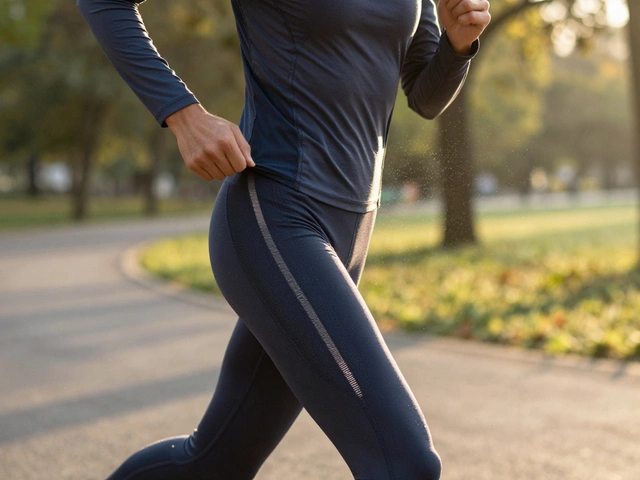
Let's start with the material itself. Cheap clothes usually run on basic polyester or cotton blends. These are easy to mass-produce and require little innovation. High-end Performance Sportswear clothing designed for optimal athletic function through advanced textile engineering, however, uses engineered fibers. Think about moisture-wicking capabilities. A standard shirt gets wet and stays that way, chafing your skin after ten minutes of cardio. Premium gear pulls sweat away from the body to evaporate quickly.
This isn't an accident. It involves chemistry labs and specialized machinery. For instance, companies often license proprietary fabrics. When you buy gear with "Gore-Tex" or "Dri-FIT," you are paying for a patent. These licenses have strict quality controls. If the stitching breaks or the coating washes off, the brand reputation takes a hit, so they build in durability buffers that increase production costs. The raw materials alone are more expensive per yard because they are treated with chemicals for UV protection, odor resistance, or thermal regulation.
Research and Development Costs
Before you see a product on a rack, engineers likely spent years designing it. Brands do not just guess what works. They hire athletes to test prototypes in extreme conditions. Imagine sending runners to Everest or testing swimwear in high-salt environments. Those programs cost money.
Athletic Research Centers facilities dedicated to biomechanical study and fabric performance testing employ PhD-level scientists. They study muscle movement patterns to place seams where they won't rub. They analyze breathability rates down to the millimeter. All this intellectual property gets amortized into the price of the final product. If a shoe lasts for three years, the company calculates the return on their initial design phase across all pairs sold, but the upfront risk remains high. If a style flops, they lose millions in sunk R&D costs.

The Power of Brand Equity
We have to be honest here: the logo matters. People buy sneakers because they want the association with speed, victory, or elite fashion. This psychological value allows brands to charge more. When a major sports league launches a uniform deal, the merchandise becomes part of the cultural moment. The cost of manufacturing a jersey might be fifteen dollars, but selling it during the World Cup can fetch seventy-five dollars.
Brand Marketing strategic communication efforts to build consumer loyalty and justify premium pricing involves massive ad budgets. Think of the Super Bowl commercials or billboards in Times Square. That advertising doesn't come from thin air; it comes from the margin on every shoe sold. You are essentially paying for the visibility of the brand. If you buy a lesser-known generic brand, they aren't spending millions on billboards, so the price reflects that savings. However, established brands argue they offer consistency and reliability, reducing the risk of buying faulty gear.
Manufacturing and Labor Ethics
Where is this stuff made? Historically, many brands outsourced to factories with lax labor laws to keep costs low. Today, especially in 2026, scrutiny has increased. Consumers care more about sustainability and fair wages. Brands claiming to be ethical must audit their supply chains.
This oversight is expensive. Ensuring workers are paid a living wage raises the base cost of production significantly. If a factory charges twice as much to comply with labor standards, that cost passes to the buyer. Additionally, shipping logistics play a role. If you live in Toronto and the goods ship from Southeast Asia, fuel surcharges and import duties pile up. During periods of inflation, shipping rates fluctuate wildly. A disruption in a shipping lane can delay stock and force price hikes to cover warehousing inventory while waiting for the next container.
Comparison: Generic vs. Premium Activewear
| Feature | Generic Store Brand | Premium Athletic Brand |
|---|---|---|
| Fabric Composition | Budget Cotton/Poly Blend | Proprietary Moisture-Wicking Tech |
| Seam Construction | Standard Lockstitch | Flatlock Seams to Prevent Chafing |
| Durability Rating | Average (1-2 Years) | High (3-5+ Years) |
| Fit Engineering | Standard Grading | Anatomic Pattern Based on Body Data |
| Price Point | $25 - $35 CAD | $85 - $120 CAD |
The Resale Market Impact
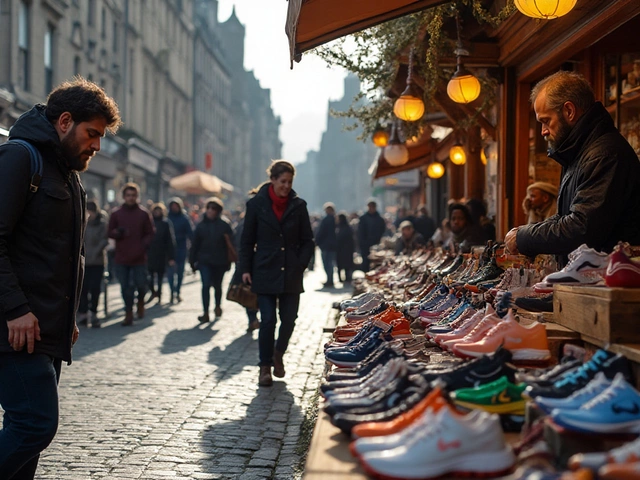
Have you noticed how limited-edition drops sell out instantly? This creates a secondary market where prices skyrocket even higher. Platforms like StockX or eBay allow sneaker resale. When a pair of Jordans sells for triple the retail price, it validates the original manufacturer's strategy of scarcity. It signals that the item holds value beyond utility.
This distorts the perception of value for new buyers. Seeing someone else pay $400 for a shoe makes the $150 price tag seem reasonable by comparison. This dynamic encourages brands to release smaller batches of products, keeping demand hot and prices high. It turns clothing into a speculative asset class, similar to stocks or art, rather than just a functional necessity.
Sustainability Initiatives
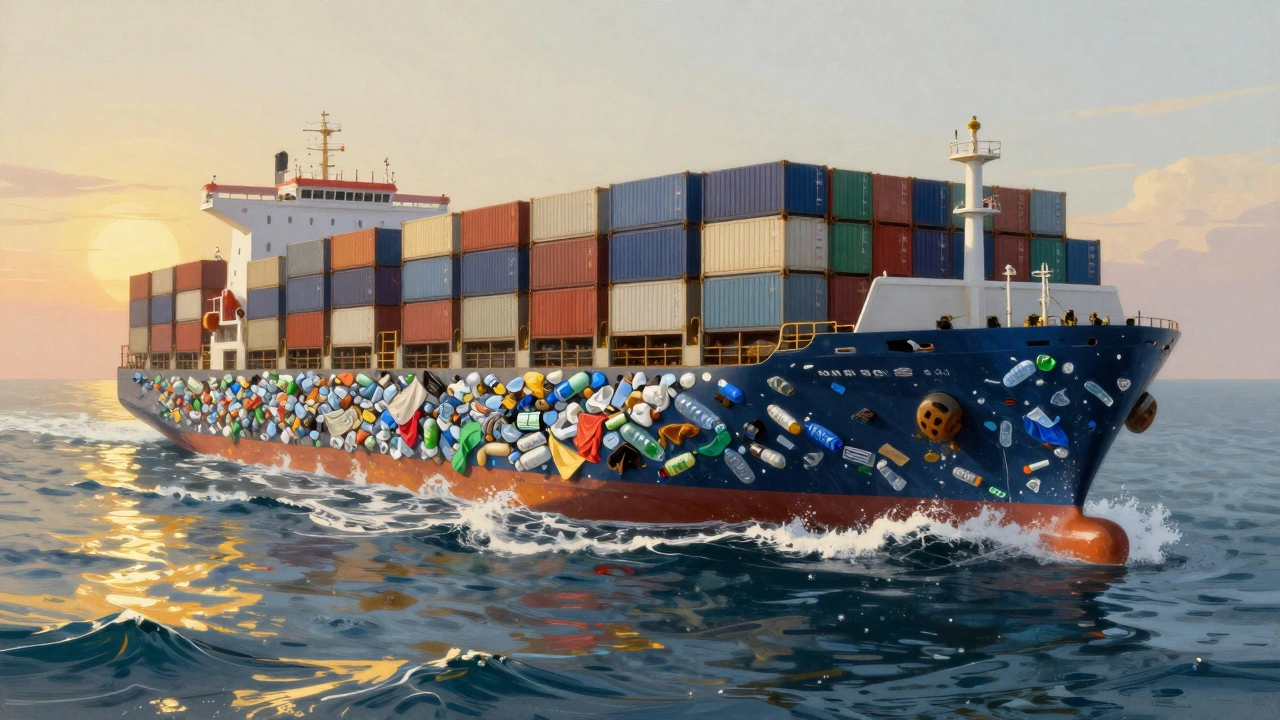
In recent years, eco-friendly practices have become a priority. Using recycled plastic bottles for fleece or organic cotton requires different processing facilities. Organic farming is more labor-intensive and yields less per acre than conventional crops. The cost to switch to green manufacturing is steep.
Furthermore, recycling old clothes is technically difficult. Blended fabrics are hard to separate into raw fibers again. Companies investing in circular economy models put money back into collection systems. While this helps the planet, it adds administrative overhead. You are effectively subsidizing the environmental cleanup effort through the sticker price. Brands positioning themselves as "green" often carry a higher premium to signal that commitment to conscious consumers.
Is It Worth The Money?
Ultimately, value depends on your needs. If you jog occasionally in summer, basic gear works fine. The fancy mesh probably won't make a noticeable difference in your mile time. However, if you train for marathons, compete in triathlons, or work out in freezing Canadian winters, the technical benefits matter. Sweat management prevents hypothermia and blisters. Seamless construction prevents injury during repetitive motion.
For daily wear, the decision shifts. Athleisure trends have normalized wearing gym clothes everywhere. If you spend twenty hours a week in those pants, comfort dictates the purchase. The "best" choice balances your budget with your usage frequency. Paying extra for longevity makes sense if the item will last five years instead of one.
Troubleshooting Your Budget
If you want to save money without sacrificing too much quality, there are strategies to navigate the market. Look for outlet sales or end-of-season clearance racks. Wait until after the holidays when winter gear goes on discount. Consider previous-generation models; brands often release updated versions, making older stock cheaper while still retaining 90% of the tech specs. Online-only retailers sometimes offer lower margins than brick-and-mortar shops because they skip the rent costs associated with physical locations in cities like Toronto.
Frequently Asked Questions
Does expensive sportswear actually perform better?
Generally, yes. Higher-priced items use better thread counts, stronger elastane blends, and superior stitching methods that resist tearing during intense workouts. However, for casual wear, the performance gap diminishes.
Why do luxury brands cost so much more than big-box stores?
Luxury brands invest heavily in exclusive materials and designer aesthetics, plus a significant portion of the price covers global marketing campaigns and maintaining a high-end retail image.
Can I wash expensive clothes normally?
Most modern technical fabrics handle machine washing well, but you should follow specific care labels to preserve coatings. Avoid fabric softener on wicking gear as it clogs the pores of the material.
What determines the lowest possible price for a t-shirt?
The floor price is determined by raw material costs (cotton or synthetic fiber), the factory wage per hour, and basic shipping. Any price below this usually indicates unethical labor practices or corner-cutting on safety.
Should I buy vintage gear to save money?
Vintage gear can be durable, but elastic properties degrade over time. If the fabric lacks spandex recovery, it will bag out after a few wears. Stick to vintage for aesthetic pieces rather than active gear.