Leather Shoe Softness Finder
Find your perfect leather match
Based on your lifestyle and priorities, we'll recommend the best leather type for your shoes.
Select your lifestyle and priority to see your recommended leather type
Your recommendation
Priority: NoneHow it works
Based on the article: Lambskin for instant comfort, Shell cordovan for long-term softness, Calf leather for balance, Deer/elk for outdoor use.
Not all leather is created equal when it comes to comfort. If you’ve ever slipped on a pair of shoes that felt like they were made from a board, you know the difference. The softest leather for shoes doesn’t just feel nice-it moves with your foot, molds to your shape, and breaks in faster than you’d expect. But which type actually wins the title of softest? And more importantly, does it last?
What Makes Leather Soft?
Leather softness comes down to three things: the animal it comes from, how it’s tanned, and how it’s finished. A hide from a young animal has looser fibers, which means it’s naturally more pliable. Tanning methods like vegetable tanning or chrome tanning affect flexibility, and the final finish-whether it’s oiled, waxed, or polished-can make or break how soft it feels on your skin.
There’s no single formula, but some leathers consistently rise to the top for comfort. Let’s break them down.
Lambskin: The Featherweight Champion
Lambskin is often called the softest leather you can buy for shoes. It comes from young sheep, and its fibers are fine and loosely packed. That means it’s incredibly supple right out of the box. Think of it like a silk scarf-drapey, light, and gentle against your skin.
Many high-end dress shoes, loafers, and slip-ons use lambskin because it feels luxurious the moment you put them on. Brands like Church’s, John Lobb, and even some Italian-made casual shoes rely on it for that instant comfort.
But here’s the catch: lambskin is delicate. It scratches easily, scuffs with light contact, and doesn’t handle rain or snow well. If you walk on rough sidewalks, toss your shoes in a bag with keys, or live somewhere with harsh weather, lambskin might not be your best bet. It’s soft, yes-but it’s also fragile.
Shell Cordovan: The Slow-Break-In Wonder
Shell cordovan isn’t the softest at first glance. In fact, it feels firm, almost stiff, when new. But don’t judge it by its first impression. This leather comes from the fibrous flat layer beneath the hide of a horse-specifically the hindquarters. It’s dense, naturally oily, and incredibly durable.
What makes shell cordovan legendary is how it changes over time. After a few weeks of wear, it starts to conform to your foot like a second skin. It doesn’t stretch out of shape-it molds. The surface gets smoother, the color deepens, and the comfort level climbs. Many people who’ve worn cordovan shoes for years say they’ve never felt anything else so perfectly tailored.
It’s expensive, yes. A pair of shell cordovan oxfords can cost over $1,000. But if you want leather that lasts 20 years and gets softer with every step, this is it. It’s not soft right away, but it’s the softest in the long run.
Calf Leather: The Balanced Choice
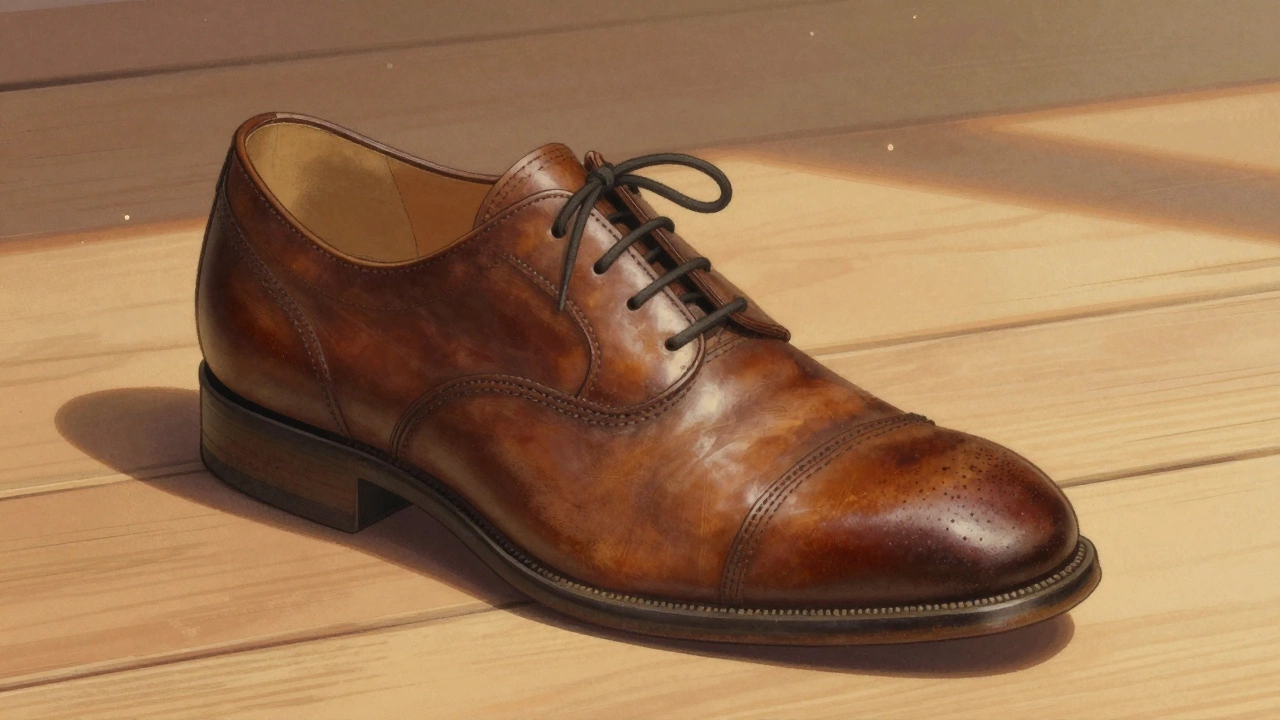
Full-grain calf leather sits in the middle. It’s softer than cowhide but tougher than lambskin. That’s why it’s the most common leather in mid-to-high-end shoes. Brands like Allen Edmonds, Ecco, and Clarks use it because it strikes a smart balance: enough softness for comfort, enough strength to hold up.
When you see "top-grain calf leather" on a shoe label, that’s usually what you’re getting. It’s been sanded slightly to remove imperfections, then finished with a light coat of wax or polish. The result? A leather that feels smooth and pliable without being flimsy.
It’s a great option if you want softness without constant babysitting. It handles light rain, resists scuffs better than lambskin, and still breaks in within a week or two of regular wear.
Deer and Elk Leather: The Hidden Gems
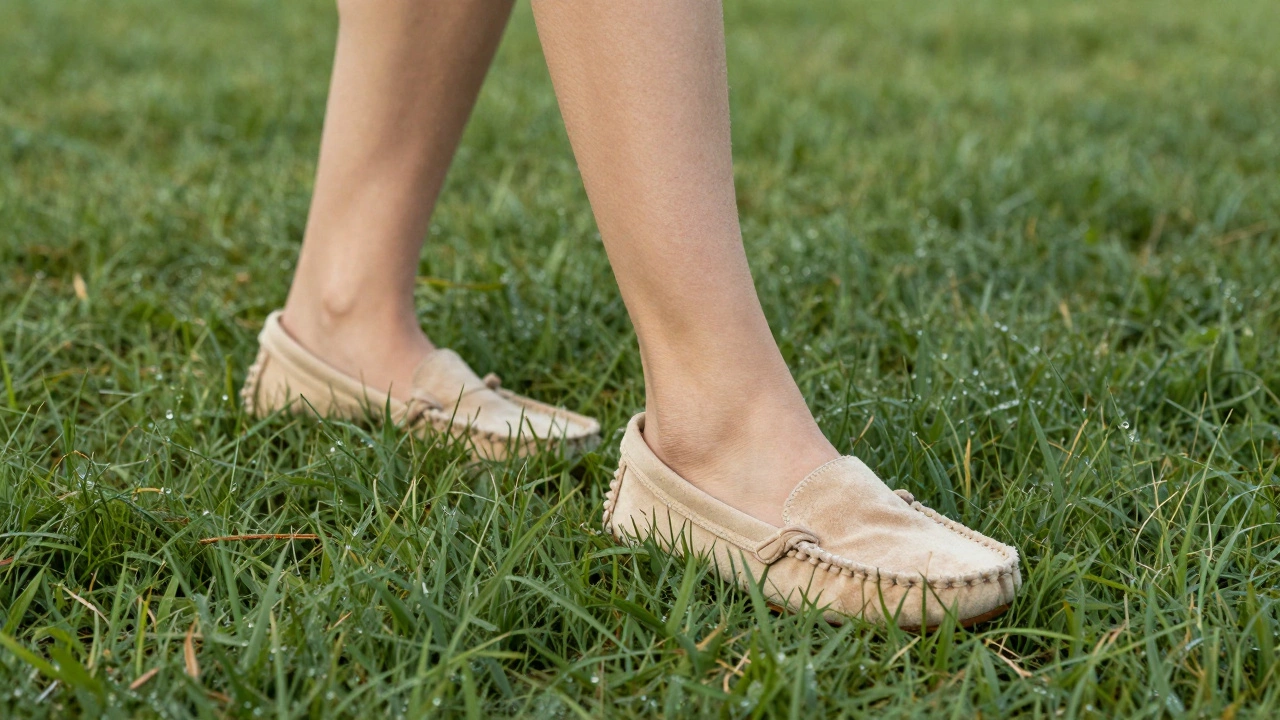
Deer and elk leather are less common in mainstream footwear, but they’re absolute winners for softness. These leathers are naturally oily and have a unique, almost velvety texture. They’re often used in hiking boots, moccasins, and work shoes designed for comfort over long hours.
Brands like Wolverine and Red Wing use deer leather in their casual lines because it’s incredibly breathable and flexible. It doesn’t need breaking in-it’s ready to go. The downside? It’s harder to find outside specialty stores, and it’s not as widely available as calf or lambskin.
If you’ve ever worn a pair of Native American-style moccasins made from deerskin, you know the feeling: light, warm, and like walking on clouds.
Why Not Go for the Softest Leather?
Here’s the truth: the softest leather isn’t always the best. Lambskin feels amazing, but if you’re wearing shoes daily on pavement, it’ll look worn out in months. Shell cordovan takes time to soften, but it lasts decades. Calf leather gives you a happy medium.
Think about your lifestyle. Do you need shoes for formal events? Go for lambskin. Are you walking 10,000 steps a day? Choose calf or deer leather. Want shoes that become part of your identity over years? Shell cordovan.
There’s no one-size-fits-all answer. The softest leather depends on what you value most: instant comfort, long-term performance, or durability.
How to Tell If Leather Is Truly Soft
Not all brands label their leather accurately. Here’s how to test it yourself:
- Flex it. Hold the shoe at both ends and bend it. If it folds easily without creasing sharply, it’s soft.
- Press it. Use your thumb to press into the leather. If it leaves a temporary dent that slowly fades, it’s well-oiled and supple.
- Smell it. High-quality soft leather often has a rich, earthy scent-not chemical or plastic-like.
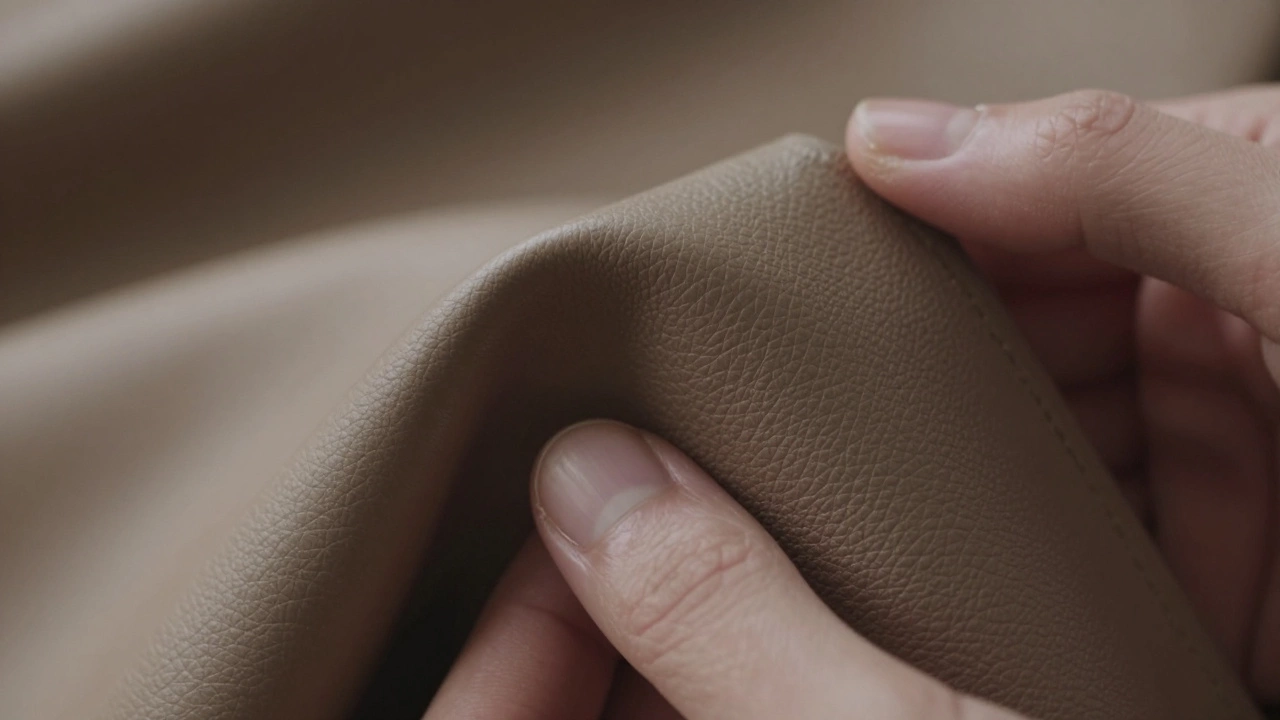
- Look at the grain. Fine, tight grain usually means better quality. Rough, uneven grain can mean lower-grade leather.
What to Avoid
Steer clear of "bonded leather" or "reconstituted leather." These are made from scraps glued together with synthetic backing. They might feel soft at first, but they crack, peel, and fall apart quickly. They’re not real leather-they’re a cheap imitation.
Also avoid overly shiny, heavily polished leathers. That glossy finish often hides a stiff, synthetic coating that prevents the leather from breathing and softening naturally.
Final Thoughts
If you want the softest leather for shoes right now, lambskin wins. But if you want the softest leather after six months of wear, shell cordovan takes the crown. For everyday reliability, calf leather is your best friend.
Leather isn’t just a material-it’s a relationship. The right one will change with you, not against you.