T-Shirt Color Advisor
Not sure which color to buy next? Select your primary need below to see the data-backed recommendation.
Versatility & Style
I want a shirt that goes with everything and looks slimming.
Heat & Layering
I live in a hot climate or need a base layer for jackets.
Professional Balance
I need something business-casual but not as harsh as black.
Gym & Lounge
I prioritize comfort, breathability, and hiding minor wear.
Recommendation
You walk into a store or scroll through an online shop. What do you reach for first? If you're like most people, you probably grab something neutral. But if you look at the global sales numbers, there's a clear winner in the most popular t-shirt color debate, and it might surprise you if you think bright reds or electric blues are taking over.
The short answer: Black is consistently the top-selling t-shirt color worldwide, followed closely by White. Navy Blue often takes third place. Why? It’s not just about aesthetics; it’s about utility, versatility, and psychology. Let’s break down why these colors dominate racks everywhere, from Toronto to Tokyo, and what this means for your wardrobe choices.
The Undisputed King: Why Black Wins
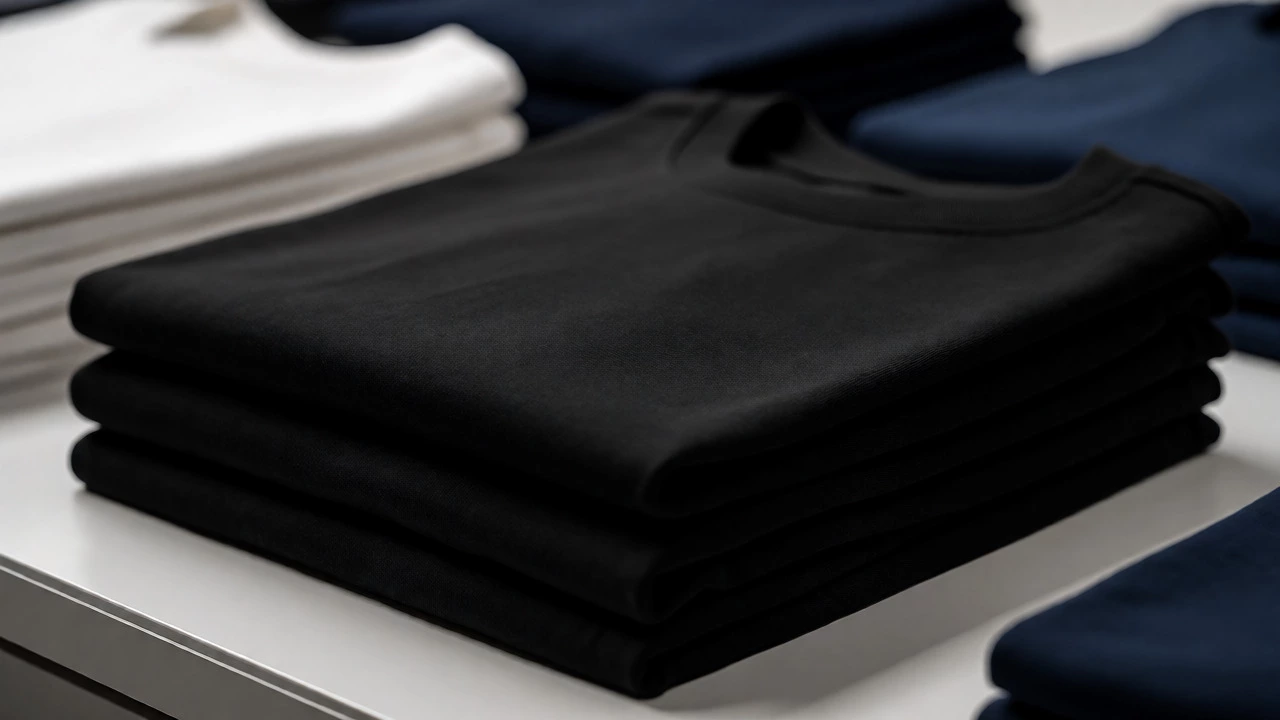
Black T-Shirts are the highest-selling garment color globally due to their slimming effect, stain resistance, and unmatched versatility across casual and semi-formal settings. Walk into any major retailer like Uniqlo, H&M, or even high-end boutiques, and black tees occupy the prime real estate on the display tables. This isn't an accident. Retailers stock more black because it moves faster than almost any other hue.
There are practical reasons for this dominance. First, black hides stains. Spill coffee? You won’t see it immediately. Sweat marks? Less visible than on grey or white. For many consumers, especially those with active lifestyles or young kids, this practicality trumps everything else. Second, black flatters most body types. The visual illusion of depth makes silhouettes appear leaner. This psychological comfort drives repeat purchases. Once someone finds a black tee that fits well, they buy three more in different cuts but the same color.
Consider the work-from-home shift we’ve seen since 2020. People want clothes that feel good but look put-together enough for a video call. A black t-shirt paired with blazers or cardigans bridges that gap perfectly. It’s professional without trying too hard. In contrast, a neon yellow shirt screams "weekend," which doesn't always fit the modern hybrid work vibe.
The Classic Runner-Up: White
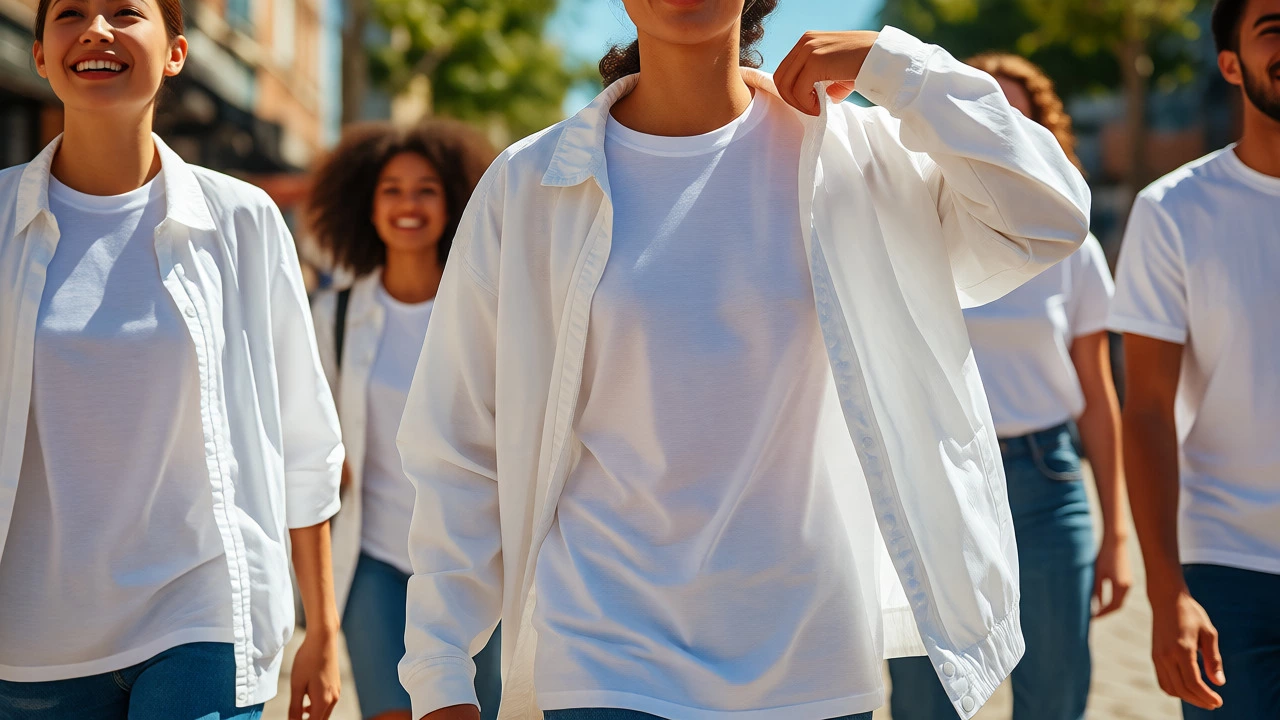
If black is the safe choice, White T-Shirts are the quintessential blank canvas of fashion, favored for their brightness, cooling properties, and status as a staple layering piece. White holds its own as the second most popular color, particularly in warmer climates and during spring/summer seasons. There’s a reason every designer from Calvin Klein to local streetwear brands starts their collections with a crisp white tee.
White reflects sunlight, making it physically cooler to wear in hot weather. In cities like Los Angeles or Miami, white t-shirt sales spike dramatically compared to darker tones. However, white comes with a maintenance cost. It shows dirt, sweat, and age quickly. This requires more frequent washing, which can lead to faster fabric degradation unless you invest in higher-quality cotton blends.
Despite the upkeep, white remains essential for layering. Under a sheer blouse, under a dark jacket, or alone with jeans, white provides contrast that black cannot. It signals cleanliness and simplicity. Many people own multiple white tees specifically for this purpose, treating them as disposable basics that get replaced when they yellow or stretch out.
Navy Blue: The Professional Alternative
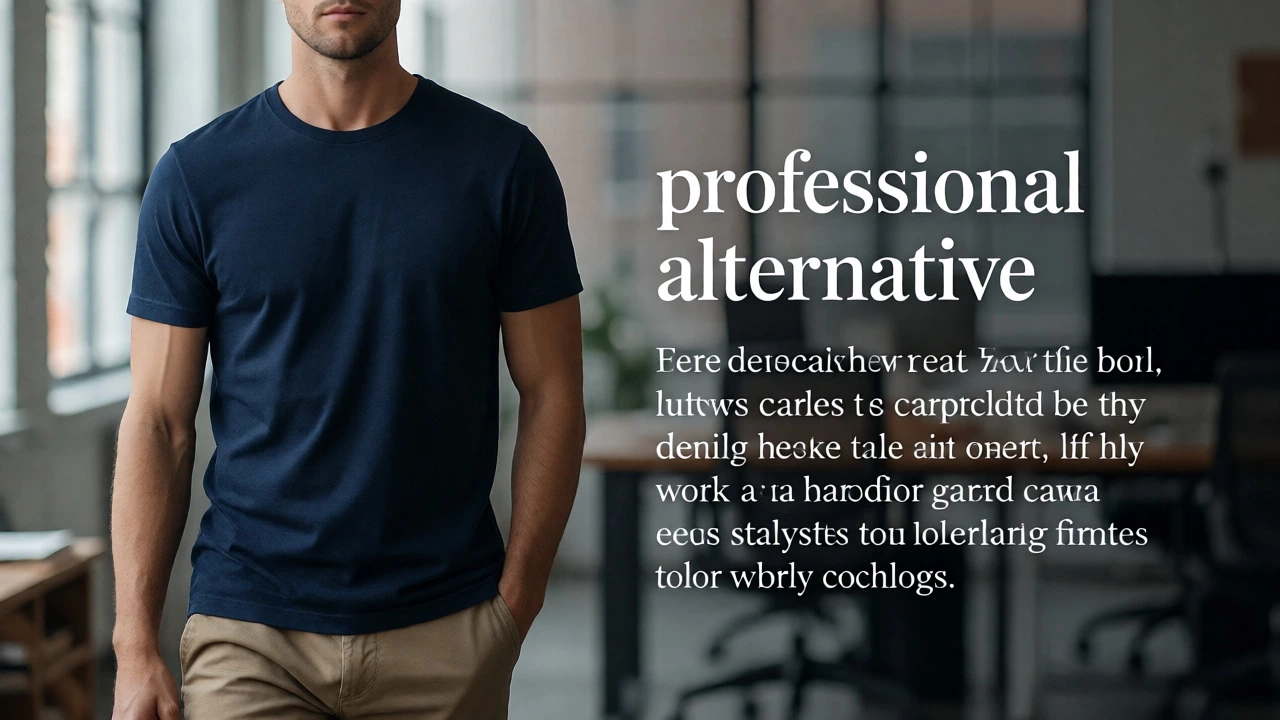
While black and white battle for the top spot, Navy Blue T-Shirts serve as a sophisticated middle ground, offering the professionalism of dark colors without the harshness of pure black. Navy is often the third best-seller globally. It appeals to demographics who find black too severe or edgy but still want a dark, slimming option.
Navy works exceptionally well with khakis, chinos, and denim. It’s a go-to for business-casual environments where a full suit isn’t required but a graphic tee would be inappropriate. In corporate cultures, navy conveys trust and stability. Studies in color psychology suggest that blue hues reduce stress and promote calmness, which might explain why office workers gravitate toward it. Unlike black, navy fades visibly over time, turning lighter or slightly purplish, so buyers often replace these shirts sooner than their black counterparts.
| Color | Market Share Estimate | Primary Appeal | Maintenance Level |
|---|---|---|---|
| Black | ~35-40% | Versatility, Slimming Effect | Low (Hides stains) |
| White | ~25-30% | Cooling, Layering, Clean Look | High (Shows dirt/yellowing) |
| Navy Blue | ~15-20% | Professionalism, Soft Dark Tone | Medium (Fades over time) |
| Grey/Heather | ~10-15% | Sporty, Casual Comfort | Medium (Pilling issues) |
| Other Colors | <10% | Expression, Branding, Seasonal | Varies |
The Rise of Heather Grey and Athleisure
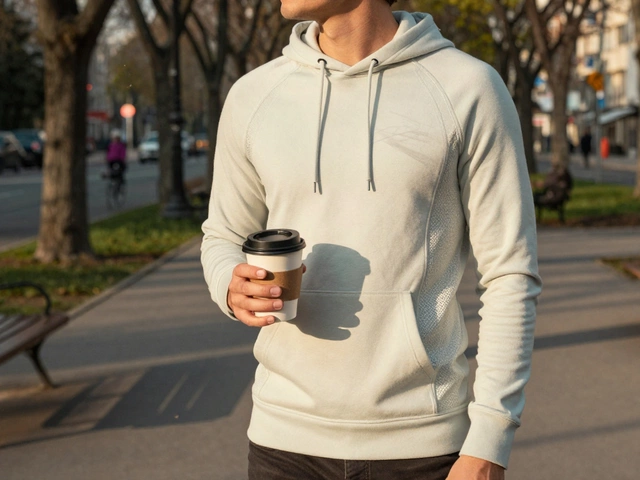
Once considered a basic undershirt color, Heather Grey T-Shirts have evolved into a dominant force in the athleisure market, prized for their soft texture and association with gym culture and relaxed weekends. Thanks to the boom in activewear driven by brands like Lululemon, Nike, and Adidas, grey has climbed the ranks significantly.
Grey hits a sweet spot between light and dark. It doesn’t show sweat as badly as white, nor does it absorb heat like black. The heathered texture also masks pilling and minor wear better than solid colors. This makes it ideal for lounging or working out. If you look at sales data from sports retailers, grey often outsells black for performance fabrics. For everyday cotton tees, however, it usually trails behind the big three (black, white, navy).
Regional Differences: Does Location Matter?
Is black really #1 everywhere? Not exactly. Climate and culture play huge roles. In Scandinavia and Northern Europe, black dominates heavily due to minimalist fashion trends and darker winters. In contrast, Southern Europe and parts of Latin America see higher sales of whites and pastels because of the intense sun and cultural preferences for brighter palettes.
In North America, the trend mirrors the global average: black leads, but white is very strong in summer months. In Asia, particularly Japan and South Korea, oversized white and black tees are staples of streetwear culture. Interestingly, in some Middle Eastern markets, white remains overwhelmingly popular due to religious and cultural norms favoring modesty and purity in clothing, alongside practical cooling needs.
How to Choose Your Next Tee Based on Data
So, should you only buy black? No. Use the data to build a smarter wardrobe. Here’s a simple framework:
- For Versatility: Buy Black. It goes with everything, hides messes, and looks sharp under layers.
- For Summer/Layering: Buy White. Essential for hot days and creating contrast under jackets.
- For Work/Casual Balance: Buy Navy. It’s softer than black but still professional.
- For Gym/Lounging: Buy Heather Grey. It’s comfortable, breathable, and forgiving.
- For Personality: Buy One Accent Color. Maybe olive green, burgundy, or mustard. These don’t sell as much individually, but owning one adds variety without breaking the bank.
Remember, popularity doesn’t equal personal style. Just because everyone buys black doesn’t mean it’s the right shade for your skin tone. Some people look washed out in stark black; others glow. Try on different neutrals before committing to bulk buys.
Why Do Brands Push Certain Colors?
Retailers love black and white because they’re low-risk inventory. They don’t go out of style. A red shirt might be trendy in 2026 but look dated in 2027. Black stays relevant forever. This reduces markdown risks for stores. When you see deep discounts on colored tees, it’s often because the brand is clearing seasonal stock. Neutrals rarely get marked down aggressively because demand remains steady year-round.
Also, printing costs matter. Printing graphics on black requires white ink underlays, which can crack or peel over time. Printing on white is easier and cheaper. This influences how many graphic tees come in white versus black. If you prefer printed designs, white bases often offer better longevity for the print itself.
Is black really the most sold t-shirt color?
Yes, industry reports from major apparel distributors indicate that black is consistently the highest-volume seller globally. Its universal appeal, ability to hide stains, and slimming visual effect make it the default choice for consumers across most demographics and regions.
Why are white t-shirts so popular if they get dirty easily?
White t-shirts remain popular because they reflect heat, making them cooler in warm weather, and they serve as essential layering pieces. Despite the maintenance required, their clean aesthetic and versatility in pairing with other colors keep them as the second most purchased option.
Does climate affect t-shirt color popularity?
Absolutely. Warmer climates tend to favor white and lighter colors for thermal comfort, while colder regions see higher sales of black and dark tones. Cultural factors also influence this, with some regions preferring specific hues for traditional or social reasons.
Which t-shirt color is best for hiding sweat?
Black and Navy Blue are generally the best at concealing sweat marks. Light grey can sometimes show wet spots clearly, and white is notorious for revealing armpit stains. Darker shades absorb less light reflection from moisture, making sweat less noticeable.
Are colorful t-shirts unpopular?
Colorful t-shirts make up a smaller portion of total sales compared to neutrals, but they aren't unpopular. They are often bought as statement pieces or for specific occasions. While you won't see them dominating bulk orders, they hold significant value for expressing individuality.