Cocktail Dress Color Finder
Discover the most flattering hues for your specific features based on color theory and skin undertones.
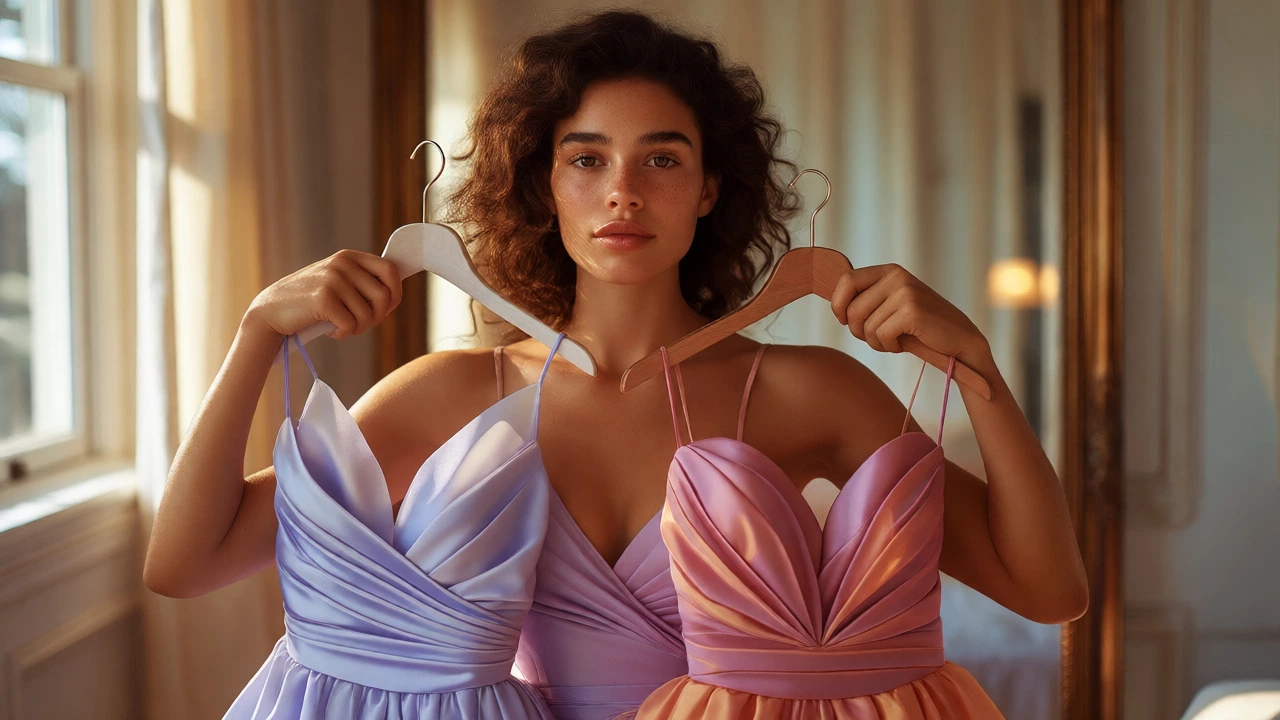
You’re staring at your closet, holding three different dresses, and wondering which one will actually make you feel like the best version of yourself tonight. It’s a common panic. We’ve all been there-standing in front of a mirror at 6 PM, trying to figure out if that emerald green silk or that classic black slip is the right move. The truth is, there is no single "correct" answer that applies to every human being on Earth. But there is a best color for a cocktail dress based on your skin tone, hair color, eye color, and the specific vibe of the event.
Think of it less about following a rigid rulebook and more about understanding how light interacts with your features. Certain hues reflect light in ways that brighten your face, while others can wash you out or cast unflattering shadows. This guide breaks down exactly how to choose the perfect shade so you stop guessing and start glowing.
The Science of Skin Undertones
Before you pick a hue, you need to know what’s happening under your skin. Most people fall into one of three undertone categories: warm, cool, or neutral. This isn’t just beauty industry fluff; it’s basic color theory. Warm undertones have hints of yellow, peach, or gold. Cool undertones lean toward pink, red, or blue. Neutral is a balanced mix where neither dominates.
How do you find yours? Look at the veins on the inside of your wrist. If they look greenish, you’re likely warm. If they look blue or purple, you’re cool. If you can’t decide, you’re probably neutral. Another quick test: hold up a piece of white paper next to your face in natural daylight. Does your skin look yellowish (warm), pinkish (cool), or grayish (neutral)? Once you identify this, the rest becomes much easier.
Best Colors for Warm Undertones
If you have warm undertones, you want colors that echo the golden glow of your skin. You should avoid icy pastels or stark whites, which can make you look sallow or tired. Instead, embrace rich, earthy, and vibrant tones.
- Jewel Tones: Emerald green, ruby red, and deep sapphire are stunning on warm skin. They provide a rich contrast without clashing.
- Earth Tones: Terracotta, mustard yellow, olive green, and burnt orange harmonize beautifully with golden undertones.
- Warm Neutrals: Cream, camel, beige, and chocolate brown are safer bets than stark black or pure white.
- Vibrant Hues: Coral, peach, and true red (with orange undertones) pop against warm skin.
A personal example: I once helped a friend with very fair, freckled skin (classic warm) choose a dress for a Toronto wedding. She was leaning toward a icy lavender, but it made her look pale and sickly. We switched her to a dusty rose with peach undertones, and suddenly she looked radiant. The shift wasn't just aesthetic; it changed her entire posture because she felt confident.
Best Colors for Cool Undertones
Cool undertones pair best with colors that have blue or purple bases. These shades complement the pink or blue hints in your skin, creating a crisp, clean look. Avoid oranges and yellows, which can clash and create an unnatural contrast.
- Jewel Tones: Amethyst purple, royal blue, and fuchsia are excellent choices. They enhance the clarity of cool skin.
- Cool Pastels: Lavender, mint green, baby blue, and soft pink work well here, unlike on warm skins.
- Crisp Neutrals: Pure white, charcoal gray, navy blue, and stark black are your friends. They provide sharp definition.
- Berry Shades: Raspberry, plum, and burgundy offer depth and sophistication.
Navy blue is often underrated. Many people default to black for safety, but navy can be softer yet equally formal. For someone with cool undertones, a midnight blue velvet cocktail dress looks luxurious and modern, whereas black might feel a bit harsh depending on the lighting.

The Universal Winners: Black, Red, and Navy
Some colors defy undertone rules because they are universally flattering due to their high contrast and saturation. These are the safe havens when you’re unsure or don’t have time to analyze your skin tone.
Black remains the most popular choice for a reason. It slims the silhouette, hides sweat marks, and goes with any accessory. However, black can sometimes drain color from pale complexions. If you go this route, add a statement necklace or bold lipstick to bring life back to your face.
Red is powerful. It signals confidence and energy. True red works for almost everyone, but adjust the shade: warm-toned people should opt for tomato or brick reds, while cool-toned individuals shine in crimson or cherry reds.
Navy Blue is the sophisticated cousin of black. It’s less severe but equally versatile. It pairs well with silver jewelry (for cool tones) or gold (for warm tones), making it adaptable across styles.
| Undertone | Best Jewel Tones | Best Neutrals | Colors to Avoid |
|---|---|---|---|
| Warm | Emerald, Ruby, Amber | Cream, Camel, Olive | Icy White, Cool Pink |
| Cool | Sapphire, Amethyst, Fuchsia | Pure White, Charcoal, Navy | Orange, Mustard Yellow |
| Neutral | Teal, Magenta, Turquoise | Gray, Beige, Soft Black | Extremely Bright Neon |
Hair and Eye Color Considerations
Your skin isn’t the only factor. Your hair and eyes play a massive role in how a color reads on you. High-contrast combinations tend to be more striking, while low-contrast ones look softer and more ethereal.
If you have dark hair and light skin, you can handle bold, saturated colors like electric blue or hot pink. The contrast makes the color stand out without overwhelming your features. Conversely, if you have blonde hair and fair skin, extremely dark colors like jet black might overpower you unless you’re wearing heavy makeup. Softer jewel tones or metallics often work better.
Eye color can also guide your choice. Green eyes pop against purples and reds. Blue eyes shine against oranges and warm browns. Brown eyes are incredibly versatile but look particularly striking against teal and turquoise. This isn’t a hard rule, but it’s a fun way to experiment. Try a teal dress if you have hazel eyes-you might be surprised by how much the green flecks in your iris seem to amplify.
Matching the Occasion and Season
A perfect color for a summer garden party might feel wrong at a winter gala. Context matters. In spring and summer, lighter, brighter colors feel appropriate and fresh. Pastels, florals, and vibrant corals match the season’s energy. In fall and winter, deeper, richer tones align with the environment. Burgundy, forest green, and deep plum feel cozy and festive.
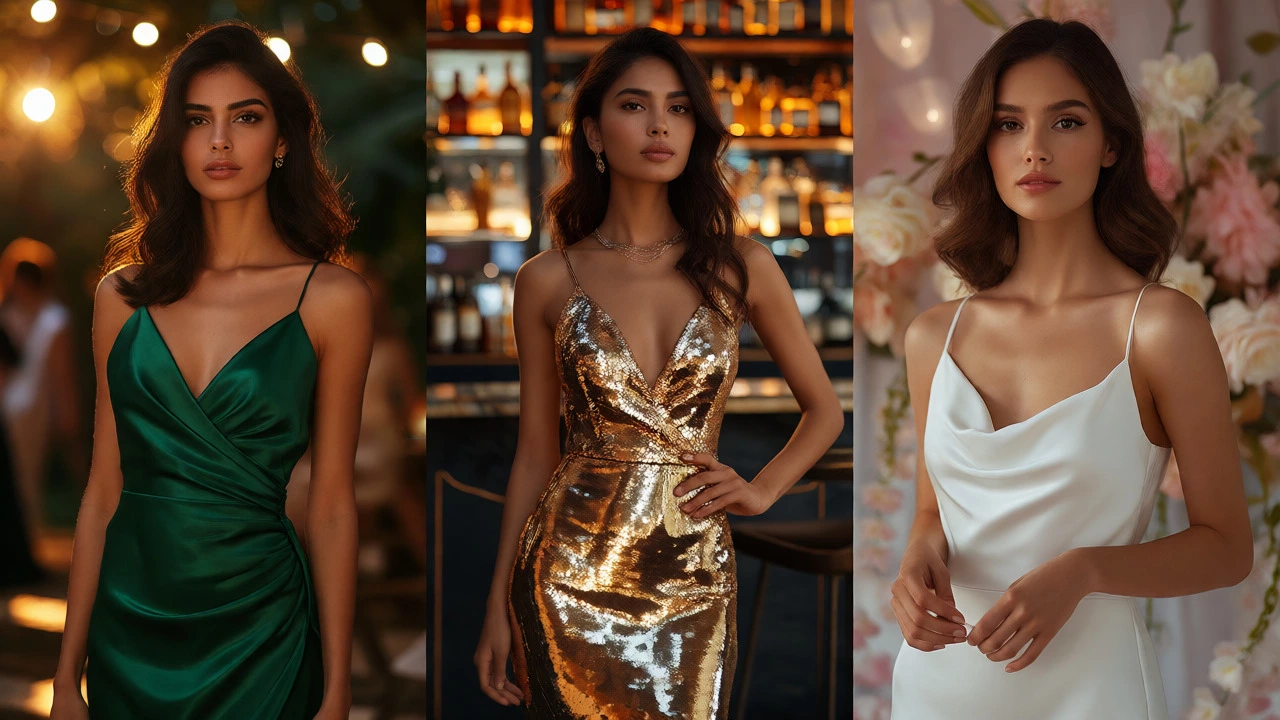
Consider the venue too. An outdoor daytime wedding calls for breathable fabrics and lighter colors to reflect heat. A dimly lit downtown bar benefits from fabrics that catch light, like satin or sequins in metallics or deep jewels. Gold and silver dresses are tricky-they can look cheap if the fabric is poor, but stunning if the cut is impeccable. Metallics act as neutrals and work for all undertones, making them a great wildcard option.
Practical Tips for Testing Your Choice
Don’t rely solely on store lighting. Retail lights are notorious for distorting colors. Here is a checklist before you buy:
- Check Natural Light: Step outside or near a window. See how the color looks in daylight versus artificial light.
- The Phone Test: Take a selfie with the dress on. Cameras often flatten color, revealing if a shade washes you out more than you thought.
- Accessories Matter: Bring your intended shoes and bag. Sometimes a color works alone but clashes with your accessories.
- Movement Check: Walk around. Some colors look different when fabric folds and catches light differently.
Remember, confidence trumps everything. If you hate the color you picked, even if it’s "technically" correct for your undertone, you won’t feel good. Wear what makes you feel alive. That said, using these guidelines helps you narrow down options so you spend less time doubting and more time enjoying the party.
Frequently Asked Questions
Is black always the safest choice for a cocktail dress?
While black is versatile and slimming, it isn't always the best. For people with very pale skin and light hair, black can create a harsh contrast that drains color from the face. In those cases, navy, charcoal, or deep jewel tones are often more flattering alternatives that still offer elegance.
Can I wear white to a cocktail event?
Yes, but context is key. White is traditionally avoided at weddings unless specified by the host. For other cocktail events, white is chic and summery. Opt for cream or ivory if you have warm undertones, as stark white can sometimes look too clinical against golden skin.
What color is most flattering for older women?
There is no age-specific color, but many find that softer, mid-tone colors like sage green, dusty rose, or lavender are kinder to mature skin than stark black or neon brights. These shades soften facial lines and add a gentle glow without being overpowering.
Do patterns change the color advice?
Patterns introduce multiple colors, so focus on the dominant background color. If the background suits your undertone, the pattern accents matter less. Small prints can also distract from body shape concerns, making them a strategic choice regardless of color theory.
Are metallic dresses suitable for all skin tones?
Generally, yes. Silver tends to flatter cool undertones, while gold complements warm undertones. Rose gold is a fantastic middle ground for neutral undertones. Because metallics reflect light, they often brighten the face regardless of the base color, provided the fabric quality is high.