Leather Shoe Health Checker
Not all leather is created equal, and "better" depends on your feet's activity. Use this tool to determine if full-grain leather is the right investment for you.
Your Recommendation
You’ve probably heard it from your dad, your doctor, or that one friend who swears by his vintage oxfords: leather shoes are the gold standard for foot health. But is that actually true, or is it just marketing hype designed to make you pay double for a pair of boots? If you’re standing on concrete floors all day or walking miles across Toronto’s uneven sidewalks, the material touching your skin matters more than you think.
The short answer? Yes, but with big caveats. Not all leather is created equal, and "better" depends entirely on what your feet are doing. Let’s break down why this natural material behaves differently than synthetic plastics, where it fails, and how to pick a pair that won’t leave you limping by Friday afternoon.
The Science of Breathability: Why Your Feet Sweat
Your feet have roughly 250,000 sweat glands. That’s a lot of moisture looking for an exit. When you wear shoes made from cheap synthetics like polyurethane or vinyl, you’re essentially wrapping your feet in plastic bags. The moisture gets trapped, creating a warm, damp environment perfect for bacteria and fungi. This is why your feet smell after a long day in fast-fashion sneakers.
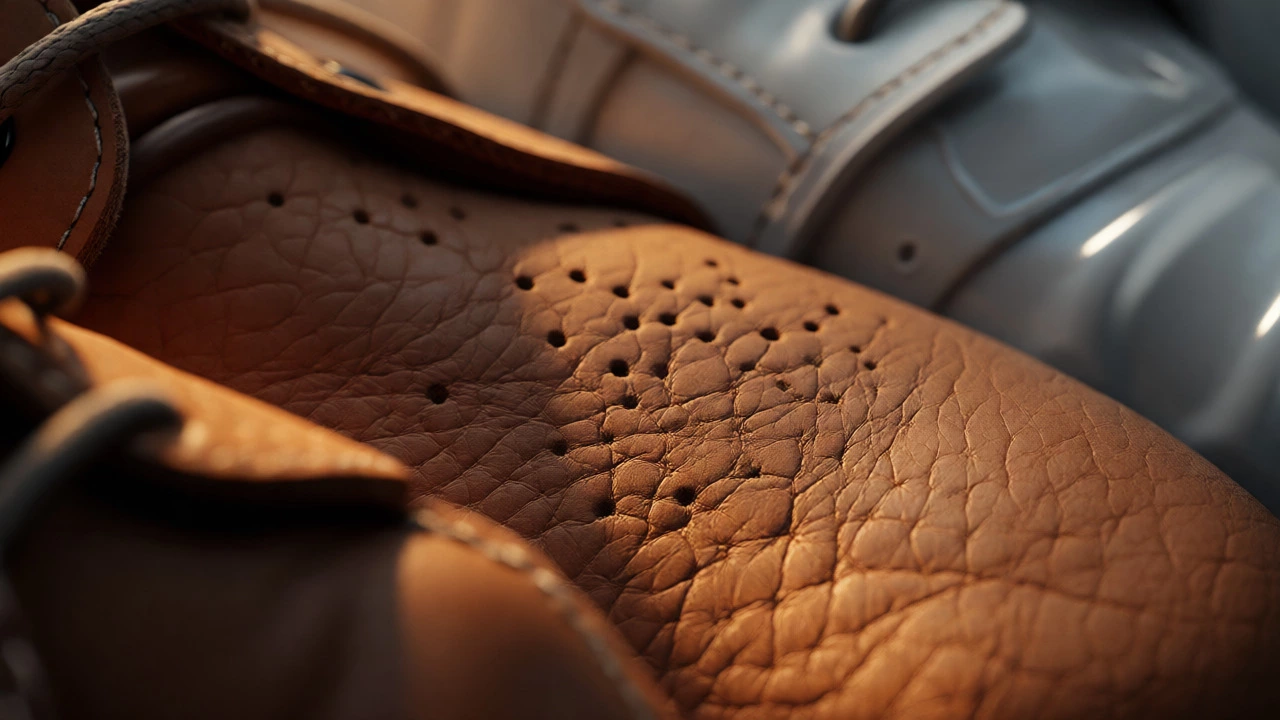
Genuine leather is a porous material. It has microscopic holes that allow air to circulate and moisture vapor to escape. This process, known as wicking, helps regulate temperature. In winter, leather insulates; in summer, it breathes. A study published in the Journal of Applied Biomechanics highlighted that natural fibers maintain a lower relative humidity inside the shoe compared to closed-cell foams, directly reducing the risk of athlete’s foot and blisters caused by friction from wet skin.
Durability vs. Comfort: The Break-In Myth
Here is the trade-off nobody talks about enough. Leather is tough. It protects your toes from rocks, scuffs, and weather. But because it’s stiff initially, it requires a break-in period. Synthetic shoes often feel soft right out of the box because they use foam padding that compresses quickly. However, that foam dies. After six months, those comfy memory-foam inserts are flat pancakes.
Leather, specifically full-grain leather, molds to your foot over time. It stretches slightly in width while maintaining structural integrity. This means a well-made leather boot will eventually fit your unique foot shape better than any mass-produced sneaker. The key is patience. You don’t want to run a marathon in brand-new leather dress shoes. Wear them around the house first. If they pinch immediately and hurt after two hours, they might be too narrow, not just stiff.
Not All Leather Is Created Equal
If you buy a $30 pair of "leather" shoes at a discount store, you aren’t buying the same product as a $200 pair from a heritage cobbler. The quality of the hide dictates whether your feet stay healthy or suffer.
| Material Type | Breathability | Durability | Water Resistance | Best For |
|---|---|---|---|---|
| Full-Grain Leather | High | Very High | Moderate (needs care) | Daily wear, hiking boots, formal shoes |
| Top-Grain Leather | Medium-High | High | Moderate | Casual sneakers, loafers |
| Bonded Leather | Low | Low | Poor | Furniture, cheap accessories (avoid for shoes) |
| Synthetic (PU/Vinyl) | Very Low | Medium | High | Rain boots, budget casual wear |
Avoid bonded leather if you care about foot health. It’s made from leather scraps glued together with polyurethane. It doesn’t breathe well, cracks easily, and peels off in flakes that can irritate your socks and skin. Stick to full-grain or top-grain if you want the benefits of natural hide.
When Leather Fails: Water and Weight
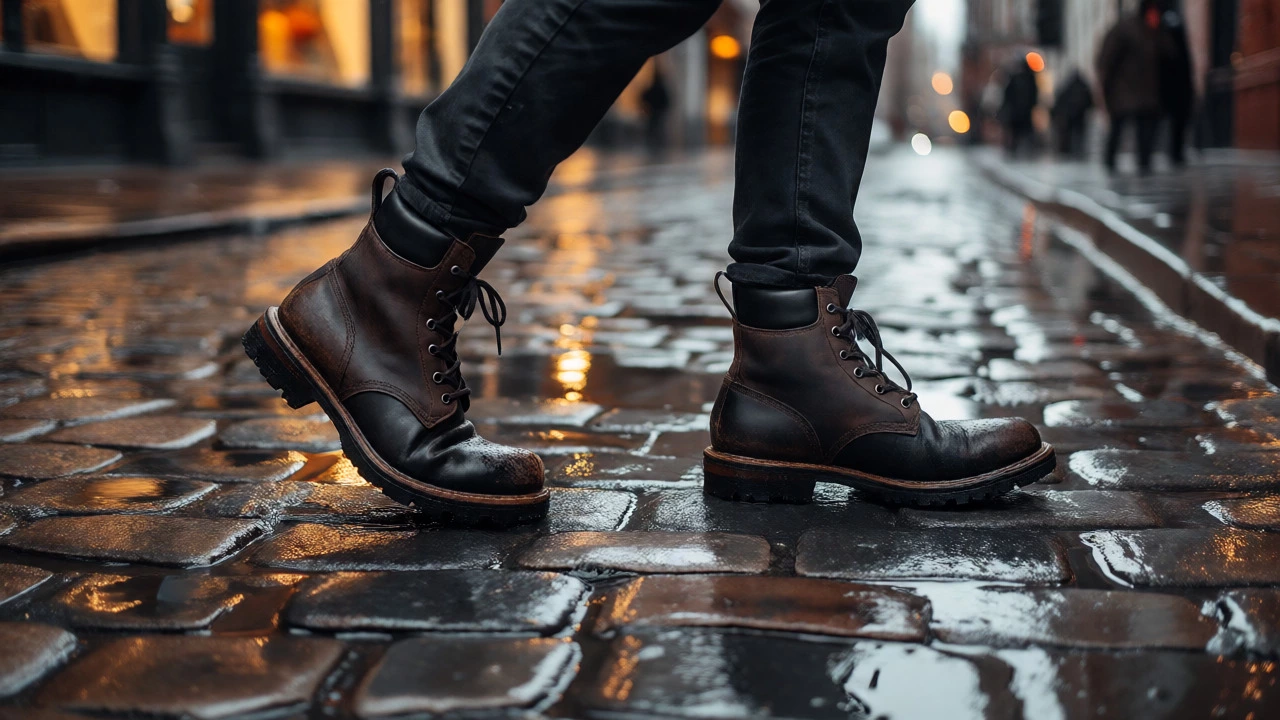
Leather isn’t magic. If you step in a puddle wearing untreated suede, your feet will get wet, and cold. Wet leather takes days to dry properly. If you live in a rainy climate like Vancouver or deal with slushy Toronto winters, you need treated leather or Gore-Tex lining. Otherwise, you’re trading breathability for sogginess.
Also, consider weight. Leather is heavier than mesh or knit fabrics. If you’re training for a 5K, heavy leather runners will slow you down and fatigue your calves faster. Use leather for stability and protection, not for speed sports.
How to Choose the Right Pair for Your Feet
Don’t just look at the label. Check these three things before buying:
- The Smell Test: Genuine leather smells earthy and rich. Synthetics smell like chemicals or nothing at all. If it smells like a factory, your feet might react poorly to the adhesives used.
- The Crease Check: Press your thumb into the upper. Real leather wrinkles in small, irregular patterns. Fake leather tends to crease in uniform, plastic-like lines or doesn’t crease much at all.
- The Lining: Look inside the shoe. A leather lining is crucial. Even if the outside is high-quality, a polyester lining defeats the purpose of breathability. Ensure the interior touches your skin with another layer of natural fiber.
For people with plantar fasciitis or flat feet, leather provides a firm heel counter that holds the bone in place better than floppy synthetics. However, always add a quality orthotic if needed. Leather shoes often have thinner soles than modern running shoes, so check the arch support built into the midsole.
Maintenance Matters More Than Material
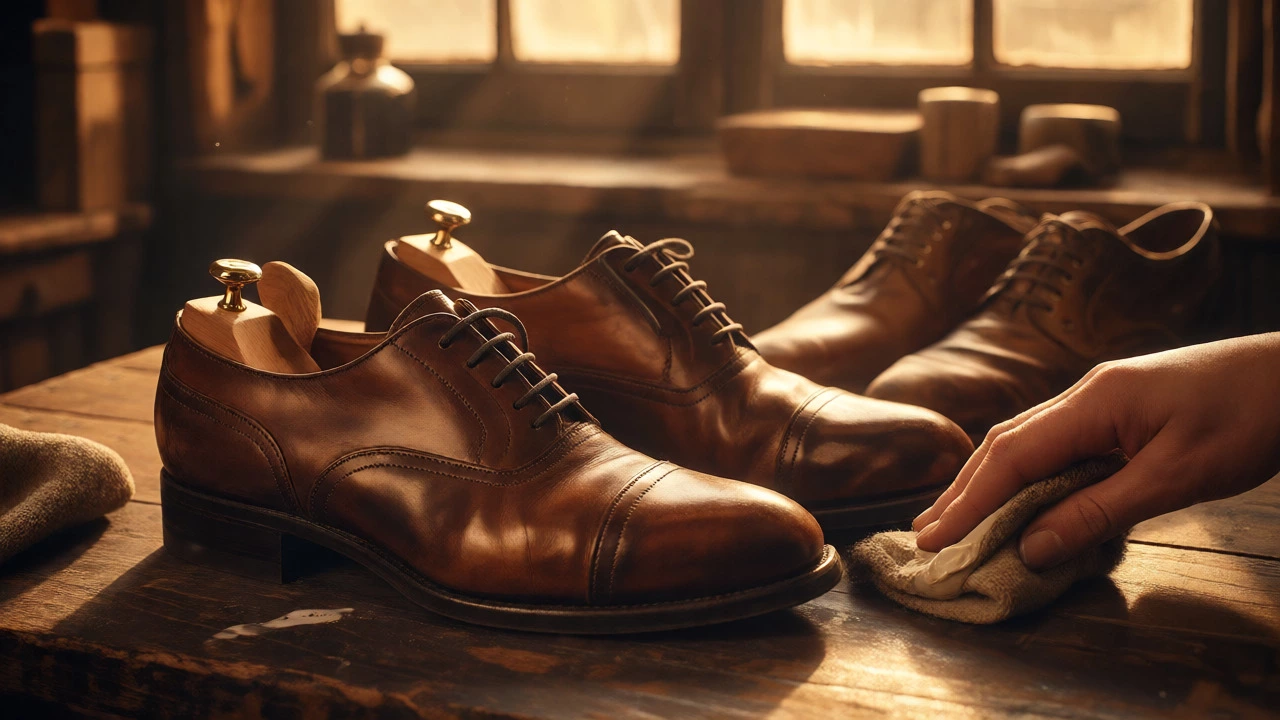
A neglected pair of leather shoes will crack, letting water in and dirt out. A well-cared-for pair lasts decades. Use a cedar shoe tree when you take them off. Cedar absorbs moisture overnight, keeping the leather supple and preventing odor. Wipe them down with a damp cloth weekly and condition them every few months with a neutral cream. This keeps the pores open rather than clogged with dried polish.
If you skip maintenance, leather becomes brittle. Cracked leather stops breathing and starts cutting into your skin. So, are leather shoes better? Only if you treat them like tools, not disposable trash.
Do leather shoes cause allergies?
Rarely. Most reactions come from the tanning chemicals (like chromium) or dyes used in processing, not the leather itself. If you have sensitive skin, look for vegetable-tanned leather, which uses natural tannins from bark and leaves instead of harsh chemicals. It’s hypoallergenic and ages beautifully.
Are vegan leather alternatives better for feet?
Generally, no. Most vegan leathers are made from polyurethane (PU) or PVC, which are plastics. They lack the micro-pores found in animal hide, meaning they trap heat and sweat. Newer plant-based options (like Piñatex from pineapple leaves) are improving, but they still lag behind genuine leather in durability and breathability for daily wear.
How long does it take to break in leather shoes?
It typically takes 1 to 2 weeks of regular wear. To speed up the process, wear them indoors for short periods with thick socks. You can also use a leather conditioner to soften the fibers. Never force a break-in by running long distances immediately, as this causes blisters and damages the shoe structure.
Is suede bad for my feet?
Suede is breathable and flexible, making it comfortable for casual wear. However, it lacks water resistance and structure. If you walk on rough terrain or in rain, suede offers little protection and can degrade quickly, leading to less support for your ankles and arches over time.
Can I wash leather shoes?
No, do not put them in the washing machine. Water saturates the leather, causing it to swell, warp, and lose its natural oils. Instead, clean them with a specialized leather cleaner or saddle soap and a soft brush. Always let them air dry away from direct heat sources like radiators, which can crack the material.