Sneakers or Trainers? Regional Shoe-Term Finder
Select your target audience's region to learn the natural term locals use for everyday athletic shoes.
In the United States, “sneakers” is the standard word for casual rubber-soled shoes used for everyday wear or light exercise.
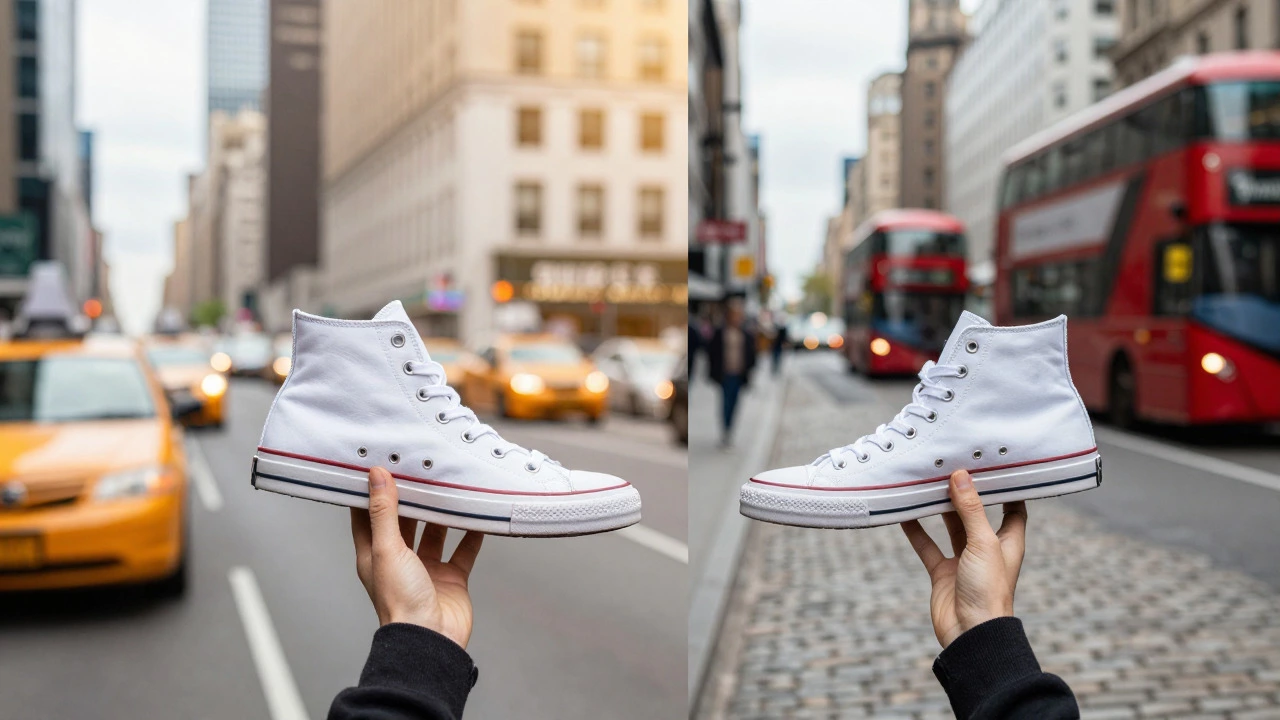
Walk into a shoe store in New York and ask for sneakers. Do the same in London and you’ll likely hear “trainers” instead. This simple difference often trips up travelers, language learners, and even marketing teams trying to reach a global audience. But which word is actually correct? The short answer: both are, but they belong to different sides of the Atlantic.
If you’ve ever wondered why your American friend calls their running shoes sneakers while your British colleague insists on calling them trainers, you’re not alone. The confusion isn’t just about vocabulary-it’s about history, culture, and how languages evolve independently. Let’s clear this up once and for all.
The Short Answer: It Depends on Where You Are
In the United States, Sneakers is the standard term for casual rubber-soled shoes used for everyday wear or light exercise. You’ll see it in stores, on product labels, and in daily conversation. In the UK, Australia, Canada (mostly), and much of the Commonwealth, Trainers is the preferred term for the same type of shoe, especially those designed for athletic training.
So if you’re shopping in Manhattan, say “sneakers.” If you’re in Manchester, say “trainers.” Neither is wrong. They’re just regional dialects of the same object.
Where Did These Words Come From?
Language doesn’t appear out of thin air. Both terms have distinct origins that explain their regional dominance.
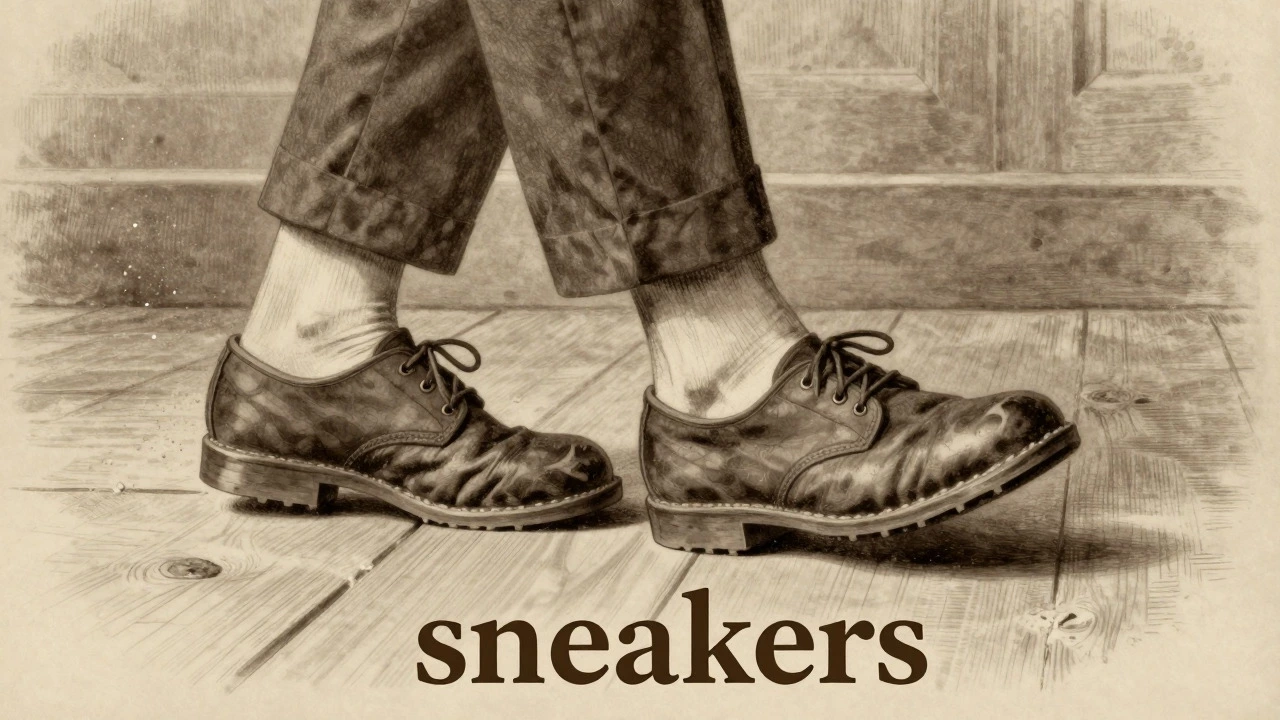
Sneaker, first recorded in the 19th century, referred to shoes with rubber soles that made no noise when walking-hence “sneak.” The term gained popularity in the early 20th century as rubber-soled shoes became common in America. By the 1930s, brands like Keds and Converse were marketing their products explicitly as sneakers.
Trainer, on the other hand, comes from the idea of “training” for sports. In the UK, these shoes were specifically designed for athletic activities, so the name stuck. Over time, the term expanded to include any casual athletic-style shoe, even if you weren’t actually training in them.
This historical split explains why the US leans toward “sneakers” (emphasizing the quiet sole) and the UK leans toward “trainers” (emphasizing the athletic purpose).
Regional Breakdown: Who Says What?
It’s not just a black-and-white division between America and Britain. Different regions within countries can also vary. Here’s a quick guide:
| Region | Common Term | Alternative Terms Used |
|---|---|---|
| United States | Sneakers | Tennis shoes, runners, kicks |
| United Kingdom | Trainers | Trainers, kicks, plimsolls (rare) |
| Canada | Sneakers / Trainers | Varies by province; Ontario leans toward sneakers, Atlantic Canada may use trainers |
| Australia | Trainers | Kicks, runners |
| Ireland | Trainers | Trainers, kicks |
Notice how Canada sits in the middle? That makes sense given its proximity to the US and strong cultural ties to the UK. Many Canadians switch between the two depending on context or personal preference.
Are There Differences Beyond the Name?
Beyond the label, do “sneakers” and “trainers” refer to different types of shoes? Not really. In most contexts, they mean the same thing: a lightweight, flexible shoe with a rubber sole, suitable for casual wear or light physical activity.
However, there are subtle nuances:
- Sneakers in the US can sometimes imply a more fashion-oriented or lifestyle-focused shoe. Think of high-top Converse Chuck Taylors or Nike Air Force 1s. These aren’t necessarily built for intense sport but are worn as everyday footwear.
- Trainers in the UK often carry a stronger connotation of athletic function. A “running trainer” is clearly for running, while a “gym trainer” is for workouts. But again, the line is blurry.
In practice, if you show someone a pair of white low-top Nikes, an American will call them sneakers, and a Brit will call them trainers. Same shoe, different word.
Why Does This Matter for Marketers and Travelers?
If you’re creating content, designing packaging, or planning a trip, getting the terminology right matters. Using “trainers” in a US ad campaign might confuse readers, just as using “sneakers” in a UK brochure could feel off-brand.
For travelers, knowing the local term helps you communicate more naturally. Asking for “sneakers” in a London shop won’t get you lost, but saying “trainers” shows you’ve done your homework-and locals appreciate that.
Even in customer service, using the right term builds trust. A support agent based in Toronto who says “sneakers” to a Canadian customer feels natural. One who says “trainers” might sound slightly foreign, though not wrong.
Other Regional Terms You Might Encounter
“Sneakers” and “trainers” aren’t the only words in play. Depending on where you are, you might hear:
- Tennis shoes: Common in the US, especially older generations. Originally meant shoes for tennis, now used broadly.
- Runners: Popular in the UK and Australia, emphasizing the shoe’s use for running.
- Kicks: Slang used in both the US and UK, informal and cool.
- Plimsolls: A very British term, mostly referring to canvas shoes with rubber soles, often associated with school uniforms or vintage styles.
These terms overlap significantly. A pair of Vans Old Skools could be called sneakers, trainers, kicks, or even plimsolls, depending on who’s talking and where they’re from.
How to Choose the Right Word in Your Writing
If you’re writing for a specific audience, match their regional preference. Here’s a simple rule of thumb:
- Writing for a US audience? Use “sneakers.”
- Writing for a UK, Australian, or Irish audience? Use “trainers.”
- Writing for a global audience? Use “athletic shoes” or “casual shoes” to avoid confusion, or define the term early on.
- Writing for a Canadian audience? Either works, but consider your reader’s background. If they’re from Western Canada, “sneakers” is safer. If they’re from the Maritimes, “trainers” might resonate more.
Consistency is key. Once you pick a term, stick with it throughout the piece. Mixing “sneakers” and “trainers” in the same article can make your writing feel inconsistent, even if both terms are technically correct.
Frequently Asked Questions
Is “sneakers” wrong in the UK?
No, it’s not wrong, but it’s less common. Most Brits understand “sneakers,” but they typically say “trainers.” Using “sneakers” in the UK won’t cause confusion, but it might sound slightly American.
What do Americans call formal dress shoes?
Americans usually say “dress shoes” or “oxfords.” They don’t use “sneakers” for formal footwear. Similarly, Brits say “dress shoes” or “court shoes.”
Can I use “trainers” in the US without sounding weird?
Yes, but it might raise eyebrows. Some Americans associate “trainers” with gym equipment or workout routines rather than shoes. To avoid confusion, stick with “sneakers” or “athletic shoes” in the US.
Why do Canadians mix both terms?
Canada is culturally influenced by both the US and the UK. Proximity to the US pushes many Canadians toward “sneakers,” while historical ties to Britain keep “trainers” alive in some regions. Personal preference also plays a role.
Are “kicks” and “sneakers” the same thing?
In casual speech, yes. “Kicks” is slang for sneakers or trainers. It’s informal and widely understood in both the US and UK. You’d hear it in conversations among friends, not in formal writing.
What should I call my shoes in a job interview in London?
If you’re describing your attire, say “trainers” if you’re wearing athletic-style shoes. If you’re wearing formal shoes, say “dress shoes.” Avoid mixing terms unless you’re confident in your regional usage.
Does the brand matter when choosing the term?
Not really. Whether it’s Nike, Adidas, or Reebok, the term depends on your location, not the brand. However, some brands market themselves differently. For example, Nike uses “sneakers” in US ads and “trainers” in UK campaigns.
Is there a scientific or linguistic reason for the difference?
Linguists point to historical usage patterns. The US emphasized the quiet nature of rubber soles (“sneak”), while the UK focused on the athletic purpose (“training”). These initial meanings stuck and evolved into regional norms.
Will “sneakers” and “trainers” ever merge into one term?
Unlikely in the near future. Language changes slowly, and regional preferences are deeply rooted. Globalization might lead to more understanding of both terms, but each region will probably keep its favorite word for decades to come.