Old Suit Repurposing Planner
Answer a few quick questions about your suit and we'll recommend the best path — from a simple donation to a full upcycling project.
Fill in the details on the left, then tap Get My Plan. We'll match you with the right approach and show the effort involved.
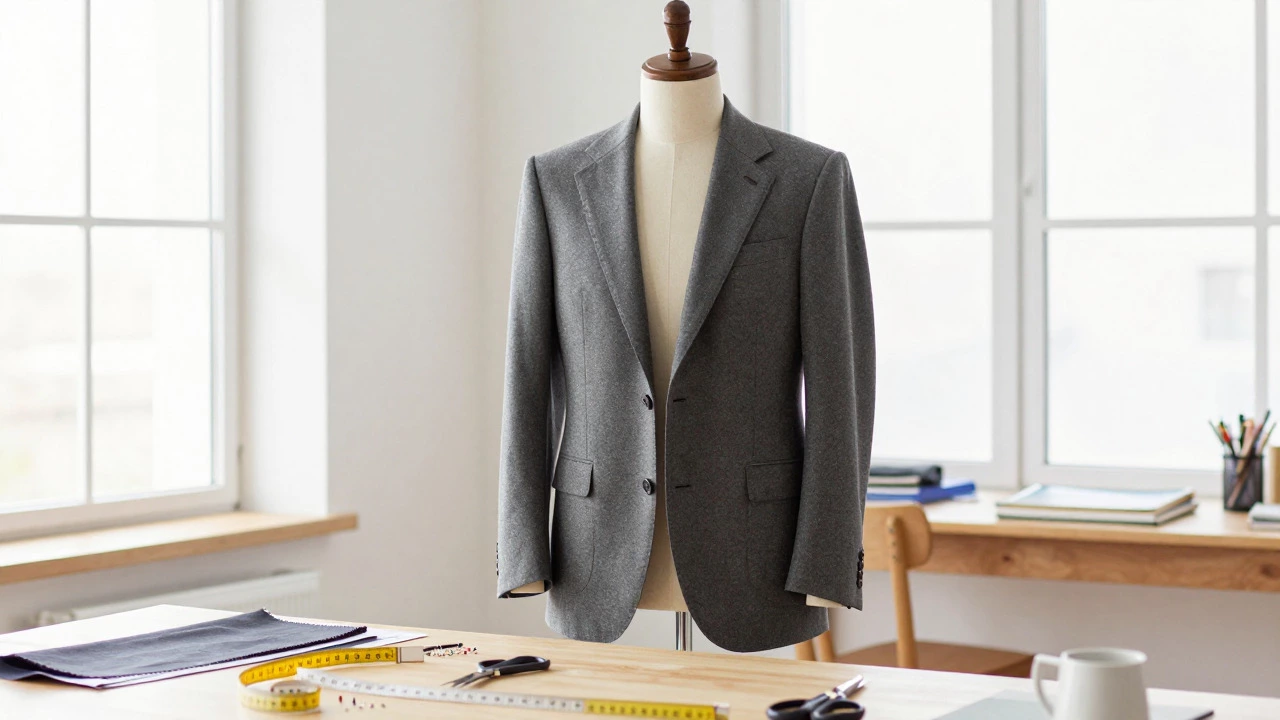
That old men's suit is a tailored garment set typically consisting of a jacket and trousers, often made from wool or synthetic blends. sitting in the back of your closet? It’s not just taking up space; it’s holding potential. Whether it’s too tight, the style feels dated, or you simply never wear it again, throwing it away feels wasteful. Instead of letting high-quality fabrics like wool or linen go to landfills, you can transform that single piece into multiple useful items. From home decor to new wardrobe staples, the options are surprisingly vast.
Quick Summary / Key Takeaways
- Repurpose the jacket into a cropped blazer, a vest, or even a pet bed for immediate utility.
- Turn trousers into shorts, skirts, or aprons to extend their life in different contexts.
- Use leftover fabric scraps for lining, cushions, or custom accessories like tote bags.
- Consider donating intact suits to thrift stores if they still fit well, as demand for formal wear remains steady.
- Upcycling saves money and reduces textile waste, aligning with sustainable fashion trends in 2026.
Transform the Jacket: New Silhouettes and Styles
The jacket is usually the most valuable part of the suit because it holds its shape and structure better than the pants. If the shoulders are too wide or the sleeves are too long, a tailor can adjust them for a modern fit. But what if you want something completely different? You can cut the hem to create a cropped blazer, which pairs perfectly with high-waisted jeans or dresses. This look has been trending in street style circles for years and works well for casual Fridays or weekend outings.
If the buttons are worn out, replace them with contrasting ones to add personality. Alternatively, remove the lapels entirely to turn the jacket into a boxy, open-front cardigan. This works especially well with lighter fabrics like cotton or linen blends. For a bolder move, consider turning the jacket into a vest by removing the sleeves. This creates a layering piece that’s perfect for transitional weather. Just make sure the armholes are finished neatly to prevent fraying.
Reworking the Trousers: Practical Everyday Wear
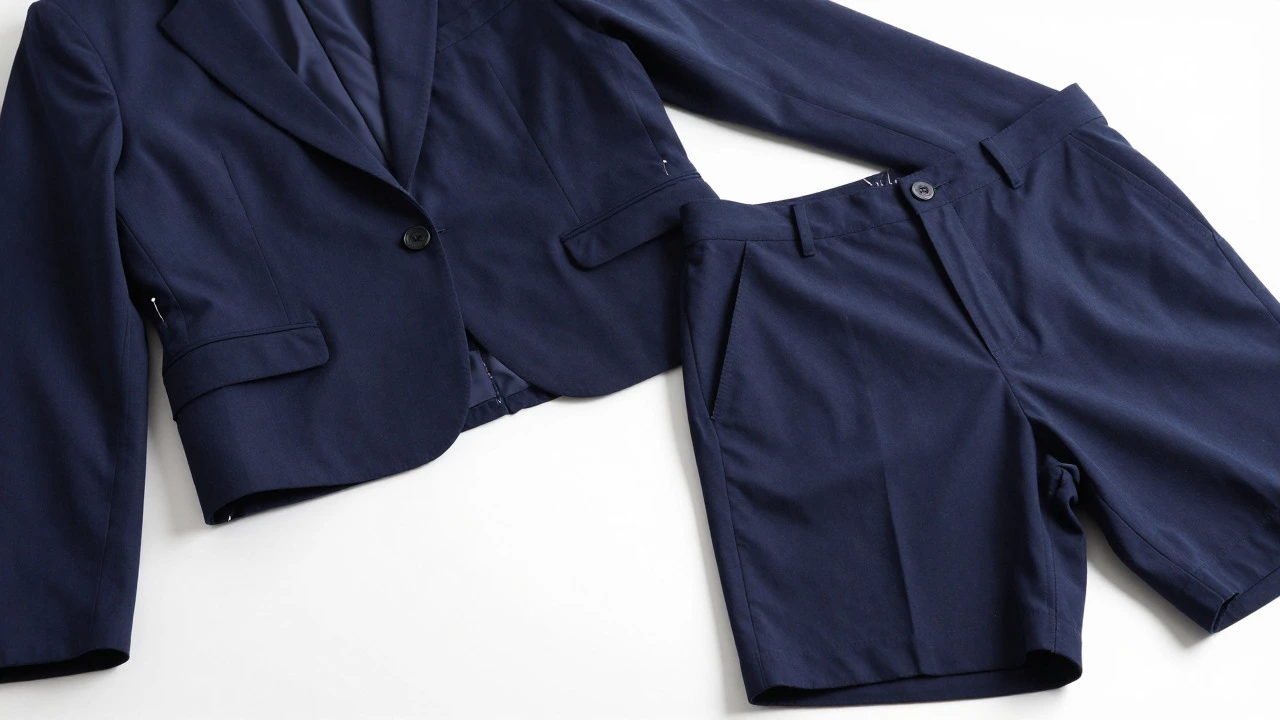
Suit trousers are designed to drape elegantly, but they can be easily adapted for casual use. The easiest transformation is cutting them into shorts. Aim for a length above the knee for a classic look, or mid-thigh for a more relaxed vibe. Hem the edges properly to avoid unraveling. These "suit shorts" look sharp when paired with a simple t-shirt and loafers, making them suitable for smart-casual events.
For those who prefer longer garments, the trousers can become a pencil skirt. Measure from your waist to your desired length, then cut along the seam line. Add a zipper or hook-and-eye closure at the side for ease of wear. The structured fabric of the original suit ensures the skirt maintains its shape without needing additional stiffeners. Another option is creating an apron. Cut two panels from the legs and attach a neck strap and waist ties. This is particularly useful for home cooks or gardeners who want durable, stain-resistant clothing.
Home Decor and Functional Uses
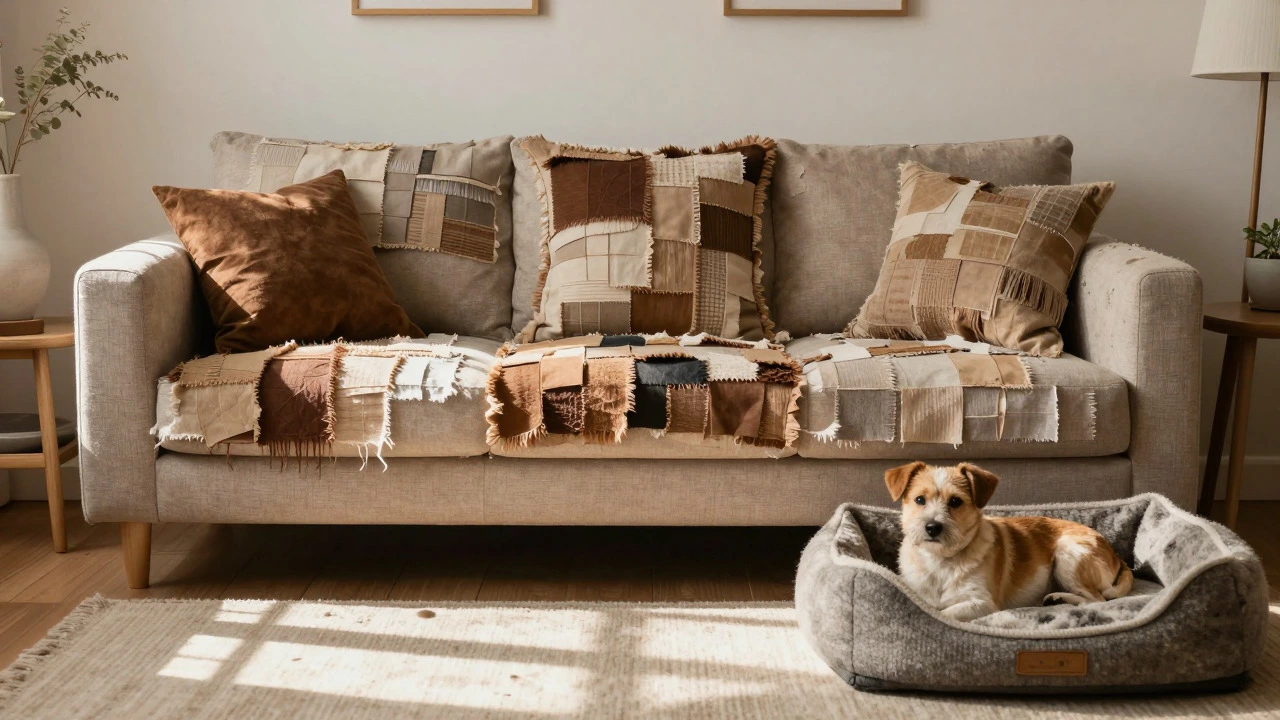
Not every piece of fabric needs to end up on your body. Leftover sections from the jacket or trousers can be repurposed for home projects. Thick wool suiting makes excellent material for cushion covers. Cut squares slightly larger than your pillow inserts, sew three sides, insert the pillow, and finish the fourth side. The texture adds depth to sofas and beds, giving your living room a sophisticated touch.
You can also use the fabric to line drawers or create felt-like patches for furniture repair. If the suit includes a pocket square or belt, these smaller items can be turned into keychains or phone straps. Even the buttons can be saved for future crafts. A jar of assorted suit buttons is a handy resource for fixing other clothes or decorating notebooks. By thinking beyond clothing, you maximize the value of every inch of material.
When to Donate vs. When to Upcycle
Before you start cutting, assess the condition of the suit. If the fabric is pristine, the seams are intact, and the size fits within a common range (like M or L), donation might be the best choice. Thrift stores and charity shops constantly need quality formal wear for job interviews, weddings, and galas. Donating extends the life of the garment and helps someone else save money. Check local organizations that accept clothing donations to ensure they have current needs.
However, if the suit shows signs of wear-stains, thinning fabric, or broken zippers-upcycling becomes the smarter option. In this case, salvage the usable parts. A stained shirt can become a quilt block, while a worn-out jacket can provide material for a dog bed cover. This approach minimizes waste and gives you a unique item that no one else will have. It’s a win-win: you declutter your closet, and you create something personal and functional.
| Method | Difficulty Level | Time Required | Best For |
|---|---|---|---|
| Cropped Blazer | Moderate | 2-3 hours | Casual wear, street style |
| Suit Shorts | Easy | 1 hour | Summer outfits, smart-casual events |
| Pencil Skirt | Moderate | 3-4 hours | Office wear, formal occasions |
| Cushion Covers | Easy | 1-2 hours | Home decor, gifting |
| Donation | None | 15 minutes | Intact, good-condition suits |
Tools and Techniques for Clean Results
To achieve professional-looking results, you don’t need expensive equipment. A basic sewing kit with needles, thread, and pins is sufficient for small alterations. For heavier tasks like cutting large pieces, use sharp fabric scissors rather than household scissors, which tend to leave jagged edges. A measuring tape and chalk marker help ensure symmetry when cutting patterns.
If you’re uncomfortable with sewing, consider using fusible interfacing to reinforce hems and edges. This adhesive material bonds to the fabric when ironed, providing stability without stitching. It’s particularly useful for beginners working with slippery synthetics. Always test your techniques on a scrap piece first to see how the fabric behaves under heat and pressure. Taking these precautions prevents mistakes and saves time in the long run.
Frequently Asked Questions
Can I sell my old suit after altering it?
Yes, many people buy vintage or altered suits online. Platforms specializing in second-hand fashion often feature unique pieces. Ensure your alterations are clean and well-finished before listing. Include photos showing the details and describe the original brand if known, as this can increase value.
What should I do with a suit that doesn't fit anymore?
If it’s too big, consider tailoring it down for a different wearer or converting it into a loose-fitting robe. If it’s too small, upcycle it into smaller items like caps, pouches, or doll clothes. Avoid forcing a bad fit, as it compromises the structural integrity of the garment.
Are there environmental benefits to repurposing suits?
Absolutely. Textile waste is a major contributor to landfill volume. By reusing materials, you reduce the demand for new resources and lower carbon emissions associated with manufacturing. Wool, in particular, takes a long time to decompose, so keeping it in circulation is eco-friendly.
How do I clean a suit before repurposing it?
Always clean the fabric before cutting. Dry cleaning is recommended for wool and delicate blends to prevent shrinkage. For machine-washable synthetics, use a gentle cycle and cold water. Removing stains beforehand ensures they don’t transfer to your new project.
What if I don't know how to sew?
Start with no-sew projects like tying fabric into knots for headbands or using clips to hold shapes together temporarily. Alternatively, take your idea to a local tailor or seamstress who can execute the design for a fee. Many offer hourly rates for simple alterations.