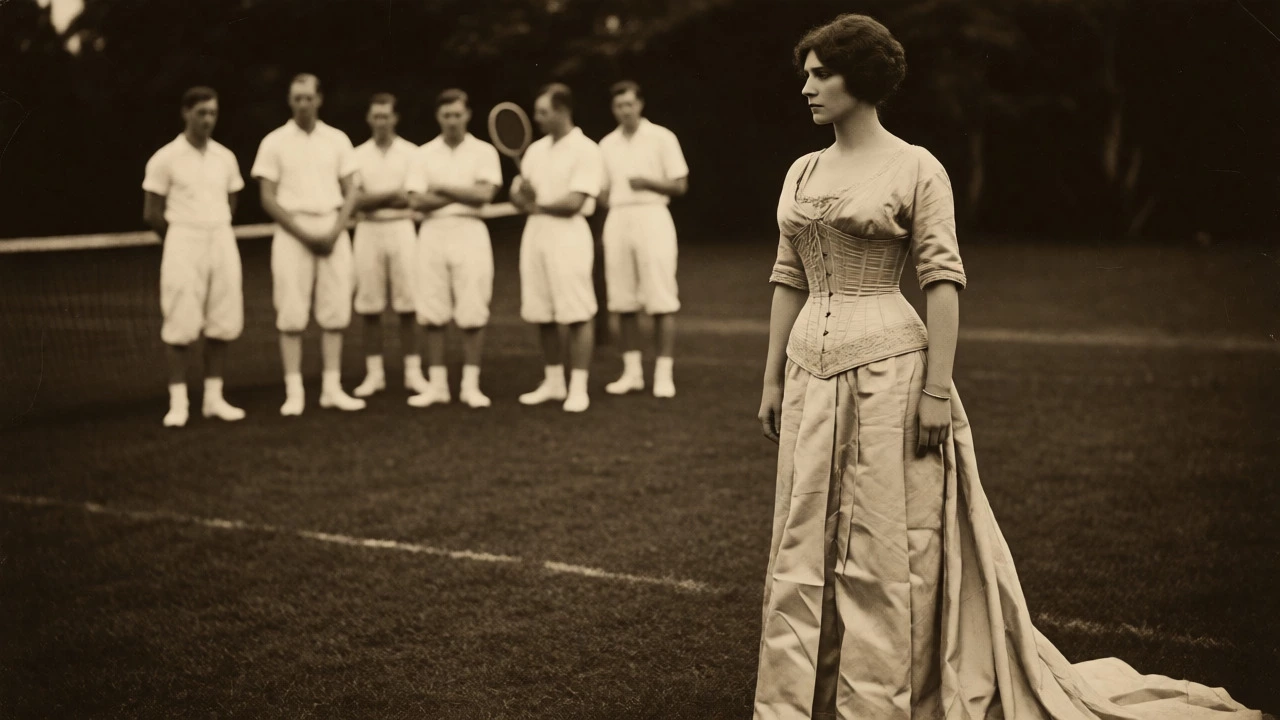
Sportswear Evolution Explorer
Click on a specific era below to explore how the definition of "sportswear" shifted from literal athletic gear to a global lifestyle phenomenon.
Primary Function
Strict Utility
Typical Garments
Tennis Whites, Knickerbockers, Heavy Wool Jerseys
Historical Context
In this era, "sportswear" was a literal descriptor. Clothing was designed exclusively for performance. Tennis whites were for tennis; wool sweaters were for rowing. Wearing these items outside of their specific activity was considered socially inappropriate or sloppy. The fabric choices (wool, heavy cotton) prioritized durability and warmth over comfort or style.
Did You Know?
The term "Sportswear" persists today largely due to marketing inertia. Brands use it because it implies "performance" and "quality," even when the clothing is used for lounging. Changing the name would require retraining consumer behavior across the entire retail industry.
You’re wearing a hoodie to brunch. You’ve got leggings on for grocery shopping. You’re in running shoes just because they feel good. But here’s the thing: you aren’t playing sports. So why do we still call this stuff sportswear? It feels like a misnomer, right? If I wear a tuxedo to a picnic, nobody calls it "formalwear" in a way that implies I’m about to attend a gala. Yet, when we put on clothes designed for movement, we label them with an activity we often aren’t doing.
This isn’t just a semantic quirk. It’s a legacy of how clothing evolved from strict utility to everyday comfort. To understand why the name stuck, we have to look back at how athletic clothing changed the world. We need to trace the line from tennis courts in the 1920s to the boardrooms of today. By the end of this, you’ll see that "sportswear" isn’t really about the sport anymore-it’s about a specific type of freedom that fashion borrowed from athletics.
The Original Definition Was Literal
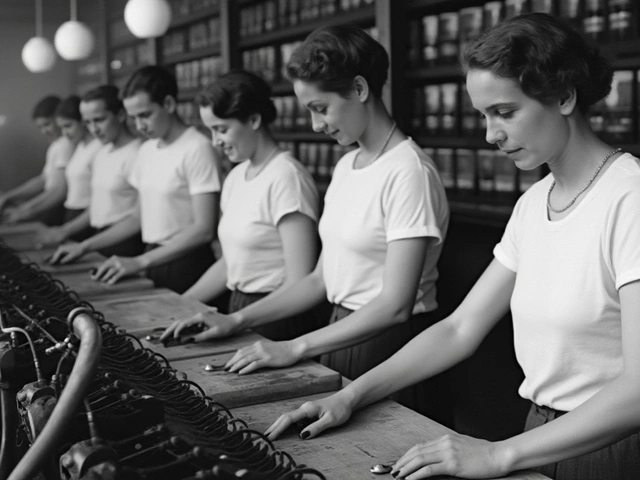
In the early 20th century, if you called something sportswear, you meant exactly that. You were dressing for a specific game. Tennis whites were exclusively for tennis. Knickerbockers were for cycling or golf. These garments had strict rules. Wearing tennis attire to a dinner party would have been seen as sloppy, almost rude. The fabric was chosen for performance-breathability, stretch, durability-not style.
Think about wool sweaters worn by rowing crews. They were heavy, itchy, and warm. Nobody wore them around town unless they were literally heading to the river. The term "sportswear" described function. It told people what you were about to do. If you weren’t doing it, you didn’t wear it. This rigidity started to crack in the 1930s, but not before the concept took root in our language.
Coco Chanel and the Theft of Comfort
Here is where the story gets interesting. Coco Chanel didn’t invent sportswear, but she stole its DNA. In the 1920s, women were still tied up in corsets and restrictive fabrics. Chanel looked at men’s sportswear-specifically jersey fabric used for underwear and athletic gear-and asked, "Why can’t women wear this?"
She began using jersey knit, a material previously reserved for men’s undergarments and some athletic uses, in her women’s collections. Suddenly, clothes moved with the body. They didn’t fight against it. This was revolutionary. It wasn’t that women were playing sports; it was that they wanted the physical ease that athletes enjoyed. Chanel bridged the gap between the gym and the street. She proved that clothes designed for movement could also be elegant. This was the first major step toward diluting the word "sport."
The Post-War Casual Revolution
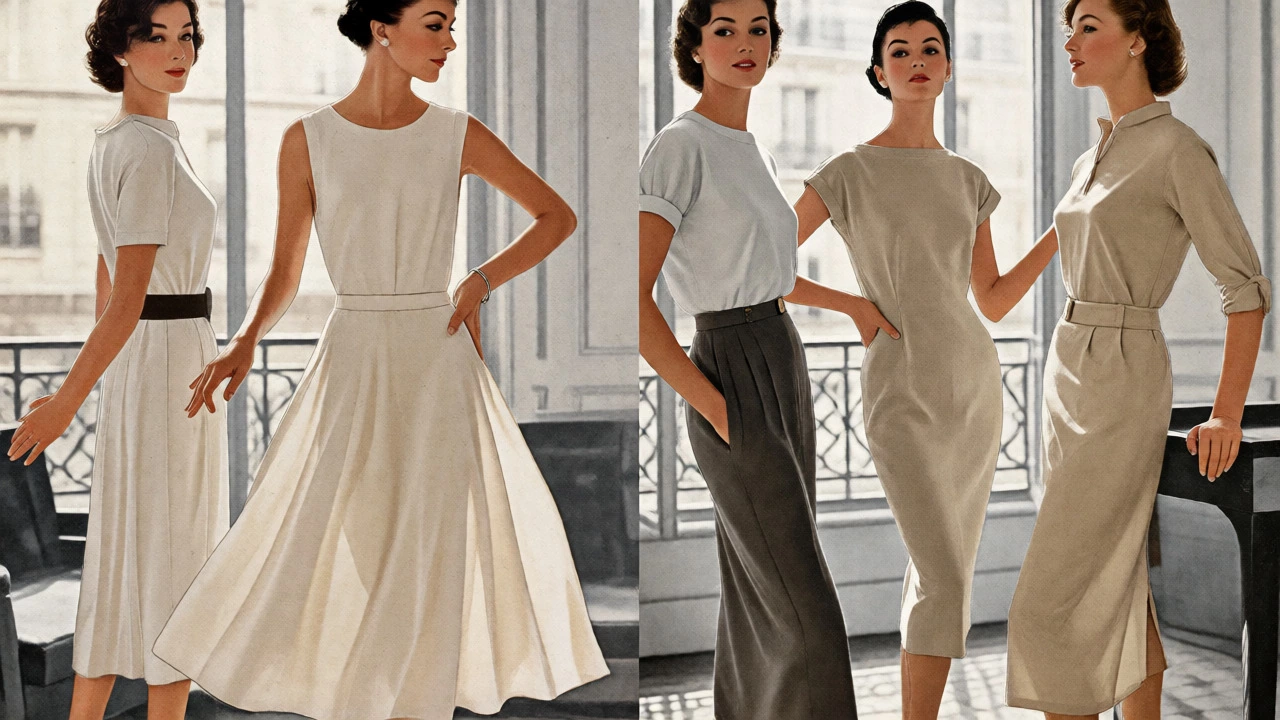
If Chanel opened the door, World War II kicked it down. During the war, rationing and practicality forced everyone into simpler, more functional clothing. After the war ended, nobody wanted to go back to stiff, formal structures. People wanted comfort. Enter Claire McCardell, the American designer who defined modern casual.
McCardell is often credited with creating true American sportswear. But notice the distinction: she wasn’t designing clothes for athletes. She was designing clothes for active lifestyles. Her pieces included wrap dresses, denim separates, and simple cotton tops. They were easy to wash, easy to move in, and affordable. She marketed these items as part of a lifestyle, not a league. This shifted the meaning of sportswear from "clothes for sports" to "clothes for living."
| Era | Primary Function | Typical Garment | Social Context |
|---|---|---|---|
| 1900-1920 | Strict Utility | Tennis Whites, Wool Jerseys | Only during athletic activity |
| 1920-1940 | Comfort Borrowing | Jersey Dresses, Knit Sweaters | Leisure time, informal gatherings |
| 1950-1970 | Lifestyle Branding | Polo Shirts, Chinos | Everyday casual wear |
| 1980-Present | Aesthetic Identity | Joggers, Leggings, Sneakers | Fashion statement, hybrid use |
The Polo Shirt: A Trojan Horse
You can’t talk about this shift without mentioning the polo shirt. Originally called a tennis shirt, it was designed by René Lacoste in the 1920s. He hated how long-sleeved shirts got soaked and floppy during matches. He created a short-sleeved, collared shirt made of breathable piqué cotton. It was strictly for tennis.
But then came Ralph Lauren in the 1960s and 70s. He didn’t just sell shirts; he sold a fantasy. His marketing showed the polo shirt being worn on yachts, at country clubs, and in city streets. It became a symbol of status and leisure. The collar remained, a relic of its athletic origin, but the context vanished. You could wear a polo to a business meeting (business casual) or a date. The "sport" was gone, but the name lingered because the garment retained its athletic silhouette. This is a key reason the term persists: visual cues outlast functional ones.
Athleisure Blurred the Line Completely
Fast forward to the late 1990s and early 2000s. Technology advanced, and so did fitness culture. Athleisure emerged as a distinct category, though many still lumped it under sportswear. Brands like Nike and Adidas started releasing products that looked technical but felt like loungewear. Think of the rise of yoga pants. Before Lululemon popularized them in the mid-2000s, tight-fitting exercise pants were rarely seen outside the studio.
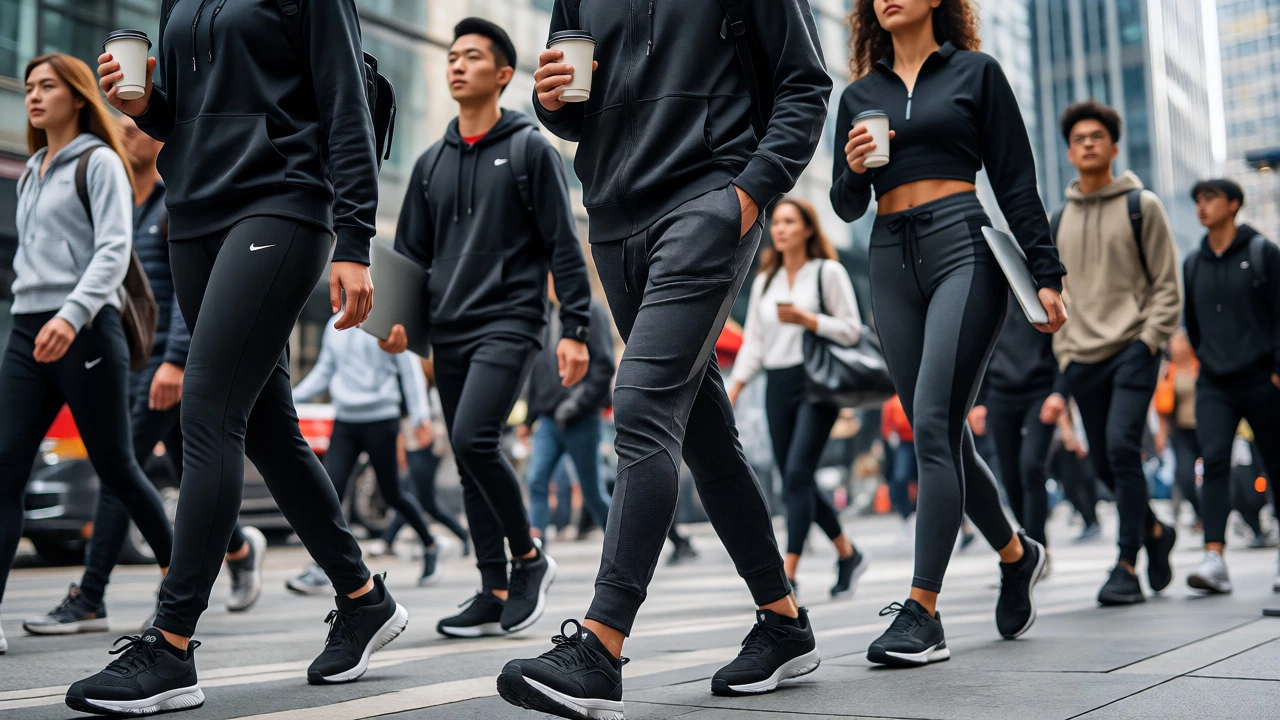
Now, you see people in compression leggings walking their dogs or working from home. Why do we still call these sportswear? Because the industry hasn’t fully rebranded. Marketing departments love the word "performance." It suggests quality, durability, and technology. If they called it "comfort wear," it might sound cheap. "Sportswear" sounds premium. It implies that your clothes are engineered, even if you’re just sitting on the couch.
Why the Name Matters More Than You Think
Language shapes perception. When we call a pair of sweatpants "sportswear," we subconsciously associate them with health, discipline, and energy. We buy them hoping to capture those traits. If we called them "lounge bottoms," they might feel lazy. The terminology keeps the aspirational value alive.
Also, consider the retail layout. Stores separate clothes into "Formal," "Casual," and "Sportswear." If we renamed everything based on current usage, half the store would be "Hybrid Wear." That’s confusing for shoppers. Keeping the old labels helps us navigate options quickly, even if the definitions are outdated. It’s a case of linguistic inertia: once a word is embedded in commerce and culture, it’s hard to change, even when reality shifts.
Key Takeaways
- Historical Accuracy: The term originated when clothes were strictly for specific sports activities.
- Design Influence: Designers like Coco Chanel and Claire McCardell adapted athletic fabrics for everyday use.
- Marketing Power: Brands retain the term "sportswear" because it implies performance and high quality.
- Cultural Shift: The rise of athleisure blurred the line between gym and street, making the old definition obsolete but the name persistent.
Frequently Asked Questions
Is there a difference between sportswear and activewear?
Yes, though the terms are often used interchangeably. Technically, activewear refers to clothing specifically designed for physical exercise, focusing on moisture-wicking and flexibility. Sportswear is a broader historical term that now encompasses both performance gear and casual clothing inspired by athletic styles, such as joggers or hoodies worn for comfort.
Why are jeans considered casual but not sportswear?
Jeans originated as workwear for laborers, not athletes. While durable, they lack the specific design features associated with sports, such as stretch fabrics or moisture management. However, modern stretch-denim hybrids sometimes blur this line, leading some retailers to categorize certain jean styles alongside casual sportswear.
Did Coco Chanel actually play sports?
Chanel admired the practicality of men's sportswear rather than participating in rigorous athletics herself. She famously said, "I gave women's bodies freedom," referring to her adoption of comfortable, athletic-inspired fabrics like jersey. Her influence was aesthetic and philosophical, borrowing the ease of sportswear for daily life.
Will the term sportswear disappear in the future?
It likely won't disappear entirely, but its dominance may fade. As fashion becomes increasingly hybrid, terms like "technical apparel" or simply "apparel" may become more common. However, because "sportswear" carries positive associations with health and quality, brands will likely keep using it for marketing purposes.
Are sneakers considered sportswear?
Sneakers started as pure sportswear footwear. Today, most sneakers are classified as casual footwear or fashion items. However, in retail categories, they often remain grouped under sportswear due to their origins and construction techniques derived from athletic needs.