T-Shirt Size Finder
Stop guessing between M and L. Enter your actual body measurements below to find the right size for any brand.
You stand in front of the mirror, holding two identical-looking t-shirts. One says Medium, and the other says Large. You’ve tried both on. One feels tight across the shoulders; the other looks like you’re wearing a tent. This is the classic sizing dilemma that plagues almost everyone at some point. The truth is, there is no universal "M" or "L." A Medium from Nike isn’t the same as a Medium from Uniqlo, and neither matches a Medium from a local Toronto brand. To stop guessing and start fitting, you need to ignore the letters on the tag and focus on the numbers on your body.
The Myth of Standard Sizing
Most people assume that if they wear a Medium in one shirt, they should wear a Medium everywhere. That assumption costs money and time. Clothing brands use different "fit blocks," which are essentially the templates designers use to cut fabric. Some brands design for an athletic build-tight arms, broad shoulders. Others design for a relaxed, boxy look. If you rely solely on the label, you’ll constantly end up with clothes that don’t sit right.
Instead of trusting the letter, trust the data. Your body has specific dimensions that don’t change based on who made the shirt. Once you know your actual chest, shoulder, and length measurements, you can decode any size chart. It sounds technical, but it’s actually simpler than trying on ten shirts in a fitting room.
Step 1: Get Accurate Body Measurements
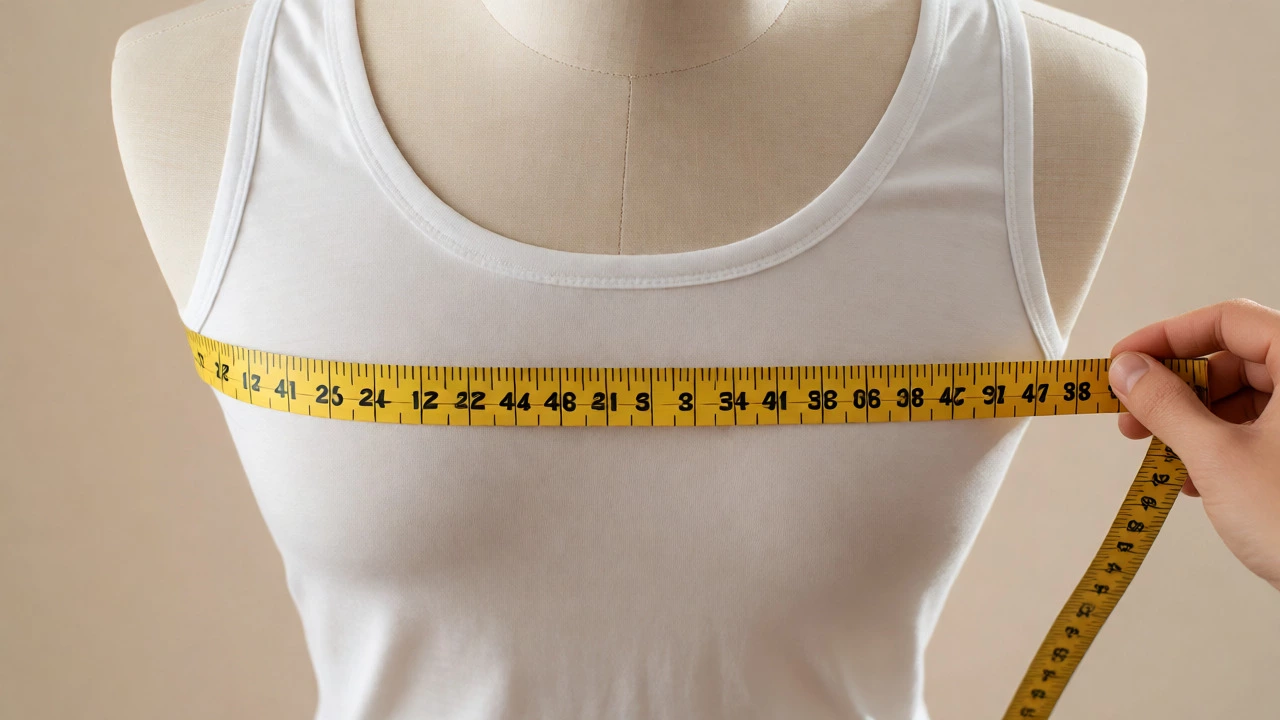
You cannot guess your size if you haven’t measured yourself. Grab a soft measuring tape. If you don’t have one, a string and a ruler will work. Stand naturally, not sucking in your stomach or puffing out your chest. Here are the three critical measurements for t-shirts:
- Chest Circumference: Wrap the tape around the fullest part of your chest, under your armpits. Keep the tape parallel to the floor. Don’t pull it too tight; you want enough room to breathe. This is the most important number.
- Shoulder Width: Measure from the edge of one shoulder bone (the acromion) to the other, across your back. This determines where the sleeve seam sits. If this measurement is off, the shirt will either pinch your arms or slide off your shoulders.
- Sleeve Length: With your arm slightly bent, measure from the shoulder bone down to where you want the sleeve to end (usually mid-bicep). Standard t-shirts often run short for taller guys, so check this if you have long arms.
Write these numbers down. Let’s say your chest is 40 inches. That single number tells you more about your size than any brand name ever could.
Decoding the Size Chart
Now, look at the product page for the t-shirt you want to buy. Find the "Size Guide" or "Measurements" link. Most reputable brands list the garment’s flat measurements, not just your body measurements. This is where confusion happens. A "Chest: 42 inches" on a size chart usually means the shirt itself measures 42 inches when laid flat. To get the circumference, you multiply by two. So, a 42-inch flat measurement equals an 84-inch circumference.
Wait, that seems huge. Why? Because of "ease." Ease is the extra fabric needed for movement. A t-shirt needs about 2-4 inches of ease over your actual chest measurement to feel comfortable. If your chest is 40 inches, you want a shirt with a chest circumference of roughly 42-44 inches. If the chart lists flat measurements, look for a number between 21 and 22 inches.
| Body Chest (Inches) | Recommended Shirt Flat Chest (Inches) | Typical Label Size | Fit Style |
|---|---|---|---|
| 36-38 | 19-20 | S / XS | Fitted |
| 38-40 | 20-21 | M | Regular |
| 40-42 | 21-22 | L | Relaxed |
| 42-44 | 22-23 | XL | Oversized |
Notice how a 40-inch chest lands squarely in the "Medium" range for regular fits but might be a "Small" for oversized brands. This table shows why relying on the label alone fails. Always compare your body numbers to the garment numbers, adding the appropriate ease.
Signs You’re Between Sizes
Sometimes your measurements fall exactly between two sizes. For example, your chest is 41 inches, but the Medium tops out at 40 and the Large starts at 42. What do you do? Look at the other factors. Check your height and weight ratio. If you’re tall and thin, go for the larger size to accommodate length, even if it’s slightly looser in the chest. If you’re shorter and stockier, the smaller size might prevent the shirt from looking baggy around the waist.
Also, consider the fabric. Cotton shrinks. A 100% cotton tee might lose half an inch in width after the first wash. If you’re borderline, sizing up protects you from shrinkage. Blends with polyester or elastane hold their shape better, so you can stick closer to your true measurement. If the brand offers a "slim fit" versus a "classic fit," remember that slim fits already have less ease built-in. A Slim Medium might fit tighter than a Classic Small.
Brand-Specific Quirks
Every major retailer has a reputation for running small or large. Knowing these quirks saves you return shipping fees. In North America, brands like American Apparel and Gildan tend to run narrow and long. They’re great for layering but can feel restrictive if you have broad shoulders. On the flip side, streetwear brands like Supreme or Stüssy often cut boxy and wide. Their "Medium" might feel like a Large from a traditional department store.
European brands often run smaller than US equivalents. An EU M is roughly a US S. Asian manufacturers frequently produce smaller cuts altogether. If you’re buying from a global marketplace, always read reviews. Look for comments like "runs small" or "true to size." Real users provide the best data points because they tested the garment on real bodies, not mannequins.
How to Test Fit Without Trying It On
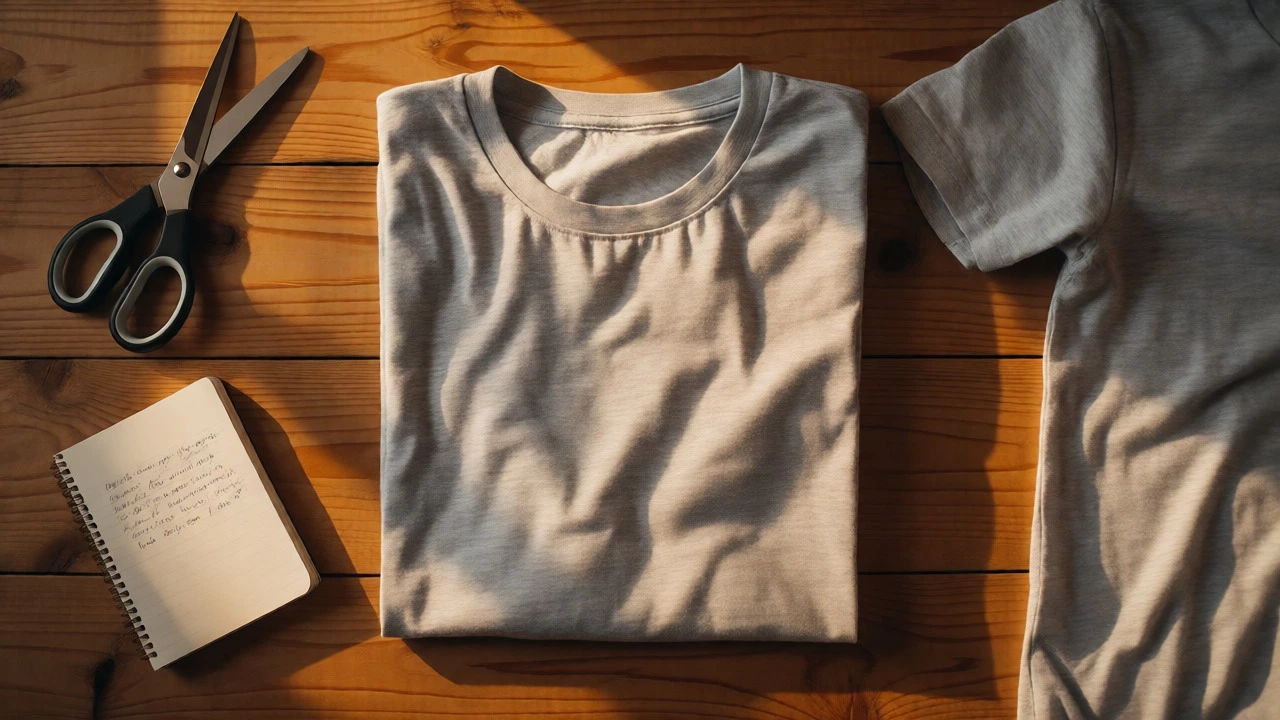
If you’re shopping online, you can’t try before you buy. But you can simulate the fit. Take a t-shirt you currently own that fits perfectly. Lay it flat on a hard surface. Smooth out the wrinkles. Measure it across the chest, from armpit to armpit. Double that number to get the circumference. Now, compare that to the new shirt’s size chart. If the new shirt’s flat chest measurement is within 0.5 inches of your favorite tee, it will likely fit similarly.
Do the same for length. Measure from the highest point of the shoulder straight down to the bottom hem. If your current favorite is 28 inches long and the new one is 30 inches, expect it to hang lower. Maybe you want that longer look for untucked wear, or maybe you prefer it tucked in. Use your existing wardrobe as the benchmark, not the generic size chart.
Common Mistakes to Avoid
Don’t measure while wearing thick hoodies. Wear a thin undershirt or nothing at all. Bulky layers add false inches to your chest and waist. Also, don’t ignore the neck opening. A shirt might fit your chest perfectly but choke you at the collar. If you have a thicker neck, check the neck circumference on the size chart. Standard crew necks are often too tight for muscular builds.
Another mistake is ignoring the rise. The rise is the distance from the crotch seam to the top of the waistband in pants, but in shirts, think of the torso length. If you have a long torso, standard t-shirts might ride up when you raise your arms. Look for "long body" or "tall" options if you’re over 6 feet tall. These styles add length without adding unnecessary width.
Final Verdict: Choosing M or L
So, are you an M or an L? If your chest measurement plus 2-3 inches of ease falls into the Medium range on the specific brand’s chart, you’re an M. If it falls into the Large range, you’re an L. It’s that simple. Stop letting the vanity sizing of brands dictate your self-image. A Large isn’t "bigger" in a bad way; it’s just the correct container for your frame.
Keep a note on your phone with your exact chest, shoulder, and sleeve measurements. Update them every few months, especially if your workout routine changes. When you shop, open that note next to the size chart. Match the numbers. Ignore the letters. This method works whether you’re buying a $10 basic tee or a $50 premium organic cotton shirt. Precision beats guessing every time.
Does shrinking affect t-shirt sizing?
Yes, significantly. 100% cotton t-shirts typically shrink 3-5% in the first hot wash and dry cycle. If you are between sizes, always size up for pure cotton garments. Pre-shrunk cotton reduces this risk, but rarely eliminates it entirely. Polyester blends resist shrinking much better, allowing you to stick closer to your exact measurements.
What if my shoulders and chest require different sizes?
This is common for athletes. If you have broad shoulders but a narrower waist, you face a conflict. In this case, prioritize the shoulder measurement. A shirt that is too tight across the shoulders will restrict movement and look awkward, regardless of how well it fits the chest. Choose the size that accommodates your shoulders, then consider tailoring the sides if the waist is too loose.
Are European sizes smaller than US sizes?
Generally, yes. An EU Medium is often equivalent to a US Small. EU sizing tends to be more fitted and shorter in length compared to the boxier cuts common in US casual wear. Always convert using the centimeter-based size charts provided by the retailer rather than assuming a direct letter-for-letter match.
How much ease do I need for a good fit?
For a standard regular fit, aim for 2-4 inches of ease over your actual chest measurement. For a slim fit, 1-2 inches is typical. For an oversized or streetwear look, you might want 6+ inches of ease. The amount of ease dictates the silhouette, so decide on the style you want before checking the chart.
Can I use a string instead of a measuring tape?
Absolutely. Wrap a non-elastic string around your chest, mark the overlap with a pen, and then lay the string flat against a rigid ruler to measure the length. Just ensure the string doesn't stretch during the process, as this will give you inaccurate results.