UGG Water Damage Risk Calculator
Not sure if you should wear your UGGs today? Answer these two questions to see the potential damage risk.
Risk Assessment
Why this happens:
Recommended Action:
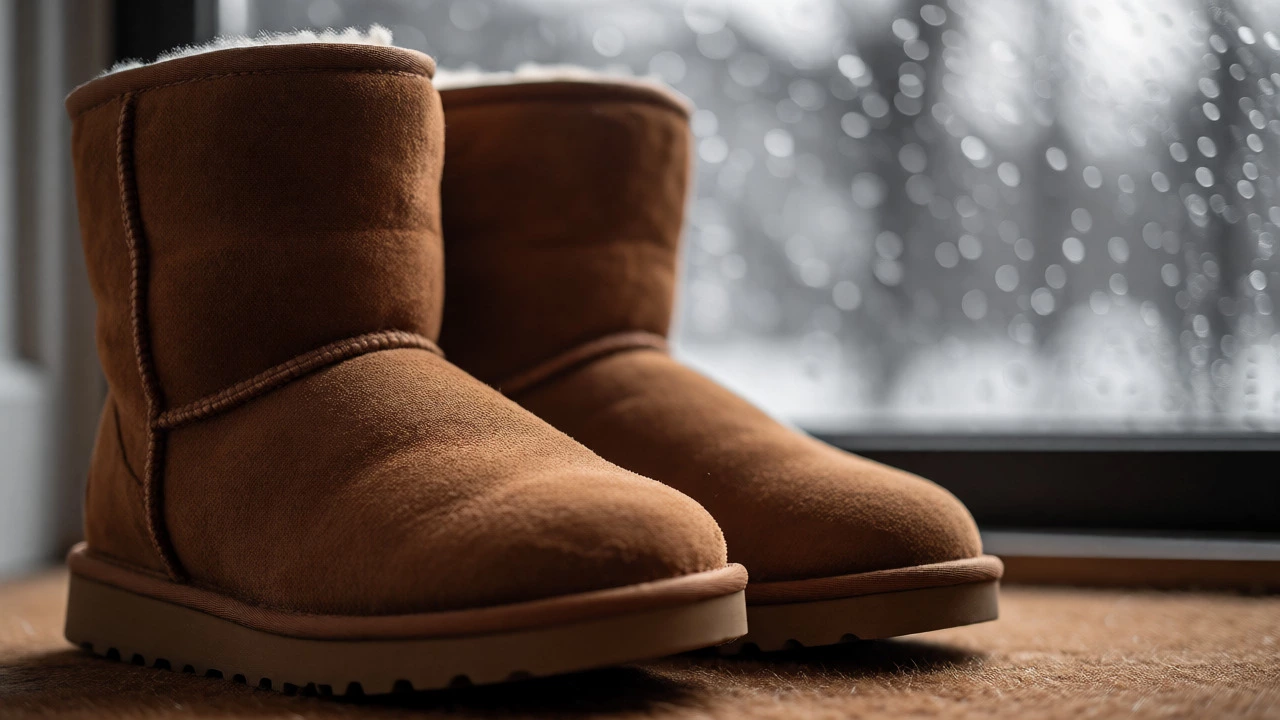
You’re standing at the door, keys in hand, looking out at a grey, drizzling Toronto sky. Your UGGs are waiting by the mat, fluffy and inviting. But that instinct to pull them on for a quick walk to the mailbox? It’s fighting against a fundamental rule of footwear physics: sheepskin is not waterproof; it is absorbent.
If you’ve ever watched a pair of classic UGGs turn dark and stiff after a light rain, you know the heartbreak. It’s not just about looking bad; it’s about structural failure. Unlike synthetic sneakers or treated leather boots, traditional UGGs rely on natural materials that react violently to moisture. This guide breaks down exactly why water is the enemy, what actually happens to the glue and fibers, and how you can save your favorite slippers if they do get soaked.
The Science Behind the Sheepskin
To understand why you can’t wear UGGs in the rain, you have to look at the material itself. Most classic UGG models are made from twin-face sheepskin. This means the outer layer is suede (the skin side) and the inner lining is wool (the fleece side). These two layers are bonded together naturally during the tanning process.
Sheepskin is a hygroscopic material, meaning it actively absorbs moisture from the air and its surroundings. When water hits the suede exterior, it doesn’t bead up like it would on a waxed canvas jacket. Instead, it soaks directly into the fibers. The wool lining acts like a sponge, pulling that moisture inward. This absorption causes the fibers to swell and distort their natural shape. Once dry, if not treated correctly, they don’t return to their original loft. They flatten, harden, and lose their insulating properties.
What Happens When Glue Meets Water
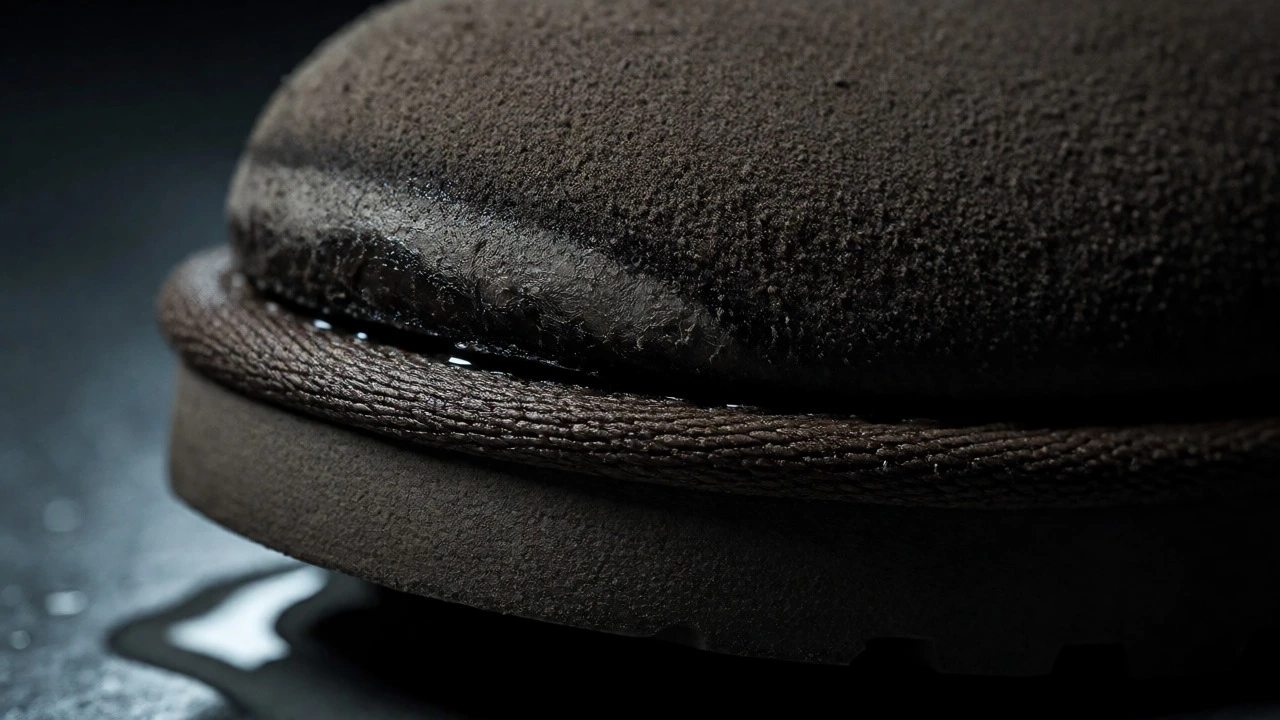
While the sheepskin gets all the attention, the real structural failure often happens below the surface. UGGs are constructed using industrial adhesives to bond the upper part of the boot to the sole. In many classic models, this isn’t a stitched construction but a glued one.
Water is a solvent for many types of shoe glue. When your UGGs sit in a puddle or get soaked through, water seeps into the seam where the upper meets the sole. Over time, or even with a single heavy soaking, this weakens the adhesive bond. You might notice the toe cap lifting away from the sole after a few wet winters. This delamination is permanent. You can’t simply glue it back together at home with superglue; the stress points are too high, and the flexing of walking will break the new bond immediately.
The Staining and Discoloration Problem
Even if your UGGs survive the structural integrity test, they rarely pass the aesthetic one. Suede is notoriously prone to water staining. When water evaporates from the suede, it leaves behind minerals and dirt particles trapped in the fibers. This creates those ugly, dark rings around the toe or heel.
For colored UGGs, the risk is even higher. Dyes used in sheepskin processing aren’t always colorfast when exposed to significant amounts of water. A splash of rainwater can cause the dye to bleed, creating uneven patches of color that look like accidental tie-dye. If you own chestnut or black UGGs, these stains are particularly visible because the contrast between the wet and dry areas is stark.
Are All UGGs Bad in the Rain?
This is where nuance matters. Not every pair of UGGs is created equal. While the classic “Classic Short” or “Tazz” slippers are strictly indoor or dry-weather outdoor shoes, the brand has expanded its line to include weather-resistant options.
| Material Type | Water Resistance Level | Best Use Case | Risk Factor |
|---|---|---|---|
| Classic Twin-Face Sheepskin | Low | Dry cold days, Indoor | High (Staining, Delamination) |
| Waterproof Leather (e.g., Neumel) | Moderate to High | Light rain, Snow | Medium (Requires re-proofing) |
| Synthetic Lining Models | Variable | Casual Wear | Medium (Sole separation) |
Models labeled as "Water Repellent" or those made with treated leathers (like the Neumel or Bailey Button lines with specific coatings) offer better protection. However, even these are not fully waterproof. They are designed to shed light mist, not withstand submersion or heavy downpours. If you live in a region with frequent rain, sticking to rubber-soled rain boots is safer than risking expensive sheepskin.
How to Rescue Wet UGGs
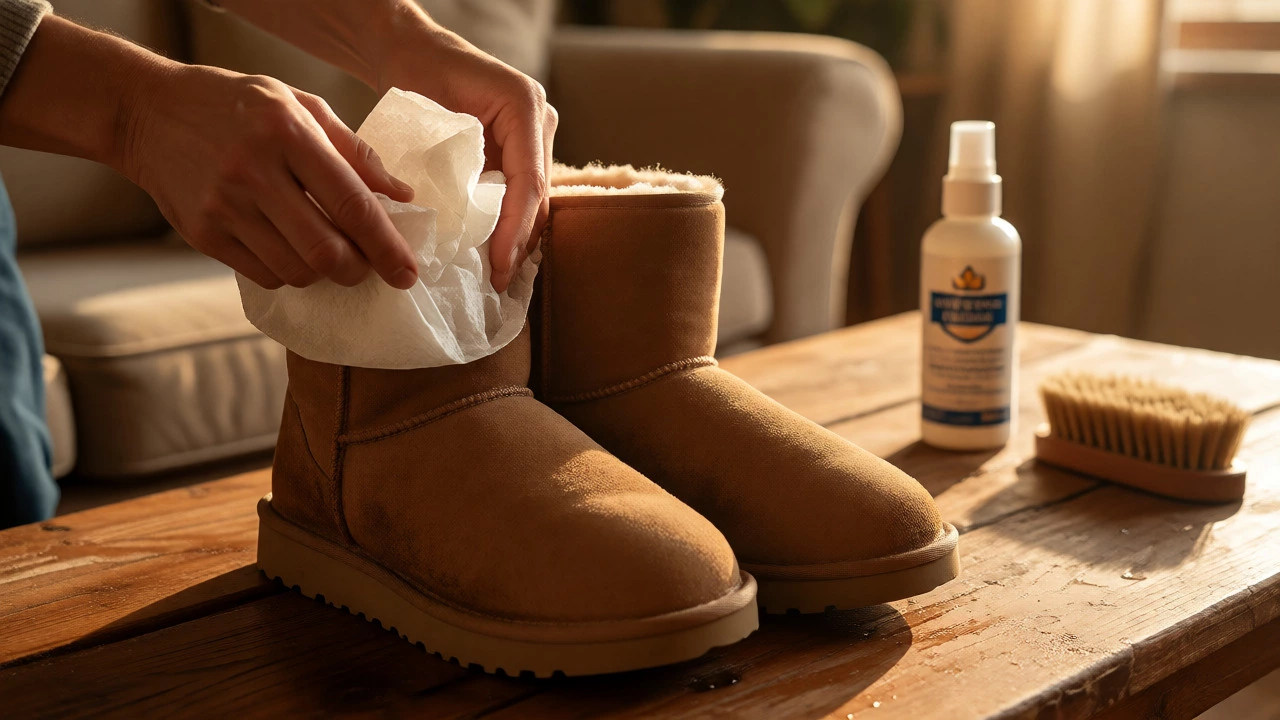
Accidents happen. Maybe you stepped in a slush pile or forgot an umbrella. Don’t panic, but do act fast. Here is the protocol to minimize damage:
- Air Dry Only: Never put wet UGGs near a radiator, fireplace, or direct sunlight. Heat cooks the oils in the sheepskin, making it brittle and causing cracks. Let them dry at room temperature.
- Stuff Them: Crumple white paper towels or use cedar shoe trees and stuff them tightly inside the boot. This helps absorb internal moisture and holds the shape of the boot while the leather dries, preventing shrinkage.
- Brush After Drying: Do not touch the suede while it is wet. Wait until it is completely dry. Then, use a specialized suede brush or a clean pencil eraser to gently buff the nap. This lifts the flattened fibers and helps blend any minor water stains.
- Condition: Apply a sheepskin conditioner or protector spray once they are dry. This replenishes the natural oils lost during the drying process and adds a slight barrier against future moisture.
Prevention Is Cheaper Than Repair
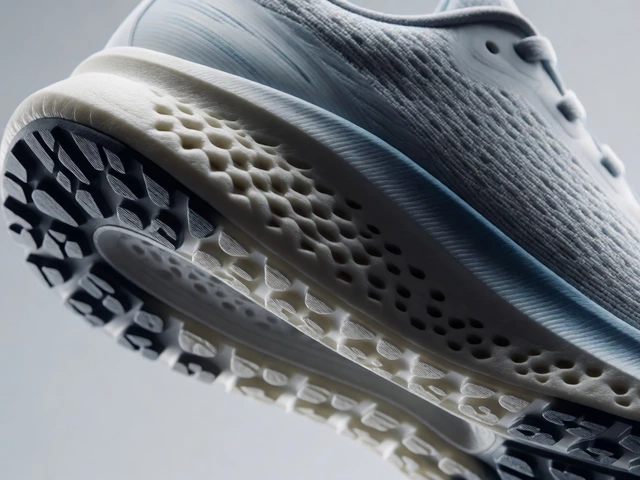
The best way to handle wet weather is to avoid wearing your classic UGGs in it. If you love the style but need functionality, consider investing in a pair of UGGs specifically designed for wet conditions, such as those with EVA foam midsoles and sealed seams. For your classic pairs, apply a high-quality silicone-free waterproofing spray every season. Note that silicone sprays can sometimes darken the suede or clog the pores, reducing breathability, so choose a product formulated specifically for nubuck or suede.
Remember, UGGs are luxury comfort items, not utility gear. Treating them with respect extends their life significantly. If you live in a rainy climate like Vancouver or Seattle, keep a separate pair of waterproof boots for commuting and save the UGGs for the drive to work or cozy evenings at home.
Can I wash my UGGs in the washing machine?
It is generally not recommended. The agitation can destroy the sheepskin structure and weaken the glue holding the sole. Hand cleaning with a damp cloth and specialized cleaner is safer. If you must machine wash, use a gentle cycle with cold water and no spin, but expect some loss of fluffiness.
Will waterproof spray make my UGGs completely waterproof?
No. Waterproof sprays create a hydrophobic layer that repels light rain and splashes. They do not seal the seams or prevent water from entering through the top opening. Heavy rain or stepping in deep puddles will still soak the boots.
How long does it take for wet UGGs to dry?
Depending on humidity and thickness, it can take 24 to 48 hours. Stuffing them with paper towels speeds up the process by absorbing moisture from the inside. Ensure they are fully dry before brushing or storing to prevent mold growth.
Can I fix separated soles on my UGGs?
Minor separations can be repaired with strong shoe glue (like Barge Cement), but professional cobblers are recommended. Home repairs often fail because the flexible nature of the sole requires a specific type of adhesive and clamping pressure that is difficult to achieve at home.
Do UGGs get ruined in snow?
Snow melts into water, which soaks the sheepskin. Additionally, road salt used to clear sidewalks can stain and dry out the leather, causing it to crack. Classic UGGs are best avoided in slushy or salty winter conditions unless heavily protected.