Hoodie Value & Cost Per Wear Calculator
Enter Hoodie Details
Analysis Result
Cost Per Wear (CPW)
Enter details to see if the price is fair.
Walk into any store or scroll through your feed, and you'll see hoodies priced anywhere from $15 to $300. It’s confusing. You might wonder if the expensive one is just marketing fluff or if the cheap one will fall apart after two washes. The truth isn’t black and white. A fair price depends on what you actually need the hoodie for, how it’s made, and who is making it.
As of 2026, the market has shifted. Fast fashion prices have crept up due to supply chain changes, while premium brands are focusing more on transparency. To figure out what you should pay, we need to look past the tag and examine the fabric, the construction, and the labor behind the seams.
The Three Tiers of Hoodie Pricing
To understand value, we first need to categorize where a hoodie sits in the market. Most hoodies fall into three distinct buckets based on their production model and materials.
| Tier | Price Range (CAD) | Primary Material | Lifespan Expectation | Best For |
|---|---|---|---|---|
| Budget / Fast Fashion | $15 - $40 | Low-grade polyester blends or thin cotton | 6-12 months with heavy use | Gym wear, kids' clothes, trend-driven styles |
| Mid-Range / Quality Basics | $50 - $90 | Heavyweight cotton, French Terry, or organic blends | 2-5 years | Daily casual wear, work-from-home comfort |
| Premium / Heritage | $100 - $300+ | Long-staple cotton, merino wool, technical fabrics | 5-10+ years | Investment pieces, extreme weather, brand loyalty |
The budget tier is dominated by massive retailers. These hoodies are designed for volume, not longevity. The mid-range tier is where most people find the "sweet spot"-decent durability without breaking the bank. The premium tier includes heritage brands like Norse Projects or Ralph Lauren, which charge for branding, superior fit, and often ethical manufacturing standards.
Decoding Fabric Weight and Composition
The single biggest factor in a hoodie’s price is the fabric. Not all cotton is created equal. When you see a price tag, ask yourself: what am I touching?
Cheaper hoodies often use a blend of 60% cotton and 40% polyester. This mix is durable but can feel plasticky and trap heat. As you move up in price, you’ll see higher cotton percentages, sometimes 100%. But even then, the type of cotton matters. Pima Cotton or Supima Cotton comes from longer fibers that create a smoother, stronger yarn. This costs more to produce, which drives up the final price.
Then there is weight, measured in grams per square meter (GSM). A light hoodie might be 280 GSM. It’s breezy but offers little warmth. A heavyweight hoodie, common in streetwear brands, runs between 400 and 500 GSM. These feel substantial and hold their shape better. If a hoodie claims to be heavyweight but costs $25, be skeptical. High-quality heavyweight cotton requires more material and better weaving techniques, which naturally increases the cost.
The Hidden Cost of Labor and Ethics
In 2026, consumers are increasingly aware of where their clothes come from. A "fair price" must account for fair wages. Fast fashion brands keep prices low by cutting corners on labor costs, often relying on factories in regions with minimal worker protections.
Brands that prioritize ethical manufacturing pay more for production. They ensure workers earn a living wage, work reasonable hours, and operate in safe conditions. Certifications like Fair Trade Certified or B Corp status signal this commitment. You’re paying a premium here not just for the thread, but for the human element. Is it worth it? For many, yes. It shifts the cost from exploitation to sustainability.
Consider the environmental impact too. Organic cotton uses less water and no synthetic pesticides. Producing these fibers is more expensive than conventional cotton. If a brand uses recycled polyester or hemp, those processes also add to the bottom line. A slightly higher price tag often reflects a lower environmental footprint.
Construction Details That Justify the Price
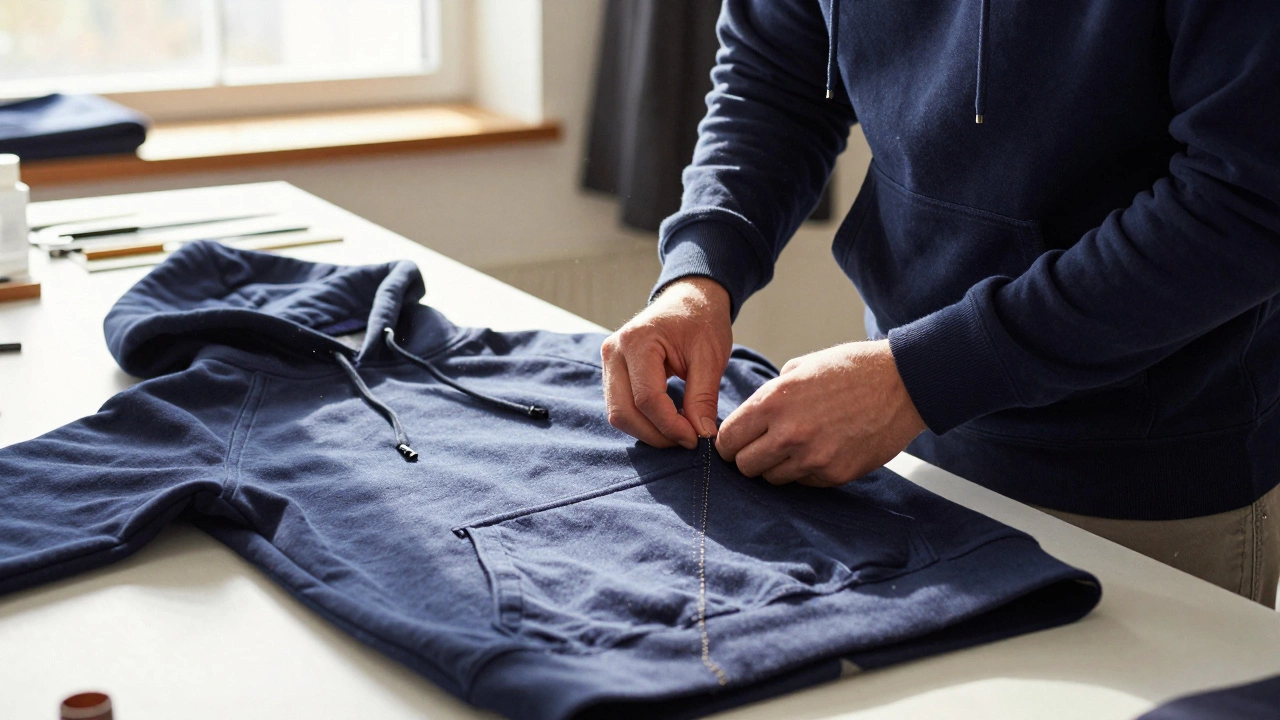
If you pick up a $20 hoodie and a $120 hoodie, the difference isn’t always obvious at first glance. Look closer at the construction. These details separate disposable clothing from wardrobe staples.
- Stitching: Cheap hoodies use single-needle stitching that can unravel easily. Better hoodies use double-needle stitching along the hem, cuffs, and pockets. This reinforces stress points.
- Hood Structure: Does the hood flop over? Premium hoodies often feature grommets for drawstrings, reinforced hoods with extra layers of fabric, or even structured brims. This prevents the hood from losing its shape after washing.
- Kangaroo Pocket: On budget hoodies, the pocket is often an afterthought-a simple piece of fabric sewn on. In higher-end models, the pocket is integrated into the body of the sweatshirt, creating a cleaner silhouette and deeper storage.
- Drawstrings: Are they cheap plastic cords that snap when pulled? Or are they ribbed cotton or nylon aglets that last? Small details like this indicate overall attention to quality.
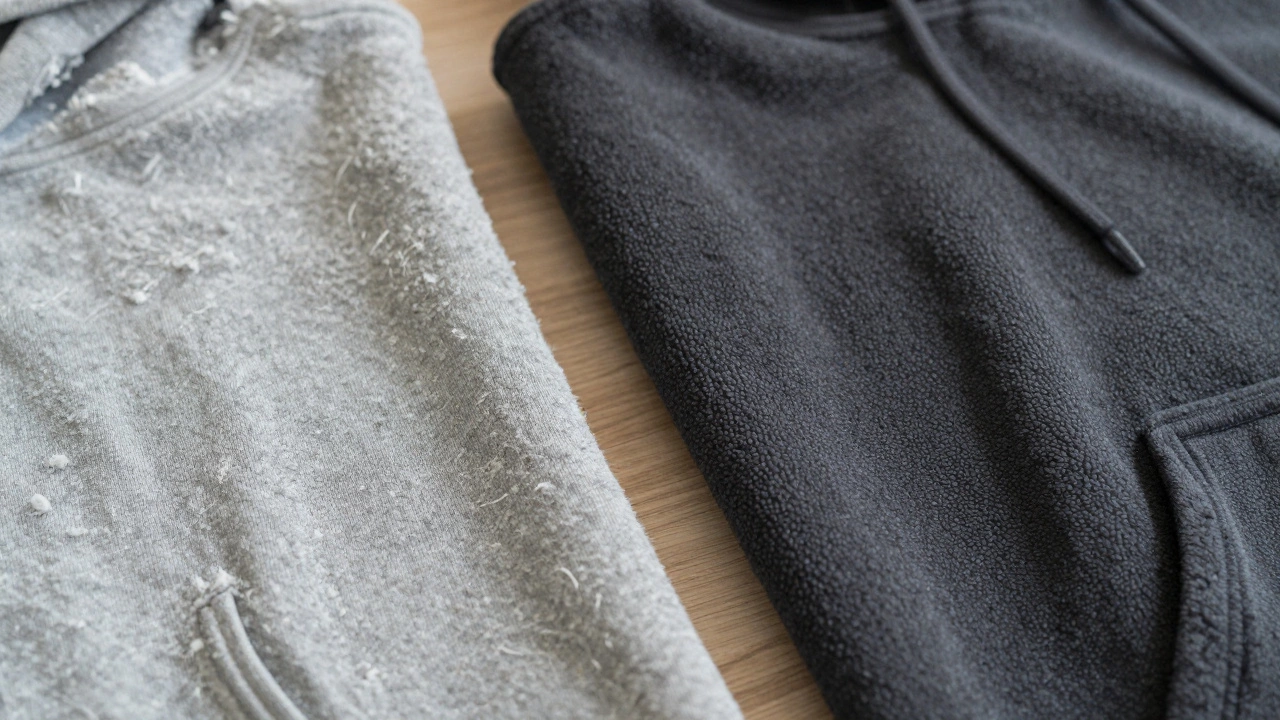
A well-constructed hoodie maintains its fit. Cheap ones shrink unevenly or develop pills on the surface after a few wears. Paying more upfront often means buying fewer replacements over time.
Brand Markup vs. Actual Value
Let’s talk about logos. Brand markup is real. Some companies charge $200 for a hoodie that costs $30 to make because the logo carries cultural weight. This is common in streetwear and luxury fashion. Is it a "fair" price? That depends on your definition of value.
If you value status, exclusivity, or specific design aesthetics, the brand name adds intangible value. However, if you’re looking for pure utility and comfort, you can often find similar quality from lesser-known brands or direct-to-consumer labels that cut out the middleman. These brands might sell a high-GSM, ethically made hoodie for $70 instead of $150 simply because they don’t spend millions on celebrity endorsements.
Be wary of "greenwashing." Some brands inflate prices by claiming eco-friendliness without providing proof. Look for specific certifications rather than vague terms like "earth-friendly."
How to Calculate Cost Per Wear
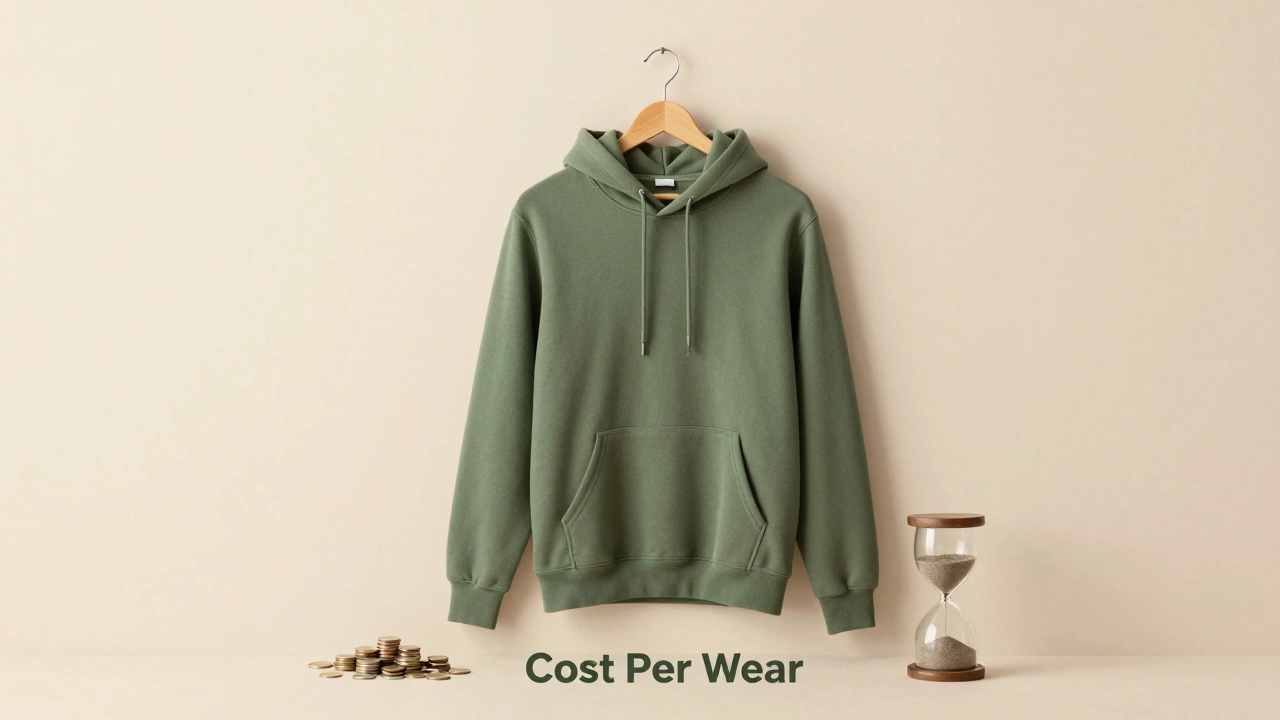
The best way to determine if a price is fair is to calculate the Cost Per Wear (CPW). This metric helps you see the true expense over time.
Formula: Total Price ÷ Estimated Number of Wears = CPW
Imagine two hoodies:
- Hoodie A: Costs $30. You wear it five times before it pills, shrinks, and loses its shape. Total wears: 10. CPW: $3.00.
- Hoodie B: Costs $80. You wear it regularly for three years. Let’s say you wear it twice a week for 150 weeks. Total wears: 300. CPW: $0.27.
In this scenario, the more expensive hoodie is significantly cheaper in the long run. It’s also more comfortable and looks better. This logic applies especially to neutral colors like black, grey, or navy, which you’ll likely reach for repeatedly.
Where to Find the Best Value in 2026
You don’t need to buy the most expensive option to get quality. Here are some strategies to find a fair price:
- Direct-to-Consumer Brands: Many online-only brands offer high-quality materials at mid-range prices because they skip retail markups.
- Outlet Sales: Premium brands often discount previous seasons' colors. A $120 hoodie might drop to $60 during end-of-season sales.
- Secondhand Markets: Platforms like Poshmark or Depop are great for finding barely-worn premium hoodies at half price. Since hoodies are durable, secondhand options can be nearly new.
- Local Makers: Toronto has a vibrant scene of local designers. Supporting them ensures fair wages and allows you to inspect the quality before buying.
Avoid impulse buys. If you see a hoodie you like, wait a day. Check the material composition online. Read reviews focusing on fit and durability. This pause often saves you from regretting a poor purchase.
Conclusion: Defining Your Own Fair Price
There is no single "correct" price for a hoodie. A $20 hoodie is fair if you need something disposable for a messy DIY project. A $150 hoodie is fair if you want a staple piece that lasts for years and supports ethical labor practices. The key is alignment. Match the price to your intended use and values. Don’t pay for features you don’t need, but don’t skimp on quality if you plan to wear it daily. By understanding fabric, construction, and ethics, you empower yourself to make smarter, more satisfying purchases.
What is the average price of a good quality hoodie?
In 2026, a good quality hoodie typically costs between $50 and $90 CAD. This range usually covers heavyweight cotton, ethical manufacturing, and durable construction that lasts several years.
Are expensive hoodies worth the money?
Yes, if you value longevity, fit, and ethical production. Expensive hoodies often use superior fabrics like Supima cotton and feature reinforced stitching. They may cost more upfront but offer a lower cost per wear over time compared to fast fashion alternatives.
How do I know if a hoodie is ethically made?
Look for certifications such as Fair Trade Certified, GOTS (Global Organic Textile Standard), or B Corp status. Brands that are transparent about their factory locations and supply chain practices are generally more trustworthy.
What GSM should I look for in a hoodie?
For everyday wear, aim for 300-400 GSM. This provides a balance of warmth and breathability. For colder climates or a heavier, more structured look, choose 400-500 GSM. Anything below 280 GSM is considered lightweight and may not provide much insulation.
Why are some hoodies so expensive?
High prices can result from premium materials (like merino wool or long-staple cotton), ethical labor costs, advanced construction techniques, and brand markup. Luxury and streetwear brands also charge for design exclusivity and marketing.