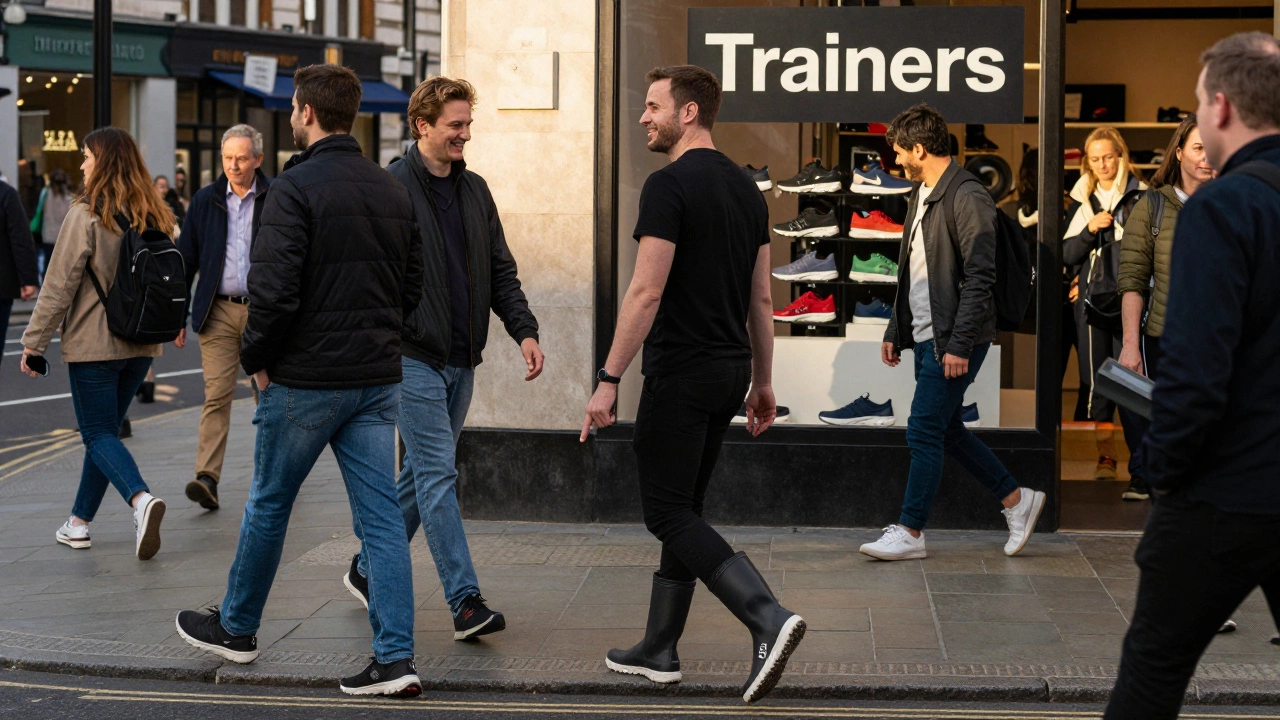
If you’ve ever been in the UK and asked for sneakers, you might’ve gotten a confused look. That’s because in Britain, they don’t call them sneakers. The word they use is trainers. It’s simple, direct, and used everywhere-from London street corners to Manchester football matches.
Why Do Brits Say 'Trainers'?
The term ‘trainers’ comes from the original purpose of these shoes: training. Back in the late 1800s, rubber-soled shoes were first made for athletes to wear during physical training. They were designed to grip the ground better and reduce slipping. By the early 1900s, companies like Converse and Adidas started making them for sports like tennis, running, and basketball. People started calling them ‘trainers’ because they were worn during training sessions.
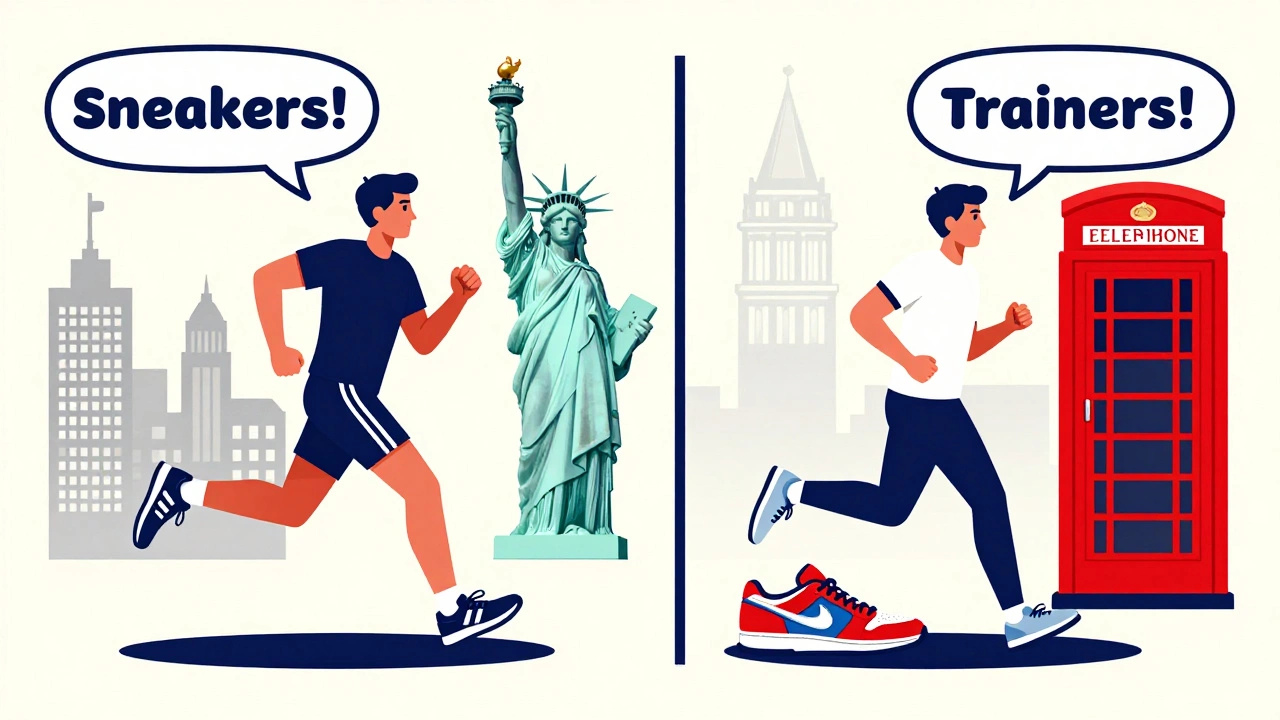
Over time, the name stuck. Even when these shoes moved from the track to the street, Brits kept calling them trainers. Unlike in the US, where ‘sneakers’ became popular because the rubber soles let you move quietly-‘sneak’ around-Britain never picked up that term. The focus was always on function, not stealth.
Is ‘Sneaker’ Understood in the UK?
Yes, but only because of American movies, music, and online shopping. Younger people in the UK might say ‘sneakers’ if they’re talking about a specific brand like Nike Air Jordans or Adidas Yeezys. But even then, they’ll often follow it up with ‘or trainers, if you’re British.’
Most British adults, especially those over 30, will never say ‘sneakers.’ If you walk into a shoe store in Birmingham and ask for sneakers, the staff will still help you-but they’ll hand you the trainers section. They know what you mean, but they won’t use your word.
What About Other British Shoe Terms?
British English has its own set of footwear words that Americans might find odd. Here’s a quick guide:
- Trainers = what Americans call sneakers
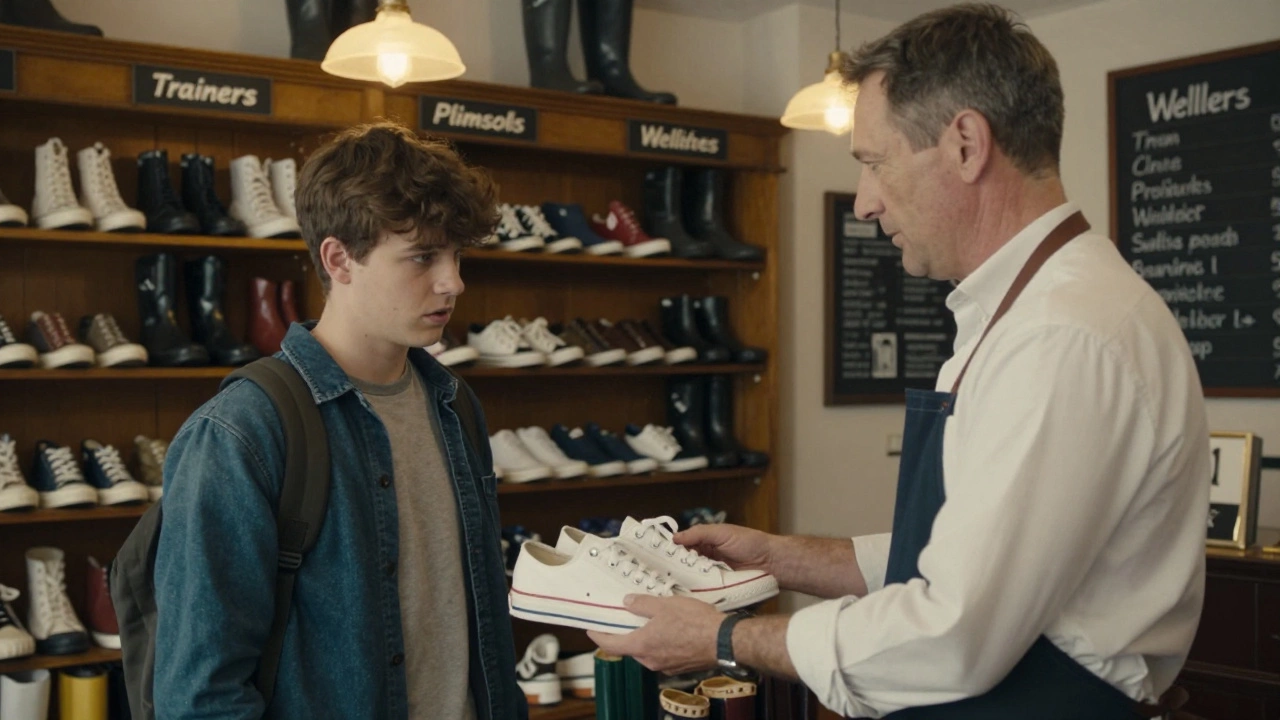
- Plimsolls = lightweight canvas shoes, often worn in school or for casual wear. Think Converse Chuck Taylors, but the term is mostly used for older or simpler styles.
- Wellies = rubber boots, short for Wellington boots. Used for rain or muddy fields.
- Flip-flops = same as in the US, but sometimes called ‘thongs’ in Australia, which causes confusion.
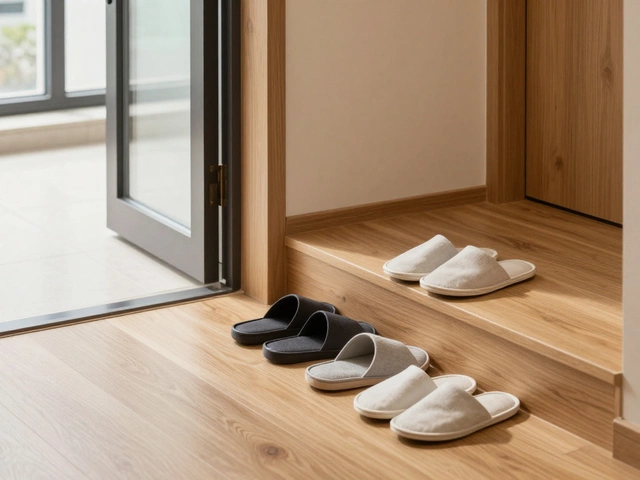
- Slippers = indoor shoes, worn at home. Not the same as trainers.
- Brogues = leather shoes with decorative perforations, often worn for formal or business settings.
So if you hear someone in London say, ‘I’m off to the gym in my plimsolls,’ they’re probably not wearing high-top Nike Airs. They’re wearing something basic, maybe even a bit worn out.
When Do Brits Use ‘Sneakers’?
The word ‘sneakers’ isn’t dead in the UK-it’s just niche. You’ll hear it mostly in three situations:
- When talking about American culture: ‘That’s a classic pair of Air Force Ones-true sneakers.’
- On social media or fashion blogs: Influencers often mix US and UK terms to reach wider audiences.
- When shopping online: Many UK retailers use ‘sneakers’ in product titles because it’s what international customers search for.
For example, if you search for ‘sneakers’ on ASOS or Amazon UK, you’ll get results-but the product descriptions will usually say ‘trainers’ in the body text. It’s a marketing compromise.
How to Sound Like a Local
If you’re visiting the UK and want to blend in, just say ‘trainers.’ It’s the safest, most natural choice. You’ll be understood immediately, and you won’t sound like a tourist trying too hard.
Even if you’re buying them online, type ‘trainers’ into the search bar. You’ll get more relevant results, better filters, and often lower prices. Retailers optimize their UK sites for ‘trainers,’ not ‘sneakers.’
And if someone asks you what you call them? Just smile and say, ‘In the US, we call them sneakers. Here, they’re trainers.’ You’ll get a nod of approval.
Why Does This Difference Exist?
Language evolves differently in different places. The US adopted ‘sneakers’ in the 1880s because of the quiet rubber soles. Britain, with its stronger ties to sports culture and public schools, leaned into the functional term: ‘trainers.’
There’s also a cultural angle. British English tends to favor practical, descriptive words. ‘Trainers’ tells you what they’re for. ‘Sneakers’ tells you how they move. One is about use. The other is about sound.
It’s not a mistake. It’s not slang. It’s just how the language grew.
What About Other Commonwealth Countries?
Australia and New Zealand also use ‘trainers.’ Canada is mixed-some say ‘sneakers,’ others say ‘running shoes’ or even ‘tennis shoes.’ South Africa uses ‘trainers’ too, but sometimes adds ‘gym shoes’ for clarity.
India and Singapore, influenced by British colonial history, mostly say ‘trainers’ as well. So if you’re traveling through the Commonwealth, ‘trainers’ is your safest bet.
Common Mistakes Americans Make
Here are a few things Americans often get wrong:
- Asking for ‘sneakers’ in a UK shoe store and expecting instant recognition.
- Thinking ‘plimsolls’ are the same as ‘trainers.’ They’re not-plimsolls are lighter and less cushioned.
- Assuming ‘trainers’ means only athletic shoes. In the UK, people wear trainers to work, to parties, even to funerals (if they’re casual).
One time, a tourist in Edinburgh asked for ‘sneakers’ at a vintage shop. The owner handed him a pair of 1970s Converse. The tourist said, ‘Thanks, these are perfect.’ The owner replied, ‘They’re not sneakers. They’re trainers.’ The tourist didn’t get it until he saw the sign on the wall: ‘Trainers: £15.’
Final Takeaway
There’s no right or wrong here. ‘Sneakers’ and ‘trainers’ mean the same thing. But if you want to communicate clearly in the UK, use ‘trainers.’ It’s the word locals use, the word retailers use, and the word that gets you the right product.
Next time you’re in London, Manchester, or Glasgow, don’t ask for sneakers. Ask for trainers. You’ll save time, avoid confusion, and maybe even pick up a bit of local flavor along the way.
Is ‘trainers’ the only word used in the UK for sneakers?
Mostly, yes. ‘Trainers’ is the standard term across the UK. Some older people might say ‘plimsolls’ for very basic canvas shoes, but those are different-lighter, less supportive, and usually worn in school. For everything else-Nike, Adidas, New Balance-you say ‘trainers.’
Do British people know what ‘sneakers’ means?
Yes, they do. Thanks to American media, brands, and the internet, most Brits understand ‘sneakers.’ But they won’t use it themselves unless they’re speaking to Americans or writing for an international audience. In daily conversation, they’ll always say ‘trainers.’
Are trainers the same as running shoes?
All running shoes are trainers, but not all trainers are running shoes. ‘Trainers’ is the umbrella term for any rubber-soled, casual shoe. Running shoes are a type of trainer designed for jogging or athletics. You can wear trainers to the pub, the office, or the gym-running shoes are more specific.
Why don’t Brits say ‘sneakers’ if it’s so common in the US?
It’s about history and culture. The term ‘trainers’ stuck because it described the shoe’s purpose-training. ‘Sneakers’ came from how quietly they moved, which was less relevant in Britain’s sports culture. Language doesn’t always follow logic-it follows usage. And in the UK, ‘trainers’ has been used for over a century.
Can I use ‘sneakers’ when shopping online in the UK?
You can, and you’ll get results-but you’ll get fewer. Retailers like JD Sports, Foot Locker UK, and ASOS use ‘trainers’ as the main search term. If you search ‘sneakers,’ you’ll see some results, but they’re often imported from US sites. For the best selection and prices, search ‘trainers.’