Milkmaid Dress Style Analyzer
Configuration
Configure your profile on the left to receive personalized styling recommendations.
Recommended Look
--
Footwear
--
Accessories
--
Body Shape Tip
--
You have probably seen them everywhere lately. From the front rows of major fashion weeks to your favorite influencer’s Instagram feed, that distinct silhouette with the gathered fabric at the chest and the flowing skirt is hard to miss. It looks romantic, vintage, and effortlessly chic. But what exactly is a milkmaid dress? Is it just another fleeting trend, or is there something deeper about why this specific cut has taken over our closets?
The short answer is that a milkmaid dress is a style of garment characterized by a smocked bodice, an empire waistline, and often puff sleeves. While the name suggests a connection to dairy farming, the reality is a bit more complex-and much more stylish. This article breaks down the history, the anatomy, and how to wear this look without looking like you are cosplaying as a character from a period drama.
The Anatomy of the Look: What Makes It a Milkmaid Dress?
To understand the style, you need to know what you are looking for. You cannot simply call any vintage-inspired dress a "milkmaid" dress. There are three non-negotiable elements that define this entity in fashion taxonomy.
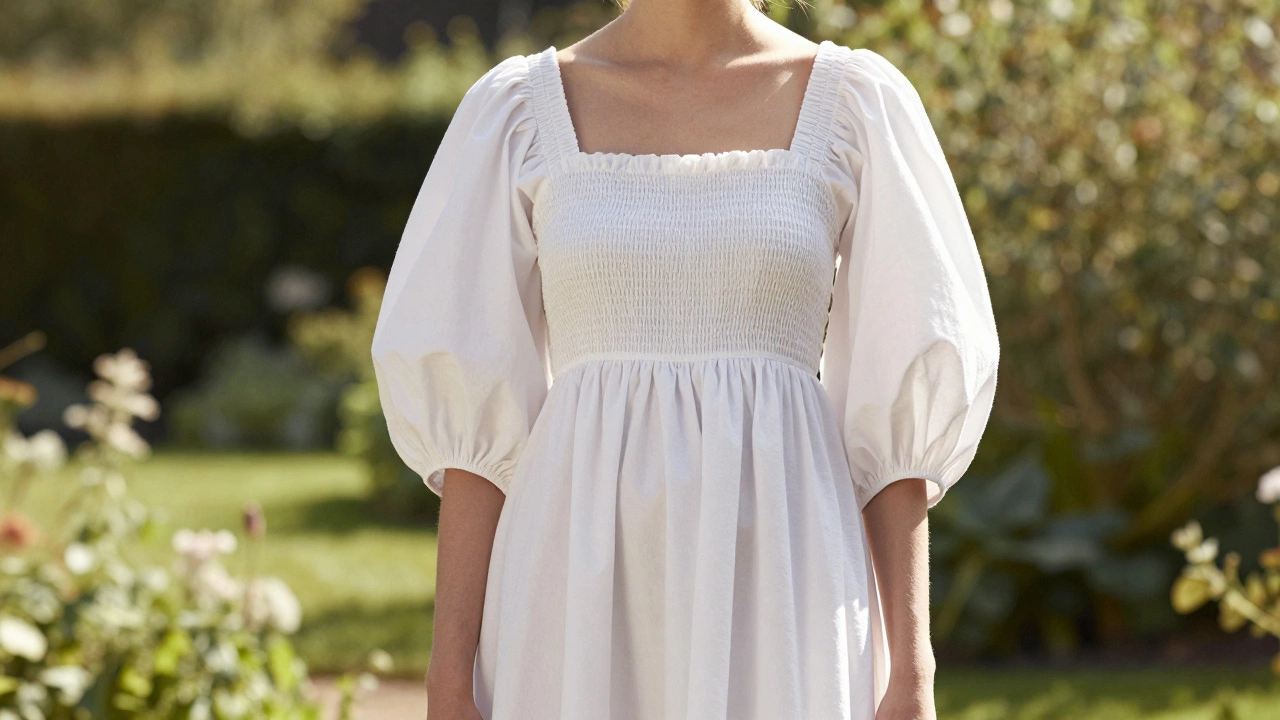
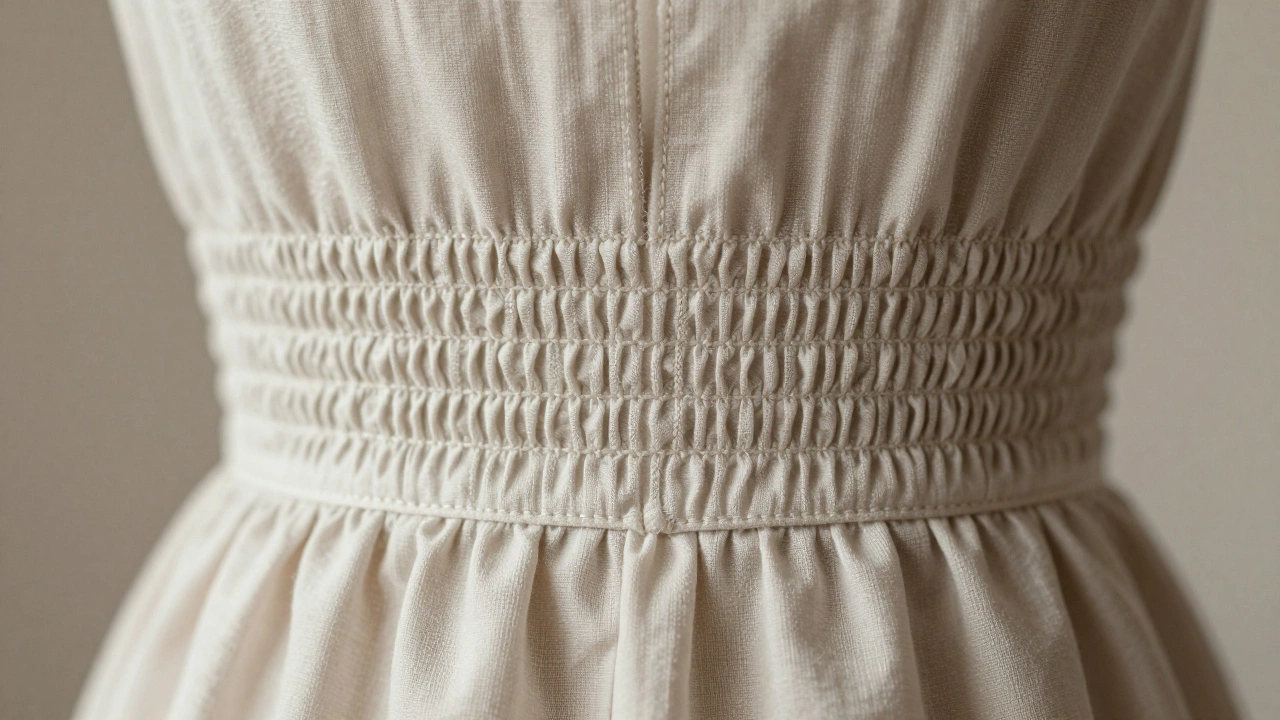
Smocking is a decorative needlework technique where fabric is gathered together and then stitched down to create elasticated panels. In the context of this dress, smocking usually sits across the bust and upper back. It provides structure without the need for rigid boning or zippers. This allows the dress to stretch slightly, making it comfortable for different body types while creating that signature textured, gathered look.
Secondly, the Empire Waist is a high waistline that sits just below the bust, rather than at the natural waist or hips. This line creates the illusion of longer legs and elongates the torso. It is the defining structural element that separates the fitted top from the loose, flowing bottom.
Finally, the Puff Sleeves are sleeves that are gathered at the shoulder and cuff, creating volume and a rounded shape. These can range from tiny cap sleeves to dramatic balloon sleeves. They balance the visual weight of the smocked bodice and add to the romantic, feminine aesthetic.
| Feature | Milkmaid Dress | Standard Shift Dress |
|---|---|---|
| Waistline | Empire (below bust) | Straight or undefined |
| Bodice Construction | Smocked/Elasticated | Flat cut/Zipped |
| Sleeve Style | Puff/Balloon | Set-in/Slim |
| Fabric Fit | Gathered/Fitted top, flowy bottom | Loose throughout |
A Brief History: From Farm Work to Runway Glamour
It is easy to assume that the name comes directly from 19th-century farm workers. While the silhouette shares DNA with historical peasant blouses and corsetry, the modern "milkmaid" label is largely a marketing invention. Fashion brands needed a catchy, rustic-sounding name to describe the resurgence of early 20th-century aesthetics.
The true roots lie in the Cottagecore Aesthetic, which is an internet-born lifestyle movement that romanticizes rural life, baking, gardening, and simple living. As people spent more time at home during the mid-2020s, there was a massive shift away from fast fashion minimalism toward cozy, tactile, and nostalgic clothing. The milkmaid dress became the uniform of this movement.
Designers like Simone Rocha and brands like Reformation popularized the cut by updating it with modern fabrics. They took the functional elements of historical workwear-the durability of cotton, the ease of the smock-and elevated them into evening wear and brunch attire. This transition from "utilitarian" to "luxury" is what makes the style so versatile today.
Why the Smocked Bodice Matters for Fit
If you have ever struggled with sizing in online shopping, the milkmaid dress might be your new best friend. The secret weapon here is the smocking. Because the fabric is bunched and stitched, it acts like a giant elastic band. This means the dress does not rely on rigid seams to fit your bust and ribcage.
This construction offers several practical benefits:
- Comfort: You can eat a full meal without feeling constricted. The smocked area expands naturally with your body.
- Inclusivity: It flatters a wide range of body shapes. For those with smaller frames, the smocking adds necessary volume. For curvier figures, it accommodates the bust without gaping buttons.
- No Zippers: Most milkmaid dresses are pull-on styles. This eliminates the risk of broken zippers and makes dressing quick and easy.
However, there is a caveat. If the smocking is too tight or made from a non-stretch fabric like stiff linen, it can dig into the skin. Always check the material composition. Cotton blends with a small percentage of elastane or viscose offer the best balance of structure and stretch.
Styling the Milkmaid Dress: Avoiding the Costume Trap
The biggest mistake people make when wearing this style is leaning too hard into the "vintage" theme. If you pair a floral milkmaid dress with a straw bonnet, lace-up boots, and a wicker basket, you are not going to a dinner party; you are heading to a Renaissance Faire. To keep the look modern and wearable in 2026, you need to balance the romantic elements with contemporary pieces.
Here is how to style it for different occasions:
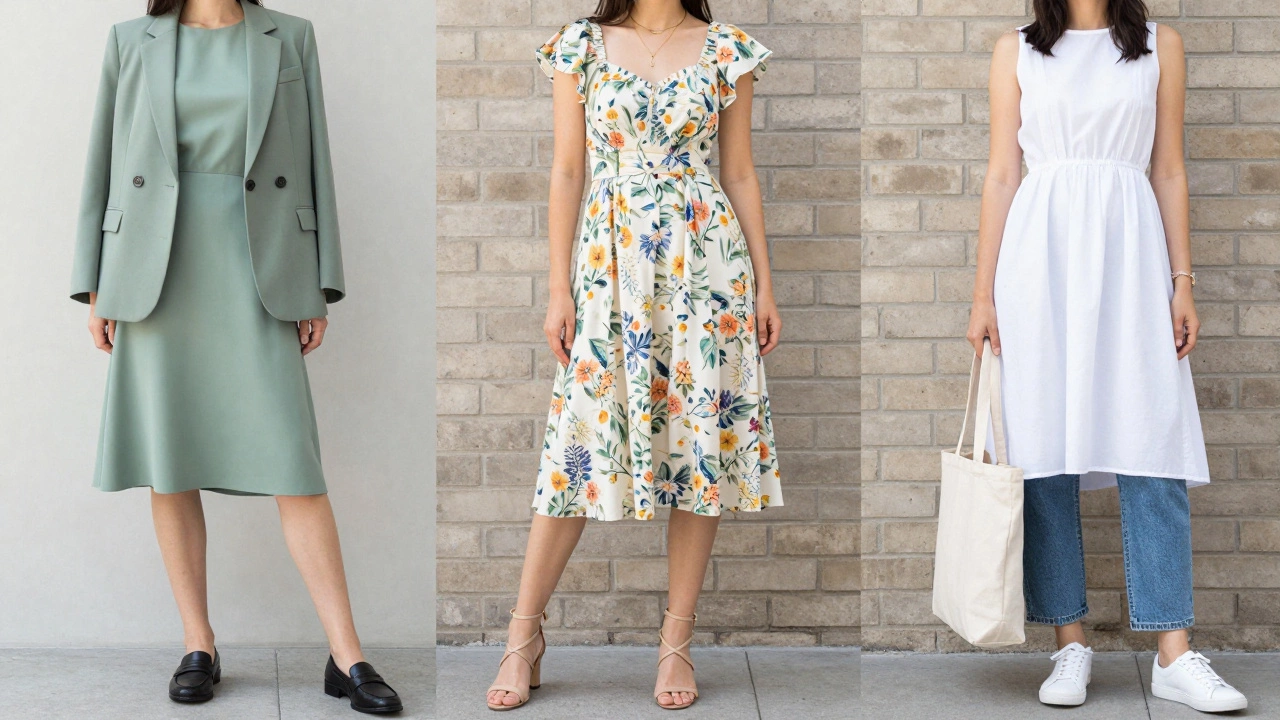
For the Office: Choose a solid-colored dress in a neutral tone like sage green, navy, or black. Skip the heavy ruffles. Pair it with structured loafers or pointed-toe flats. Add a tailored blazer to break up the softness of the puff sleeves. This grounds the outfit and makes it professional.
For a Summer Wedding: Opt for a midi-length dress with delicate embroidery. Swap casual sandals for strappy heels. Accessorize with gold jewelry rather than pearl strands to avoid looking dated. A sleek low bun keeps the focus on the neckline.
For Casual Weekends: Embrace the relaxed vibe. Wear a white cotton milkmaid dress with denim jeans underneath if it is long enough, or simply pair it with white sneakers and a canvas tote bag. Throw on a denim jacket to contrast the soft femininity with rugged texture.
Fabric Choices: Seasonality and Texture
The fabric dictates whether the dress feels like daywear or evening wear. Here is a breakdown of common materials used in these garments:
- Cotton Voile: Lightweight, breathable, and slightly sheer. Perfect for hot summers. It drapes softly but holds its shape well due to the weave.
- Linen: Natural and textured. Linen wrinkles easily, which actually enhances the rustic, effortless vibe of the milkmaid aesthetic. Great for beach vacations.
- Satin or Silk: Adds luxury and shine. These fabrics catch the light and make the smocking look more intricate. Best for formal events or cooler evenings.
- Jersey Knits: Some modern interpretations use knit fabrics instead of woven ones. These are incredibly comfortable and act like a t-shirt dress but with the same silhouette. Ideal for travel.
When shopping, consider the climate. A heavy satin milkmaid dress in July will make you sweat through your makeup. Stick to natural fibers like cotton and linen for maximum breathability.
Who Should Wear It? Body Type Considerations
Fashion rules are meant to be broken, but understanding how cuts interact with body shapes can help you feel more confident. The milkmaid dress is generally forgiving, but certain variations work better for specific silhouettes.
If you have an apple shape (carrying weight in the midsection), the empire waist is your ally. It highlights the smallest part of your torso (just under the bust) and lets the skirt flow loosely over the stomach and hips. Just ensure the skirt has some volume so it doesn't cling tightly.
For pear shapes (wider hips than shoulders), the puff sleeves and detailed bodice draw attention upward, balancing out the lower half. The smocked top adds volume to the upper body, creating a harmonious proportion.
If you are hourglass-shaped, you might find the empire waist less flattering because it ignores your natural waist definition. In this case, look for styles that have a subtle cinch at the natural waist or choose a shorter hemline to maintain proportion. Alternatively, you can tie a thin belt over the dress at your natural waist to redefine the silhouette.
Where to Buy and What to Look For
The market for these dresses is saturated, ranging from $20 fast-fashion finds to $300 designer pieces. How do you choose?
Check the Seam Quality: Because the dress relies on smocking, the stitching must be robust. Pull gently on the gathered fabric. If it feels like it might unravel or if the threads are visible and rough, skip it. Good smocking should feel dense and even.
Inspect the Lining: Many affordable milkmaid dresses are unlined, especially in lighter colors. This can lead to transparency issues. If you are buying a light-colored dress, ensure it has a lining or plan to wear nude slip shorts underneath.
Consider the Length: Mini lengths can look playful but may feel too casual. Maxi lengths are elegant but can overwhelm petite frames. Midi length (hitting mid-calf) is the most versatile and universally flattering option for most heights.
Is a milkmaid dress the same as a peasant blouse?
Not exactly. A peasant blouse typically refers to a top only, often with off-the-shoulder necklines and extensive embroidery. A milkmaid dress is a one-piece garment that incorporates similar elements like smocking and puff sleeves but includes a skirt. Think of the milkmaid dress as a full-body evolution of the peasant top aesthetic.
Can I wear a milkmaid dress if I have a large bust?
Yes, absolutely. The smocked bodice is designed to accommodate varying bust sizes. However, if the dress lacks internal support, you may want to wear a strapless bra or adhesive bras for added lift and security. Look for styles with wider straps to prevent digging into your shoulders.
Why is it called a milkmaid dress if it wasn't worn by farmers?
The name is a stylistic label rather than a historical accuracy claim. It evokes the imagery of 19th-century rural life, where women wore simple, durable dresses with aprons. Modern fashion adopted the term to signal a return to simplicity, romance, and nostalgia, distancing itself from the sharp, corporate lines of previous decades.
How do I wash a smocked dress without ruining it?
Always check the care label first. Generally, smocked areas can be delicate. Hand washing in cold water is safest to preserve the elasticity of the gathers. If using a machine, place the dress in a mesh laundry bag and use a gentle cycle. Avoid hanging wet dresses by the straps, as the weight of the water can stretch out the smocking permanently. Lay flat to dry instead.
Are milkmaid dresses still in style in 2026?
Yes, but the trend has matured. The extreme, ruffle-heavy versions of 2022 have faded. Current trends favor cleaner lines, solid colors, and higher-quality fabrics. The silhouette remains popular because it is comfortable and flattering, transitioning from a viral TikTok trend to a wardrobe staple.