Suit Shirt Color Matcher
Find Your Perfect Shirt Color
Select options above to see your recommended shirt colors.
Choosing the right shirt color to wear with a suit isn’t just about looking polished-it’s about matching your outfit to the occasion, your skin tone, and even the time of day. Too many men stick to white or light blue because they’ve heard it’s "safe," but that’s only half the story. The best suit shirt color depends on what you’re trying to achieve. Are you heading into a job interview? Attending a wedding? Or just trying to look sharp at a Friday night dinner? Let’s cut through the noise and give you real, practical answers.
White: The Classic That Still Wins
White is the most reliable shirt color you can wear with any suit. It works with navy, charcoal, gray, even black. Why? Because it reflects light, creates contrast, and feels clean. A crisp white dress shirt under a charcoal wool suit is the gold standard for business formal settings. It’s what you’ll see in boardrooms, courtrooms, and corporate headshots. The key is fit and fabric. A slightly textured cotton, like poplin or pinpoint, looks more intentional than a cheap, shiny polyester. Avoid anything too thin-it should hold its shape without wrinkling. And always, always iron it. A wrinkled white shirt ruins the whole look.
Light Blue: The Smart Alternative
If white feels too stark, light blue is your next best option. It’s softer, more approachable, and still professional. Think of it as white’s cooler, more relaxed cousin. Light blue pairs beautifully with navy suits-it’s a classic combo used by diplomats, bankers, and journalists. It also works well with gray and even lighter tan suits in spring or summer. The trick is to keep the shade pale. A sky blue or baby blue works. Anything darker than that starts to look like a casual button-down. And don’t pair it with a patterned tie unless you’re confident in color balancing. Solid ties in burgundy, deep green, or even a subtle stripe will let the shirt shine.
Pale Pink: The Modern Upgrade
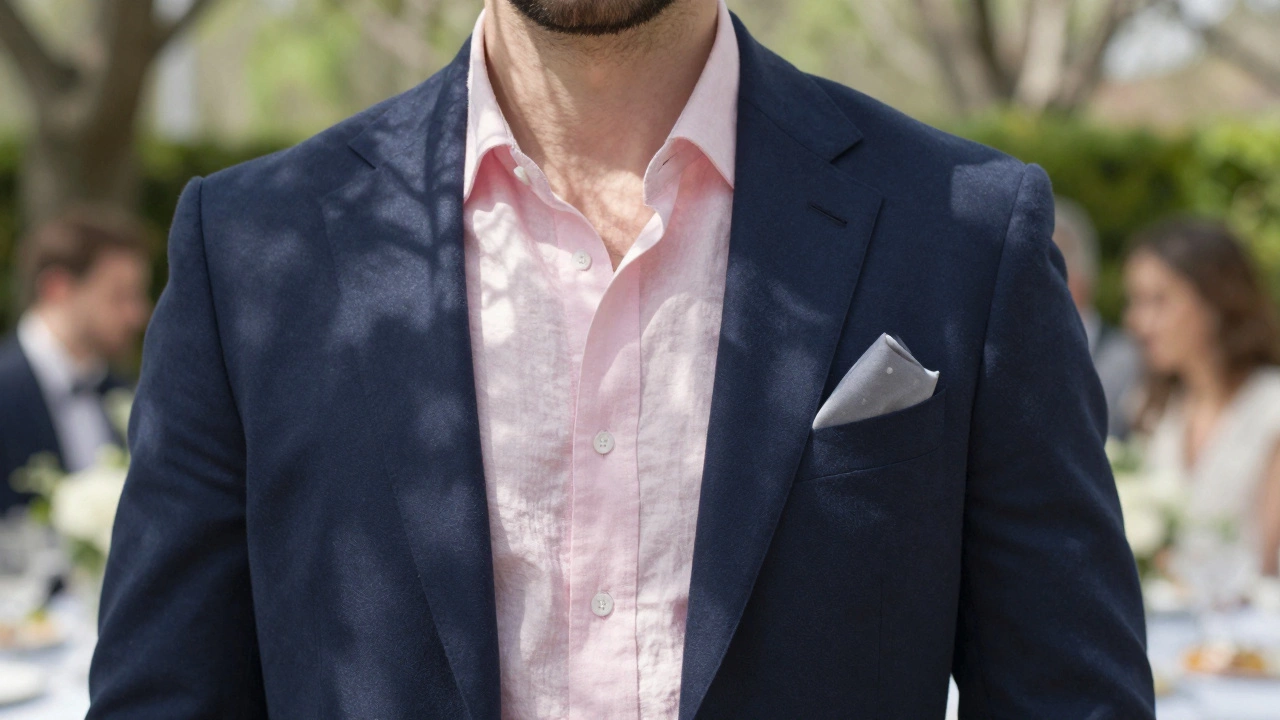
Pale pink used to be considered risky. Now, it’s a staple in men’s fashion. It adds warmth without being flashy. If you have a cool skin tone (blue or pink undertones), pale pink can make you look healthier and more vibrant. It works best with gray, navy, or even a dark green suit. Avoid pairing it with black-it can look like you’re trying too hard. Pale pink is perfect for spring weddings, brunches, or creative office environments. The fabric matters here too. Choose a soft, breathable cotton or linen blend. A shirt that’s too stiff or too shiny will look cheap. And skip the patterned versions unless you’re going for a very intentional, fashion-forward look.
Striped Shirts: When Pattern Works
Striped shirts aren’t just for casual Fridays. A subtle stripe-think thin pinstripes or micro-stripes in white and blue-can add depth to a suit without overwhelming it. The rule? The stripes should be narrower than the width of your pinky finger. Too thick, and you’re wearing a shirt, not a formal top. Pair a striped shirt with a solid navy or charcoal suit and a solid tie. Avoid patterned ties altogether. This combo is popular in media, advertising, and design fields. It says you’re polished but not rigid. Just make sure the shirt’s base color is still light. A dark stripe on a dark background won’t work. Stick to white or light blue bases with thin contrasting stripes.
When to Avoid Bold Colors
Red, purple, bright green, or neon yellow? Save those for parties, not boardrooms. Even deep burgundy or forest green can be tricky. They work only if you’re wearing a very light suit-like a light gray or beige-and even then, you need the right accessories to balance it. Most men who try bold shirt colors end up looking like they’re trying to stand out for the wrong reasons. Unless you’re a fashion editor or styling a photoshoot, stick to neutrals. There’s a reason white and light blue dominate formal wear: they’re timeless for a reason.
Shirt Color and Skin Tone: What Actually Matters
Not everyone looks good in the same color. Your skin tone plays a bigger role than most people realize. If you have warm undertones (yellow, golden, olive), you’ll look better in creams, light yellows, or soft peach tones. If you have cool undertones (pink, blue, red), white and light blue will make your skin glow. Test it: hold a white shirt and a cream shirt up to your face in natural light. Which one makes your skin look brighter? That’s your color. Darker shirts can wash you out if you have fair skin. Too light a shirt on dark skin can look muddy. It’s not about rules-it’s about contrast. You want your face to stand out, not disappear into the fabric.
Seasons Change the Rules
Winter calls for heavier fabrics and deeper suits. That’s when white and light blue really pop. Spring and summer? Lighten up. Linen shirts in pale pink or cream work beautifully with tan or light gray suits. Avoid thick cotton in hot weather-it traps heat. Linen or cotton-linen blends breathe better. And yes, you can wear a linen shirt with a suit. Just make sure the suit is unstructured or lightly tailored. A heavy, structured suit with a wrinkled linen shirt looks sloppy. The key is matching the formality level of both pieces.
What About Ties?
A shirt color isn’t chosen in isolation. It’s part of a three-piece system: suit, shirt, tie. If you’re wearing a white shirt, you have more freedom with tie color. Navy suits with a white shirt and burgundy tie? Timeless. Light blue shirt with a navy suit and a gray or navy tie? Clean and modern. But if you’re wearing a pale pink shirt, stick to solid, muted ties. Avoid patterns. Let the shirt do the talking. And never wear a tie that’s the same color as your shirt. It blends in too much. You want separation, not sameness.
Final Rule: Match the Occasion
There’s no single "best" color. The best color is the one that fits the context. For job interviews, go white. For a wedding you’re attending, pale pink or light blue. For a business dinner, stick with white or a subtle stripe. For a casual Friday, maybe try a light gray shirt with a navy suit. Don’t overthink it. Start with white. Master it. Then branch out. The moment you start choosing shirts based on trends instead of fit, occasion, and tone, you’ve lost the point. A suit is about confidence, not novelty.
| Suit Color | Best Shirt Colors | Avoid |
|---|---|---|
| Navy | White, Light Blue, Pale Pink | Dark Red, Black |
| Charcoal Gray | White, Light Blue, Cream | Neon Colors, Bright Patterns |
| Light Gray | White, Pale Pink, Cream, Light Stripe | Dark Blue, Black |
| Black | White, Off-White | Any Color Besides White or Cream |
| Beige/Tan | White, Cream, Light Blue | Dark Gray, Black |
What About Collar Styles?
Shirt color isn’t the only thing that matters. The collar shape affects how the shirt sits under the suit jacket. Spread collars look best with white or light blue shirts-they open up the neck and create space for a tie. Button-down collars are more casual. They’re fine with a light gray suit for a business-casual setting, but skip them for formal events. Point collars are versatile. They work with everything. If you’re unsure, go with a spread or point collar. They’re the most professional.
Pro Tip: Keep a Shirt Rotation
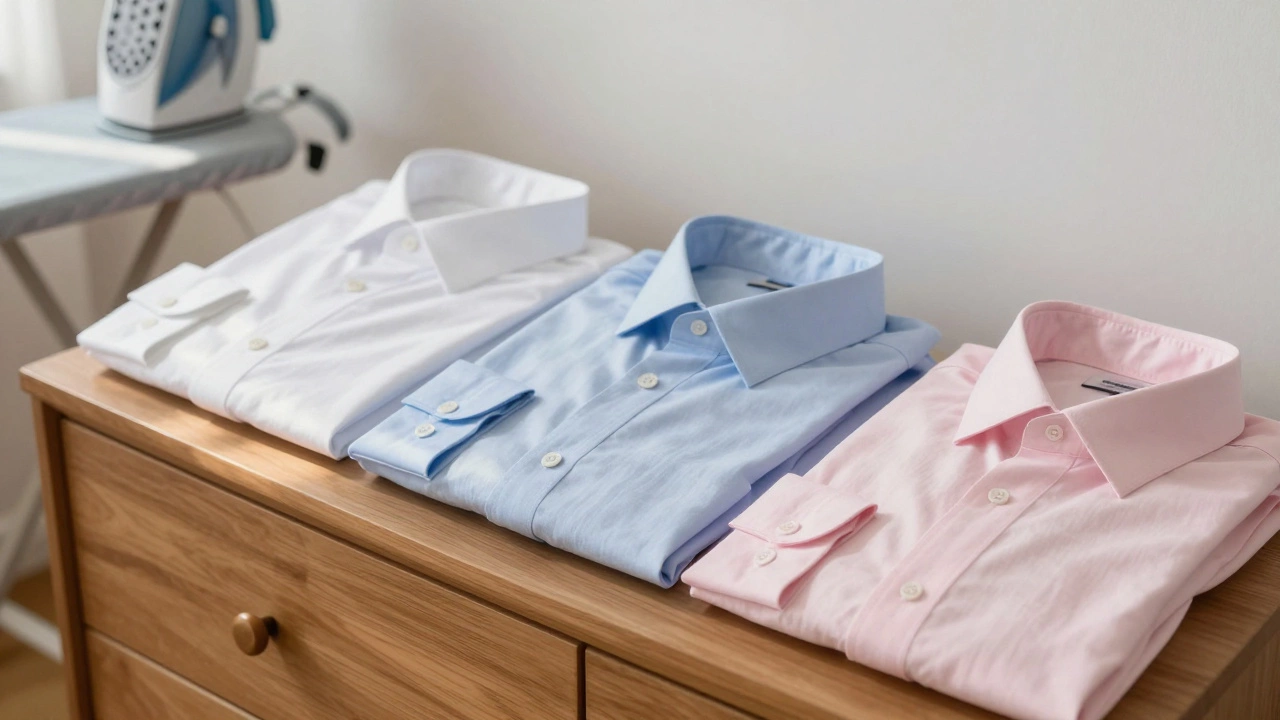
Don’t just own one white shirt. Own three: one in pure white, one in light blue, one in pale pink. Rotate them. Wash them properly-turn them inside out, use cold water, and hang to dry. A shirt that’s faded, stretched, or stained looks worse than no shirt at all. Invest in good fabric. A $60 shirt from a quality brand will last twice as long as a $20 one from a fast-fashion store. And it’ll look better every time you wear it.
Can I wear a colored shirt with a black suit?
Technically, yes-but only white or off-white. Anything else with a black suit looks like you’re going to a costume party, not a formal event. Black suits are the most formal option, and they demand maximum contrast. A white shirt creates that clean, sharp line that makes the suit look intentional. Colored shirts, even dark ones like burgundy or navy, create visual clutter. Stick to white. It’s not boring-it’s powerful.
Is it okay to wear a patterned shirt with a patterned suit?
No. Never. A patterned suit (like houndstooth or pinstripe) already has visual movement. Adding a patterned shirt-stripes, checks, or dots-creates a clash. It looks chaotic, not stylish. If your suit is patterned, go solid on the shirt. White, light blue, or cream. Let the suit be the statement. Your shirt should support it, not compete.
Should I match my shirt color to my tie?
No. Matching them exactly makes the outfit look flat. Instead, choose complementary colors. If you’re wearing a white shirt and navy suit, try a burgundy, dark green, or gray tie. If you’re wearing a light blue shirt, go for a tie in a deeper blue, a subtle stripe, or even a muted pattern. The goal is contrast and depth, not sameness.
Can I wear a shirt without a tie?
Yes-but only if the suit is unstructured and the setting is business casual. A navy suit with a light blue shirt and no tie works for a Friday at the office or a casual lunch. But never do it in a formal setting like a job interview, wedding, or court appearance. The tie is part of the formality. Removing it changes the entire message. If you’re going tieless, make sure the shirt collar is neat, the fit is sharp, and the suit is tailored.
What if I have a tan or olive skin tone?
You’ll look best in warm neutrals: cream, light beige, or soft peach. White can sometimes make your skin look ashy. Light blue works if it’s a very pale shade. Avoid bright white in direct sunlight-it can wash you out. Try a cream shirt with a charcoal suit. It’s subtle, elegant, and flattering. The key is contrast without harshness. Test shirts in natural light before buying.
Next Steps
Start with one white shirt. Make sure it fits well-shoulders should sit at your natural seam, sleeves should end at your wrist bone, and the collar should allow two fingers to fit comfortably. Then add a light blue one. After that, try a pale pink. Wear them in different settings. Notice how people react. Notice how you feel. You’ll start to see patterns. What looks good on others doesn’t always look good on you. That’s okay. Fashion isn’t about copying-it’s about finding what works for your body, your life, and your confidence.