US Sneaker Vocabulary & Type Finder
Confused by "trainers" vs. "sneakers"? This tool helps you speak like a local and buy the right shoes.
The Local Term
Recommended Shoe Type
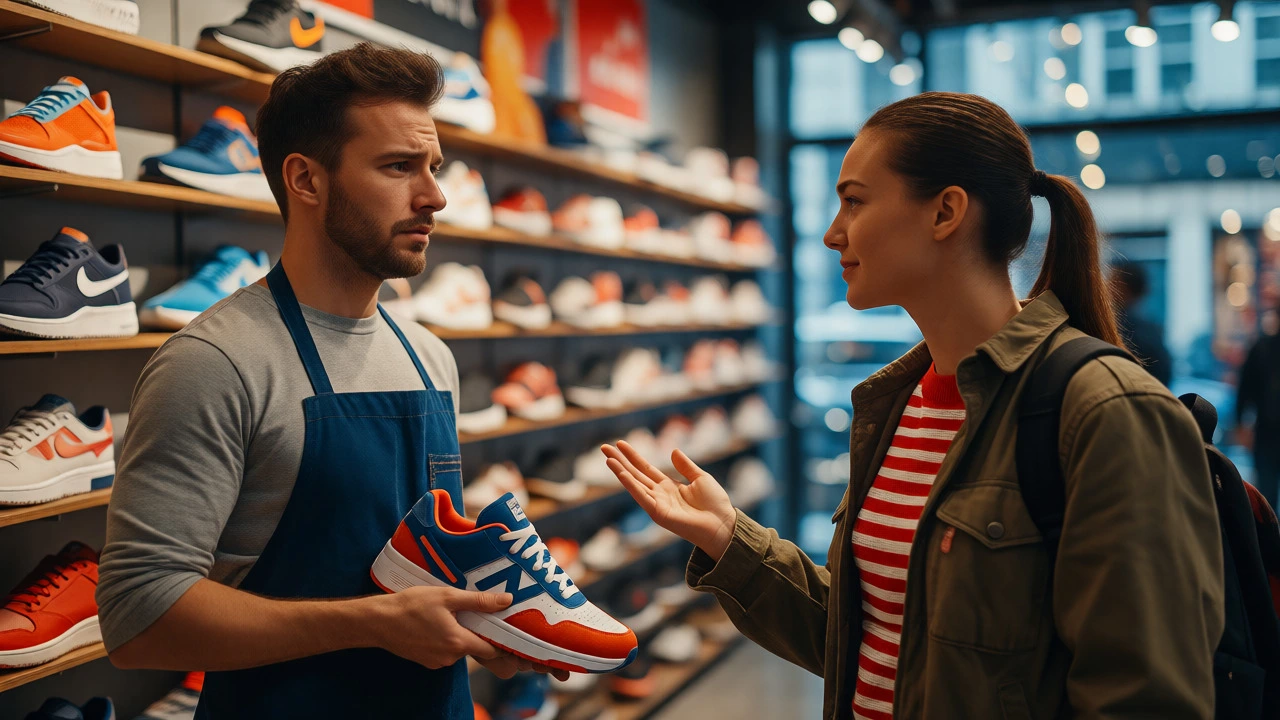
You walk into a store in New York or Los Angeles and ask for trainers. The clerk looks at you like you just spoke an alien language. Why? Because in the United States, nobody says "trainers." They say sneakers. This tiny linguistic gap trips up millions of tourists and expats every year. If you're wondering what trainers are in America, you're looking for athletic shoes designed for running, gym workouts, or casual wear-but you need to use the local word to find them.
The Great Vocabulary Shift: Trainers vs. Sneakers
Here is the core difference. In the UK, Australia, and many Commonwealth countries, "trainers" is the standard term for athletic footwear. It comes from "training shoes." In the US, the dominant term is sneakers. The name originated in the late 19th century because the rubber soles allowed people to "sneak" around quietly compared to hard leather-soled dress shoes. So, if you order trainers on Amazon.com, you might get a weird mix of results or nothing relevant. You have to search for sneakers, tennis shoes, or running shoes.
This isn't just about semantics; it affects how brands market products. Nike doesn't run ads saying "Buy our new trainers." They say "New Air Max sneakers." Understanding this switch saves you time when shopping online or in physical stores across the states.
Regional Variations Within the USA
America is huge, and even within the US, the language changes depending on where you stand. While "sneakers" is the national default, regional dialects add flavor-and confusion.
- The Northeast (NYC, Boston): Everyone says sneakers. Period. If you say trainers here, people assume you are British or Canadian.
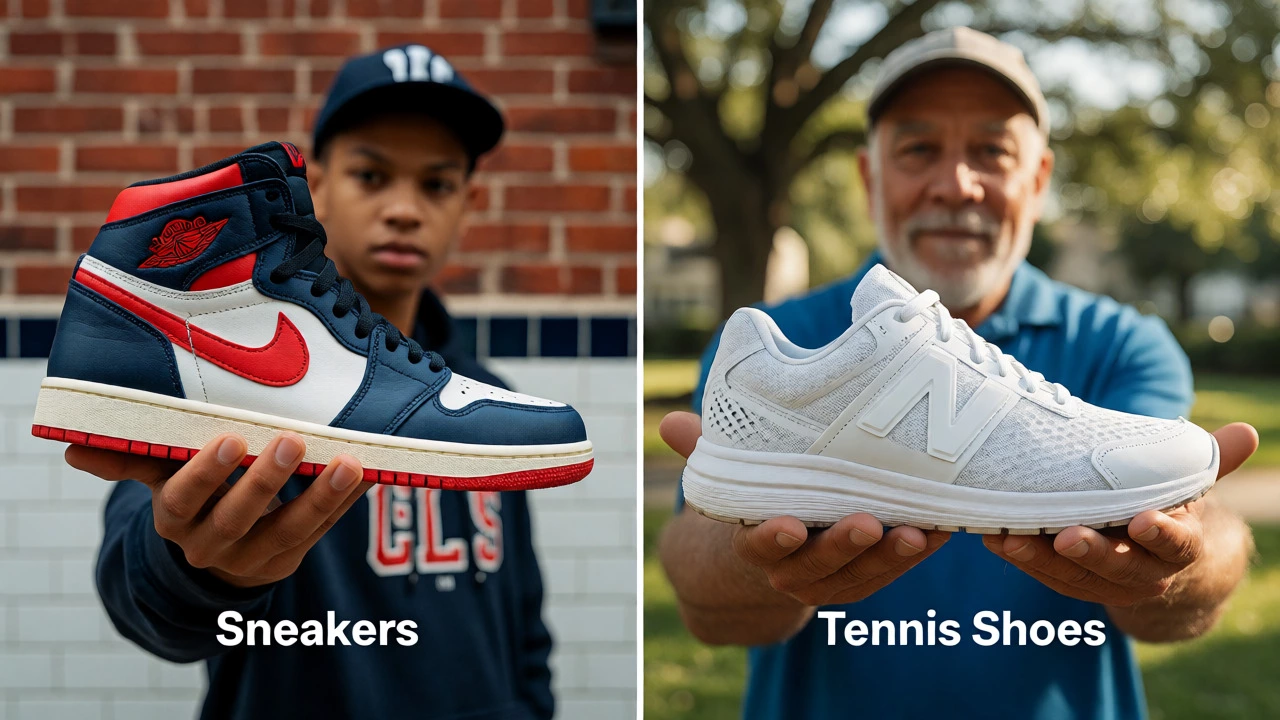
- The South (Texas, Georgia): Many older generations still call them "tennis shoes," even if they aren't playing tennis. A guy in Atlanta might say, "Grab your tennis shoes, we're going to the park," while wearing basketball Nikes.
- The Midwest: Similar to the South, "tennis shoes" remains common in casual conversation among older demographics, though younger people stick with sneakers.
- The West Coast (California): Heavy influence from surf and skate culture means terms like "skate shoes" or specific brand names (like Vans) are often used as generic nouns.
So, what do trainers mean in America? It depends on who you ask. But if you want to be understood by everyone from Miami to Seattle, stick with sneakers.
Types of Athletic Footwear Americans Buy
Once you know the right word, you need to know what type of sneaker you actually need. Americans categorize these shoes by activity, not just style. Using the wrong category can lead to buying a shoe that hurts your feet or falls apart quickly.
| Type | Primary Use | Popular Brands | Key Feature |
|---|---|---|---|
| Running Shoes | Jogging, marathons, gym cardio | Nike, Brooks, Hoka | Maximized cushioning and energy return |
| Basketball Shoes | Court sports, high-impact jumps | Jordan, Adidas, Under Armour | High-top support and ankle stability |
| Lifestyle Sneakers | Casual wear, street fashion | Vans, Converse, New Balance | Flat sole, iconic design, durability |
| Training/CrossFit Shoes | Gym classes, weightlifting | Nike Metcon, Reebok Nano | Flat heel, lateral support, grip |
| Hiking Boots/Shoes | Outdoor trails, rough terrain | Merrell, Salomon, The North Face | Rugged tread, waterproofing, ankle protection |
Notice that "Training/CrossFit Shoes" is the closest literal translation to the British concept of general-purpose trainers. However, most Americans don't buy one pair of "general trainers" for everything. They own multiple pairs: one for running, one for lifting weights, and one for hanging out at brunch. This specialization is a key cultural difference in footwear consumption.
Why the Term "Trainer" Persists in Certain Contexts
Is the word trainer dead in America? Not entirely. You will hear it in specific niches. Professional athletes, particularly soccer players, sometimes use "boots" or "cleats," but coaches might refer to indoor court shoes as trainers. Also, high-end fashion collaborations occasionally borrow the European term to sound more exclusive or international. When Gucci releases a limited edition sneaker, marketing materials might subtly nod to the global "trainer" aesthetic, but the sales associate will still ring it up as a sneaker.
Additionally, expat communities in cities like New York or London-style hubs in Chicago maintain the usage. If you walk into a specialty shop catering to European tastes, you might see signs saying "Designer Trainers." But step outside onto the sidewalk, and the average passerby is thinking about their Jordans.
How to Shop for Sneakers Like a Local
If you are moving to the US or visiting, here is how to navigate the footwear landscape without feeling lost.
- Search Correctly Online: Never type "trainers" into US-based e-commerce sites like Zappos, Nordstrom, or Amazon US. Use filters for "Sneakers," "Athletic Shoes," or "Casual Shoes." If you want comfort-focused options, search for "comfort sneakers" or "walking shoes."
- Know Your Sizing: US sizes differ from UK/EU sizes significantly. A UK size 8 is roughly a US men's size 9 or women's size 10. Always check the conversion chart on the retailer's site. Don't assume your usual number works.
- Understand Width Options: Unlike in some European markets, US retailers heavily emphasize width. Look for codes like D (standard), E (wide), or 2E (extra wide). Ignoring this can make expensive shoes unwearable.
- Check Return Policies: Americans love trying things on. Most major retailers offer free returns. If the fit isn't perfect, send them back. There is no social stigma in returning half-worn shoes if they cause blisters.
The Cultural Weight of Sneakers in America
Sneakers in America are more than just foot coverings; they are status symbols. The sneakerhead culture is massive. People collect rare pairs of Jordans, which can resell for thousands of dollars. Wearing the right pair signals belonging to a certain group, whether it's skaters, runners, or hip-hop fans.
In contrast, the term "trainers" in the UK often carries a utilitarian connotation-shoes for training. In the US, sneakers are fashion first, function second. You'll see people wearing $500 Balenciaga Triple S sneakers to a grocery store, not because they plan to run a marathon, but because they look good. This shift from utility to identity is why the vocabulary matters. Sneakers are part of the outfit; trainers are just equipment.
Frequently Asked Questions
Can I use the word "trainers" in the USA?
You can, but people might look at you strangely or assume you are a foreigner. Most Americans understand the word due to global media, but they won't use it themselves. To avoid confusion, always use "sneakers" or specify the activity, like "running shoes" or "basketball shoes."
Are "tennis shoes" the same as sneakers?
In many parts of the Southern and Midwestern US, yes. Older generations often use "tennis shoes" as a catch-all term for any athletic shoe, regardless of whether they play tennis. Younger people tend to reserve "tennis shoes" strictly for shoes worn on the tennis court.
What is the difference between trainers and cleats?
Trainers (or sneakers) have flat rubber soles suitable for pavement, gym floors, or courts. Cleats have protruding studs or spikes on the bottom for traction on grass or turf fields, used in sports like football, soccer, and baseball. You would never wear cleats indoors.
Do Americans wear sandals instead of trainers?
Yes, especially in warmer climates like Florida, California, and Texas. Sandals are considered acceptable casual footwear in many informal settings. However, for driving, hiking, or formal-casual events, sneakers remain the go-to choice over sandals for practicality and safety.
Which brand is most popular for sneakers in America?
Nike dominates the US market, followed closely by Adidas and New Balance. Nike's Air Jordan line has held cultural significance since the 1980s. For comfort-focused consumers, brands like Hoka One One and Brooks have seen massive growth in recent years.