Find Your Perfect 2026 Denim Match
Not sure which trend fits you best? Answer these three questions to get a personalized recommendation.
Select your preferences and click the button to see your ideal jeans.
Walk into any mall or scroll through your favorite shopping app right now, and you’ll notice a shift. The skinny jean, which dominated closets for over a decade, has officially stepped aside. If you’re wondering what are the most popular jeans now, the answer isn’t just one silhouette-it’s a mix of comfort, nostalgia, and tailored precision. As we move through late 2026, denim is less about squeezing into a shape and more about finding a cut that moves with you.
Here is the quick reality check on what’s actually selling and wearing well this year:
- Wide-Leg & Baggy: Still the king of streetwear and casual comfort, offering maximum freedom.
- Straight Leg: The new neutral. It’s the safe, stylish middle ground that works for almost everyone.
- Barrel (Balloon) Leg: The trendy choice for those who want to stand out with curved hems.
- Skinny Jeans: Not dead, but they’ve retreated to specific niches like equestrian wear or layered under long tunics.
- Raw Indigo: Dark, unwashed denim is having a major moment as people seek longevity in their clothes.
The Rise of the Wide-Leg and Barrel Silhouette
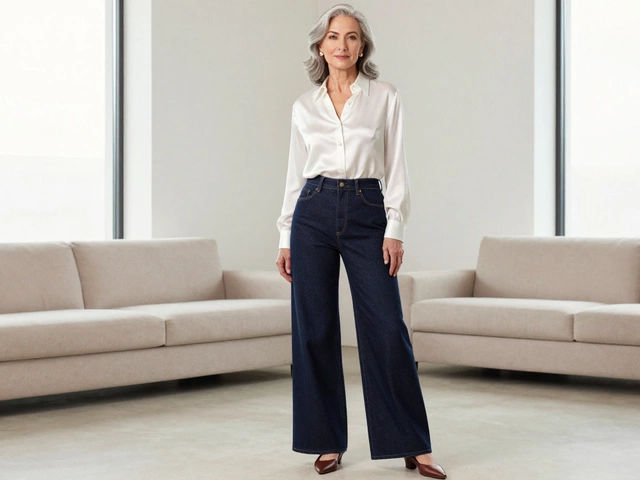
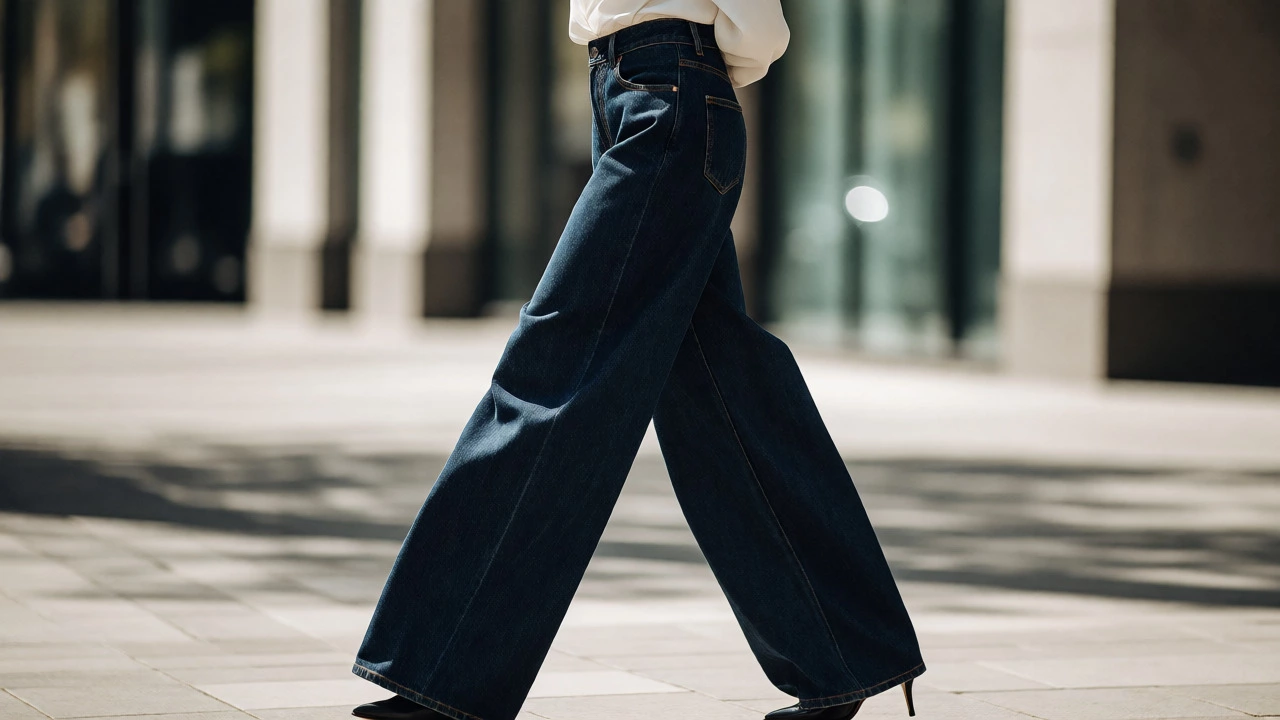
If there is one trend defining 2026, it’s volume. After years of tight fits, people are craving room. The wide-leg jean is a denim style characterized by a loose fit from the hip down to the hem, prioritizing comfort and airflow over form-fitting aesthetics. Unlike the flares of the 70s that hug the thigh before exploding at the knee, modern wide-legs often start loose at the waist or high-waist band.
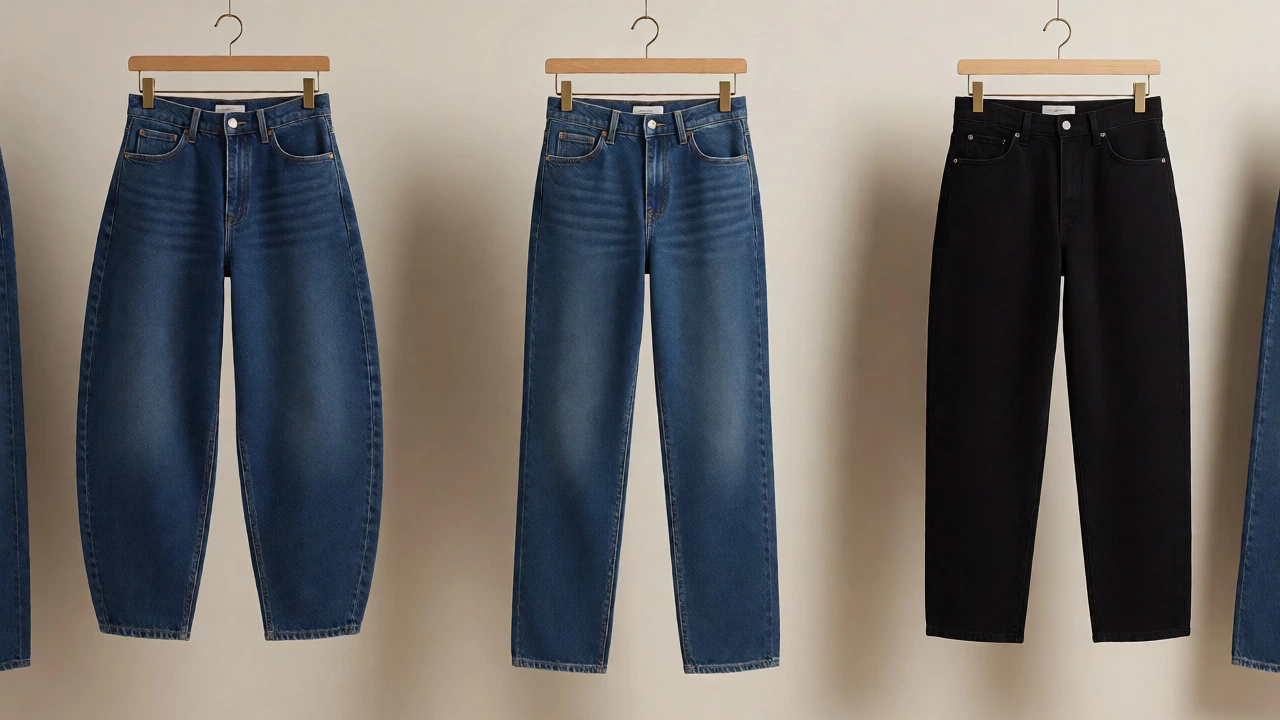
You’ll see two main variations dominating the racks. First, the classic wide-leg, which hangs straight down. It’s forgiving, comfortable, and pairs surprisingly well with cropped tops or tucked-in blazers. Second, the barrel leg (or balloon leg), which is a contemporary cut where the denim curves outward at the thigh and tapers slightly toward the ankle, creating a rounded, architectural shape. This cut adds visual interest without the bulk of a full wide-leg. It looks particularly sharp when paired with pointed-toe shoes or sleek boots, balancing the volume at the bottom.
Why the shift? Comfort is non-negotiable now. Remote work habits lingered longer than expected, and people refuse to give up ease. But it’s also aesthetic-these cuts create a relaxed, effortless vibe that feels current rather than dated.
The Straight Leg: The New Standard
If wide-leg feels too bold for your daily routine, the straight leg is your safest bet. For years, "straight" was considered boring compared to skinny or bootcut. In 2026, it’s the cool kid. Why? Because it’s versatile. A good pair of straight-leg jeans offers a consistent width from the knee to the ankle, providing a clean line that elongates the legs while allowing movement.
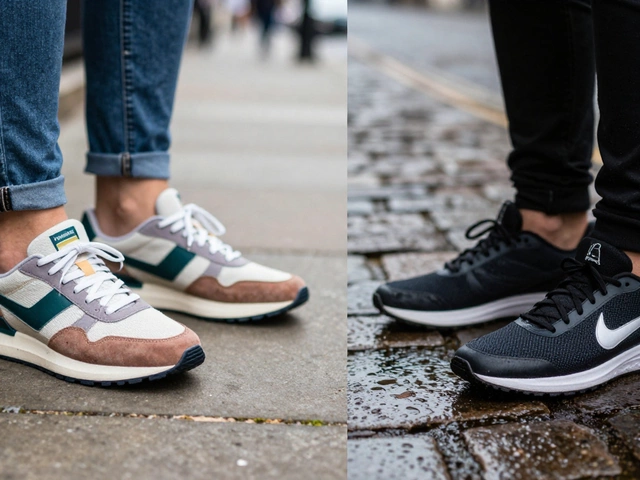
This cut works because it doesn’t fight your body shape. It skims rather than clings. You can dress them up with heels and a silk blouse for an office setting, or throw them on with sneakers and a hoodie for a weekend errand run. Brands like Levi’s and Uniqlo have refined their straight-fit lines, using higher-quality cotton blends that hold their shape after multiple washes. If you only buy one pair of jeans this season, make it a mid-rise or high-rise straight leg in a medium blue wash. It’s the ultimate utility player in your wardrobe.
Fabric Matters: Weight, Wash, and Sustainability
Style is half the battle; fabric is the other half. The conversation around denim has changed significantly. We aren’t just looking for cheap stretch anymore. There’s a growing appreciation for heavier fabrics and sustainable production methods.
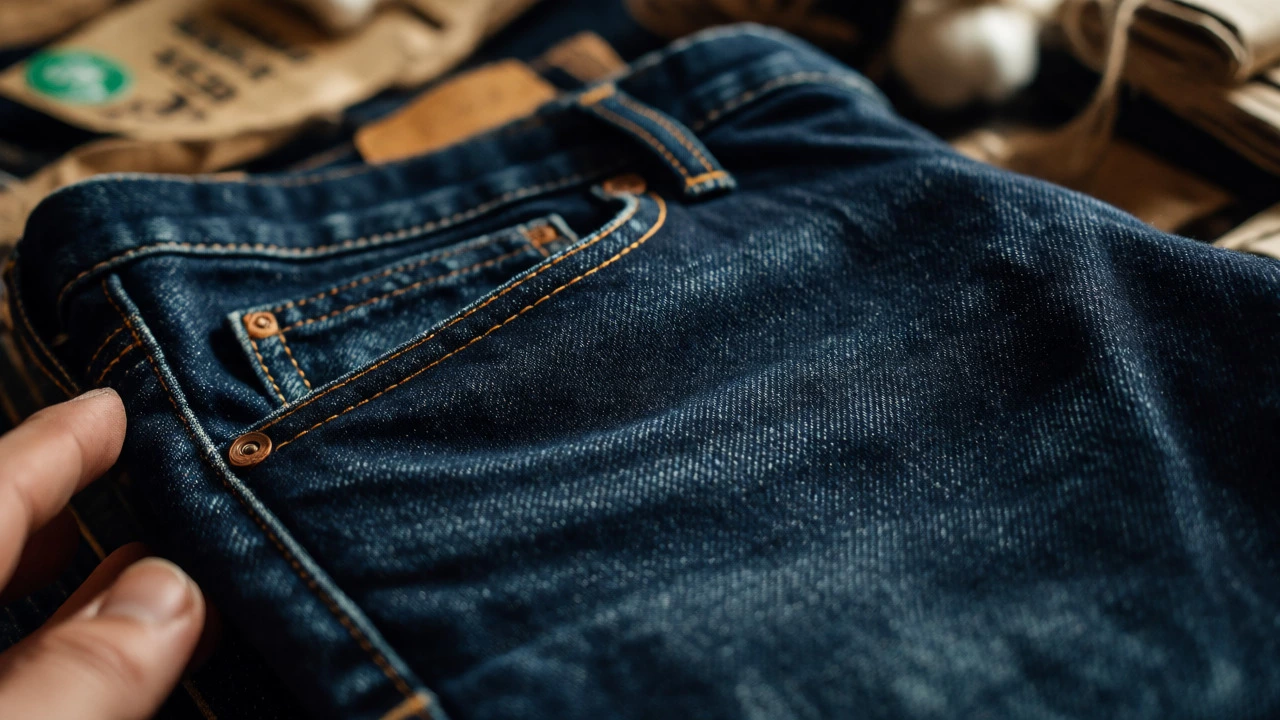
Let’s talk weight. Lightweight denim (under 10 oz) is great for summer, but it loses its structure quickly. In 2026, many shoppers are turning to raw denim, which is unwashed, untreated indigo denim that stiffens initially but softens uniquely to the wearer’s body over time. Raw denim fades beautifully, creating personalized creases and whiskers that tell the story of how you live. It requires patience-you might not wash them for months-but the payoff is a pair of jeans that fits you better than anything off the rack ever could.
Sustainability is no longer a niche concern; it’s a buying criterion. Look for brands utilizing organic cotton, recycled water systems, and laser finishing instead of heavy chemical stone-washing. Certifications like GOTS (Global Organic Textile Standard) or OEKO-TEX are becoming common tags on premium denim. Buying fewer, higher-quality pairs that last five years beats buying ten cheap pairs that fall apart in six months. It’s cheaper in the long run and kinder to the planet.
| Style | Best For | Vibe | Styling Tip |
|---|---|---|---|
| Wide-Leg | Comfort seekers, tall frames | Relaxed, Modern | Pair with fitted tops to balance volume. |
| Straight Leg | Everyone, Office wear | Clean, Classic | Works with both heels and flat sneakers. |
| Barrel/Balloon | Trend followers, Petite frames | Architectural, Edgy | Keep the top simple; let the jeans speak. |
| Skinny | Layering, Equestrian styles | Nostalgic, Functional | Wear under long dresses or oversized coats. |
| Bootcut | Hourglass figures, Western fans | Retro, Balanced | Perfect with cowboy boots or platform shoes. |
Colors and Finishes: Beyond Basic Blue
While classic indigo remains a staple, 2026 sees a broader palette entering the mainstream. Black denim is experiencing a resurgence, but not the shiny coated look of the early 2000s. Think matte black, deep charcoal, and even dark olive green. These darker shades act as neutrals, making them easy to integrate into existing wardrobes.
On the lighter end, ecru and cream jeans are trending hard. They offer a softer alternative to stark white, which can be unforgiving. Ecru pairs beautifully with earth tones-terracotta, sage, and beige-creating a cohesive, natural aesthetic. This aligns with the broader fashion movement towards "quiet luxury," where quality materials and subtle colors trump loud logos and bright dyes.
Distressing is also changing. Instead of pre-ripped knees that look artificial, consumers prefer minimal wear. A small fray at the hem or a subtle fade on the thigh feels authentic. Heavy bleaching and acid washes are largely out, replaced by cleaner, more uniform finishes that highlight the texture of the fabric itself.
How to Choose the Right Pair for Your Body Type
Trends are fun, but fit is personal. Don’t feel pressured to wear barrel-leg jeans if they don’t suit your proportions. Here’s a practical guide to matching the trend to your frame:
- Petite Frames: Avoid excessive volume at the ankle, which can swallow your height. Opt for a slight flare or a straight leg with a cropped length. High rises help elongate the torso.
- Tall Frames: You can pull off extreme wide-legs and floor-grazing hems. Long torsos benefit from mid-rise waists to break up the vertical line.
- Curvy/Hourglass: Bootcuts and straight legs balance wider hips. Avoid pockets that sit too low or too high, as they can distort your shape. Look for brands with dedicated curvy fits, which account for the difference between waist and hip measurements.
- Slim/Straight Build: You have the advantage here. Almost any cut works. Skinny jeans can still look chic on you, especially when styled with oversized layers.
Remember, the rise (waist height) matters as much as the leg cut. High-rise jeans support the core and smooth the midsection, while mid-rise offers a more relaxed feel. Low-rise is slowly creeping back, but it’s risky for everyday wear unless you’re confident in your midriff comfort level.
Where to Shop and What to Expect in Pricing
Demand for quality denim has pushed prices up. Fast fashion options still exist, but the sweet spot for durability and fit is shifting to mid-range brands. Expect to pay between $80 and $150 CAD for a solid pair from reputable makers like Madewell, Everlane, or Levi’s Premium line. These brands offer transparent supply chains and better fabric integrity.
For those willing to invest, heritage denim brands like Nudie Jeans or RRL offer raw selvedge options starting around $200 CAD. While expensive, these jeans can last a decade with proper care. On the budget side, thrift stores are goldmines. Vintage Levi’s 501s are ubiquitous and often cheaper than new equivalents, plus they already have that perfect broken-in feel.
When shopping online, always check the size chart. Sizing varies wildly between brands. A size 28 in one brand might be a 30 in another. Read reviews specifically mentioning shrinkage-some raw denims shrink up to 5% after the first wash. If possible, order two sizes and return the one that doesn’t fit. It saves the hassle of exchanges later.
Are skinny jeans completely out of style in 2026?
Not entirely. While they are no longer the dominant trend, skinny jeans remain relevant for specific uses, such as layering under long dresses, wearing with tall riding boots, or for individuals who prefer a streamlined silhouette. They are treated more as a functional garment or a retro statement piece rather than the default everyday pant.
What is the difference between wide-leg and barrel-leg jeans?
Wide-leg jeans have a consistent width from the hip down to the hem, hanging straight. Barrel-leg (or balloon) jeans curve outward at the thigh and taper inward toward the ankle, creating a rounded, voluminous shape in the middle that narrows at the bottom. Barrel legs offer a more structured, architectural look compared to the fluid drape of wide-legs.
How do I style wide-leg jeans so I don't look shorter?
The key is proportion. Pair wide-leg jeans with a fitted or cropped top to define your waistline. Alternatively, tuck a longer shirt fully into the jeans to maintain a continuous vertical line. Footwear matters too-pointed-toe shoes or heels that peek out from under the hem help elongate the leg, whereas bulky sneakers can cut off the visual flow.
Is raw denim worth the extra cost and effort?
If you value customization and longevity, yes. Raw denim starts stiff and fades uniquely to your body's movements, creating a personalized fit and appearance that pre-washed jeans cannot replicate. However, it requires a commitment to infrequent washing and a break-in period. If you prefer immediate comfort and low maintenance, pre-washed or stretch denim is a better choice.
What color jeans are most versatile for 2026?
Mid-blue and black are the most versatile. Mid-blue denim transitions easily from casual to smart-casual settings and pairs with virtually any color top. Black denim acts as a neutral, similar to trousers, and is ideal for evening wear or professional environments. Ecru/cream is trending but requires more careful styling to avoid looking washed out.