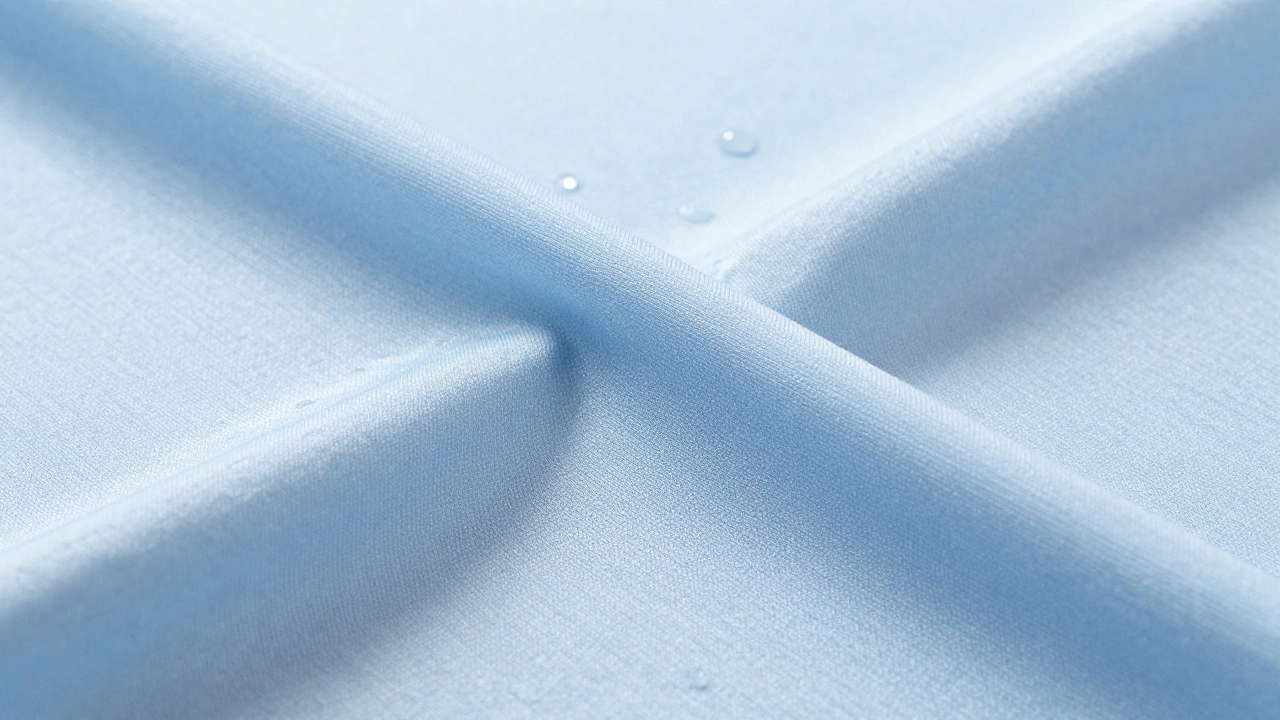
Sportswear Gear Finder
Not sure what to wear? Select your primary activity below to find the recommended gear, essential fabrics, and technical features you should look for.
Running
High impact, high sweat
Weightlifting
Strength & Stability
Yoga/Pilates
Flexibility & Flow
Winter Sports
Cold Weather
HIIT/Sprinting
Maximum Intensity
Athleisure
Casual Comfort
Activity Gear
Pro Tip:
Select an activity to see technical advice.
Quick Takeaways: Sportswear Essentials
- Performance Fabrics: Look for synthetic blends like polyester and spandex that wick moisture away from the skin.
- Purpose-Driven Design: Different sports require different gear (e.g., compression for recovery vs. loose fits for yoga).
- Footwear Integration: Shoes are the foundation of any sportswear kit and must match the specific activity.
- Layering: Proper gear includes base layers for sweat and outer shells for weather protection.
The Core Components of an Active Wardrobe
When we break down what comes under the sportswear umbrella, we have to start with the basics. You can't just throw on a cotton t-shirt and call it a workout. Cotton is a sponge; it absorbs sweat, gets heavy, and chafes your skin. True athletic apparel relies on Polyester, a synthetic polymer that is prized for its durability and quick-drying properties.Most modern gear blends polyester with Spandex (also known as Elastane). This is what gives your leggings that "four-way stretch," allowing you to move in any direction without the fabric restricting your joints. If you're shopping for a gym kit, you'll typically see these three categories:
- Tops: This includes moisture-wicking t-shirts, tank tops, and long-sleeve compression shirts. These are designed to move sweat to the surface of the fabric where it can evaporate.
- Bottoms: Think gym shorts, leggings, joggers, and compression tights. The key here is the waistband-it needs to stay put during high-intensity movements.
- Support Gear: This covers sports bras, which provide the necessary lift and stability to prevent ligament strain during jumping or running.
Categorizing Sportswear by Activity
Not all activewear is created equal. A marathon runner and a weightlifter have completely different needs. If you wear the wrong gear, you're not just uncomfortable-you're risking injury.For high-impact activities like sprinting or HIIT, Compression Clothing is the gold standard. These garments apply gentle pressure to the muscles, which is believed to increase blood flow and reduce muscle oscillation. This is why you see professional athletes wearing tight sleeves or tights even in warm weather; it helps keep the muscles warm and reduces soreness after the workout.
On the flip side, low-impact activities like Yoga require a different approach. Here, the focus is on breathability and a "second-skin" feel. The fabric needs to be opaque (no "see-through" moments during a downward dog) and seamless to avoid irritation.
| Activity | Primary Goal | Key Fabric/Feature | Typical Pieces |
|---|---|---|---|
| Running | Moisture management & Visibility | Lightweight Polyester / Reflective strips | Running shorts, breathable tees |
| Weightlifting | Durability & Range of Motion | Heavy-duty Nylon / Reinforced seams | Compression tights, oversized tees |
| Yoga/Pilates | Flexibility & Comfort | Nylon-Spandex blends / Seamless knit | High-waisted leggings, sports bras |
| Winter Sports | Thermoregulation | Merino Wool / Gore-Tex | Base layers, thermal jackets |
The Role of Specialized Footwear
You can't talk about sportswear without mentioning the shoes. Footwear is where the science of sports gear really shines. A common mistake is wearing a general "lifestyle" sneaker for a specific sport. For example, using a running shoe for heavy squats is a recipe for instability because running shoes have a compressed foam heel designed for forward motion, not vertical stability.Training Shoes are built with a flatter sole and lateral support, making them ideal for side-to-side movements in a gym. Then you have specialized gear like cleats for soccer or turf shoes for artificial grass, which provide the grip necessary to change direction instantly without slipping.
Don't forget the socks. In the world of sportswear, socks aren't just accessories; they're equipment. Performance socks often use a mix of Merino wool or synthetic fibers to prevent blisters and manage moisture, keeping the foot dry to avoid fungal infections or skin irritation during long sessions.
Outerwear and Environmental Protection
Sportswear isn't just for the gym; it extends to the great outdoors. When the temperature drops, the strategy shifts to layering. This is usually broken down into three distinct stages:First is the base layer. This is a tight-fitting garment that sits directly against the skin. Its job is to wick sweat away so you don't get a "chill" when you stop moving. Many people choose Merino Wool for this because it naturally resists odors and stays warm even when wet.
Next is the mid-layer, which provides insulation. This could be a fleece jacket or a light puffer. The goal here is to trap warm air close to the body.
Finally, there's the outer shell. This is where Gore-Tex and similar waterproof membranes come into play. These fabrics are engineered to be waterproof (keeping rain out) while remaining breathable (letting sweat vapor escape). Without this balance, you'd end up soaked from the inside out despite wearing a "waterproof" jacket.
The Rise of Athleisure
We can't ignore the fact that sportswear has leaked into our everyday lives. This trend, known as Athleisure, describes clothing designed for workouts but worn for general use. Think of the high-end joggers you wear to the grocery store or the leggings you pair with a blazer.While athleisure looks like sportswear, there's often a difference in construction. True performance gear is built for stress-high friction, heavy sweat, and extreme stretching. Athleisure focuses more on aesthetics and a soft hand-feel. If you try to run a 10k in "fashion" leggings, you might find they slide down or lack the support needed for high-impact movement.
Knowing the difference helps you spend your money wisely. Buy performance gear for the gym to protect your skin and muscles, and save the athleisure for your coffee dates.
Common Pitfalls When Choosing Sportswear
It's easy to get dazzled by branding, but the best gear is the stuff that disappears while you're using it. If you're constantly adjusting your waistband or pulling up your socks, your gear is failing.One big mistake is ignoring the "seam's' role. Look for "flat-lock seams." These are sewn flat against the fabric rather than protruding. In a marathon or a long hike, a standard raised seam acts like sandpaper against your skin, leading to painful chafing.
Another error is overestimating the need for "compression." While compression gear is great for recovery or specific medical needs, wearing it 24/7 or using it for low-intensity walks can actually be restrictive and unnecessary. Match the level of compression to the intensity of the workout.
Is cotton considered sportswear?
Generally, no. While you can wear cotton to a casual walk, it isn't technical sportswear. Cotton absorbs water and holds onto it, which makes the clothes heavy, causes chafing, and can lead to chills in cold weather. True sportswear uses synthetic fibers like polyester or nylon that wick moisture away from the skin.
What is the difference between activewear and sportswear?
The terms are often used interchangeably, but 'sportswear' traditionally refers to clothing designed for specific athletic competitions or sports. 'Activewear' is a broader term that includes gym clothes, yoga gear, and general clothing for an active lifestyle, including athleisure.
Do I really need specialized sports bras?
Yes, especially for high-impact activities. A standard bra isn't designed to handle the vertical and horizontal movement of the breasts during running or jumping. Sports bras use reinforced straps and compression fabrics to minimize movement, which prevents pain and protects the Cooper's ligaments in the chest.
What are the best fabrics for gym clothes?
Polyester is the go-to for durability and moisture-wicking. Spandex (Lycra) is essential for stretch and shape retention. Nylon is great for a more durable, slightly softer feel in leggings. For natural options, Merino wool is excellent for temperature regulation and odor resistance.
How often should I replace my sportswear?
The most critical items to replace are shoes and sports bras. Running shoes usually lose their cushioning after 300-500 miles. Sports bras lose their elasticity over time; if you notice the band loosening or the support fading, it's time for a new one, typically every 6-12 months of regular use.
Next Steps for Your Gear Upgrade
If you're looking to overhaul your kit, don't buy everything at once. Start with your foundation: a pair of shoes that actually match your foot type and the activity you do most. Then, move to a few high-quality moisture-wicking tops and bottoms.For those moving into outdoor sports, focus on the layering system. Invest in one great base layer and one reliable waterproof shell. You'll find that having a few versatile, high-tech pieces is much better than having a closet full of cheap, non-functional "gym looks."