Sportswear vs Activewear Decision Tool
Select your primary activity to get personalized recommendations
You’ve probably stood in front of your closet or scrolled through an online store wondering why some clothes are labeled sportswear while others are called activewear. They look similar. You can sweat in both. But if you’re buying gear for a specific purpose-like running a marathon versus doing yoga at home-the distinction matters more than you might think.
The short answer? Sportswear is built for performance under pressure. Activewear is designed for movement and lifestyle comfort. One has rules; the other has vibes. Let’s break down exactly what that means so you stop wasting money on gear that doesn’t fit your actual routine.
The Core Definition: Performance vs. Lifestyle
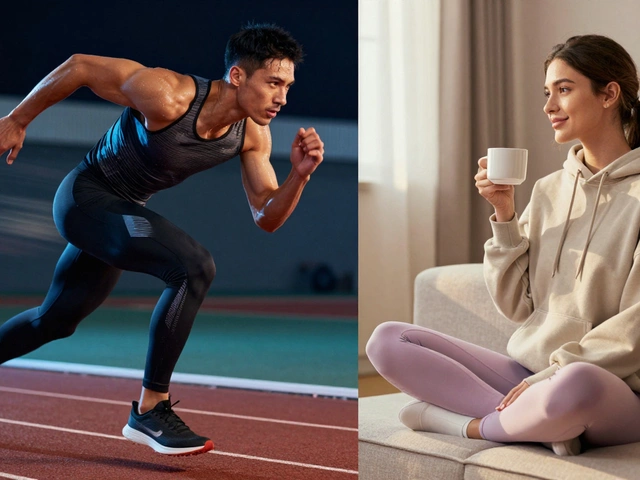
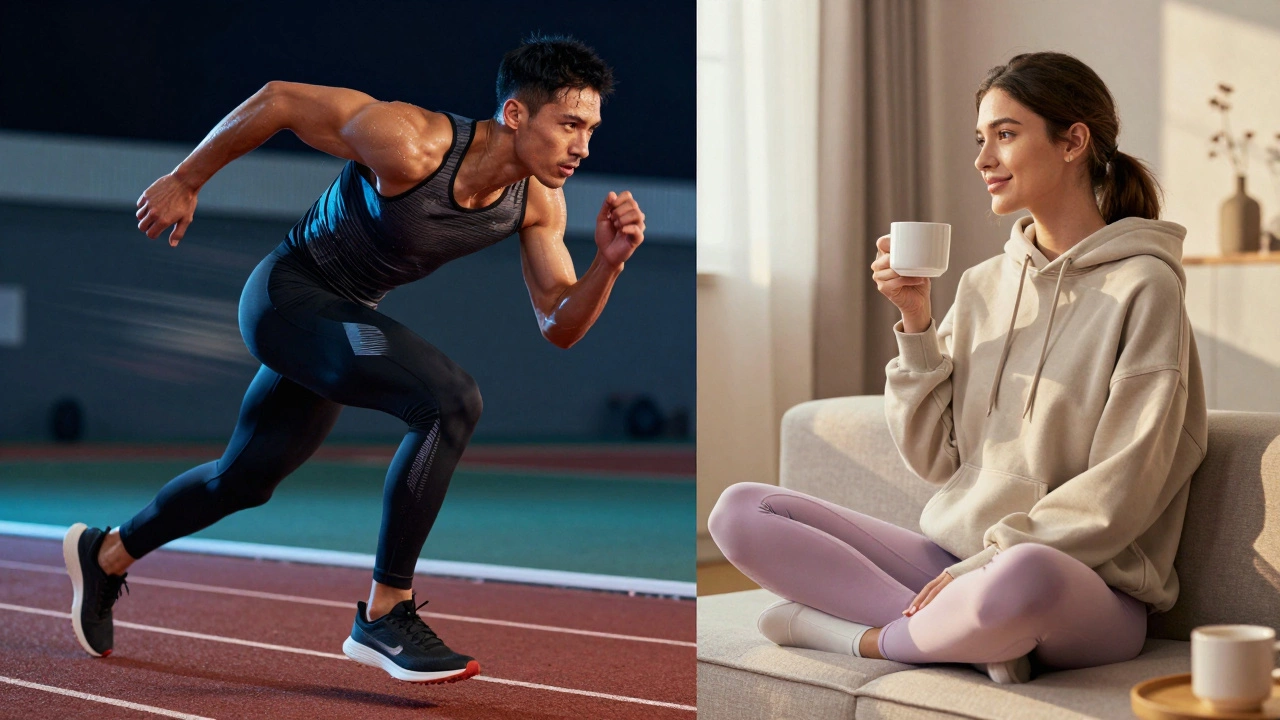
To understand the split, we need to look at intent. Sportswear, as defined by major textile standards, refers to clothing engineered specifically for athletic competition or high-intensity training. It prioritizes function over form. Think moisture-wicking fabrics, compression panels, reinforced stitching, and aerodynamic cuts. If you’re playing soccer, lifting heavy weights, or sprinting on a track, sportswear keeps you safe, dry, and efficient.
Activewear, on the other hand, bridges the gap between athletic function and everyday fashion. It’s meant for low-to-moderate activity levels-like walking the dog, doing light stretching, or grabbing coffee after a workout. The focus here is on versatility. Can you wear these leggings to the grocery store without looking like you just finished a CrossFit session? If yes, it’s likely activewear.
Fabric Technology: The Hidden Differentiator
The biggest difference isn’t visual-it’s technical. Sportswear relies on advanced textile engineering. Brands like Nike, Adidas, and Under Armour invest heavily in proprietary fabrics.
- Moisture Management: Sportswear uses hydrophobic materials (like polyester blends with Dri-FIT technology) to pull sweat away from the skin rapidly. This prevents chafing during intense exertion.
- Compression: Many sports jerseys and tights offer graduated compression to improve blood flow and reduce muscle vibration. This is critical for recovery and performance but unnecessary for casual wear.
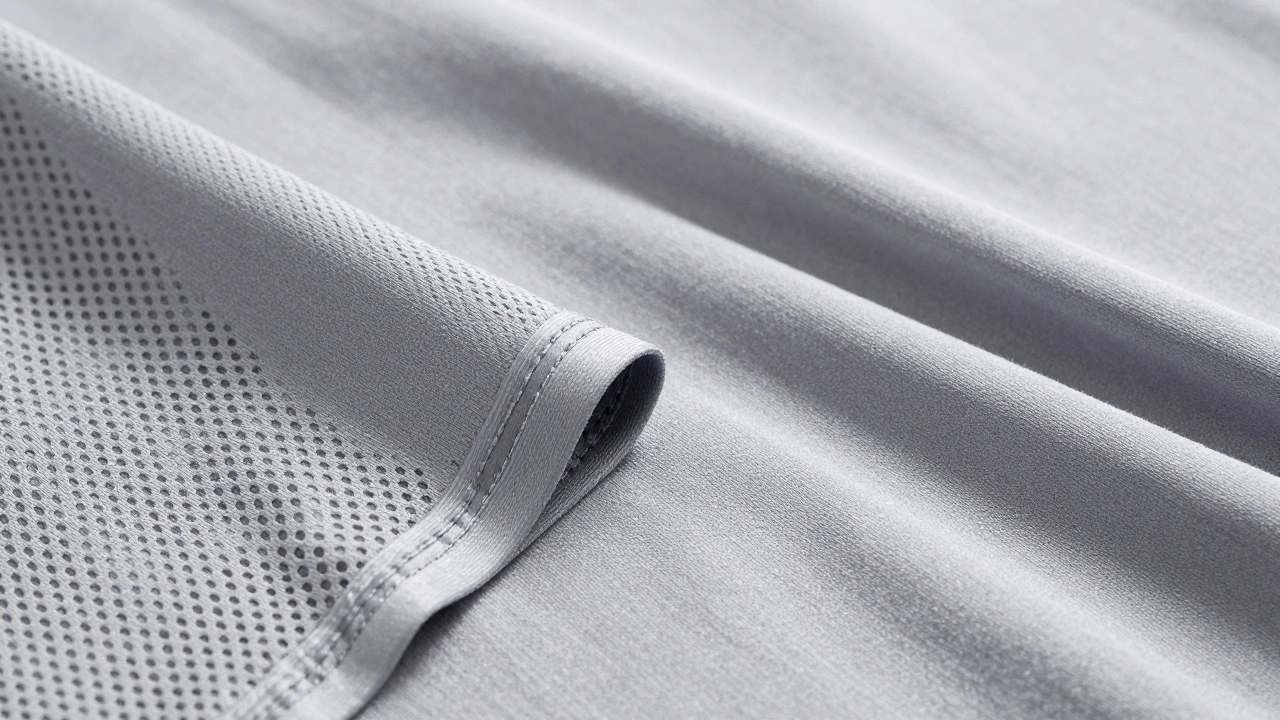
- Durability: Sportswear must withstand repeated machine washing, friction from equipment, and extreme stretching. The seams are often flat-locked to prevent irritation during repetitive motions.
Activewear fabrics are softer and more forgiving. They often use cotton blends, modal, or lightweight elastane mixes that feel comfortable against the skin but don’t offer the same level of thermal regulation or support. You won’t find complex zoning or strategic ventilation in most activewear pieces because they aren’t needed for low-intensity activities.
Design Aesthetics: Rules vs. Freedom
If you watch professional sports, you’ll notice strict uniform codes. Sportswear adheres to these regulations. Colors, logos, and even fabric opacity are often dictated by governing bodies like FIFA, the NBA, or the IOC. There’s little room for personal expression within team uniforms. Individual athlete apparel still follows functional design principles-minimalist, streamlined, and focused on reducing drag or heat retention.
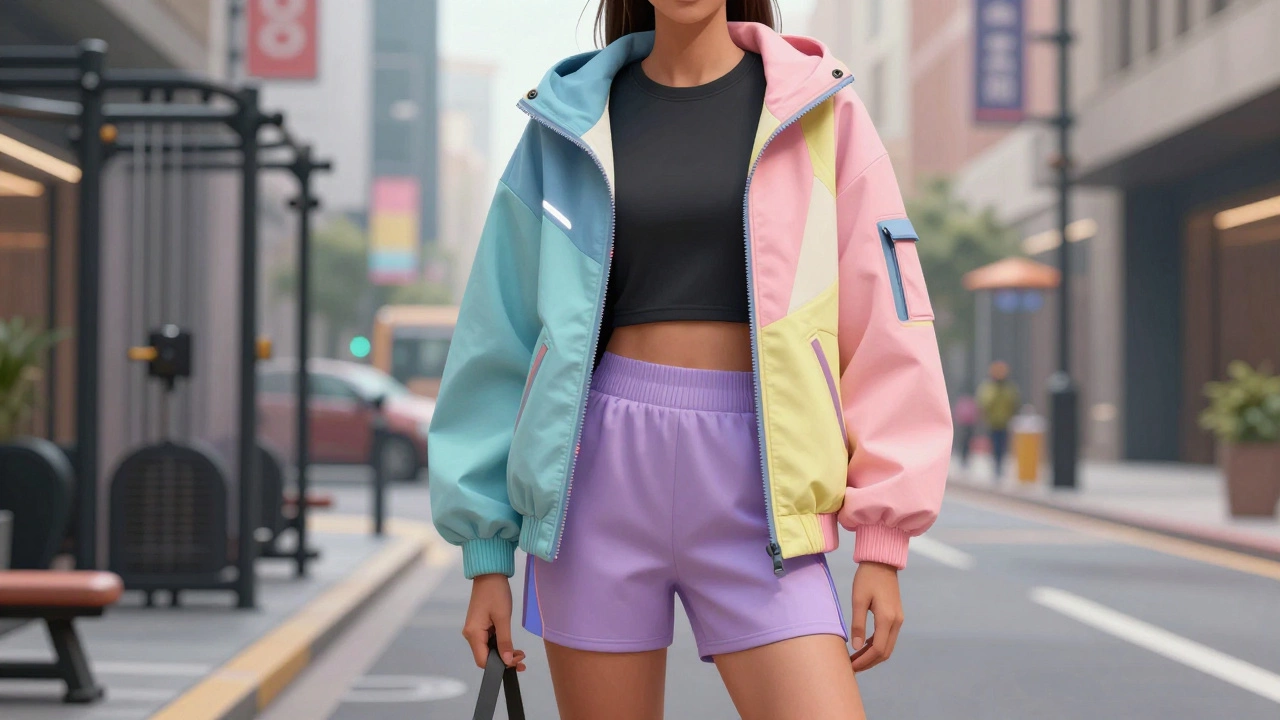
Activewear embraces individuality. It’s part of the “athleisure” trend that exploded in the 2010s and continues to dominate retail shelves in 2026. You’ll see bold prints, oversized silhouettes, crop tops, and statement colors. Designers prioritize how the outfit looks in photos or social media posts rather than how it performs on a field. The line between gym clothes and streetwear has blurred significantly, thanks to brands like Lululemon, Alo Yoga, and Gymshark.
Price Points and Value Proposition
Because sportswear involves higher R&D costs and specialized manufacturing, it typically commands a premium price. A pair of high-performance running shorts might cost $80-$120 due to features like laser-cut vents, anti-chafe liners, and reflective elements for night visibility.
Activewear is generally more affordable. Mass-market retailers like Old Navy, H&M, and Uniqlo offer stylish options for $30-$60. Even premium activewear brands often price their items lower than equivalent performance gear because the material requirements are less stringent. However, this gap is narrowing as consumers demand better quality in everyday wear.
| Feature | Sportswear | Activewear |
|---|---|---|
| Primary Purpose | High-intensity exercise & competition | Low-intensity activity & casual wear |
| Fabric Focus | Moisture-wicking, compression, durability | Comfort, softness, stretch |
| Design Constraints | Regulated by sports organizations | Driven by fashion trends |
| Typical Price Range | $50 - $150+ | $20 - $80 |
| Best For | Running, team sports, weightlifting | Yoga, walking, errands, lounging |
When to Choose Which?
Your choice should depend on your activity level and goals. Here’s a quick guide:
- Choose Sportswear If: You’re participating in competitive sports, training for endurance events, or engaging in activities where sweat management and muscle support are critical. Examples: marathon running, basketball games, HIIT workouts, cycling.
- Choose Activewear If: You’re doing light exercise, practicing mindfulness-based movements, or want clothes that transition easily from the gym to daily life. Examples: Pilates, gentle yoga, brisk walks, working from home in comfy attire.
A common mistake people make is wearing activewear for intense workouts. Cotton-heavy leggings may pill, lose shape, or trap sweat, leading to discomfort or even rashes. Conversely, wearing highly technical sportswear to a casual brunch can feel overly rigid and uncomfortable since those garments are designed to hug the body tightly for performance reasons.
The Rise of Hybrid Gear
In 2026, the lines are blurring further. Many brands now produce “hybrid” collections that combine performance fabrics with fashionable designs. For instance, a pair of leggings might have four-way stretch and sweat-wicking properties (sportswear traits) but come in pastel colors with trendy side pockets (activewear aesthetics).
This convergence benefits consumers who want flexibility. You no longer need separate wardrobes for different parts of your day. However, it also creates confusion. Always check the product description for keywords like “performance,” “compression,” or “moisture-wicking” if you need true sportswear functionality. Look for terms like “lifestyle,” “everyday,” or “soft-touch” if you prefer activewear comfort.
Care and Longevity Considerations
How you care for your clothes affects their lifespan-and this differs between categories. Sportswear requires careful handling. Avoid fabric softeners, which clog the pores of technical fabrics and reduce breathability. Wash inside out in cold water to preserve elasticity and print integrity. Hang dry whenever possible to maintain shape.
Activewear is more forgiving. Most pieces can be tossed in the wash with regular laundry and tumble dried on low heat. While following care instructions is always best, occasional lapses won’t ruin the garment as quickly as they would with high-tech sportswear.
Environmental Impact
Both categories face scrutiny regarding sustainability. Traditional sportswear relies heavily on synthetic fibers like polyester and nylon, derived from petroleum. These materials shed microplastics during washing, contributing to ocean pollution. Some brands are responding with recycled ocean plastics or bio-based alternatives.
Activewear often uses organic cotton or bamboo viscose, which are biodegradable but require significant water resources to grow. The fast-fashion nature of many activewear lines leads to rapid disposal cycles. Consumers increasingly seek transparent supply chains and durable products regardless of category. Investing in fewer, higher-quality pieces-whether sportswear or activewear-is becoming the smarter long-term strategy.
Can I wear activewear for intense workouts?
Technically yes, but it’s not ideal. Activewear lacks the moisture-wicking and compression features needed for high-sweat activities. You might experience discomfort, chafing, or overheating. Stick to sportswear for anything above moderate intensity.
Is sportswear suitable for everyday wear?
It depends on the style. Minimalist black or navy sportswear can blend into casual outfits, but bright, logo-heavy pieces may look out of place in professional settings. Also, sportswear fabrics can feel restrictive if worn all day without physical activity.
Why is sportswear usually more expensive?
Sportswear involves costly research and development for performance-enhancing fabrics, ergonomic designs, and rigorous testing. Manufacturing processes are also more complex, requiring specialized machinery and quality control measures.
What’s the best fabric for hot weather workouts?
Look for lightweight, breathable synthetics like polyester or nylon with mesh panels. Avoid cotton, which retains moisture and makes you feel heavier. Natural fibers like merino wool are also excellent for temperature regulation in extreme conditions.
Do I need different shoes for sportswear vs activewear?
Yes. Sportswear pairs with performance footwear designed for specific activities (running, court sports, etc.). Activewear works well with versatile sneakers or even slip-ons, depending on the occasion. Matching shoe type to activity ensures proper support and injury prevention.
Are there gender-specific differences in sportswear?
Historically, yes-but modern brands increasingly offer unisex options. Men’s sportswear tends to focus on loose fits and ventilation, while women’s often includes supportive bras and tailored cuts. However, performance needs transcend gender, so choose based on fit and function rather than traditional norms.
How do I know if my old sportswear is still effective?
Check for stretched-out elastic bands, faded prints, thinning fabric, or loss of compression. If the garment no longer feels snug or wicks moisture properly, it’s time to replace it. Worn-out sportswear can compromise safety and performance.
Can I mix sportswear and activewear in one outfit?
Absolutely. Many people pair a technical sports bra with stylish activewear leggings or vice versa. Just ensure the pieces complement each other in terms of fit and color. Mixing allows you to balance performance needs with personal style preferences.
What brands specialize in each category?
Top sportswear brands include Nike, Adidas, Under Armour, and Puma. Leading activewear labels feature Lululemon, Alo Yoga, Gymshark, and Fabletics. Note that many companies now operate across both segments, offering hybrid lines.
Does price guarantee better performance?
Not necessarily. Higher prices often reflect brand prestige or marketing costs. Focus on reading reviews, checking fabric compositions, and trying items on for fit. Sometimes mid-range options deliver equal or superior performance compared to luxury counterparts.