Formal Evening Wear: What It Is, When to Wear It, and How to Get It Right
When you hear formal evening wear, a category of clothing designed for events after 6 p.m. that demand elegance, precision, and often, tradition. Also known as evening gown attire, it’s not just a dress—it’s a statement of respect for the occasion, the host, and yourself. This isn’t about flashy outfits or trends. It’s about knowing the rules so you can wear them with confidence, not worry.
evening dress, a specific type of formal evening wear, typically floor-length and made from rich fabrics like silk, velvet, or satin. It’s distinct from a cocktail dress, which stops above the knee and works for less strict events. An evening dress isn’t just long—it’s structured, often with subtle details like beading, draping, or a tailored silhouette that moves with you, not against you. You won’t find polyester blends or cheap sequins in true formal evening wear. The best pieces are made to last, not just for one night, but for years of special moments. That’s why handmade designs matter. Off-the-rack gowns often sacrifice fit for speed. Handmade pieces are built around your body, not the other way around. A well-fitted evening dress doesn’t just look better—it feels better. You won’t be adjusting straps, tugging fabric, or wishing you’d chosen something else.
What makes formal evening wear work isn’t just the dress. It’s the dress code, the unspoken guide that tells you what’s appropriate for black-tie, white-tie, or garden galas. Formal attire means something different at a charity gala than it does at a wedding in the countryside. You need to know the difference between a ballgown and a sheath, between opera gloves and bare arms. The right choice doesn’t scream for attention—it earns it quietly. And that’s where local craftsmanship shines. Handmade designs in Elgin don’t follow mass trends. They follow real people, real bodies, and real events. You won’t find the same gown on ten others. You’ll find one that fits your story.
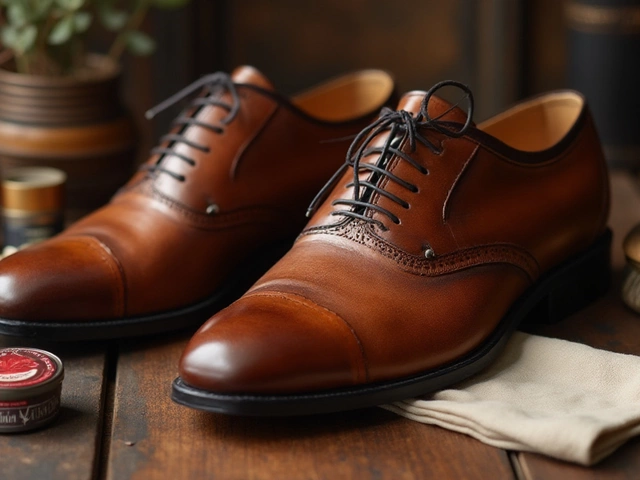
And it’s not just about women’s wear. Formal evening wear includes tailored tuxedos, silk vests, and elegant footwear designed to match—not compete. The best outfits are complete. Shoes matter. So do accessories. But they should never overpower the piece. That’s why the most respected formal wear is simple, intentional, and made to last. No cheap clasps. No flimsy lining. No synthetic fabrics that trap heat and sweat. Just quality you can feel.
Whether you’re attending your first black-tie event or you’ve worn evening wear for decades, the goal is the same: to feel like yourself, just elevated. The right piece doesn’t change who you are—it lets you show up fully. And that’s why the collection below includes real, practical guides on what makes an evening dress work, how to style it without overdoing it, and why handmade matters more than brand names. You’ll find answers to questions you didn’t even know to ask. No fluff. Just what you need to walk into any formal event and know you got it right.
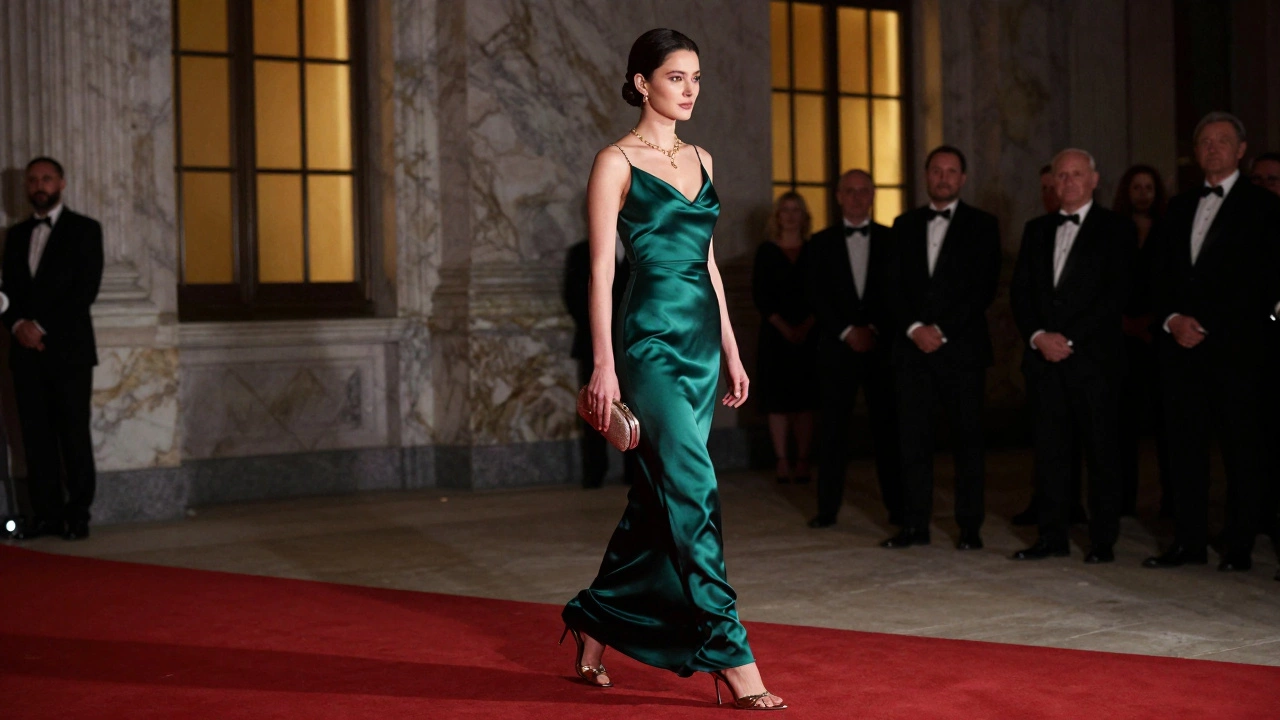
What Is the Evening Attire Dress Code? A Simple Guide to Dressing Right for Night Events
Learn what evening attire really means with clear, practical guidance for formal, semi-formal, and creative evening events. No guesswork - just what to wear and what to avoid.
Recent-posts

Is 50 Too Old to Wear Ripped Jeans? Real Talk on Style After 50
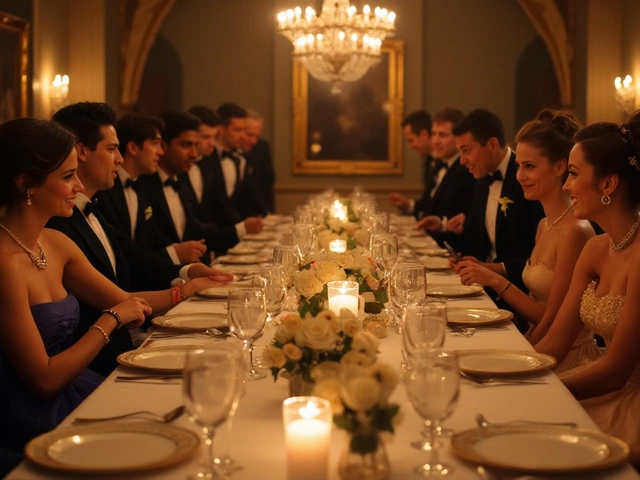
Understanding Evening Dinner Dress Code: A Complete Guide

Lululemon's High Price: The Real Reasons Behind the Cost of Premium Sportswear
What Is the Highest Quality Material for T-Shirts?