Sportswear vs. Active Sportswear Selector
Not sure if you need the $90 leggings or the $40 ones? Select your primary use case below to get a tailored recommendation.
Casual & Leisure
Walking, stretching, yoga, running errands, or lounging. Comfort is key.
Intense Training
HIIT, running, cycling, team sports, or heavy sweating sessions.
Athleisure Mix
Light gym sessions followed by coffee/errands. Style matters too.
Recommendation:
Why this choice?
Key Features to Look For
Care Instructions
Fabric Checklist
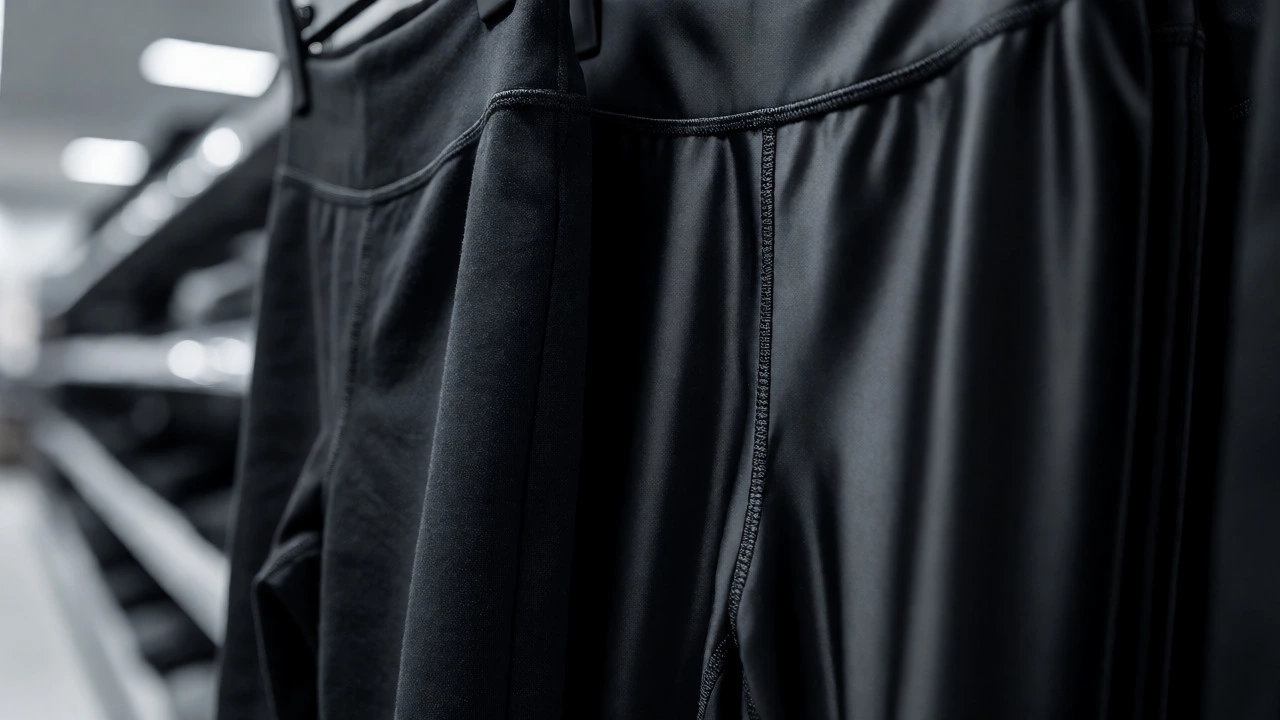
You’re standing in the store aisle, holding two similar-looking pairs of leggings. One is labeled "Sportswear," the other "Active Sportswear." They look identical to the naked eye, but one costs $40 and the other costs $90. Why? Is it just marketing fluff, or does that extra fifty bucks actually buy you better sweat-wicking technology?
This confusion is everywhere right now. The line between clothes you wear to the gym and clothes you wear to brunch has blurred so much that most people assume they are the same thing. But if you’re trying to build a functional wardrobe-or just want your running shorts to last more than three washes-you need to understand the distinction. It’s not about brand names; it’s about engineering.
The Core Difference: Function vs. Fashion
At its simplest level, Sportswear is a broad category encompassing all clothing designed for physical activity, while Active Sportswear (often called Activewear) refers specifically to technical garments engineered for high-intensity performance and physiological regulation. Think of it like this: Sportswear is the umbrella term. Active Sportswear is the specialized tool under that umbrella.
Traditional sportswear often prioritizes durability, comfort, and style over pure performance metrics. You might wear these pieces for light yoga, walking the dog, or looking athletic at a coffee shop. Active sportswear, on the other hand, is built with specific fabrics and cuts intended to handle heavy sweating, rapid movement, and temperature fluctuations during rigorous exercise.
If you buy standard cotton-blend joggers for a HIIT class, you’ll end up soaked, heavy, and chafed within ten minutes. That’s because those joggers are likely general sportswear. If you buy moisture-wicking compression tights, you stay dry and supported. Those are active sportswear. The difference isn’t just in the tag; it’s in how the fabric interacts with your body heat.
Material Science: What’s Actually in Your Clothes?
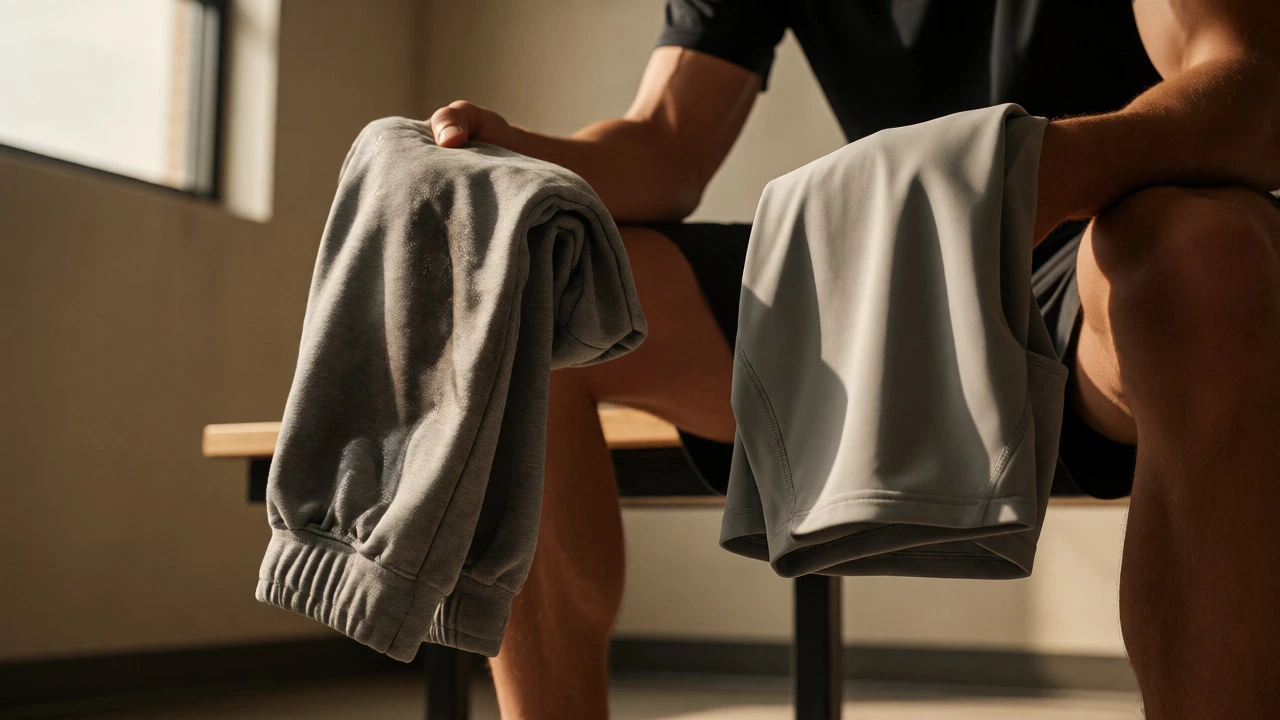
To really get why these categories differ, you have to look at the fibers. Standard sportswear frequently uses natural fibers like cotton or basic polyester blends. Cotton feels great against the skin and breathes well when you’re sitting still. But cotton absorbs water. Once it gets wet, it stays wet. It doesn’t move sweat away from your skin; it holds it there. This leads to that cold, clammy feeling after a workout.
Active sportswear relies heavily on synthetic technical fabrics. We’re talking about materials like:
- Polyester: Lightweight, durable, and quick-drying.
- Nylon: Stronger than polyester, often used in outer layers for wind resistance.
- Elastane (Spandex/Lycra): Provides stretch and recovery, crucial for freedom of movement.
- Merino Wool: A natural fiber that regulates temperature and resists odor, often found in high-end active base layers.
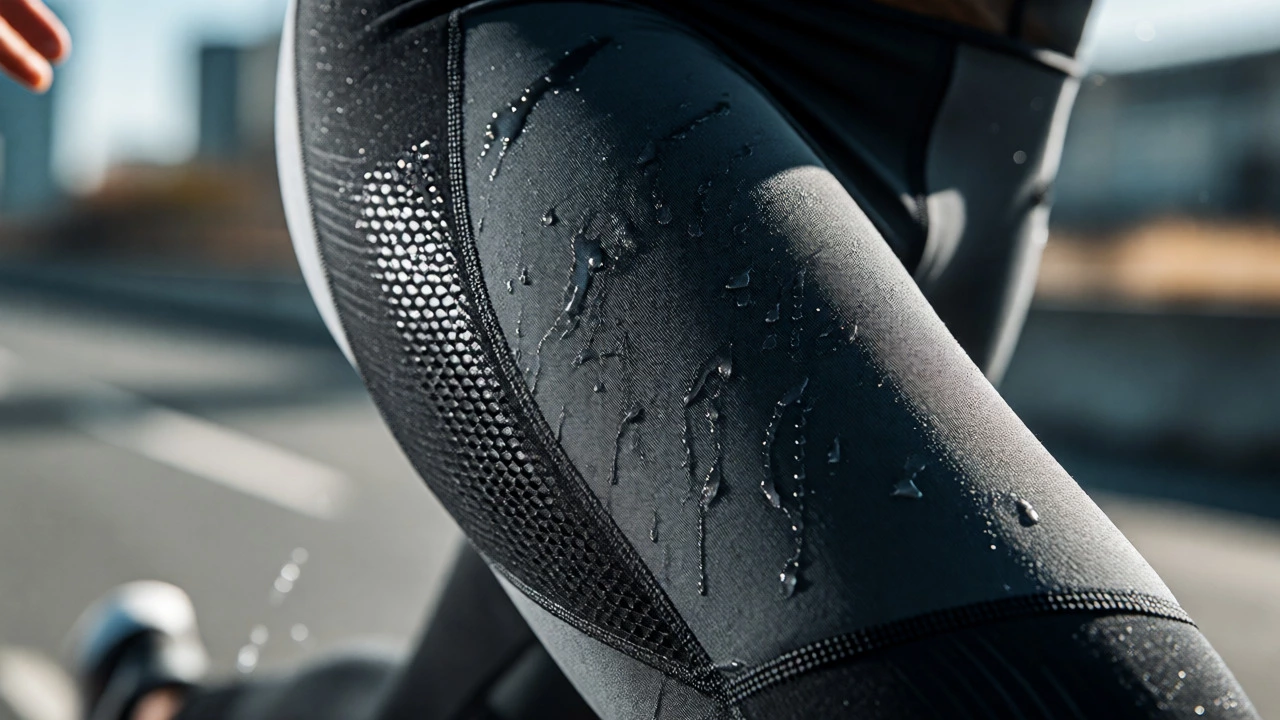
These synthetics are often treated with hydrophilic finishes. This means the inside of the fabric pulls sweat away from your skin, spreading it across the surface area where it can evaporate quickly. This process, known as wicking, is non-negotiable for serious training. General sportswear rarely invests in this level of chemical treatment because it drives up production costs without adding value for casual wearers.
Design and Construction Features
Have you ever noticed that some gym shirts fall apart at the seams after a few months, while others hold up for years? That’s construction quality. Active sportswear utilizes flatlock stitching. This technique joins panels of fabric together with a smooth seam that lies flat against the skin. It prevents chafing, which is a major issue when you’re moving repetitively, like in running or cycling.
General sportswear often uses traditional lockstitch seams. These are bulky and raised. For a casual walk, you won’t notice them. For a marathon, they will rub raw patches into your thighs or underarms. Furthermore, active sportswear incorporates ergonomic design patterns. Garments are cut on the bias or shaped to follow muscle groups, reducing drag and allowing full range of motion without excess fabric bunching up.
Ventilation zones are another giveaway. High-performance active wear often features laser-cut perforations or mesh inserts in high-heat areas like the back, underarms, and knees. These aren’t just aesthetic choices; they are strategic cooling vents placed based on thermal mapping studies of human bodies during exercise. Standard sportswear might have a mesh pocket, but it rarely has engineered airflow channels.
| Feature | General Sportswear | Active Sportswear |
|---|---|---|
| Primary Fabric | Cotton, Basic Polyester, Fleece | Technical Synthetics, Merino, Blends |
| Moisture Management | Absorbs sweat (gets heavy) | Wicks sweat (dries fast) |
| Stitching Type | Standard Lockstitch | Flatlock or Bonded Seams |
| Fit & Cut | Relaxed, Loose, Stylish | Compression, Ergonomic, Snug |
| Best Use Case | Leisure, Light Activity, Lounge | High-Intensity Training, Running, Sports |
| Price Range | $ - $$ | $$ - $$$ |
When to Choose Which Category
So, do you need to spend big money on every piece of gym clothing? Not necessarily. It depends entirely on your activity level. Let’s break down scenarios to help you decide.
Choose General Sportswear if:
- You are doing low-impact activities like stretching, restorative yoga, or leisurely walking.
- You prioritize comfort and softness over performance metrics.
- You plan to wear the item outside the gym (e.g., running errands).
- Budget is a primary concern and you don’t mind replacing items more frequently.
Choose Active Sportswear if:
- You engage in high-intensity interval training (HIIT), running, cycling, or team sports.
- You sweat heavily and dislike the feeling of damp, heavy fabric clinging to your skin.
- You require support, such as compression for muscle stability or joint protection.
- You train outdoors in variable weather conditions where temperature regulation matters.
Consider the concept of "Athleisure." This trend popularized wearing sportswear as everyday fashion. While athleisure looks great, many athleisure pieces are technically general sportswear dressed up with sleek logos and tapered fits. Don’t be fooled by the look. If you try to run a 5K in stylish athleisure joggers made of thick cotton-blend fleece, you’ll regret it. Save those for the post-workout smoothie.
Longevity and Care Instructions
There’s a hidden cost factor here: durability. Because active sportswear uses finer, lighter synthetic threads, it requires different care than rugged general sportswear. Technical fabrics can degrade if washed incorrectly. Heat kills elasticity. If you throw your expensive compression tights in a hot dryer, the elastane fibers break down, and the garment loses its shape and support.
General sportswear, especially cotton-heavy items, is often more forgiving. You can toss them in with regular laundry, use hot water, and tumble dry them without much consequence. However, they fade faster and lose their structural integrity sooner. Active sportswear lasts longer *if* you treat it right. Wash in cold water, skip the fabric softener (it clogs the wicking pores), and air dry. Following these rules extends the life of technical gear significantly, making the higher upfront cost worthwhile over time.
The Role of Technology in Modern Gear
Innovation is constantly shifting the boundary between these two categories. We are seeing more hybrid fabrics enter the market. For example, some brands now weave copper-infused threads into general sportswear for antimicrobial properties, blurring the line further. Others use recycled ocean plastics to create high-performance nylon that looks like casual streetwear.
Smart textiles are also emerging. Imagine a shirt that changes color when you overheat or leggings that track your muscle activation via embedded sensors. These are currently niche and expensive, mostly falling under premium active sportswear. As these technologies become cheaper, we might see "smart" features trickle down into general sportswear, eventually making the old distinction obsolete. But for now, in 2026, the divide remains clear: if it helps you perform better physically, it’s active sportswear. If it just makes you look ready to work out, it’s general sportswear.
Frequently Asked Questions
Can I wear active sportswear casually?
Yes, absolutely. Many people prefer the comfort and fit of active sportswear for daily activities. However, keep in mind that technical fabrics can sometimes feel slippery or clingy compared to soft cotton, and they may show sweat marks more visibly than opaque cotton blends.
Is expensive sportswear always better quality?
Not necessarily. Price often reflects branding and marketing rather than pure material quality. Some mid-range brands offer excellent technical specs comparable to luxury labels. Always check the fabric composition label and stitching details rather than relying solely on the price tag or logo.
Why does my cotton gym shirt smell worse than my synthetic one?
Cotton absorbs sweat and provides a breeding ground for bacteria that cause odor. Synthetic active sportswear wicks moisture away, keeping the skin drier and inhibiting bacterial growth. Additionally, many modern synthetic fabrics include antimicrobial treatments specifically designed to reduce smell.
Do I need compression gear for weightlifting?
It depends on your goals. Compression gear can improve blood flow and reduce muscle oscillation, potentially aiding recovery and performance. However, for pure strength lifting, unrestricted movement is often preferred. Many lifters choose loose-fitting general sportswear for squatting and deadlifting, switching to active wear for cardio sessions.
How do I know if a product is truly active sportswear?
Look for specific keywords on the label such as "moisture-wicking," "quick-dry," "four-way stretch," or "anti-odor." Check the fabric content for high percentages of polyester, nylon, or spandex. Avoid products that are primarily cotton unless they are explicitly marketed as blended performance cotton.