Pick Stitching Decision Tool
Answer the questions below to determine if pick stitching is right for your next suit order.
Recommendation
Fill out the form and click "Analyze" to see your recommendation.
Visual Concept Preview:
You’ve picked the fabric. You’ve chosen the cut. You’re sitting across from your tailor, and they drop a question that stops you cold: "Do you want pick stitching on the lapels?" If you’re like most guys, you nod because it sounds fancy, or you say no because you don’t know what it actually does. Here’s the truth: pick stitching is not just decoration; it’s a signal of how your suit was made and who will notice it.
This isn’t about whether it makes you look "better" in a vacuum. It’s about context. Does it fit your lifestyle? Will it clash with your other clothes? And honestly, is it worth the extra cash? Let’s break down exactly what pick stitching is, when to use it, and when to skip it, so you can make this decision without guessing.
What Actually Is Pick Stitching?
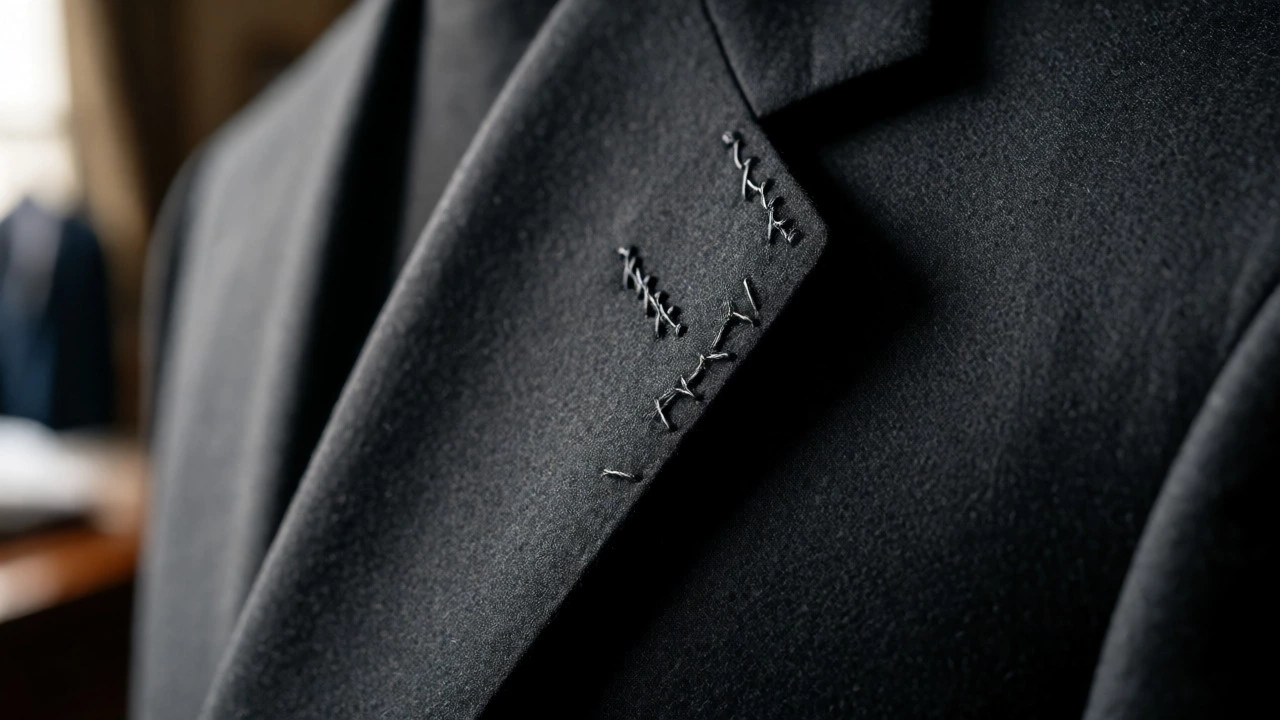
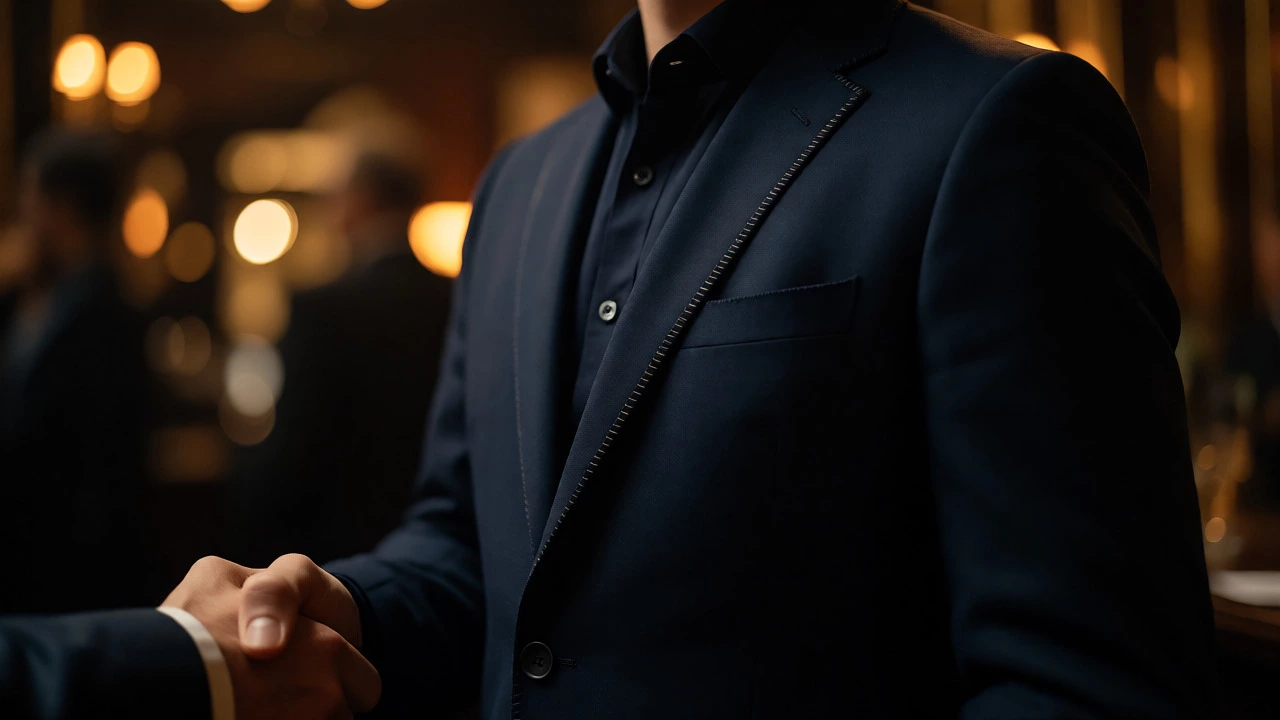
Before we decide if you need it, let’s define what it is. Pick stitching is a hand-sewn detail along the edges of a garment’s lapels, collars, or pocket flaps. Unlike standard machine stitching, which is perfectly straight and uniform, pick stitching is done by hand using a single needle. The result is a slightly irregular, broken line of thread that sits right on the edge of the fabric.
The key word here is "irregular." That unevenness is the point. It proves a human being touched your jacket. In an era where most suits are mass-produced in factories using automated machines, pick stitching stands out as a hallmark of bespoke or high-end made-to-measure tailoring. It’s subtle, but it changes the texture of the garment up close.
Think of it like the difference between a printed signature and one written by hand. From ten feet away, they look the same. Up close, one has character and depth, while the other feels flat. Pick stitching adds that depth to your suit.
The Case For Saying Yes
Why would anyone pay extra for a few stitches that might be invisible from across the room? Because fashion is often about the details only you and the people shaking your hand will see.
It Signals Quality and Craftsmanship
If you work in industries where image matters-law, finance, high-level sales-subtle cues matter. A well-dressed peer or client might glance at your lapel during a meeting. Seeing pick stitching tells them you care enough to invest in quality construction. It’s a quiet flex. It says, "I didn’t just buy off the rack; I had this tailored."
In Toronto, where professional networking happens over coffee and quick lunches, these small details build trust. They show attention to detail without shouting for attention. It’s understated elegance, not flashy branding.
It Adds Texture to Plain Fabrics
If you wear solid navy or charcoal wool suits every day, your outfit can sometimes feel flat under harsh office lighting. Pick stitching breaks up the monotony of a plain lapel edge. It catches the light differently than the surrounding fabric, adding a layer of visual interest that keeps the eye moving. This is especially true for matte fabrics like flannel or worsted wool, which absorb light rather than reflecting it.
It Ages Better Than Machine Stitching
Machine stitching is tight and rigid. Over time, as the fabric moves and stretches, that rigid line can pull or pucker. Hand-picked stitching has more give. It allows the fabric to move naturally with your body. While this is a minor technical benefit, it contributes to the overall longevity and drape of the jacket. Your lapels stay smooth longer because the stitches aren’t fighting against the fabric’s natural movement.
The Case For Saying No
Pick stitching isn’t always the right call. Sometimes, less really is more. Here’s when you should probably pass on it.
You Wear Patterns or Textured Fabrics
If your suit is already busy, pick stitching becomes noise. Think about herringbone, tweed, or heavy windowpane patterns. These fabrics have their own visual rhythm. Adding another line of contrasting thread on top of that pattern creates visual clutter. It looks messy rather than refined.
I once saw a guy in a bold Prince of Wales check suit with thick, white pick stitching on his lapels. It looked like he’d tried too hard. The pattern was doing all the work; the stitching just competed with it. If your fabric talks loudly, keep the trimmings quiet.
You Prefer a Modern, Minimalist Look
Trends shift. For decades, traditional tailoring valued visible handwork. But modern minimalist aesthetics favor clean, sharp lines. If you wear slim-fit suits, narrow lapels, and prefer a sleek silhouette, pick stitching might feel outdated or overly fussy. It can add a rustic, country-club vibe that clashes with a sharp, urban aesthetic.
If your style leans towards brands like Zegna or Tom Ford, which often emphasize precision and cleanliness, skipping pick stitching aligns better with that modern sensibility. It’s not wrong; it’s just a different language of dress.
Budget Constraints
Let’s be real: pick stitching costs money. Because it’s done by hand, it takes time. On a made-to-measure order, adding pick stitching might cost $50 to $150 depending on the tailor. If you’re stretching your budget to get good fabric, spending that money on a better lining or a superior button set might offer more tangible value. Don’t sacrifice core quality for decorative flourishes.
How to Choose the Right Thread Color
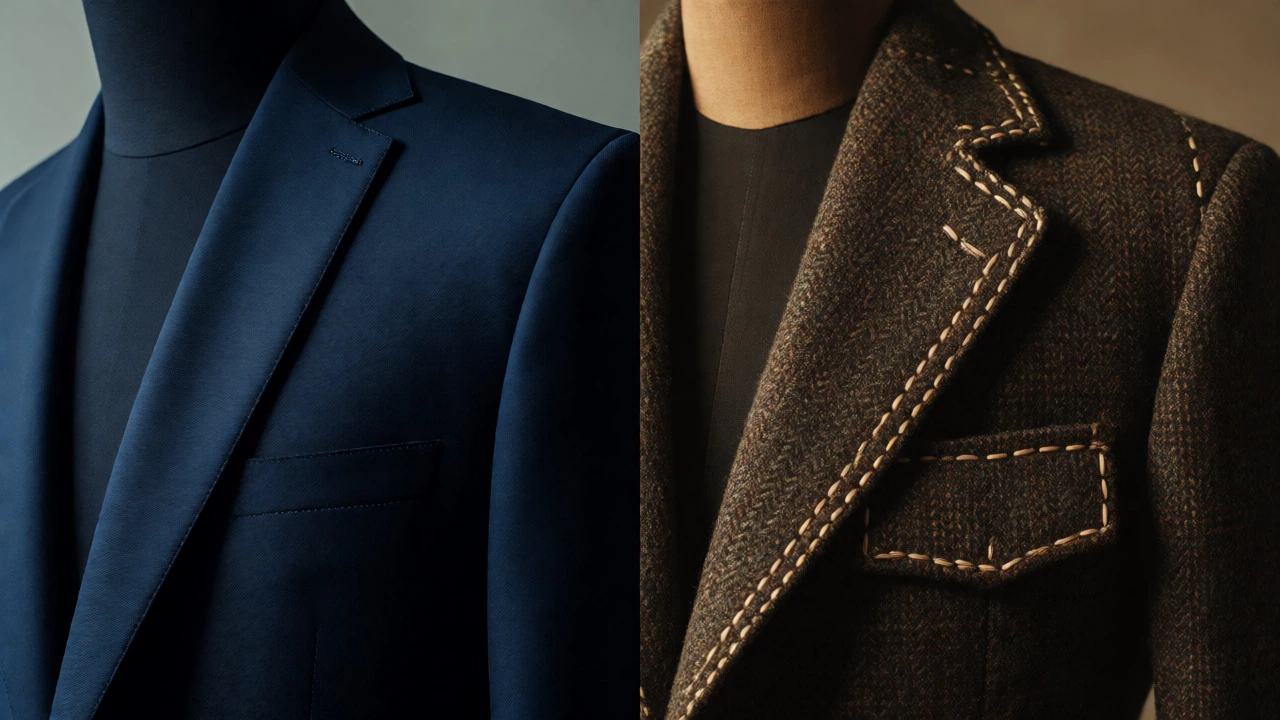
If you decide to go for it, don’t just let the tailor default to black or white. The color choice makes or breaks the look. There are three main approaches:
- Contrasting: Using a thread that stands out against the fabric (e.g., cream thread on navy). This is the classic British approach. It highlights the handwork and adds personality. Best for casual blazers or sport coats.
- Tonal: Using a thread very close to the fabric color (e.g., dark grey thread on charcoal). This is subtle. You only see it when the light hits it just right. Ideal for business suits where you want quality without distraction.
- Matching: Exact match. Honestly, this defeats the purpose. If you can’t see it, why pay for it? Avoid this unless you’re extremely conservative.
My advice? Go tonal for business suits. Go contrasting for weekend jackets. Never match exactly.
Where Should You Place It?
Pick stitching doesn’t have to cover the whole jacket. You can be selective. Most tailors offer it on specific parts:
| Location | Visibility | Best For |
|---|---|---|
| Lapels | High | The classic spot. Shows immediately when you shake hands or sit down. |
| Collar Edge | Medium | Subtle. Only seen from behind or above. Good for low-key flair. |
| Pocket Flaps | Low | Very subtle. Only noticeable when hands are near pockets. Great for minimalists. |
| Vent Edges | Low | Rarely requested. Can look odd if not done perfectly. |
Start with the lapels. That’s where the impact is highest. If you find it too much later, you can ask your tailor to omit it from the collar or pockets on future orders.
Real World Scenarios: Who Gets What?
Still unsure? Let’s look at three common profiles and what I’d recommend for each.
I’m buying my first custom suit for job interviews. Should I get pick stitching?
Probably not. When you’re new to custom tailoring, you’re still learning what works for your body. Stick to the basics: great fit, neutral colors, and standard machine stitching. Save the decorative details for your second or third suit, once you understand your personal style preferences. Focus your budget on fit and fabric quality instead.
I wear a navy suit to the office every day. Is pick stitching appropriate?
Yes, but keep it subtle. Use tonal thread (dark blue or grey) on the lapels. This adds a touch of sophistication that colleagues will appreciate without finding it distracting. It elevates a standard daily suit without making it look like you’re trying too hard.
I’m ordering a tweed sport coat for weekends. What should I do?
Absolutely get it. And choose a contrasting thread, like cream or tan. Tweed is inherently rustic and textured, so pick stitching complements its character. It reinforces the heritage feel of the garment and looks fantastic in outdoor settings.
Does pick stitching make a suit look cheaper?
No, poor execution makes it look cheap. Badly done pick stitching-too large, uneven spacing, or clashing colors-can look sloppy. Well-executed pick stitching always signals higher quality. If your tailor is reputable, it will enhance the perceived value of the suit.
Can I add pick stitching to a ready-to-wear suit?
Technically, yes, but it’s difficult. Most RTW suits have fused interlinings, which make hand-stitching through the layers tricky. A skilled tailor can do it, but it won’t look quite as integrated as on a canvas-constructed suit. Often, the cost of the labor outweighs the benefit. It’s usually better to leave RTW suits alone.
Final Verdict: To Stitch or Not to Stitch?
So, should you get pick stitching? Here’s the simple rule of thumb:
- Get it if you wear solid-colored suits, value craftsmanship, and enjoy subtle details that reward closer inspection.
- Skip it if you wear patterned fabrics, prefer a ultra-modern minimalist look, or are on a tight budget where fit and fabric take priority.
Remember, fashion is personal. There’s no universal law that says you must have pick stitching. But understanding what it communicates helps you make intentional choices. If you’re building a wardrobe of versatile, high-quality pieces, a little pick stitching on your best navy suit is a worthy investment. It’s a small detail, but those are often the ones that stick in people’s memories.