Summer Jacket Comfort Calculator
Wondering if you should bring that blazer? Enter your conditions below to find out if it's a strategic move or a sweaty mistake.
Comfort Assessment
Enter your details to see if you'll look sharp or sweat bullets.
You’re walking down the street, sweating through your t-shirt, and you see someone rocking a full denim jacket or a blazer. Your first instinct might be judgment. "Are they crazy?" But here’s the twist: they probably aren’t. In fact, wearing a jacket in the summer is not just normal; it’s often a strategic move for comfort, style, and social signaling. The real question isn’t whether it’s weird-it’s whether you’re doing it right.
Most people assume summer equals sleeveless shirts and shorts. But climate control indoors, evening temperature drops, and the sheer aesthetic power of layering mean that jackets have a place in even the hottest months. If you’ve ever felt self-conscious about adding a layer when everyone else is bare-armed, this guide breaks down exactly why it works, what to wear, and how to pull it off without looking like you forgot to check the weather forecast.
The Social Perception: Why It Feels Weird (But Isn’t)
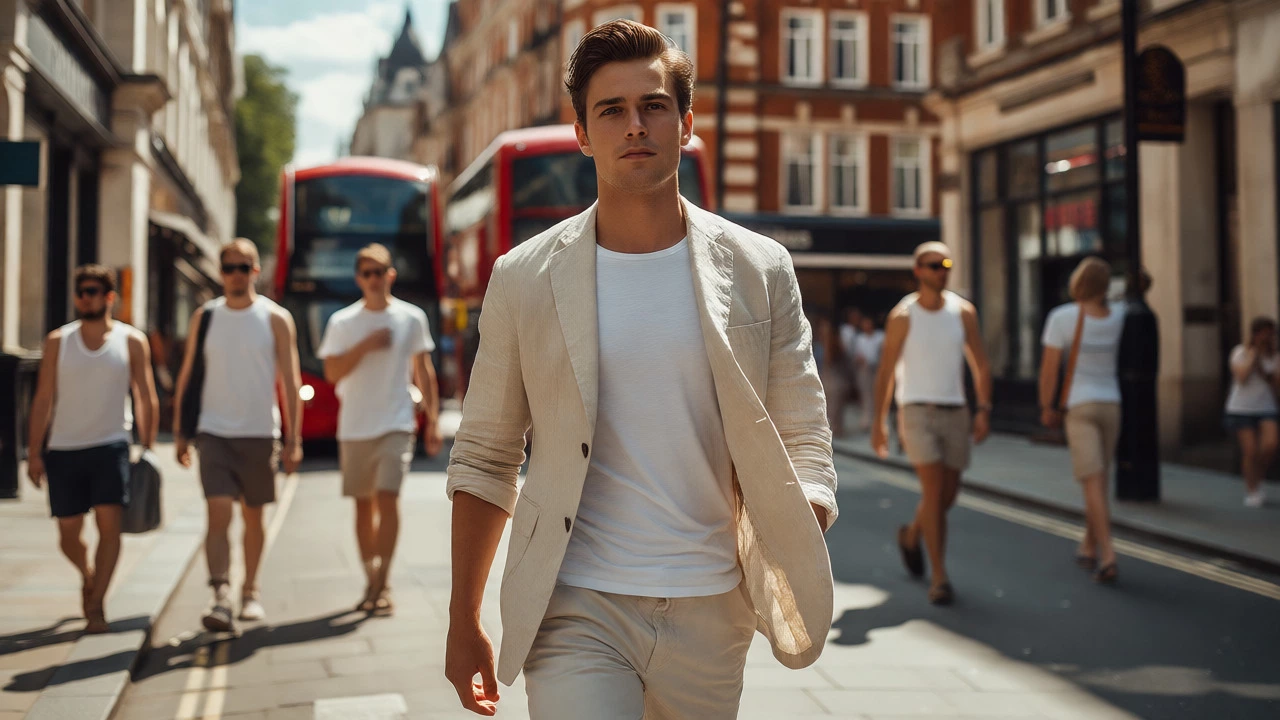
We judge clothing based on context. Seeing a heavy wool coat in July feels wrong because our brains associate specific materials with specific temperatures. A wool coat has high thermal insulation, so wearing it in 90°F heat signals either ignorance or desperation. However, perception shifts instantly when the material changes. A linen shirt-jacket or an unstructured cotton blazer doesn’t trigger the same "overheating" alarm in observers.
Think about office culture. You walk into a corporate building where the air conditioning is set to arctic levels. Without a layer, you’re shivering. With a light jacket, you’re comfortable. Colleagues don’t think you’re weird; they think you’re prepared. The same logic applies to high-end restaurants, movie theaters, and public transport. These spaces are designed for coolness, not warmth. Wearing a jacket there is actually more socially calibrated than showing up in a tank top and freezing.
There’s also the element of personal brand. In many urban environments, a well-fitted summer jacket signals effort and intentionality. It says you care about your appearance beyond just staying cool. It’s a subtle flex of style literacy. So, no, it’s not weird. It’s sophisticated, provided you respect the fabric rules.
Fabric Science: What Actually Keeps You Cool
The biggest mistake people make is choosing the wrong material. If you wear polyester in August, you’ll look ridiculous and feel miserable. The secret lies in breathability and weight. You need fabrics that allow air circulation and wick moisture away from the skin.
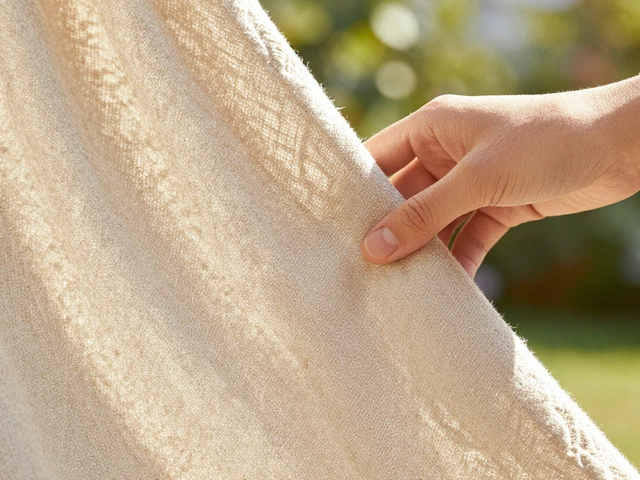
Linen is the gold standard for warm weather layering. It has a loose weave that lets heat escape easily. Yes, it wrinkles, but that’s part of the charm. A wrinkled linen jacket looks lived-in and relaxed. Cotton is another solid choice, especially if it’s open-weave or chambray. Avoid dense twills; go for lighter weights.
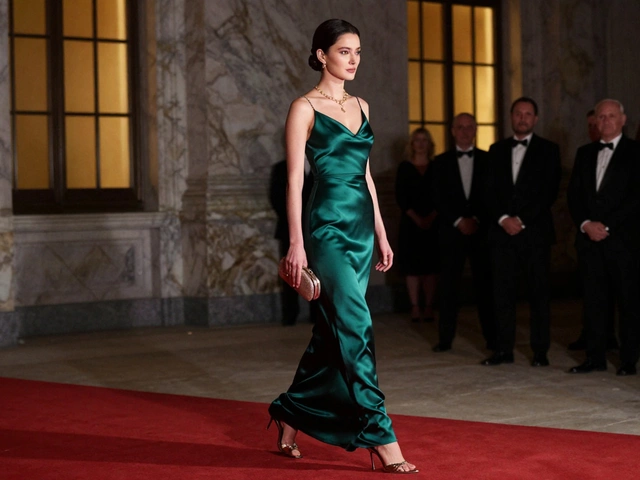
What about synthetics? Generally, avoid them unless they are specifically engineered for performance. Some modern technical fabrics use mesh panels or moisture-wicking technology to keep you dry. But for most casual scenarios, natural fibers win. Silk blends can also work for dressier occasions, offering a lightweight drape that doesn’t trap heat like heavier silks might.
| Fabric Type | Breathability | Wrinkle Resistance | Best Use Case |
|---|---|---|---|
| Linen | Excellent | Low (wrinkles easily) | Casual outings, beach towns, creative offices |
| Cotton (Chambray/Poplin) | Good | Moderate | Everyday wear, smart-casual events |
| Seersucker | Very Good | High (puckered texture hides creases) | Daytime weddings, garden parties |
| Lightweight Wool (Tropical) | Surprisingly Good | High | Business settings, formal dinners |
| Polyester Blends | Poor (unless technical) | High | Rainy days, windbreakers only |
The Right Types of Jackets for Hot Weather
Not all jackets are created equal. A puffer vest might work in early spring, but in peak summer, you want something that adds structure without bulk. Here are the three best options that won’t make you sweat bullets.
The Unstructured Blazer
Traditional blazers have shoulder pads and lining, which trap heat. An unstructured blazer removes both. It’s essentially a soft shell that drapes over your shoulders. Brands like J.Crew or Zara offer these in half-lining or fully unlined constructions. Pair one with chinos and loafers, and you look sharp at a rooftop bar without overheating.
The Shirt-Jacket (Shacket)
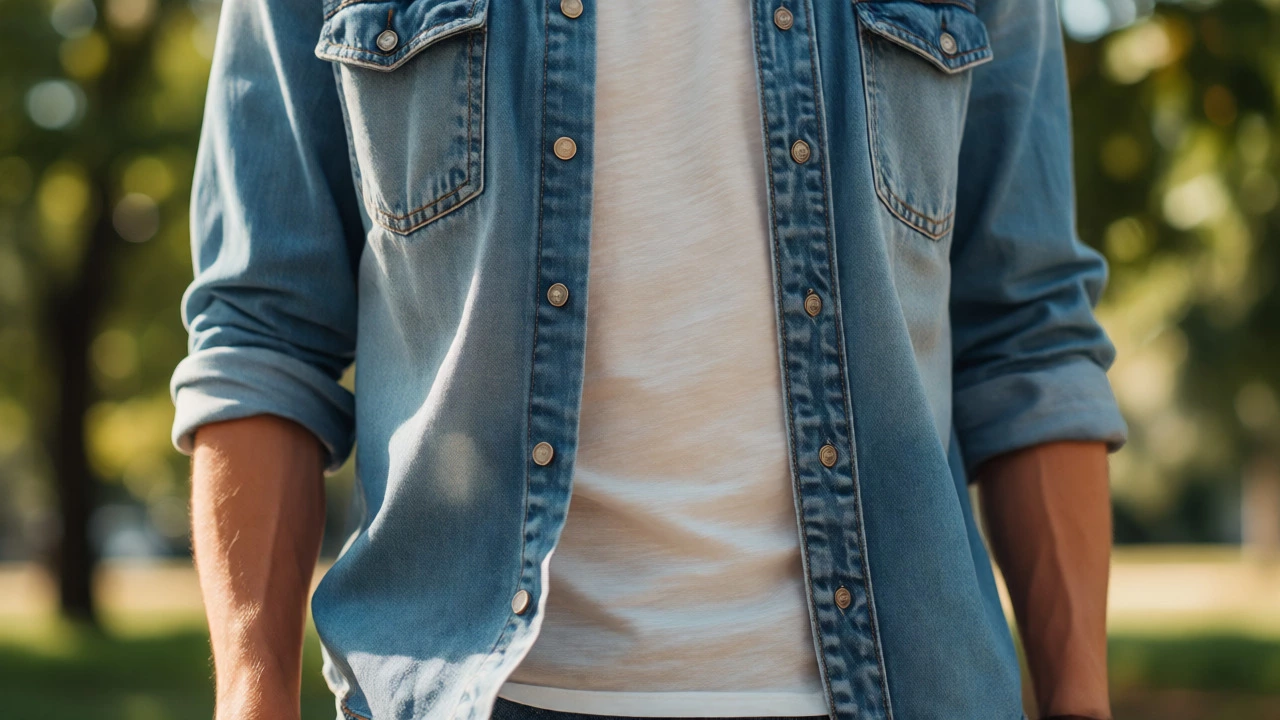
This hybrid sits between a button-down shirt and a jacket. Made from thicker cotton or flannel, it provides just enough coverage to cover a white t-shirt (which shows sweat) while remaining airy. Denim shackets are popular, but stick to lighter washes. Dark indigo absorbs more heat than stone-washed blue.
The Windbreaker
If you live in a coastal city, a thin nylon windbreaker is practical. It blocks the sea breeze that can chill you after sunset. Look for ones with mesh vents under the arms. These are functional rather than fashionable, so keep the rest of your outfit simple-shorts and a tee are fine.
Styling Rules: How to Not Look Overdressed
The goal is balance. If you add a layer on top, remove volume from below. This prevents the "mummy effect" where you look bundled up.
- Sleeve Management: Roll up your sleeves. Exposing your forearms immediately signals "I am cool." It breaks the visual line of the jacket and adds a casual vibe. Do this regardless of whether you’re wearing a blazer or a denim jacket.
- Open Front: Never button a summer jacket completely. Leave it open to create vertical lines that elongate your torso and allow airflow. Buttoning it closes the loop on heat retention.
- Color Palette: Stick to light colors. White, beige, light blue, and pastel greens reflect sunlight. Black and navy absorb it. If you must wear dark colors, choose breathable fabrics like tropical wool.
- Footwear Matters: Match the formality of the jacket with your shoes. Sneakers work with shackets. Loafers or boat shoes pair well with unstructured blazers. Avoid heavy boots; they look out of place with summer layers.
Consider the occasion. For a date night, a linen shirt-jacket over a crisp white tee is effortless. For a business meeting, an unlined blazer in grey or tan commands respect without stifling you. The key is confidence. If you fidget with the collar every five seconds, people will notice. If you wear it naturally, they’ll assume it’s part of your signature look.

Practical Benefits Beyond Looks
Style aside, there are tangible reasons to carry a jacket. First, sun protection. While sunscreen helps, physical barriers are better. A light long-sleeve layer protects your arms from UV rays during peak hours, reducing the risk of sunburn and long-term skin damage.
Second, odor control. Sweat smells. T-shirts soak up body oils and bacteria quickly. A jacket acts as a buffer, protecting your inner shirt from direct contact with sweat stains. Plus, jackets require less frequent washing than undershirts, extending their lifespan.
Third, versatility. One outfit can transition from day to night with a single addition. You can wear shorts and a tee during a hot afternoon, then throw on a jacket when the temperature drops at 7 PM. This saves you from carrying multiple outfits or changing clothes mid-event.
When to Skip the Jacket
Despite the benefits, context matters. There are times when wearing a jacket is genuinely awkward. If you’re going to a pool party, a beach volleyball game, or hiking in humid terrain, leave it at home. In these scenarios, functionality trumps style. You’ll look out of touch if you’re trying to maintain a layered look while swimming.
Also, consider humidity. Dry heat is manageable with layers because sweat evaporates. Humid heat traps moisture against the skin. If you’re in Miami in July, a jacket might feel suffocating even if it’s linen. Trust your body. If you’re visibly dripping sweat, take it off. No one respects discomfort disguised as fashion.
Finally, read the room. If everyone around you is in swimwear or gym gear, a blazer will stand out too much. Save the jacket for semi-formal or casual-social settings where a bit of polish is appreciated.
Does wearing a jacket make you hotter?
It depends entirely on the fabric. Heavy synthetic jackets trap heat and make you hotter. However, breathable natural fibers like linen or lightweight cotton can actually help regulate body temperature by shielding you from direct sun exposure and allowing air circulation. In air-conditioned environments, a jacket prevents you from getting cold.
What is the best color for a summer jacket?
Light colors are best because they reflect sunlight rather than absorbing it. Beige, white, light gray, and pale blue are excellent choices. Darker shades like black or navy can still work if the fabric is very lightweight and breathable, such as tropical wool or seersucker.
Can I wear a denim jacket in the summer?
Yes, but choose a lighter wash and a thinner denim weight. Heavy, dark indigo denim can be quite warm. Opt for a stone-wash or acid-wash finish, which is typically softer and lighter. Wear it unbuttoned and rolled up to maximize airflow.
Is it okay to wear a suit jacket in summer?
Yes, if you choose the right construction. Look for unlined or half-lined blazers made from tropical wool, linen, or cotton blends. Avoid traditional four-season suits with heavy padding and full linings, as these will cause significant discomfort in high temperatures.
How do I prevent my jacket from smelling bad?
Use an undershirt to absorb sweat before it reaches the jacket. Air out your jacket after each wear instead of washing it frequently, as excessive washing degrades fabric quality. Consider using cedar chips or lavender sachets in your closet to neutralize odors naturally.