Shoe Rotation Planner
Configure Your Setup
Select how many pairs you own and assign them to your week.
Weekly Schedule
Rotation Health Score
Start assigning shoes to see score
Analysis
- Waiting for input...
You step out the door, grab your favorite pair of leather loafers, and head to work. You do this Monday through Friday. By Saturday, your feet feel heavy, and by Sunday, you notice a faint smell lingering in the closet. Is it actually bad to wear the same pair of shoes every day? The short answer is yes, but not for the reasons you might think. It’s less about breaking the shoes and more about keeping your feet healthy and your investment intact.
We’ve all been there. That one pair of sneakers or dress shoes just fits perfectly. They mold to your arches, they look great with everything, and buying another pair feels like a waste of money. But treating footwear as a daily uniform comes with hidden costs. From fungal infections to ruined soles, wearing the same shoes 365 days a year is a recipe for disaster. Let’s break down why your feet-and your wallet-will thank you if you start rotating your gear.
The Moisture Trap: Why Your Feet Need Air
Your feet are sweat factories. On average, a human foot has about 250,000 sweat glands. When you walk, run, or stand all day, those glands release moisture to cool your body down. If you wear the same pair of leather shoes footwear made from animal hide that is durable and breathable every single day, that moisture never gets a chance to evaporate completely.
Leather is a natural material. Unlike synthetic plastics found in cheap sneakers, quality leather breathes. It allows air to circulate and lets some moisture escape. However, even the best breathable leather cannot handle 24 hours of continuous dampness. When you take off your shoes at night, the interior lining, the insole, and the footbed are still holding onto the humidity from the day.
If you put them back on the next morning without letting them dry, you’re stepping into a warm, wet environment. This creates the perfect breeding ground for bacteria and fungi. Bacteria feed on sweat and dead skin cells, producing that unpleasant odor we associate with "stinky shoes." Fungi, specifically the type that causes athlete's foot (tinea pedis), thrive in dark, moist places. Wearing the same shoes daily significantly increases your risk of developing these conditions.
The Structural Breakdown: Cushioning Fatigue
Think of the midsole of your shoe as a spring. When you walk, that spring compresses to absorb impact. When you lift your foot, the spring rebounds to its original shape. This cycle happens thousands of times a day. Most modern shoes use materials like EVA foam or polyurethane for cushioning. These materials suffer from what engineers call "compression set" or fatigue.
When you wear the same pair of shoes every day, the cushioning doesn’t get time to recover its full resilience. Over weeks and months, the foam breaks down permanently. The support collapses. You might not notice it immediately, but your knees, hips, and lower back start taking the hit. Poor shock absorption leads to joint pain and altered gait patterns.
For athletic footwear shoes designed for sports with specialized cushioning and support, this breakdown happens faster. Running shoes, for example, typically last between 300 to 500 miles. If you run five miles a day in the same pair, you’ll destroy the structural integrity in two to three months. Even casual walking shoes lose their supportive properties when worn consecutively without rest.
Why Leather Shoes Are Different (But Still Need Rest)
Let’s talk specifically about leather. Many people believe that because leather is tough, it can handle daily abuse. High-quality leather shoes, like oxfords or derbies, are indeed durable. They develop a patina over time, which many find attractive. However, the glue and stitching inside the shoe are vulnerable.
Inside a leather shoe, there is usually an insole and a lining. These materials absorb sweat just like fabric does. If you wear leather shoes every day, the insole becomes saturated. Once saturated, it loses its ability to wick moisture away from your foot. Worse, the constant flexing of the leather upper while wet weakens the fibers. Leather needs to dry slowly and evenly. If it dries while crumpled around your foot shape, it can crack or warp.
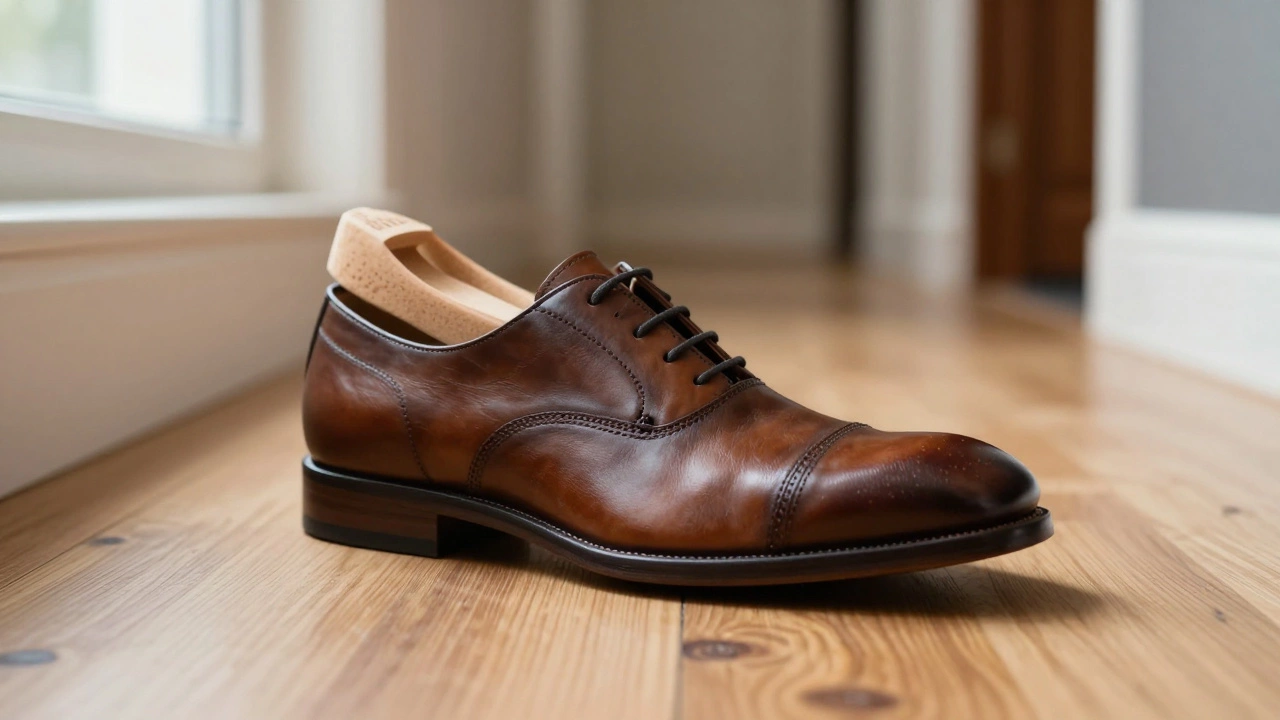
Using shoe trees is non-negotiable here. A cedar shoe tree absorbs residual moisture and helps the shoe maintain its shape. But even with shoe trees, giving a pair of leather shoes 24 hours of rest is crucial. This allows the adhesives holding the sole to the upper to re-bond slightly and prevents the leather from becoming brittle.
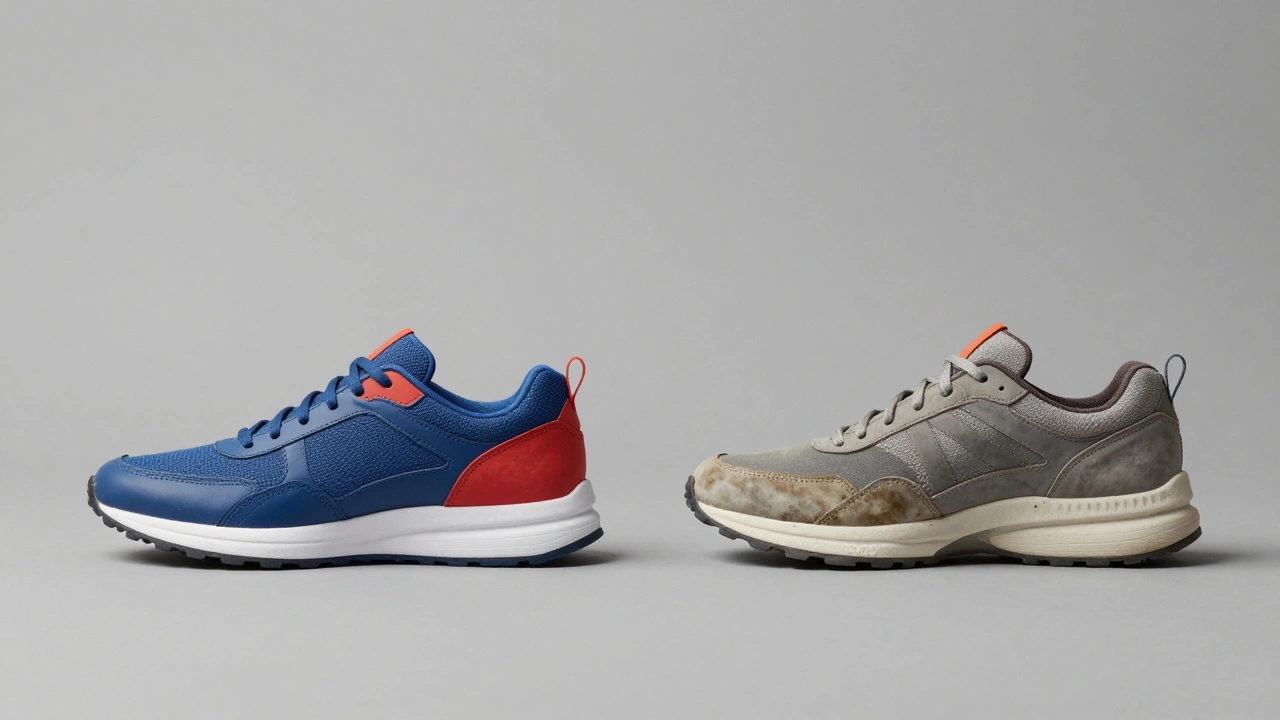
The Ideal Rotation Strategy
So, how many pairs do you need? You don’t need a wardrobe full of shoes. Experts generally recommend having at least two, preferably three, pairs of shoes for regular rotation. Here is a simple rule of thumb:
- Two-Pair Rotation: Wear Pair A on Monday, Wednesday, and Friday. Wear Pair B on Tuesday and Thursday. This gives each pair roughly 48 hours to dry out between uses.
- Three-Pair Rotation: This is the gold standard. Rotate through three pairs weekly. Each pair gets nearly 72 hours of rest. This extends the life of the shoes significantly and keeps your feet healthier.
This strategy works for all types of footwear. For work, you might have one pair of formal leather shoes and one pair of casual loafers. For weekends, you could have a pair of running shoes and a pair of canvas sneakers. The key is variety. Different activities require different levels of support, and rotating ensures you’re using the right tool for the job while letting the others rest.
| Shoe Type | Average Lifespan | Rest Time Needed | Key Maintenance Tip |
|---|---|---|---|
| Running Shoes | 300-500 miles | 24-48 hours | Replace insoles regularly |
| Leather Dress Shoes | 3-5 years | 24-48 hours | Use cedar shoe trees |
| Casual Sneakers | 6-12 months | 24 hours | Air out after every use |
| Hiking Boots | 1-2 seasons | 48 hours | Condition leather after cleaning |
Signs Your Shoes Are Done
Even with rotation, shoes eventually die. Knowing when to retire a pair is part of good foot hygiene. Here are the red flags that tell you it’s time to buy new ones:
- Visible Wear Patterns: Check the soles. If the tread is worn smooth in specific spots, especially under the heel or ball of the foot, traction is compromised. You’re more likely to slip.
- Collapsed Midsole: Squeeze the side of the shoe. If the foam feels mushy or doesn’t bounce back, the cushioning is gone. Your joints will feel the impact.
- Persistent Odor: If washing, baking soda, or airing out doesn’t remove the smell, bacteria have embedded themselves deep in the materials. No amount of deodorizer will fix this.
- Pain or Discomfort: If you start feeling blisters, hot spots, or general foot fatigue in shoes that used to be comfortable, the structure has failed. Don’t ignore pain.
- Cracked Leather: For leather shoes, deep cracks in the upper mean the material is drying out and losing flexibility. This can lead to sudden tears.
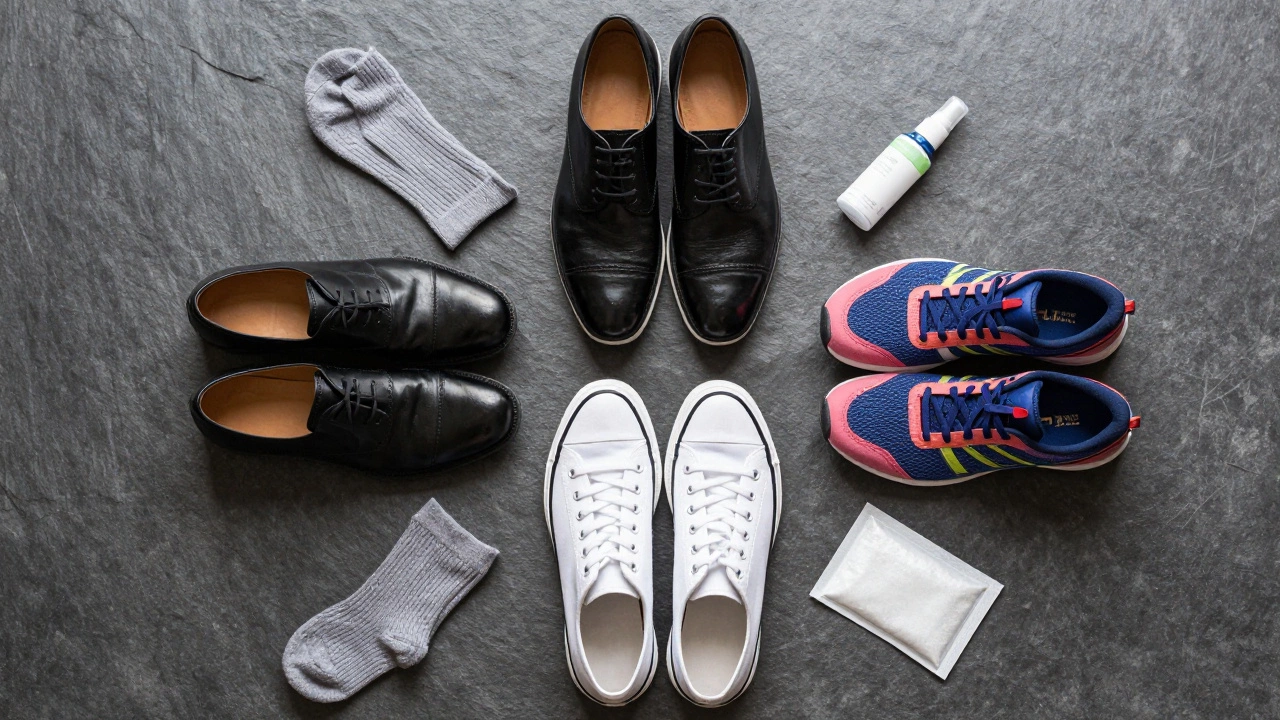
Practical Tips for Extending Shoe Life
Rotating your shoes is the biggest step, but small habits make a huge difference. First, always take off your shoes as soon as you get home. Letting them sit on your feet while you relax adds unnecessary pressure and heat.
Second, invest in quality socks. Cotton socks absorb sweat but hold onto it, making your feet wet. Merino wool or synthetic blends wick moisture away better. Changing socks mid-day if you’re on your feet for long periods can also help keep things fresh.
Third, clean your shoes regularly. Dirt and salt from roads can degrade leather and fabric. A quick wipe-down with a damp cloth for leather, or a gentle wash for canvas, removes abrasive particles that cause premature wear.
Finally, consider the environment. In Toronto, where winters bring salt and slush, protecting your leather shoes is vital. Salt eats away at leather finish and can cause white stains that are hard to remove. Apply a waterproofing spray before the first snowfall. In summer, high humidity means your shoes stay damp longer. Use silica gel packets inside your shoes overnight to absorb extra moisture.
The Bottom Line on Daily Wear
Wearing the same pair of shoes every day is a convenience trap. It saves you time in the morning, but it costs you in comfort, health, and money over time. Your feet deserve better than a humid, unventilated box for eight hours straight. Your shoes deserve a break to regain their shape and dry out.
By adopting a simple rotation system of two or three pairs, you protect your investment. You reduce the risk of fungal infections. You ensure proper cushioning for your joints. It’s a small change with massive benefits. Next time you reach for that one favorite pair, pause. Ask yourself if they had enough rest yesterday. If not, pick the other pair. Your feet will thank you.
Can I wear the same sneakers every day if I use insoles?
Changing insoles helps with odor and comfort, but it does not solve the structural issue. The outer sole and midsole still undergo compression and wear. Additionally, the upper part of the sneaker retains moisture. While insoles are a good addition, they do not replace the need for shoe rotation to allow the entire shoe to dry and recover.
How long should I let my shoes rest between wears?
Ideally, you should give your shoes at least 24 hours of rest. This allows most of the moisture absorbed during the day to evaporate. For leather shoes or in humid climates, 48 hours is even better. This timeframe ensures that bacteria and fungi do not have enough time to multiply significantly within the damp environment.
Do leather shoes need more rest than sneakers?
Yes, leather shoes often require more careful drying. While leather is breathable, the linings and glues inside are sensitive to prolonged moisture. Wet leather can stretch, warp, or crack if not dried properly. Using shoe trees and allowing 24-48 hours of rest is crucial for maintaining the shape and longevity of leather footwear compared to synthetic sneakers.
What is the best way to remove odor from shoes?
Start by ensuring the shoes are completely dry. Sprinkle baking soda inside the shoes and leave it overnight to absorb moisture and neutralize odors. You can also use activated charcoal bags or commercial shoe deodorizers. If the smell persists despite these methods, the bacterial growth may be too deep, indicating the shoes need to be replaced.
Is it okay to wear the same shoes for light walks?
If you only wear your shoes for short, light walks where your feet do not sweat much, the risk is lower. However, consistency matters. Even light activity generates some moisture. Rotating shoes is still beneficial to preserve the cushioning and prevent any gradual buildup of bacteria, but the urgency is less than for high-intensity workouts or all-day wear.