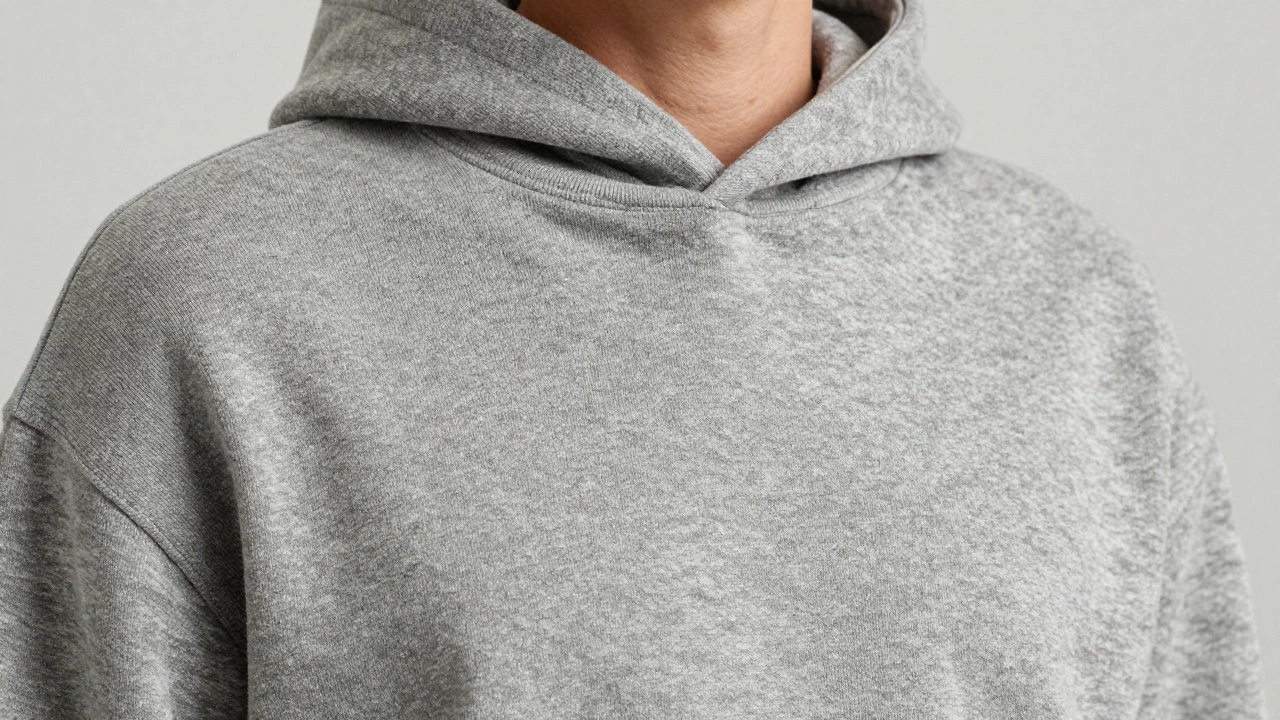
Hoodie Quality Grader
Check off the features you find on your hoodie to see if it's a budget build or a premium piece.
Quality Score
Quick Guide to Premium Hoodies
- Fabric Weight: Look for a GSM (Grams per Square Meter) between 350 and 500 for a structured, cozy feel.
- Material Mix: 100% organic cotton or a high-cotton blend prevents pilling and keeps you warm.
- Stitching: Check for double-needle stitching on seams and reinforced ribbing at the cuffs.
- Fit & Finish: Heavy-duty metal aglets and a double-lined hood are hallmarks of luxury builds.
You've probably bought a hoodie that looked amazing on the website, but after two washes, it shrunk, pilled, or lost its shape entirely. It's frustrating because most of us just want a reliable piece of clothing that lasts for years, not a few months. The truth is, brands often hide poor construction behind flashy logos or clever marketing. To find a high-quality hoodie, you have to stop looking at the brand name and start looking at the technical specs of the garment.
When you're shopping, the first thing you should touch is the fabric. Not all cotton is created equal. A premium piece usually uses Long-Staple Cotton is a type of cotton with longer fibers that result in a smoother, stronger yarn. This means the fabric is less likely to fray or develop those annoying little balls of fuzz known as pilling. If the hoodie feels thin or "scratchy," it's likely using short-staple cotton or a cheap synthetic blend that won't breathe well.
Decoding Fabric Weight and GSM
If you want to know if a hoodie is actually "heavyweight," stop guessing and look for the GSM is an abbreviation for Grams per Square Meter, measuring the density and weight of the fabric. This is the gold standard for measuring quality in streetwear.
A lightweight hoodie usually sits around 200-250 GSM. These are fine for layering in the spring, but they aren't "high quality" in terms of durability or warmth. A mid-weight option is typically 280-350 GSM. However, if you're looking for that structured, luxury feel that holds its shape, you want something in the 400-500 GSM range. At this weight, the hoodie feels like armor-it hangs better on the body and traps heat much more effectively.
| Weight Category | GSM Range | Best Use Case | Durability |
|---|---|---|---|
| Lightweight | 200-250 | Gym / Summer Layer | Low to Medium |
| Mid-weight | 280-350 | Daily Casual Wear | Medium |
| Heavyweight | 400-600 | Winter / Streetwear | High |
Keep in mind that higher GSM doesn't always mean better quality if the material is poor. A heavy polyester hoodie will feel thick but will make you sweat and smell. Always prioritize a high cotton percentage-ideally 80% to 100%-to ensure the fabric can actually breathe.
The Secret is in the Stitching
Turn the hoodie inside out. This is where the real secrets are hidden. Cheap hoodies use a single row of stitching that can pop the moment you stretch the fabric. High-end garments use Double-Needle Stitching is a sewing technique where two parallel rows of stitching are used to reinforce seams. You'll see this most clearly on the shoulders and the sides of the torso.
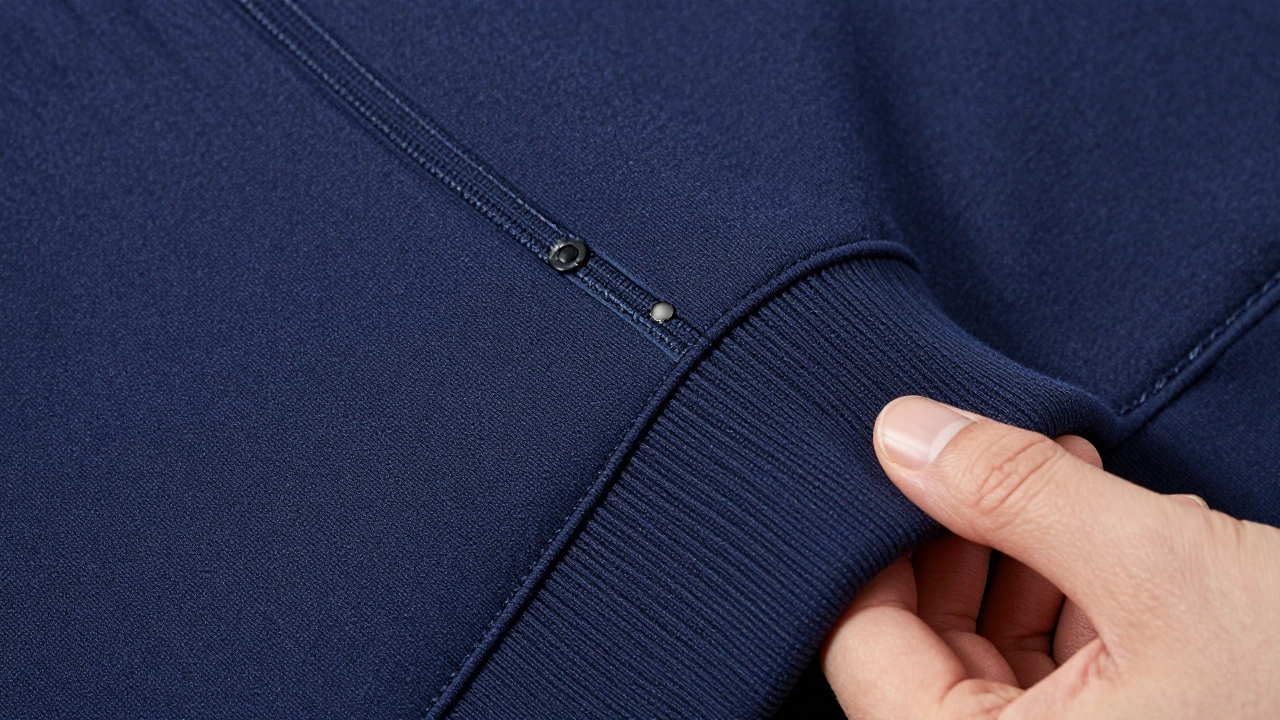
Check the ribbing on the cuffs and the waistband. In low-quality versions, the ribbing is thin and loses its elasticity quickly, leading to "stretched-out" wrists. High-quality ribbing uses a tighter knit with a touch of elastane to ensure it snaps back into place. If you pull the cuff and it doesn't immediately return to its original size, put it back on the rack.
Another critical area is the Cross-Grain Cutting is a manufacturing method where fabric is cut across the grain to prevent vertical shrinkage. While you can't always see this with the naked eye, you can feel it. A cross-grain hoodie feels more stable and resists that awkward "shrinking in length but not width" effect that happens in the dryer.
Hardware and Finishing Touches
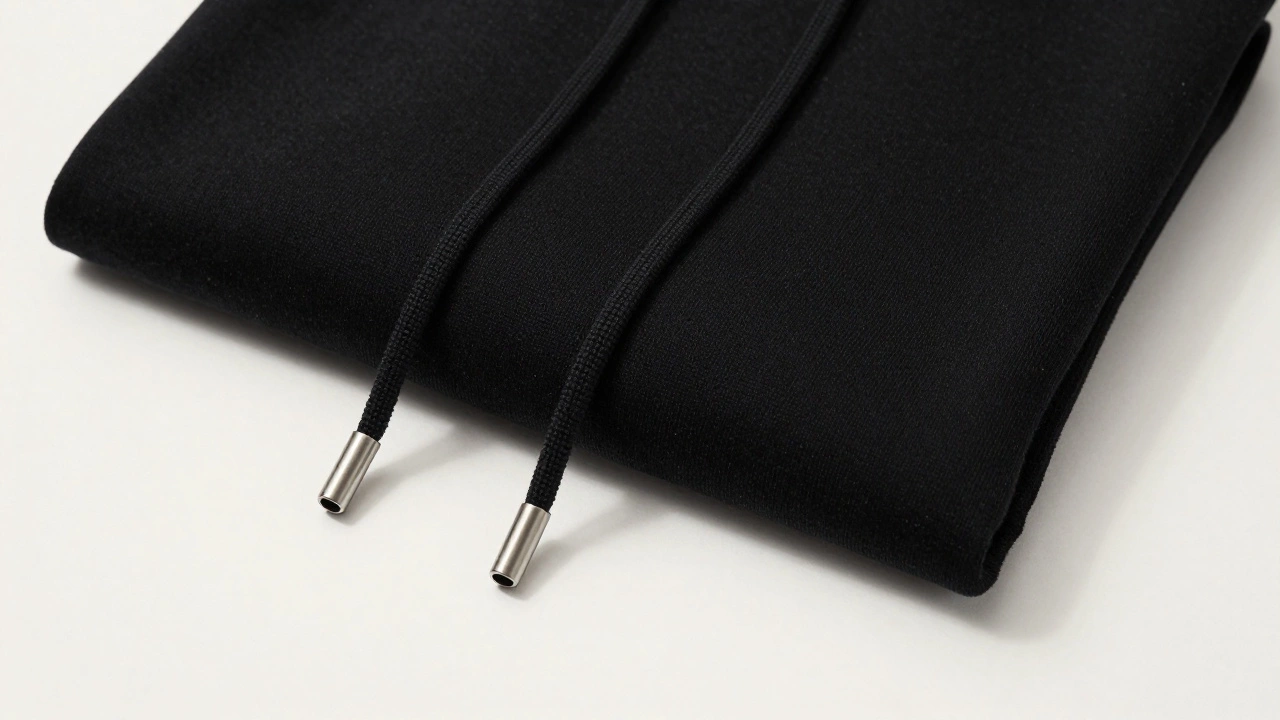
Look at the drawstrings. Cheap hoodies use thin, hollow strings with plastic tips (or no tips at all) that fray over time. Luxury versions use heavy cotton cords tipped with Aglets is the plastic or metal sleeve at the end of a shoelace or drawstring made of metal. Metal aglets aren't just about aesthetics; they prevent the string from unraveling and make it easier to tie.
The hood itself is a huge tell. A "single-layer" hood is a red flag. It's floppy, doesn't stay up, and provides zero warmth. A high-quality hoodie features a double-lined hood, meaning there's a second layer of fabric inside. This adds weight, structure, and a premium feel. It also ensures the hood doesn't collapse against your head.
Finally, look at the pouch pocket. Is it sewn into the side seams, or is it just tacked on? A pocket that is reinforced at the stress points (the corners) will survive years of you shoving your hands in it. If the stitching looks loose or uneven at the corners, it's only a matter of time before you're ripping holes in the lining.
Understanding Fabric Blends: Cotton vs. Polyester
You'll often see "Cotton-Poly Blends" on the tag. While some polyester is okay for preventing shrinkage, too much of it ruins the garment. A 50/50 blend is common in cheap fast-fashion. These often feel soft at first but develop "pills" (tiny balls of fabric) after just a few wears because the synthetic fibers wrap around the cotton fibers.
The sweet spot for most people is 80% cotton and 20% polyester. This provides the breathability and feel of cotton with just enough synthetic strength to keep the hoodie from warping in the wash. If you go 100% cotton, you get the best skin feel and durability, but you have to be much more careful with the dryer to avoid shrinking.
For those looking for the absolute peak of quality, French Terry is a knit fabric with loops of thread on one side and a smooth surface on the other is the way to go. Unlike standard fleece, which uses a brushed interior that can shed and flatten over time, French Terry is more durable and offers a cleaner, more refined look that works well for "elevated" casual outfits.
How to Test Quality in the Store
- The Light Test: Hold the fabric up to a bright light. If you see irregular gaps or thin patches in the weave, the fabric is inconsistent and will likely develop holes.
- The Stretch Test: Pull the waistband firmly and let go. It should snap back instantly. If it lingers or looks distorted, the elastic quality is poor.
- The Seam Pull: Gently pull the fabric apart at a major seam (like the armpit). If you see the threads starting to gap or "grin," the stitch density is too low.
- The Hood Weight: Put the hood up. If it feels like a thin sheet of paper, it's a budget build. If it feels substantial and holds its shape, it's a winner.
Does a higher price always mean a higher quality hoodie?
Not at all. Many luxury brands charge a premium for the logo, not the construction. You can find a 400 GSM, double-stitched hoodie from a niche streetwear brand for $80 that is technically superior to a $400 designer hoodie made of thin, single-layer cotton. Always check the GSM and stitching over the brand name.
Why do some hoodies pill more than others?
Pilling happens when short fibers break and tangle into small balls. This is common in cheap polyester blends or short-staple cotton. High-quality hoodies use long-staple cotton and a tighter knit, which keeps the fibers locked in place and prevents them from rubbing off.
What is the best way to wash a high-quality hoodie to keep it from shrinking?
Wash your hoodie inside out in cold water on a gentle cycle. Avoid using high heat in the dryer, as this breaks down the cotton fibers and shrinks the garment. The safest bet is to air-dry it flat or hang it up. If you must use a dryer, use the lowest heat setting possible.
Is 100% cotton better than a blend?
For breathability and a premium feel, yes. 100% cotton is more hypoallergenic and feels more natural. However, it is more prone to shrinking. A blend (like 80% cotton, 20% poly) is often more practical for people who want a "low-maintenance" garment that retains its shape after many washes.
What is the difference between fleece and French Terry?
Fleece is brushed to create a soft, fuzzy interior that traps more heat, making it better for extreme cold. French Terry has an unbrushed, looped interior. It is slightly more breathable and has a more "structured" drape, making it better for a high-fashion or transitional weather look.
Next Steps for Your Wardrobe
If you're starting to upgrade your collection, don't buy ten cheap hoodies. Instead, invest in two high-GSM, long-staple cotton pieces in neutral colors like black, heather grey, or navy. These are the foundations of a versatile wardrobe. If you find a brand that uses double-needle stitching and metal aglets consistently, stick with them-they are usually focusing on craftsmanship over fast-fashion trends.