Heatwave Outfit Planner
Select your scenario and preferences to get the scientifically backed clothing recommendation for triple-digit heat.
Your Heat-Beat Outfit
LinenSelect options above to generate your plan.
- Prioritize loose, flowing silhouettes over tight-fitting clothes.
- Choose natural, breathable fibers like linen and organic cotton.
- Stick to light colors to reflect sunlight rather than absorbing it.
- Opt for summer dresses and wide-leg trousers for maximum airflow.
- Don't forget moisture-wicking fabrics for high-activity days.
The Science of Fabric: What Actually Keeps You Cool
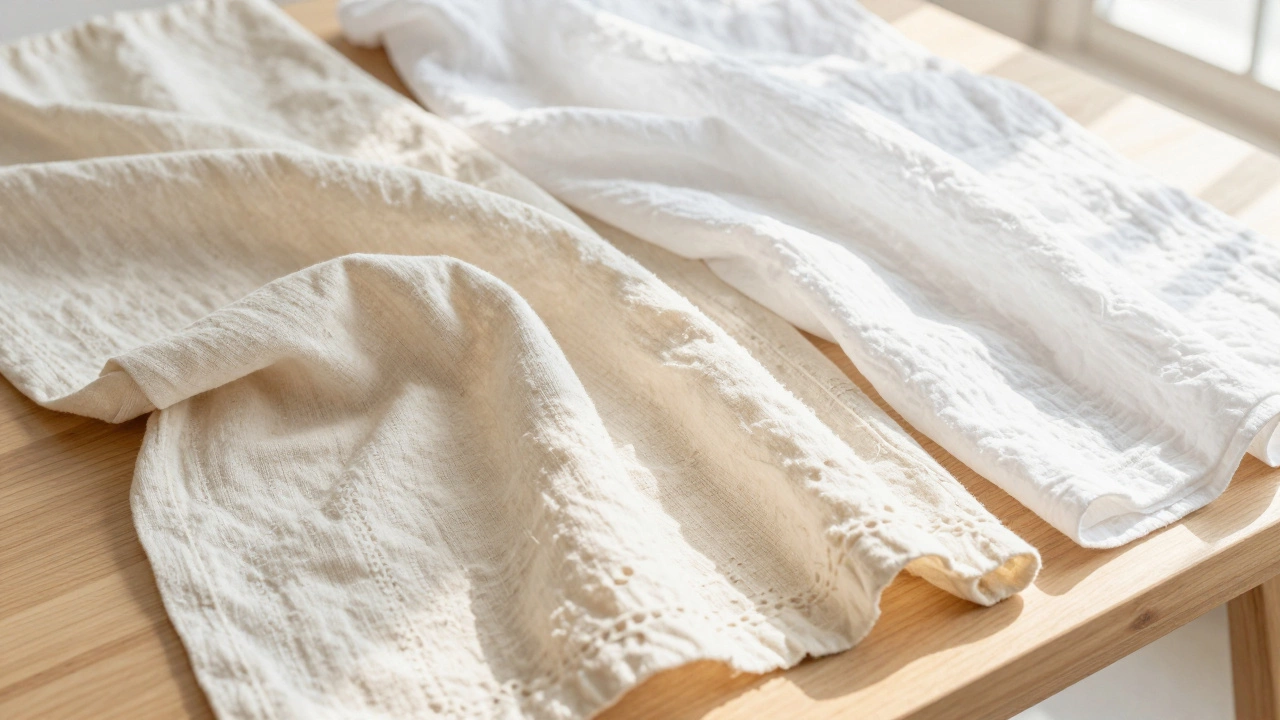
Not all fabrics are created equal when it comes to a heatwave. You've probably seen "breathable" on a label, but that's a vague marketing term. To survive 100-degree weather, you need to look at the weave and the fiber. Linen is a textile made from the fibers of the flax plant, known for its exceptional breathability and moisture-wicking properties. It's the gold standard for extreme heat because the weave is loose, allowing air to flow directly to your skin. While it wrinkles easily, those creases are practically a badge of honor in July. Then there's Cotton. Specifically, you want lightweight, organic cotton. Heavy denim or thick chinos will trap heat, but a thin cotton gauze is a lifesaver. If you're doing something active, look for Moisture-Wicking Polyester. Unlike regular polyester, which feels like wearing a sauna, performance fabrics are engineered to pull sweat away from the skin to the surface of the fabric where it can evaporate. Avoid Satin or heavy synthetics. They might look sleek, but they don't breathe. If you wear a tight synthetic shirt in 100-degree weather, you'll likely find yourself drenched in sweat within ten minutes because the moisture has nowhere to go.Why Summer Dresses are the Ultimate Heatwave Cheat Code
If you're looking for the absolute best way to stay cool, Summer Dresses are the undisputed winners. The reason is simple: airflow. When you wear pants, you create a pocket of warm air around your legs. A loose-fitting dress allows air to circulate freely around your entire lower body, which significantly lowers your perceived temperature. For maximum cooling, go for a maxi or midi length in a light color. A Sundress with a flared skirt creates a chimney effect, where warm air escapes upward and cooler air is drawn in from below. If you're worried about modesty or wind, pairing a dress with lightweight bike shorts underneath can manage chafe without sacrificing too much ventilation. Consider the cut. A slip dress is great for the beach, but an A-line silhouette is better for walking around the city. The more distance there is between the fabric and your skin, the less likely you are to feel that sticky, clinging sensation that makes 100-degree days feel even hotter.| Fabric | Breathability | Moisture Absorption | Best For |
|---|---|---|---|
| Linen | Extreme | High | Casual Outings, Beach |
| Cotton Gauze | High | High | Everyday Wear, Sleep |
| Performance Poly | Medium | Extreme (Wicking) | Hiking, Gym, Travel |
| Silk | Medium | Low | Formal Events |
| Denim | Low | Medium | Avoid in 100°F |
Color Choice: It's Not Just About Aesthetics
We've all heard that white is the coolest color, and there's actual physics behind it. Dark colors, especially black and navy, absorb the sun's thermal energy. If you're standing in direct sunlight in a black t-shirt, the fabric literally heats up and transfers that warmth to your body. Light colors-whites, beiges, pale yellows, and mint greens-reflect that radiation away. However, there is a nuance here. In a shaded, breezy area, a loose black garment can actually help pull heat away from your body via convection. But for the vast majority of people walking under a scorching sun, light colors are the only way to go. Think of your clothes as a mirror; you want the sun's rays to bounce off you, not sink in.
Footwear and Accessories for the Triple Digits
Your feet are a major heat release point for your body. If you trap them in heavy leather boots or thick sneakers, you're blocking a natural cooling vent. Breathable Sandals or open-toed shoes are the obvious choice. If you must wear closed shoes, opt for canvas sneakers with moisture-wicking socks. Avoid nylon socks at all costs; they'll make your feet sweat, leading to blisters and discomfort. Don't underestimate the power of a Wide-Brimmed Hat. A baseball cap protects your face, but a wide brim protects your neck and shoulders, which are highly sensitive to sunburn and heat absorption. A straw hat is ideal because it's lightweight and allows heat to escape from the top of your head while providing a physical shade barrier. Lastly, carry a lightweight cotton scarf or a linen wrap. It sounds counterintuitive to add more clothing, but covering your skin from direct UV exposure can actually prevent your skin from overheating. This is why people in desert climates often wear long, loose robes.Putting it Together: Outfit Ideas for Different Scenarios
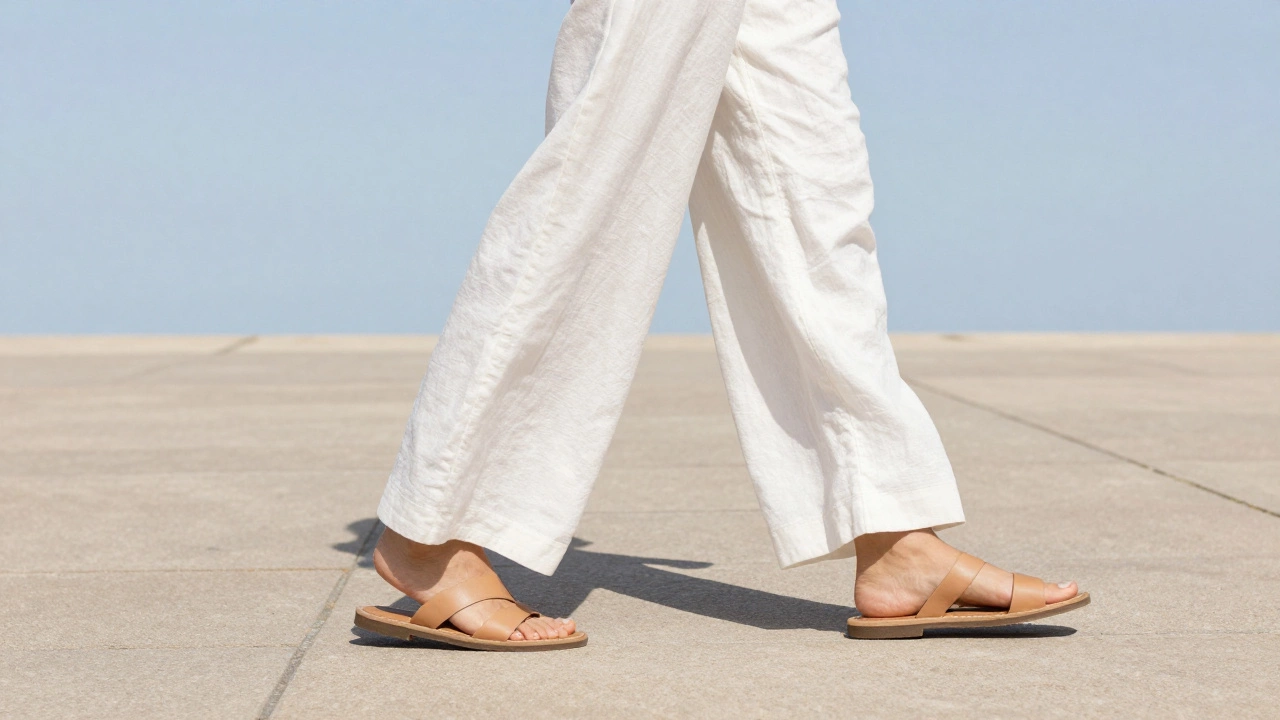
Knowing the rules is one thing, but putting an outfit together that doesn't look like you're wearing a pajama set can be tricky. Here are a few concrete ways to style these pieces:- The City Walk: A white linen button-down shirt (worn open over a camisole) paired with wide-leg linen trousers and tan leather sandals. This creates a total airflow corridor.
- The Summer Date: A floral midi-length cotton sundress with a small shoulder bag and strappy sandals. It's polished but keeps you from melting.
- The Outdoor Work Event: A light-colored cotton blend blazer (unlined!) over a simple tee and chinos in a pale stone color. The lack of lining in the blazer is the key here.
- The Active Day: A moisture-wicking athletic tank top, lightweight running shorts, and a breathable mesh cap.
Common Heatwave Clothing Pitfalls
One of the biggest mistakes people make is choosing "cute" over "functional." A tight synthetic dress might look great in a photo, but in 100-degree weather, it becomes a garment of torture. Another common error is wearing a heavy bra or restrictive undergarments. When it's this hot, every extra layer of restrictive fabric adds to your core temperature. Switch to lightweight, breathable bralettes or seamless cotton underwear to allow your skin to breathe. Also, be wary of "cooling" shirts that feel cold to the touch in the store. Many of these are treated with chemicals that provide a momentary chill but actually block the pores of the fabric, preventing your sweat from evaporating. If the fabric doesn't feel naturally porous, it's probably not helping you in the long run.Is linen better than cotton for 100 degree weather?
Yes, generally. Linen is more breathable than cotton because the fibers are thicker and the weave is typically looser. It also absorbs more moisture and dries faster, which prevents that heavy, damp feeling you get with cotton when you sweat heavily.
Should I wear long sleeves or short sleeves in extreme heat?
If you are in direct, intense sunlight, a loose, long-sleeved linen shirt can actually be cooler than a t-shirt because it protects your skin from UV rays and prevents the sun from heating your skin directly. However, if you are in the shade or a breeze, short sleeves are generally more comfortable.
Do dark colors really make you hotter?
In direct sunlight, yes. Dark colors absorb more of the sun's thermal radiation. While a loose black garment can help move heat away from the body, the actual surface of the clothing will be much hotter than a white or beige garment.
What are the best shoes for a heatwave?
Open-toed sandals are the best for ventilation. If you need closed shoes, choose canvas or mesh sneakers. Avoid leather or synthetic materials that don't breathe, as they trap heat and moisture, which can lead to blisters and fungal infections.
Can I wear leggings in 100 degree weather?
It is not recommended. Most leggings are made of spandex or polyester blends that cling to the skin and trap heat. If you need coverage, opt for wide-leg linen pants or a long, flowing skirt which allows for air circulation.