Summer Outfit Comfort Calculator
Enter your conditions below to get a personalized recommendation for fabrics, silhouettes, and accessories.
It’s 35°C (95°F) outside. The air feels thick, your makeup is sliding off, and the last thing you want to do is put on anything that resembles a jacket or even a heavy top. Yet, you still want to look put-together, fresh, and stylish. How do you balance comfort with aesthetics when the sun is trying to melt you?
The secret isn’t wearing less; it’s wearing smarter. Looking pretty in hot weather is about choosing materials that breathe, cuts that allow airflow, and colors that reflect rather than absorb heat. It’s about understanding how fabric interacts with your skin when humidity spikes. Let’s break down exactly how to stay cool without sacrificing your style game.
Master the Fabric Game
If there’s one rule for hot weather dressing, it’s this: fabric matters more than fit. You could wear the most flattering silhouette in the world, but if it’s made of polyester, you’ll feel like you’re wrapped in plastic wrap. Synthetic fibers trap heat and sweat against your skin, creating that sticky, uncomfortable feeling that ruins your vibe by noon.
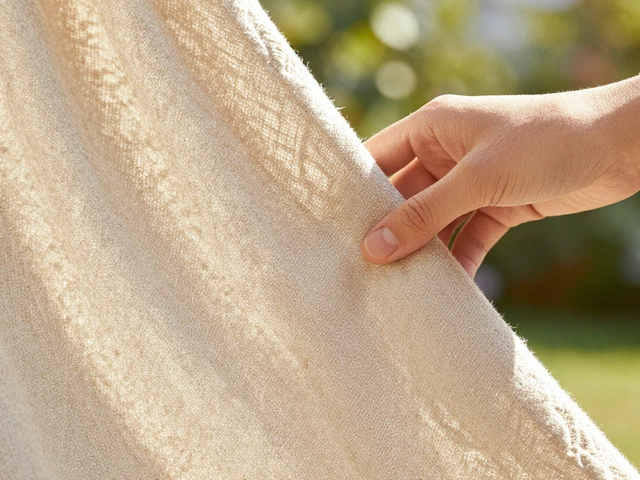
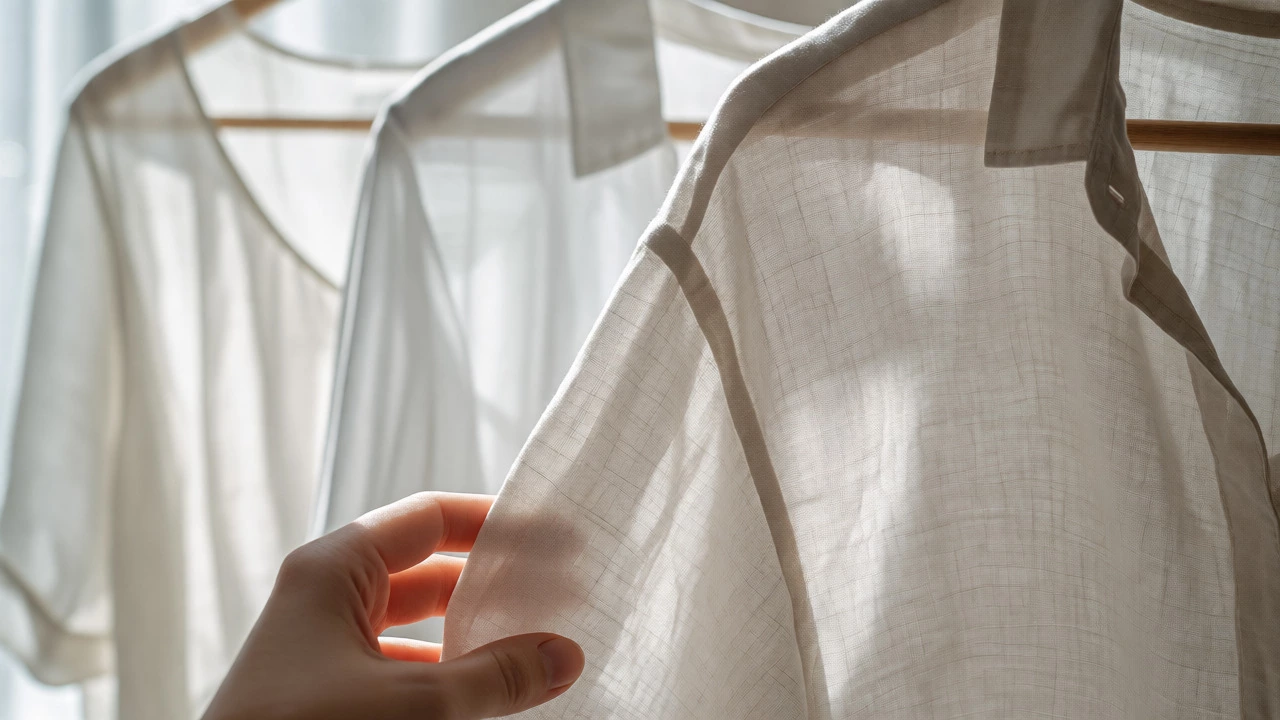
Instead, focus on natural fibers. Cotton is the classic choice because it absorbs moisture and allows air to circulate. But don’t stop there. Linen is arguably the king of summer fabrics. It has a loose weave that lets breeze pass right through, drying quickly if you do sweat. Yes, linen wrinkles easily, but that’s part of its charm-it looks effortlessly chic, not stiff.
For something softer, try Rayon or Viscose. These are semi-synthetic fibers derived from wood pulp. They drape beautifully, feel cool to the touch, and mimic the flow of silk without the high maintenance. Just check the care label; rayon can shrink if washed in hot water.
| Fabric | Breathability | Moisture Wicking | Style Vibe |
|---|---|---|---|
| Linen | High | High | Casual, Relaxed, Chic |
| Cotton | Medium-High | Medium | Versatile, Classic, Soft |
| Rayon/Viscose | Medium | Low-Medium | Elegant, Flowy, Dressy |
| Silk | Medium | Low | Luxurious, Smooth, Delicate |
| Polyester | Low | Variable | Techy, Cheap, Traps Heat |
Choose Silhouettes That Breathe
Heat rises. If your clothes cling tightly to your body, they trap that rising heat against your skin. The goal is to create space between the fabric and your body. This doesn’t mean you have to look like you’re wearing a tent. It means opting for cuts that allow air circulation.
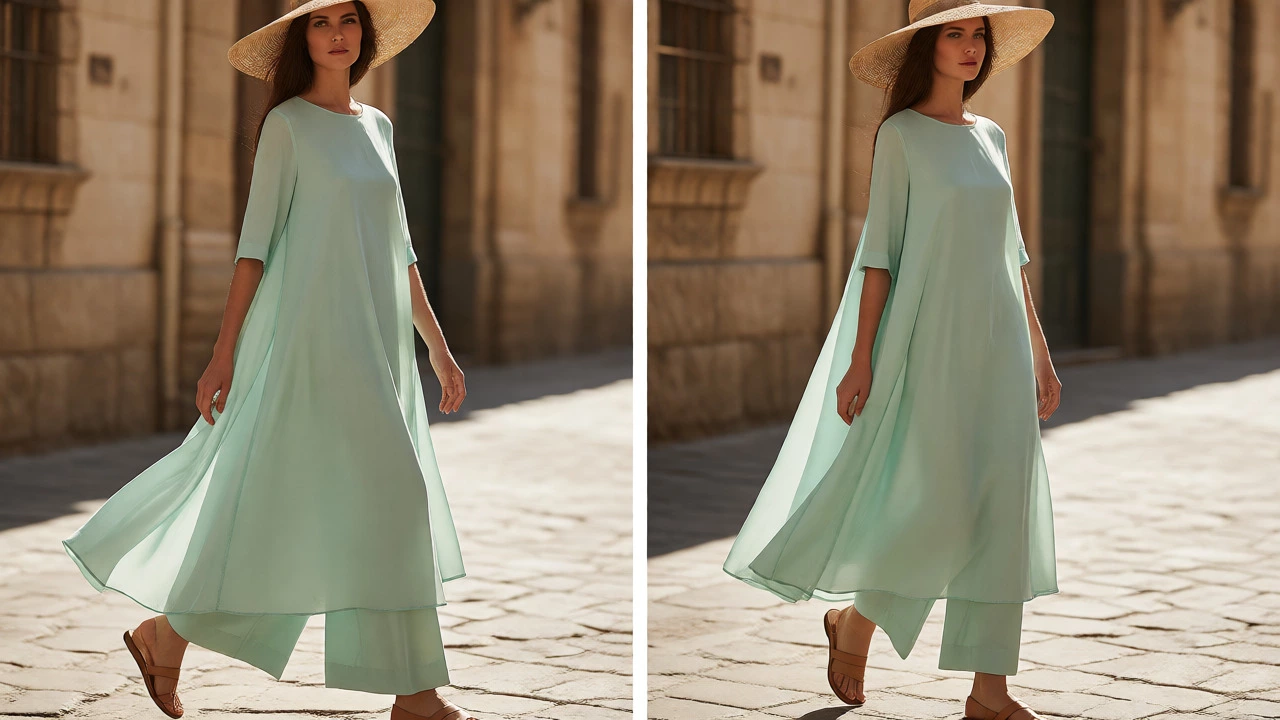
Think A-line skirts, wide-leg trousers, and oversized button-downs. An A-line dress flares out from the waist, allowing air to move around your legs and hips. Wide-leg pants, especially those with a high rise, elongate your figure while keeping your thighs from sticking together. If you prefer fitted tops, pair them with looser bottoms to balance the silhouette and ensure airflow where you need it most.
Also, consider sleeve length. Cap sleeves or sleeveless tops expose your arms, which are major heat-release zones. If you need coverage for sun protection or office dress codes, choose sheer or mesh panels instead of solid opaque fabric. A sheer white blouse over a tank top looks sophisticated but keeps you cooler than a thick cotton shirt.
Color Psychology and Physics
You’ve heard it before: light colors reflect sunlight, dark colors absorb it. In hot weather, this isn’t just a suggestion; it’s physics. Black clothing can raise your body temperature significantly compared to white or pastel shades. When you wear black in direct sunlight, you’re essentially turning your outfit into a solar collector.
Embrace whites, creams, pastels, and bright hues. These colors bounce UV rays away from your skin. Pastel pinks, mint greens, and baby blues aren’t just aesthetically pleasing; they keep you physically cooler. If you love bold colors, opt for lighter shades of red or orange rather than deep maroon or navy.
But what if you work in an environment where dark colors are required? Choose lightweight versions of your usual palette. A charcoal grey linen suit will keep you much cooler than a black wool blend, even though both are technically "dark." The material makes the difference.
Footwear Matters More Than You Think
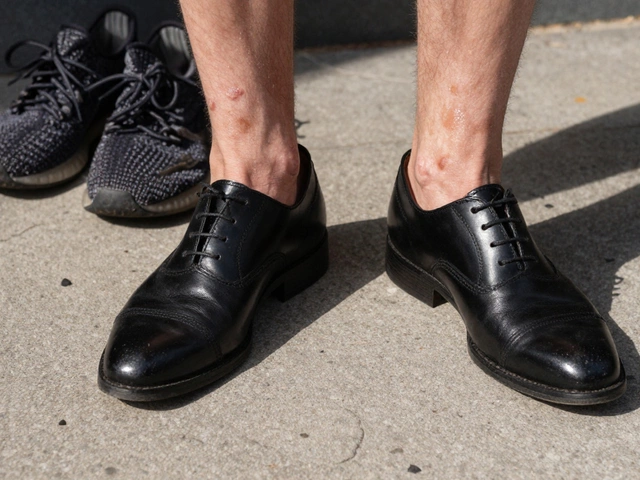
Your feet bear the brunt of walking, standing, and sweating. Closed-toe shoes in summer can turn into saunas. Leather boots or tight sneakers might look great in photos, but by afternoon, your feet will ache and smell. Switch to open footwear whenever possible.
Sandals are the obvious choice, but not all sandals are created equal. Look for flat leather slides or woven espadrilles. They allow maximum airflow. If you need support, try cork-soled sandals like Birkenstocks-they mold to your foot shape and breathe well.
For days when you need closed toes, choose canvas sneakers or loafers with perforated details. Avoid patent leather or synthetic plastics, which don’t breathe at all. And always wear breathable socks-cotton or bamboo blends-to prevent blisters and odor.
Hair and Makeup Strategies
Looking pretty isn’t just about clothes. Humidity can frizz hair and melt makeup instantly. Here’s how to combat the elements.
For hair, slicked-back styles are your best friend. A low bun, a sleek ponytail, or a braided crown keeps hair off your neck, which is a major heat-dissipation area. If you prefer wearing your hair down, use anti-humidity serums or leave-in conditioners with silicones to seal the cuticle. Avoid heavy gels that crack in the heat.
Makeup should be minimal and waterproof. Heavy foundation clogs pores and slides off. Switch to tinted moisturizers, BB creams, or skin tints. Use cream blushes instead of powders-they blend better with sweaty skin and look more dewy. Waterproof mascara is non-negotiable. Set everything with a setting spray designed for humid conditions. Carry blotting papers to remove excess oil without ruining your base.
Accessories That Cool You Down
Accessories can either add heat or relieve it. Chunky scarves, heavy jewelry, and layered bags can make you feel weighed down and hotter. Keep it light.
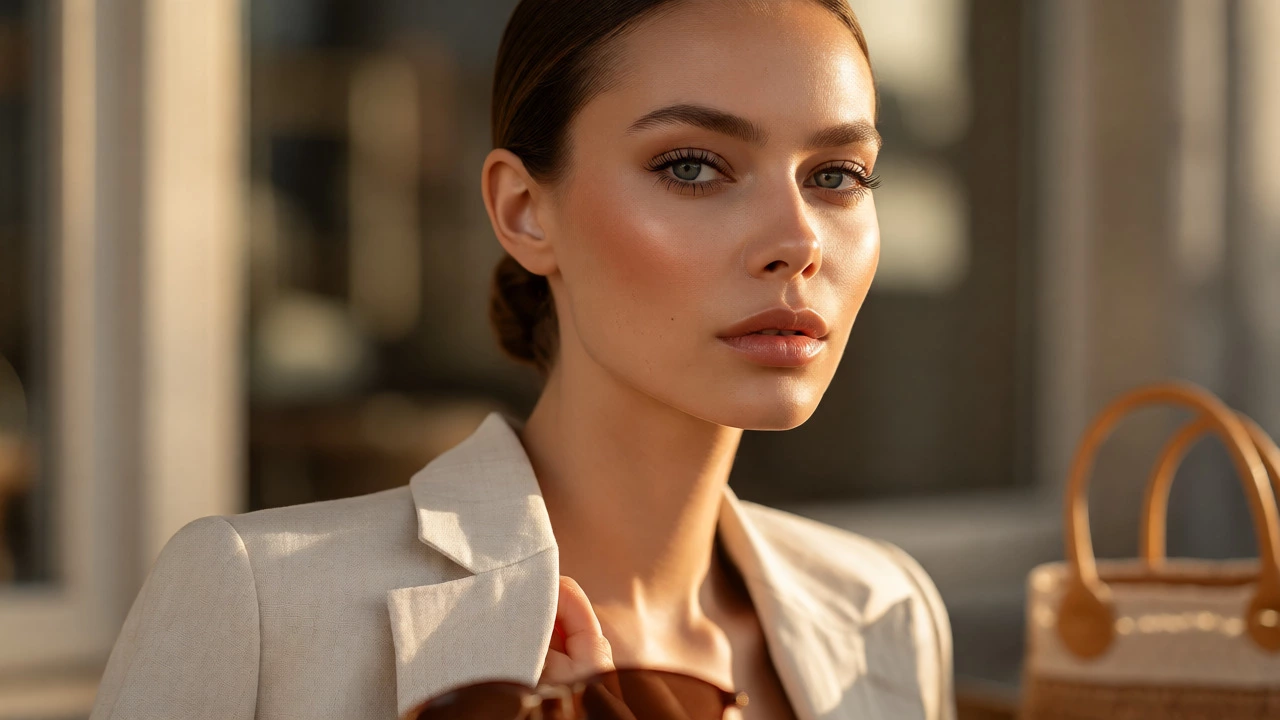
Wear a wide-brimmed hat. Not only does it protect your face from sun damage, but it also creates shade, lowering the perceived temperature around your head. Sunglasses are essential-not just for style, but to reduce squinting and eye strain.
Jewelry should be minimal. Gold and silver conduct heat, so large metal pieces can feel warm against your skin. Opt for smaller studs, delicate chains, or natural materials like wood or resin beads. A simple tote bag is better than a structured handbag with metal hardware that heats up in the sun.
Layering Without Overheating
Yes, even in hot weather, you might need a layer. Air-conditioned offices, malls, and restaurants can be freezing. Carrying a jacket seems counterintuitive, but it’s necessary. The trick is choosing the right outerwear.
A lightweight denim jacket is a classic, but it can get heavy. Instead, pack a thin linen blazer or a chiffon kimono. These fold up small, weigh almost nothing, and provide just enough warmth for indoor AC blasts. When you step back outside, you can tie it around your waist as a belt detail, adding style without trapping heat.
Remember, looking pretty in hot weather is about respecting your body’s needs. When you’re comfortable, you stand taller, smile easier, and radiate confidence. That’s the real key to beauty in the heat.
What is the coolest fabric to wear in extreme heat?
Linen is widely considered the coolest fabric due to its loose weave and ability to dry quickly. Cotton is a close second, offering breathability and softness. Rayon and viscose are also excellent choices for their cooling touch and fluid drape, though they may require more careful washing.
Does wearing black actually make you hotter?
In direct sunlight, yes. Dark colors absorb more solar radiation, converting it into heat that warms the fabric and subsequently your skin. However, in shaded areas or indoors, the color matters less than the fabric's breathability. Loose-fitting black garments can still be comfortable if made from lightweight, airy materials like chiffon or thin cotton.
How do I keep my makeup from melting in humidity?
Use a primer designed for oily or humid skin, switch to cream-based products that blend with natural oils, and set everything with a long-wearing setting spray. Blotting papers help remove excess oil throughout the day without disturbing your makeup layers. Waterproof formulas for eyes and brows are essential to prevent smudging.
Are synthetic fabrics bad for hot weather?
Generally, yes. Most standard polyesters and nylons trap heat and sweat, leading to discomfort and odor. However, modern technical synthetics engineered for moisture-wicking (like those used in athletic wear) can perform well. For casual or formal wear, stick to natural fibers or cellulosic synthetics like rayon for better comfort.
What shoes should I avoid in hot weather?
Avoid heavy leather boots, rubber rain boots, and tight synthetic sneakers. These materials lack ventilation and trap heat around your feet. Patent leather finishes also tend to be less breathable than matte leathers. Stick to canvas, open-weave knits, or open-toe designs whenever possible.